
Navigating the Skies with Strategic Choices for Time and Cost Efficiency
Understanding the Dynamics of Air Travel Savings
Economic Perspectives on Direct Flights
Direct flights often present an alluring proposition by eliminating the complexities associated with layovers. This streamlined approach tends to reduce hidden fees and minimizes the risk of additional expenses, such as extra luggage charges or unforeseen booking alterations. The premium on convenience is frequently justified by the significant reduction in travel-associated hassles. Many travelers recount that the peace of mind offered by a single, uninterrupted flight not only saves money in the long run but also preserves energy and time, which are as valuable as dollars in today's fast-paced world.
In the realm of aviation economics, direct flights function as a high-efficiency mechanism. They encapsulate the essence of value-driven travel by focusing on speed and reduced logistical complexities. Imagine a scenario where every minute counts—a business executive rushing to a crucial meeting can attest to the worth of direct flights. The elimination of transfers not only curtails potential delays but also simplifies itinerary management, thereby converting time savings into tangible economic advantages. Such streamlined journeys are like express highways in the sky, offering a rare combination of convenience and cost-effectiveness.
The Cost Implications of Stopovers
Stopovers inherently introduce a multifaceted cost structure that can be both an opportunity and a challenge. While they might present lower upfront ticket prices, hidden expenditures—ranging from additional meals and accommodation fees to transit expenses—can accumulate unexpectedly. The financial calculus becomes intricate when stopover durations extend, inviting ancillary costs that may negate any initial savings. In this light, travelers must adopt a holistic view of expenses rather than fixating solely on base fares.
From a budgeting standpoint, stopovers can be likened to an investment in a multifaceted journey. They offer the chance to break the travel experience into manageable segments, yet this segmentation introduces its own set of financial dynamics. Anecdotal evidence from frequent flyers reveals that while some appreciate the extended experience, others find the piecemeal nature of costs to be unpredictable. When carefully managed, stopovers can yield savings; however, the potential for incurring additional, unexpected fees requires a discerning and strategic approach to travel planning.
Balancing Time and Financial Resources
The interplay between time and money in air travel is akin to balancing a finely tuned scale. Direct flights epitomize a commitment to time efficiency, minimizing wait times and transfer uncertainties. This direct approach is particularly beneficial for travelers whose schedules are as critical as their budgets. Conversely, stopovers offer a fragmented journey that might extend travel time but can be optimized for cost savings if managed astutely. The art of balancing these two variables is essential for a rewarding travel experience.
In many ways, the decision between direct flights and stopovers is a strategic negotiation between rapid transit and economical stops. One might imagine a tightrope walk where each step represents a calculated trade-off between immediate costs and long-term benefits. Savvy travelers often experiment with both options to determine which aligns more closely with their lifestyle and priorities. The metaphorical scale of travel choices requires ongoing recalibration, ensuring that each journey is a harmonious blend of temporal efficiency and financial prudence, where neither aspect is compromised excessively.
Evaluating Efficiency: Time, Comfort, and Convenience
Time-Saving Benefits of Direct Flights
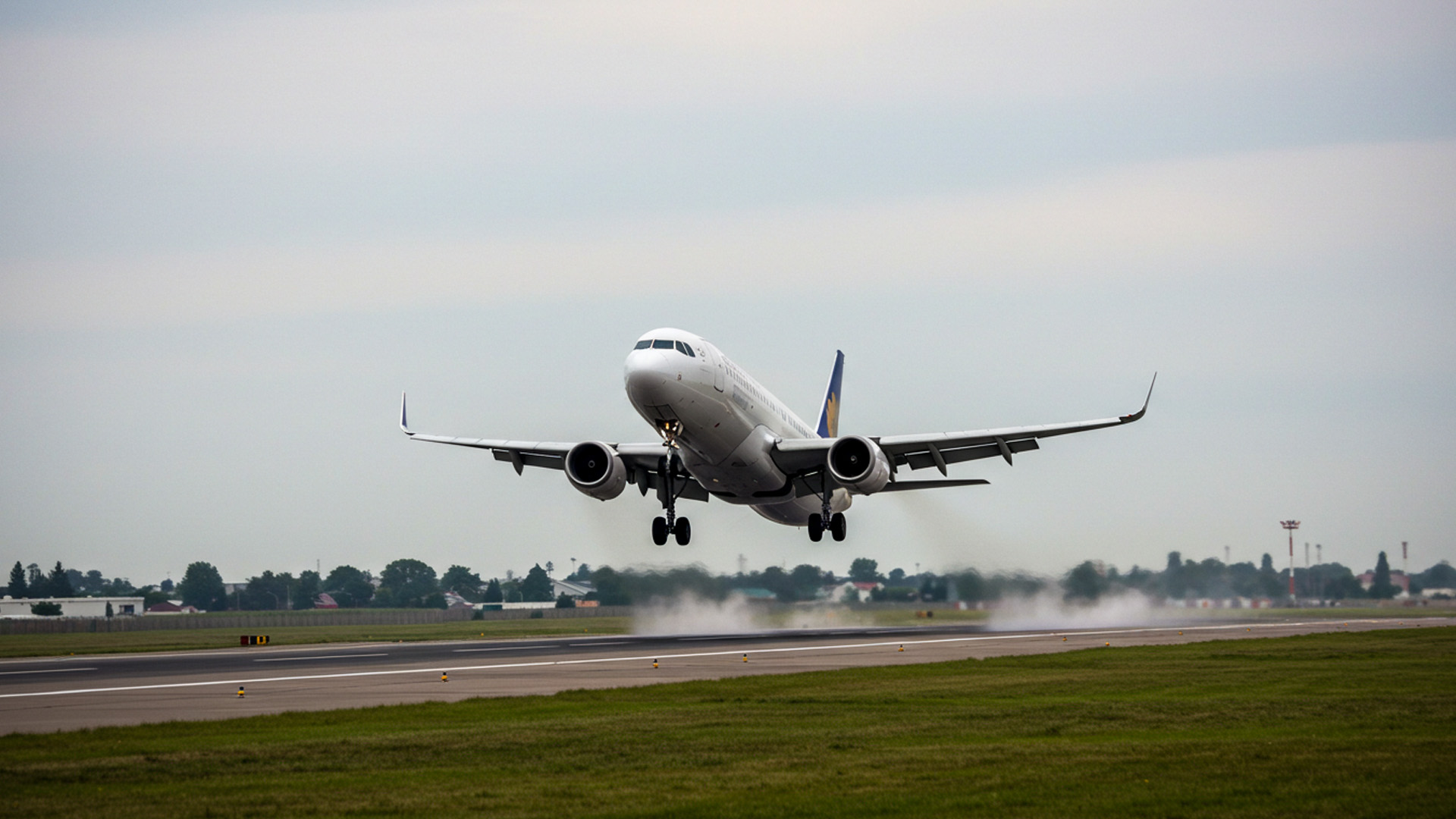
Direct flights offer an invaluable advantage by slashing travel time and reducing the uncertainties of connecting journeys. In an era where every minute is monetized, the speed and reliability of direct flights serve as a lifeline for professionals and leisure travelers alike. The straightforward route minimizes the potential for delays that are common in multi-leg journeys, thereby fostering a seamless travel experience. This efficiency is often the deciding factor for travelers on tight schedules who prize punctuality and simplicity.
Consider a traveler racing against time—a scenario where every delay could cascade into missed meetings or lost opportunities. Direct flights act as a dependable conduit, whisking passengers from departure to destination with minimal interruptions. The reliability of a direct service can be compared to a well-oiled machine operating in perfect harmony, where every component is designed for maximum output. In this context, the elimination of stopovers becomes not merely a matter of convenience, but a strategic investment in time, underscoring the direct link between rapid transit and enhanced productivity.
Stopovers as Opportunities for Rest and Exploration
Stopovers are not merely inconvenient layovers; they can transform travel into a dynamic experience. By providing a break in the journey, stopovers create a window for rest, cultural immersion, or even impromptu sightseeing. This pause in transit can act as a refreshing interlude, enabling travelers to recharge before embarking on the next leg of their journey. The opportunity to briefly explore a new city or enjoy a local meal can add unexpected value to an otherwise routine trip.
Imagine a scenario where a long-haul traveler uses a stopover to step out of the airport and experience a taste of local culture. This intermission can be likened to a breather in a marathon—an essential respite that revives energy and offers a change of scenery. The art of turning a layover into a mini-adventure has gained traction among modern explorers, who view these stops as a chance to gather new experiences without committing to a full-scale vacation. In this way, stopovers not only provide a financial benefit through reduced ticket prices but also enrich the overall travel experience with moments of discovery and leisure.
Evaluating Comfort Amidst Layovers
Comfort during a journey is not solely determined by the length of the flight but also by the quality of the stopover experience. For some travelers, the prospect of a layover can be a welcome change—a break from the confined space of an aircraft. Quality lounges, comfortable seating, and a range of amenities can transform an otherwise tiresome wait into a period of relaxation and rejuvenation. The experience hinges on the airport’s infrastructure and the traveler’s ability to utilize the available resources effectively.
Consider a traveler who turns a layover into a restorative interlude. With access to premium lounges and quiet zones, the journey evolves from a series of waiting periods into a sequence of brief, refreshing escapes. This experience is comparable to a well-planned intermission during a concert—a pause that enhances the overall performance rather than detracting from it. When layovers are managed with comfort and care, they serve as an unexpected boon, offering a respite that can soften the rigors of long-distance travel and elevate the overall journey experience.

Technological Innovations and Their Impact on Flight Options
Digital Tools Optimizing Flight Choices
The digital revolution has ushered in an era where technology reshapes travel planning with precision and efficiency. Advanced flight search engines and real-time pricing algorithms empower travelers to make data-driven decisions. These tools compare multiple flight options, including direct services and itineraries with stopovers, enabling passengers to pinpoint the most cost-effective and time-efficient route. The digital interface serves as a sophisticated compass guiding travelers through a complex web of choices.
Imagine leveraging an advanced travel app that predicts optimal booking windows and fluctuating fare trends. Such digital tools operate like a seasoned navigator, charting the course with expertise that combines historical data with real-time analytics. They offer insights into potential disruptions, seasonal price shifts, and even personalized recommendations based on past travel behavior. In this technologically enriched landscape, making an informed decision between direct flights and stopovers becomes a matter of integrating sophisticated data with personal preferences, ultimately turning an otherwise daunting choice into an elegantly solved equation.
Algorithm-Driven Price Predictions
Algorithms have revolutionized how prices are determined and predicted, transforming the air travel landscape with unparalleled accuracy. These computational models analyze a myriad of factors—ranging from seasonal demand to global economic indicators—to forecast fare fluctuations. Travelers armed with algorithm-driven insights can anticipate the best times to book, thereby maximizing savings. This blend of technology and commerce ensures that every decision is backed by data, reducing the reliance on guesswork.
Picture a scenario where a traveler utilizes an algorithm that predicts a surge in ticket prices due to an impending holiday season. This digital foresight allows for strategic booking well in advance, effectively sidestepping the typical pitfalls of last-minute fare hikes. The predictive power of these algorithms is akin to having a financial advisor specialized in air travel, meticulously monitoring market trends and advising on the optimal purchase window. As the aviation industry becomes increasingly data-centric, these technological advancements serve as an indispensable asset, guiding travelers through the intricate landscape of pricing dynamics with confidence and precision.
Smart Travel Apps Enhancing User Experience
Smart travel apps are redefining the traveler’s journey by offering an integrated platform that simplifies every aspect of flight planning. These applications consolidate diverse services—from flight tracking and booking to itinerary management—into a single, user-friendly interface. They provide real-time updates, ensuring that travelers are well-informed about any changes or disruptions, and facilitate a smoother travel experience. The synergy of convenience and technological prowess elevates the standard of modern air travel.
Imagine an app that not only streamlines your booking process but also adapts to your personal travel style. By merging historical data with real-time information, these apps craft a personalized travel itinerary that caters to both budget constraints and comfort needs. They act like a digital concierge, effortlessly navigating the myriad choices available while ensuring that every facet of the journey is optimized for efficiency. In a world where travel decisions can be overwhelming, smart travel apps transform the process into an intuitive and stress-free experience, empowering travelers with the insights needed to choose between direct flights and stopovers confidently.

Strategic Decision-Making: Personalization and Flexibility
Tailoring Travel Based on Budget and Preferences
Travel planning is inherently personal, influenced by unique financial constraints and lifestyle preferences. A tailored approach to choosing between direct flights and stopovers involves a nuanced understanding of one’s priorities. Some travelers may favor the time-saving benefits of a direct flight, while others might lean towards the cost advantages that come with a strategically planned stopover. This personalized decision-making process is essential for crafting a travel itinerary that is both enjoyable and economically viable.
Envision a traveler meticulously mapping out a journey that reflects their individual needs—a blend of direct flight efficiency for business commitments and a thoughtfully chosen stopover for leisurely exploration. This customized strategy transforms travel planning into a bespoke experience, where every decision is informed by personal values and practical considerations. The process resembles an artisan crafting a unique piece of work, where each detail is carefully measured against the backdrop of budgetary constraints and desired experiences. Such a balanced approach ensures that the chosen flight option harmonizes with the traveler’s lifestyle, delivering both convenience and cost savings.
Weighing the Pros and Cons with Real-World Scenarios
Analyzing the merits of direct flights versus stopovers becomes more tangible when illustrated with real-world scenarios. Consider a frequent flyer who regularly commutes for business versus a family planning an extended vacation. In one case, the direct flight’s time efficiency might be paramount, whereas, in the other, a well-planned stopover could enhance the journey with cultural experiences and budget-friendly opportunities. Evaluating these scenarios provides clear insight into the complex interplay of factors that shape travel decisions.
Imagine a business traveler faced with a critical meeting who opts for a direct flight to eliminate any risk of delays, while a leisure traveler seizes a chance to explore a vibrant city during a stopover. These contrasting situations highlight the importance of aligning travel choices with immediate needs and long-term benefits. In practice, the decision-making process involves weighing various elements—from punctuality and cost efficiency to experiential value and flexibility. By drawing on concrete examples, travelers gain a deeper understanding of how each option uniquely contributes to a fulfilling journey, ultimately guiding them to a decision that mirrors their individual circumstances.
The Future of Air Travel: Adaptive Strategies
The landscape of air travel is evolving rapidly, with emerging trends and adaptive strategies reshaping traditional paradigms. As technology continues to disrupt established practices, the dichotomy between direct flights and stopovers is becoming increasingly fluid. Future travel strategies may well integrate both options, allowing passengers to customize itineraries dynamically based on real-time data and evolving preferences. This adaptive approach promises not only to optimize savings but also to enhance the overall travel experience by merging convenience with flexibility.
Picture a future where advanced analytics and personalized travel insights converge to offer a hybrid model of flight planning. In this scenario, travelers might seamlessly transition between direct flights and strategically timed stopovers, leveraging the strengths of each option according to situational demands. The transformation is reminiscent of a smart grid in energy management, where flexibility and adaptability are key. As the industry continues to innovate, adaptive strategies are poised to empower travelers with a level of choice and personalization that redefines modern air travel. This forward-thinking approach is set to revolutionize how we perceive travel, blending efficiency with enriched experiences in an ever-changing global landscape.

Strategic Decision Making
Elisha Roodt
Our travel editorial desk specializes in uncovering the best flight deals and destination insights within South Africa. We bring you first-hand updates on airline industry moves and budget travel hacks.
More From Cheap Flights

The Corridor Between Ordinary Life and Extraordinary Places
Exploring how commercial flights act as psychological transitions, shifting travellers from daily routine into a mindset of discovery.
Future of Sustainable Aviation Fuel Explained
Airlines are investing in sustainable aviation fuel, but scalability and cost remain major challenges for tourism and global flight networks.

The Evolution of Airline Loyalty: Tourism in the Age of Frequent Flyer Programs
Stay Informed, Stay
Ahead of the Curve
We don't just follow the headlines — we dive deeper. Our well-researched content is designed to empower you with the knowledge needed to navigate an industry shaped by innovation.
Seasoned Professionals
Industry stats and market performance metrics.