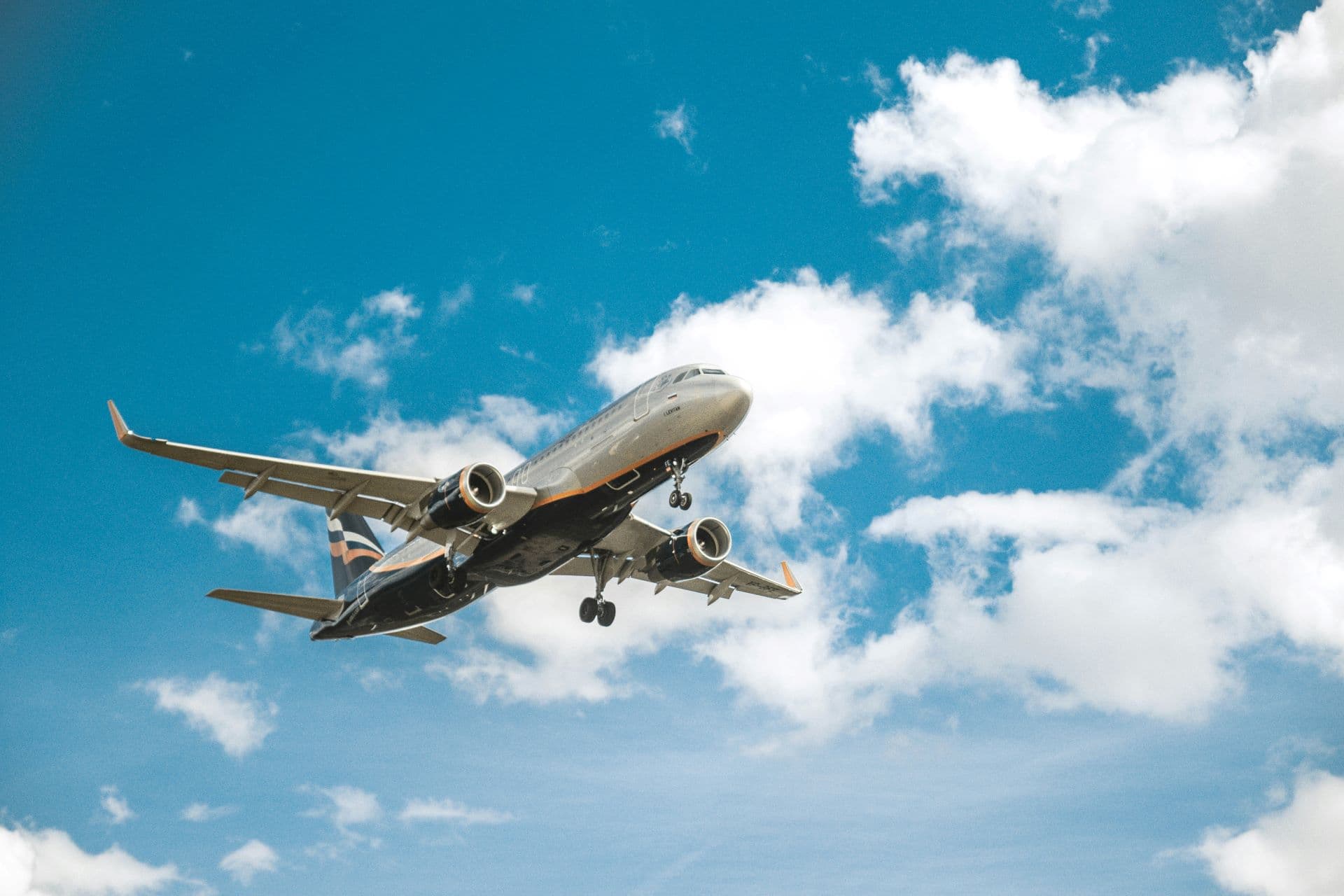
The New Face of Global Travel
In the modern era, airlines have evolved far beyond the simple act of transporting passengers from one city to another. They have become architects of experience, curating journeys that blur the lines between travel, culture, and entertainment. Cultural tourism—where the traveler’s primary motivation is to participate in festivals, events, and local traditions—has emerged as a lucrative segment, and airlines are at the forefront of shaping these experiences. By strategically aligning their offerings with iconic celebrations around the world, airlines are transforming flights into gateways for cultural immersion, creating a seamless journey from the tarmac to the heart of vibrant festivities.
The power of this approach lies in its dual appeal: it satisfies travelers’ innate desire for novel experiences while delivering tangible economic benefits to airlines and local economies alike. From the thunderous rhythms of Rio Carnival to the clinking steins of Oktoberfest, festivals have become destinations in their own right. And with airlines designing tailored packages, collaborating with hotels, and promoting curated experiences, the world has never been more accessible—or more enticing—for those seeking to witness culture in its most exuberant form.
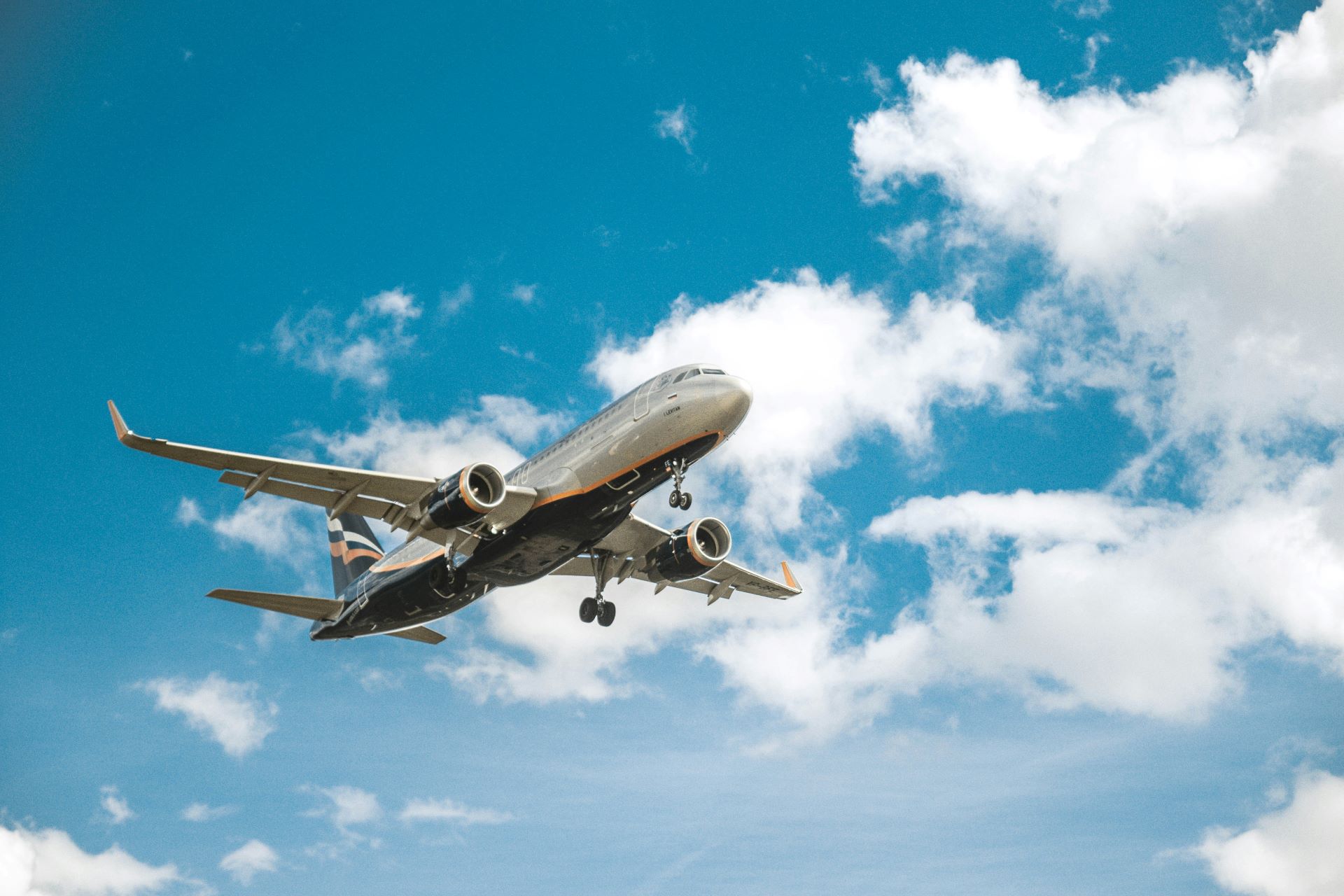
Carnival in Rio: An All-Access Pass to Samba
Few celebrations epitomize the spirit of cultural tourism like Rio de Janeiro’s Carnival. Every year, millions flock to the city to witness a spectacle of colour, music, and rhythm that transforms the streets into a pulsating canvas of human creativity. Airlines, recognising the event’s global allure, have positioned themselves as the first step in the immersive Carnival experience.
Travel packages to Rio often include more than just airfare. Premium carriers offer options that combine flights with pre-arranged hotel stays in prime locations, ensuring guests are within walking distance of samba parades and street parties. Some airlines have partnered with local tour operators to provide behind-the-scenes access to samba schools, giving visitors a rare glimpse into the meticulous choreography, costume-making, and rehearsal sessions that culminate in the grand parade.
Marketing campaigns for Carnival frequently leverage immersive media, using vibrant visuals, evocative music, and social storytelling to convey the festival’s intensity. Airlines craft narratives that promise not just a trip to Rio, but an entry into a living tapestry of cultural heritage. For tourists, this approach removes the barriers of planning and logistics, allowing them to focus entirely on experiencing the festival as insiders rather than spectators.
Oktoberfest: Engineering the Perfect Cultural Pilgrimage
Thousands of travellers from around the globe converge on Munich each year for Oktoberfest, drawn by the promise of beer, brass bands, and Bavarian hospitality. Airlines targeting this market have honed their strategies to cater to both logistical convenience and cultural authenticity.
The appeal lies in creating turnkey experiences. Flights are often bundled with accommodations in traditional Bavarian-style hotels, guided beer hall tours, and festival seating arrangements, ensuring that travellers enjoy every aspect of Oktoberfest without navigating the complexities of local bookings. Carriers also collaborate with local breweries and event organisers to offer exclusive tastings and behind-the-scenes tours, providing a richer and more intimate perspective on the festival.
Airlines’ promotional campaigns frequently focus on the social aspect of the festival. Digital media and in-flight entertainment may include documentaries, festival guides, and curated playlists that immerse passengers in Bavarian culture before they even land. By the time travellers step off the plane, they are not merely tourists—they are participants primed for a cultural adventure.
The Durban July: South Africa’s Equine Extravaganza
Cultural tourism extends beyond international borders, and airlines in the Southern Hemisphere have tapped into the appeal of national celebrations. The Durban July, South Africa’s premier horse racing event, exemplifies how aviation can catalyse domestic and regional tourism.
The event attracts a blend of fashionistas, socialites, and racing enthusiasts, creating a diverse audience that airlines can target with precision. Special travel packages include flights to Durban, luxury hotel accommodations, and VIP access to the racecourse. Airlines often partner with local tour operators, offering curated experiences such as guided city tours, dining experiences at renowned restaurants, and even behind-the-scenes stables visits, creating a holistic journey that extends beyond the racetrack.
Marketing campaigns emphasise exclusivity and lifestyle, highlighting the event as a confluence of sport, fashion, and culture. Social media plays a crucial role, with airlines encouraging travellers to share their experiences through photo contests, live updates, and branded hashtags. This user-generated content amplifies the festival’s visibility while reinforcing the airline’s role as a facilitator of unforgettable experiences.
Airline-Hospitality Collaboration: Crafting Seamless Journeys
The success of festival-oriented cultural tourism hinges on strategic partnerships between airlines and the local hospitality industry. Hotels, resorts, and event organisers work in tandem with carriers to create comprehensive travel experiences that extend well beyond the airport.
These collaborations often result in bundled packages, which can include curated itineraries, private transfers, and exclusive access to events. Luxury airlines may offer first-class packages that include personal concierge services, early access to festival venues, and bespoke cultural experiences. For mid-tier and budget travellers, airlines provide affordable packages with carefully selected accommodations and guided tours, ensuring that cultural immersion is accessible to a wider audience.
By coordinating logistics, airlines eliminate common pain points for travellers, such as securing tickets to sold-out events or navigating unfamiliar city streets. This seamless integration of air travel, accommodation, and festival participation enhances the overall tourist experience, reinforcing the airline’s brand as a facilitator of adventure and cultural enrichment.
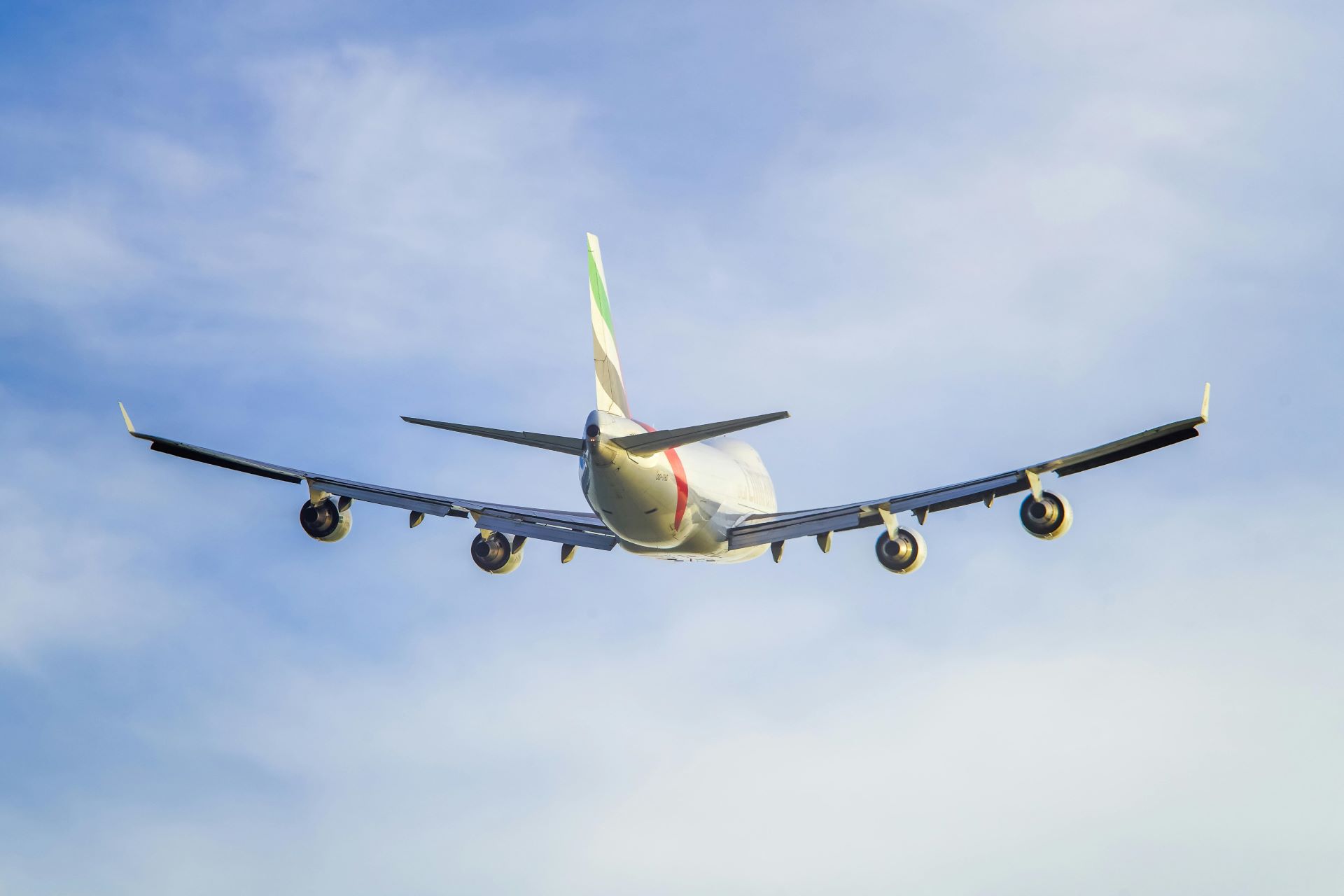
Digital Storytelling and Experiential Marketing
Airlines have become adept storytellers, leveraging digital media to entice travellers long before they board the aircraft. Campaigns promoting festival travel often feature immersive content, from interactive itineraries to virtual reality previews of events. Prospective travellers can explore Rio’s parade routes, virtually sample Oktoberfest beers, or witness the glamour of the Durban July, creating anticipation and emotional engagement.
In-flight entertainment is also increasingly tailored to the destination, offering documentaries, cultural briefings, and language tips that enrich the traveller’s understanding of the festival. Social media campaigns encourage user participation, inviting passengers to share experiences, engage with airline hashtags, and participate in contests that may enhance their journey with upgrades or exclusive experiences.
This fusion of digital marketing and experiential design transforms the airline’s role from a mere transporter to an active participant in cultural exchange, making travel not just a means of arrival but an integral part of the festival itself.
Economic Impact and Tourism Growth
Festival-oriented air travel generates tangible economic benefits for both airlines and local economies. Increased passenger volumes during peak festival periods boost ticket sales and ancillary revenues, while partnerships with hotels, restaurants, and local operators stimulate regional tourism.
Cities hosting major festivals see surges in occupancy rates, restaurant bookings, and retail sales, creating a multiplier effect that reverberates through local communities. Airlines play a crucial role in sustaining this ecosystem, ensuring accessibility for international visitors and promoting the city’s cultural offerings on a global stage.
By positioning themselves as cultural facilitators, airlines are able to diversify revenue streams and enhance brand loyalty. Travellers associate the airline with unique, memorable experiences, increasing the likelihood of repeat bookings and long-term engagement.
Challenges and Considerations
Despite the many benefits, festival-focused travel requires careful management. Airlines must navigate fluctuating demand, limited event capacities, and logistical complexities associated with large gatherings. Weather conditions, local regulations, and political factors can also impact the feasibility of festival-oriented packages.
Moreover, cultural sensitivity is paramount. Airlines must respect local traditions, avoid commodifying cultural practices, and ensure that tourism supports rather than undermines the communities hosting these events. Partnerships with local authorities and community organisations are essential in striking this balance, fostering sustainable tourism that enriches both visitors and residents.
Looking Ahead: The Future of Festival Travel
As global connectivity improves and travellers seek increasingly immersive experiences, airlines are likely to deepen their involvement in cultural tourism. Emerging technologies such as artificial intelligence, augmented reality, and personalised travel platforms will enable carriers to craft ever more tailored festival packages, predicting preferences, and curating experiences down to the smallest detail.
Sustainability will also shape the sector’s evolution. Airlines are exploring carbon offset programs, eco-friendly travel packages, and partnerships with local communities to ensure that festival tourism grows responsibly. The fusion of cultural enrichment and environmental stewardship will define the next generation of festival travel, appealing to discerning travellers who value authenticity and impact alongside convenience and comfort.

Airlines as Cultural Gatekeepers
Airlines have transcended their traditional role as mere transporters, emerging as vital intermediaries between travellers and the world’s most iconic festivals. By leveraging strategic partnerships, immersive marketing, and bespoke travel packages, they shape not only the journey but the experience itself, guiding tourists into the heart of culture and celebration.
From Rio Carnival to Oktoberfest, from the Durban July to countless other local and global festivals, airlines are transforming travel into a conduit for cultural discovery. They enable tourists to move seamlessly between cities, events, and experiences, while supporting local economies and fostering sustainable tourism practices.
Ultimately, the airline is no longer just a means to an end—it is the beginning of a cultural journey, an invitation to witness, participate, and celebrate the rich tapestry of human expression. For those who answer the call, the world’s festivals await, vibrant and alive, just a flight away.
Gerald Ferreira
Our travel editorial desk specializes in uncovering the best flight deals and destination insights within South Africa. We bring you first-hand updates on airline industry moves and budget travel hacks.
Stay Informed, Stay
Ahead of the Curve
We don't just follow the headlines — we dive deeper. Our well-researched content is designed to empower you with the knowledge needed to navigate an industry shaped by innovation.
Seasoned Professionals
Industry stats and market performance metrics.