Confirm how your sports equipment will travel before buying the passenger ticket. A bicycle, golf bag or other large item can affect airline acceptance, packing, airport reporting and onward transport. A flight that suits you is not automatically a workable flight for the equipment you need.
Begin with the packed item and the complete route. Ask the relevant airline about the actual equipment, dimensions, weight and handling requirements. Keep current provider information with the booking plan rather than relying on a friend's experience with a different carrier or an old fee table.
Describe the item precisely
Tell the airline what you intend to carry, not just that you have a sports bag. Identify the equipment and any unusual components that may require separate review.
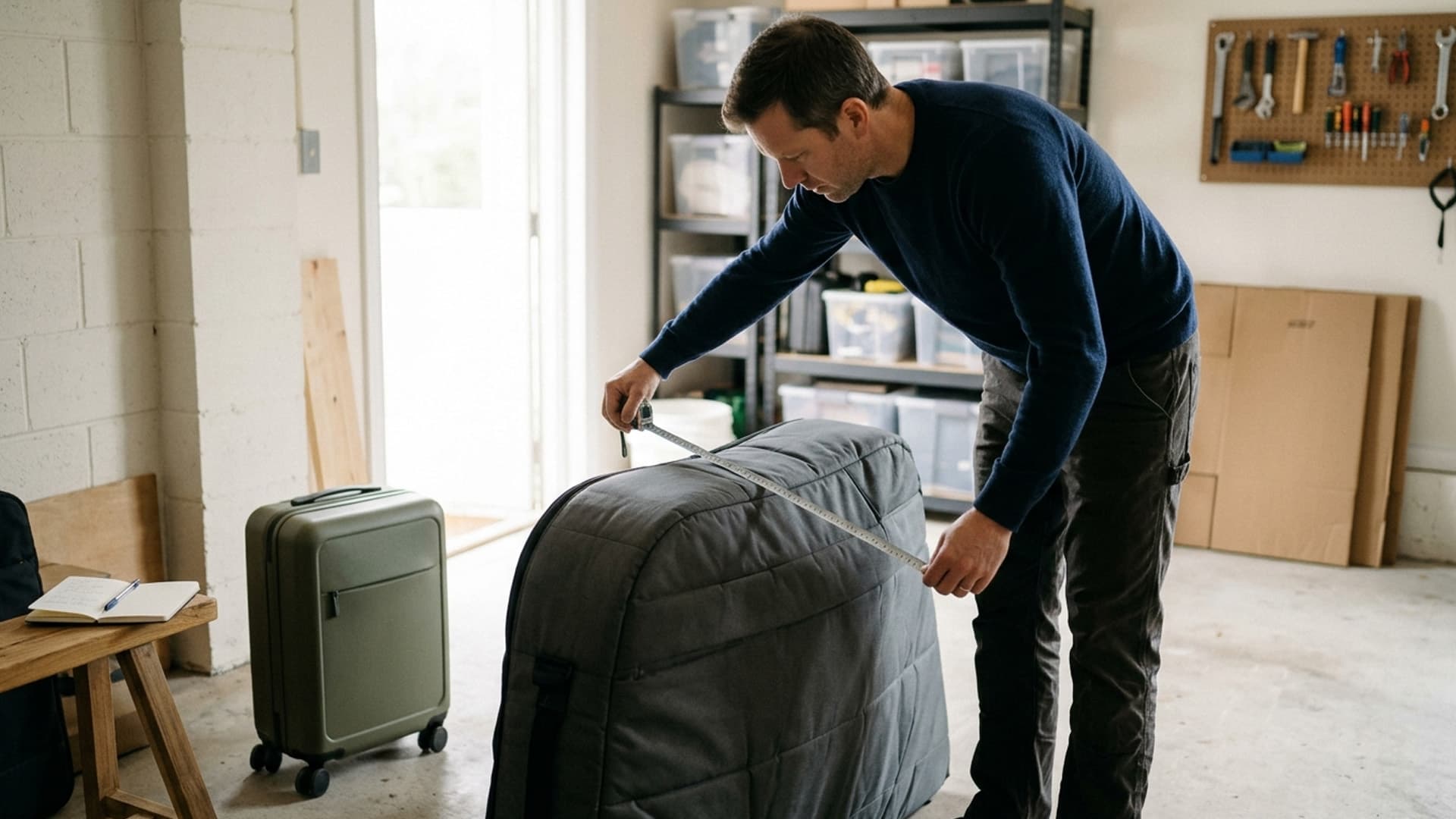
Measure and weigh the item in its intended travel packaging. The dimensions of the unpacked bicycle or the manufacturer's description of a case may not be enough. Include attachments and the packed shape you will actually present.
Keep this information together so you can ask consistent questions across the route. If you change the case or add equipment later, recheck whether the original advice still applies. Acceptance should be based on the final packed item rather than an optimistic estimate.
Check the operating airline for every flight
Identify who operates each part of the journey. Do not assume that one airline's approval covers a partner flight, another aircraft type or a separately booked sector.
Ask whether the equipment can be accepted on the planned service and whether advance notification or reservation is required. Clarify what confirmation you should retain. Paying for baggage and obtaining any necessary approval may be separate steps.
For a connecting journey, confirm the handling arrangement instead of assuming the equipment will automatically follow the same process as an ordinary suitcase. If something remains unclear, resolve it before choosing an itinerary with little room to deal with additional handling.
Use current carrier guidance, not a universal allowance
Airlines publish their own equipment rules, which can change. FlySafair's sports equipment guidance, for example, describes charges and item-specific requirements. Treat it as that carrier's guidance rather than a general allowance for South African flights.
Check specialised advice for the actual item as well. A general sports page and a more specific bicycle guide may contain different levels of detail. If published instructions appear inconsistent, ask the airline which requirements apply to your booking.
This guide deliberately does not prescribe a universal size, weight or fee. Confirm the current terms for the selected flight and retain the relevant advice. A number copied from an older article is not a reliable basis for presenting oversized equipment at the airport.
Compare taking the item with arranging an alternative
Depending on the trip, you may be able to hire equipment at the destination or use a specialist transport service. Compare the practical implications rather than assuming one approach is always cheaper or better.
If hiring, verify the actual availability, size or specification you require and the collection arrangement. A generic statement that rentals are available does not guarantee the right equipment for your activity.
If considering separate transport, ask about timing, packaging, tracking and collection. Do not assume it will arrive with your passenger flight. Choose an approach that supports the event or activity, and understand what happens if the equipment is unavailable when expected.
Pack according to the relevant requirements
Use the airline's current instructions and appropriate manufacturer or specialist guidance. Do not improvise technical disassembly or protection steps from a generic travel checklist.
Confirm what may be placed in the equipment case. Spare batteries, tools, compressed-gas items or other accessories can raise separate carriage questions. Disclose them to the carrier and follow its instructions rather than assuming they are accepted because they are associated with sport.
Have the packed arrangement reviewed by a qualified specialist where necessary. The purpose is to transport the equipment appropriately, not to attempt unfamiliar mechanical work just before departure. Keep sufficient time to correct a packing problem before leaving for the airport.
Include the equipment in your ground transport plan
Tell the driver or transport company about the packed dimensions and passenger group. A vehicle that holds several ordinary suitcases may not accommodate a long case or rigid box.
Check both departure and arrival transport. It is easy to organise a suitable vehicle at home and overlook the journey from the destination airport. Consider storage during the stay as well, particularly if the case is larger than the equipment when assembled.
For onward public transport, verify the operator's own luggage rules. Airline acceptance does not establish acceptance on a shuttle, train or coach. Each stage needs to work with the actual packed item.
Plan airport handling before the day
Ask where to report, what time is required and whether the equipment uses a separate acceptance process. Allow for the steps the airline specifies rather than treating the passenger's ordinary check-in deadline as the only relevant time.
Arrange help if the case is awkward to move. Do not assume a trolley will suit every shape or that another traveller can manage it alongside their own bags. Think through the route from vehicle to counter and from collection to onward transport.
Keep booking details and any relevant approval readily accessible. Present a clear description of the item if staff need to verify the arrangement. Avoid relying on an undocumented verbal conversation that nobody can identify.
Prepare for collection and inspection
Follow destination instructions for where unusual baggage is delivered. It may not appear alongside ordinary suitcases, so check the available information rather than leaving after a quick look at one belt.
Inspect the case and equipment appropriately on collection. If there is a problem, contact the airline or handling agent promptly and follow its reporting procedure. Keep relevant records without assuming that a particular remedy is guaranteed.
Consider what the trip would look like if the equipment were delayed. An alternative rental or revised activity plan may be worth investigating beforehand. This is contingency planning, not a prediction that the airline will mishandle the item.
Read protection terms instead of assuming coverage
If you are considering insurance or optional cover, read the actual wording for sports equipment, value limits, exclusions and reporting requirements. Ask the provider about uncertainty rather than treating the presence of a policy as complete protection.
The equipment's purchase price, replacement cost and any applicable claim limit may not be the same figure. Do not infer coverage from a short marketing description.
This is a prompt to check the arrangement, not insurance advice. Use the insurer or a qualified adviser for guidance on the policy and your circumstances. Keep the documents you are instructed to retain in a secure and accessible place.
Remember the journey home
Check whether your packaging can be used again and where it will be stored during the trip. If an event organiser handles return packing or transport, confirm the actual service and deadlines.
Recheck return-flight requirements if the route or operating airline differs. Do not assume an outbound acceptance decision answers every question for the return journey.
Once the equipment plan is workable, use the Cheap Flight search to compare suitable passenger options. For existing booking queries, follow the provider route on the contact page.
The most useful sports-travel saving is one that preserves the purpose of the journey. Checking acceptance, packaging and transport before purchase helps ensure the flight and the equipment plan belong to the same trip.
Elisha Roodt
Our travel editorial desk specializes in uncovering the best flight deals and destination insights within South Africa. We bring you first-hand updates on airline industry moves and budget travel hacks.
More From Travel Tips

Check Passenger Details Before Paying for Flights
Check passenger names, travel documents, contact details and each traveller in the booking before payment, so avoidable typing errors are caught early.

How to Find Cheap Flights in South Africa
Learn how booking windows, timing strategies, and fare trends can help South Africans consistently find cheaper domestic and international flights.

Scenic Flight Tourism: Routes That Are Destinations
Explore how scenic flight routes turn commercial aviation into tourism experiences across mountains, coastlines and sunsets.
Stay Informed, Stay
Ahead of the Curve
We don't just follow the headlines — we dive deeper. Our well-researched content is designed to empower you with the knowledge needed to navigate an industry shaped by innovation.
Seasoned Professionals
Industry stats and market performance metrics.