
As global awareness around climate change grows, airlines are under increasing pressure to cater to environmentally conscious tourists. Travelers now seek more than just convenience and comfort—they expect airlines to demonstrate a tangible commitment to sustainability. This shift in consumer expectation is reshaping strategies across the commercial airline tourism sector, driving investments in carbon reduction, innovative aircraft technologies, and green marketing initiatives.
Carbon Offsets: Turning Flights Greener
One of the most visible responses to eco-conscious travelers is the rise of carbon offset programs. Airlines allow passengers to compensate for the emissions generated by their flights by investing in renewable energy projects, forest conservation, and other environmental initiatives. While some critics argue that offsets do not replace systemic changes in aviation emissions, they serve as an accessible entry point for travelers looking to reduce their environmental footprint. Airlines now integrate offset options directly into booking processes, making sustainability a seamless part of the travel experience.
Airlines like KLM and Delta have expanded these programs, giving passengers clear metrics on their offset contributions. By linking offsets to specific environmental projects, airlines provide a sense of accountability and transparency, appealing to a growing demographic of travelers who weigh the ecological impact of their choices. Beyond the immediate benefit of reduced emissions, carbon offsets are also a powerful marketing tool, signaling corporate responsibility in a competitive market.
Fuel-Efficient Aircraft: Redesigning the Skies
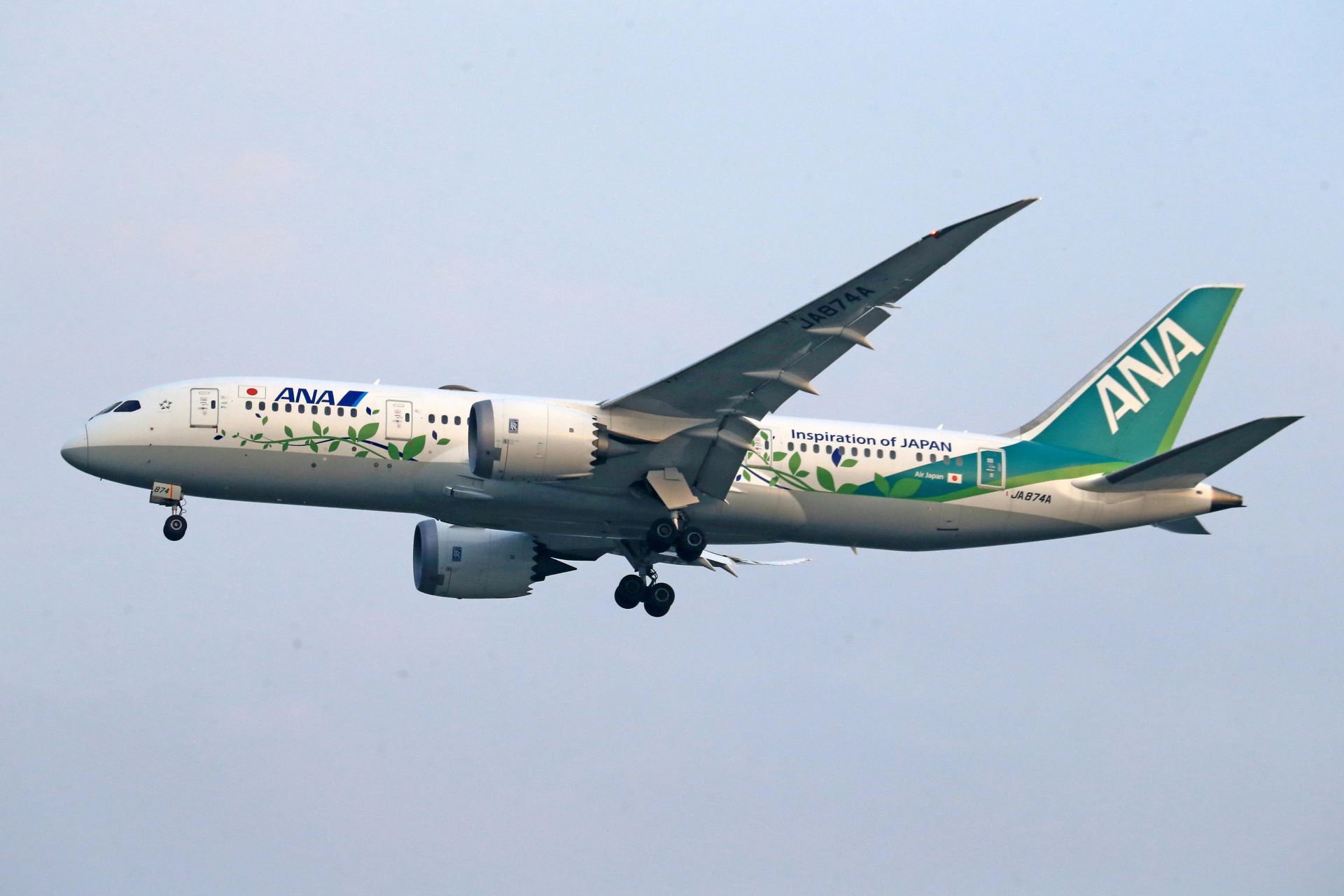
Technology is another critical frontier in airline sustainability. Airlines are investing in next-generation aircraft that consume less fuel and produce fewer emissions per passenger kilometer. New models feature lighter materials, optimized aerodynamics, and more efficient engines, significantly reducing carbon footprints. For instance, Airbus’s A320neo and Boeing’s 737 MAX families are designed with fuel efficiency improvements that exceed 15% over previous generations, while innovations in sustainable aviation fuel (SAF) are enabling flights with a smaller environmental impact.
Airlines also optimize flight routes and implement advanced air traffic management systems to reduce fuel burn. These operational improvements, combined with modern fleets, allow carriers to advertise tangible sustainability credentials. Travelers increasingly consider these factors when choosing airlines, with many willing to pay a premium for flights that contribute to reduced emissions.
Green Marketing: Communicating Commitment
Even as airlines adopt eco-friendly practices, communicating these initiatives effectively is essential. Green marketing strategies focus on educating passengers about sustainable travel options and highlighting measurable progress. Airlines leverage social media campaigns, loyalty programs, and in-flight messaging to promote carbon-conscious choices, often pairing educational content with opportunities for passenger participation, such as choosing offset programs or supporting conservation projects.
Transparency is key in green marketing. Passengers respond positively when airlines provide clear data on emissions reductions, energy-saving measures, and sustainable supply chains. Marketing campaigns that emphasize authentic action rather than superficial “greenwashing” resonate best with eco-conscious travelers, who increasingly scrutinize corporate claims before making purchasing decisions.

The Role of Policy and Partnerships
Airline sustainability efforts are also shaped by global policy trends and industry partnerships. International organizations like the International Air Transport Association (IATA) promote standards for sustainable aviation, including carbon-neutral growth goals and the use of SAF. Airlines collaborate with airports, fuel suppliers, and environmental organizations to advance green initiatives, from renewable energy-powered ground operations to zero-waste cabin programs.
Such partnerships reinforce credibility and demonstrate commitment beyond marketing rhetoric. They also enable airlines to share best practices, accelerate innovation, and collectively address challenges like carbon-intensive long-haul flights. For travelers, these collaborations signal that sustainability is a core part of airline operations rather than a peripheral concern.
Challenges and Opportunities
While progress is evident, airlines face structural and financial challenges in achieving full sustainability. Fuel-efficient aircraft and SAF are costly, and offset programs, while popular, cannot fully mitigate aviation emissions. However, the shift toward eco-conscious tourism presents significant opportunities for differentiation. Airlines that invest early in technology, transparency, and customer education position themselves as leaders in a market increasingly driven by environmental values.
Sustainability in airline tourism is not just about compliance or image—it is a strategic response to changing consumer behavior. Travelers now weigh ecological impact alongside price and convenience, making green initiatives a competitive advantage. By integrating carbon offsets, fuel-efficient fleets, and transparent marketing, airlines are redefining what it means to offer responsible travel in the 21st century.

Looking Ahead
As climate awareness continues to influence travel decisions, the momentum toward sustainable aviation is likely to accelerate. Airlines will need to innovate constantly, leveraging new technologies, fuels, and operational efficiencies while keeping passenger engagement at the forefront. The future of commercial airline tourism lies in balancing convenience with conscience, ensuring that eco-conscious travelers can explore the world responsibly without compromising the joy of travel.
For the airline industry, embracing sustainability is not merely a trend—it is a necessity, shaping the next era of aviation and redefining how tourists experience the globe.
Gerald Ferreira
Our travel editorial desk specializes in uncovering the best flight deals and destination insights within South Africa. We bring you first-hand updates on airline industry moves and budget travel hacks.
More From Travel Industry
Why Airlines Care About Your Connection Time Windows
Airlines treat connection times as precision timing tools that drive network efficiency, schedule flow, and global hub synchronization.

How Flight Routes Drive Tourism Growth and Regional Prosperity
Discover how airline routes influence global tourism, boost regional economies, and improve destination accessibility worldwide.

The Evolution of Airport Security Technology in Air Travel
Discover how airport security technology has evolved from manual inspections to advanced scanners that safeguard global airline tourism today.
Stay Informed, Stay
Ahead of the Curve
We don't just follow the headlines — we dive deeper. Our well-researched content is designed to empower you with the knowledge needed to navigate an industry shaped by innovation.
Seasoned Professionals
Industry stats and market performance metrics.