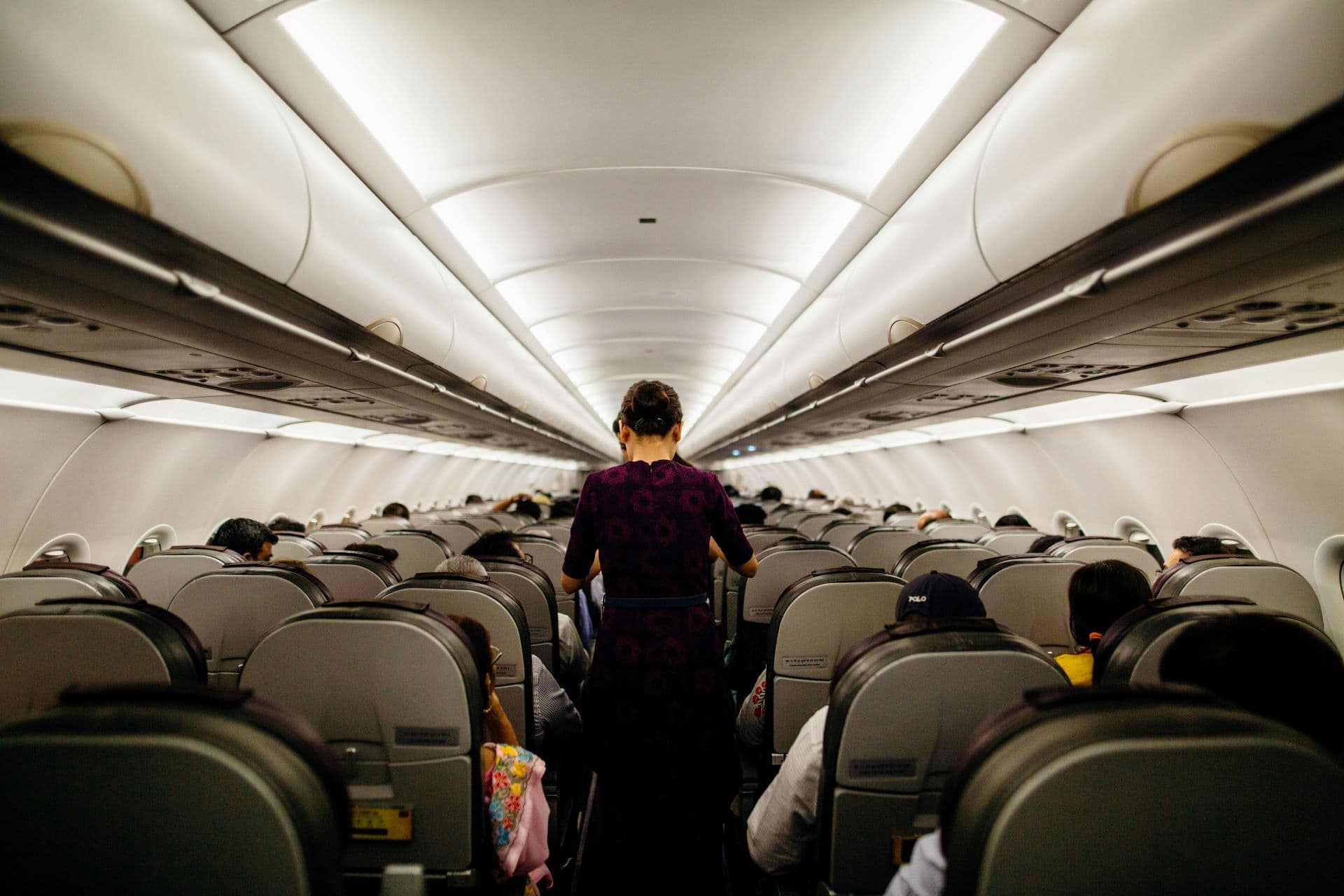
The travel experience has evolved dramatically over the past decade. For tourists, flying is no longer merely about getting from point A to point B; it’s about the journey itself. Technological advancements on commercial flights are transforming this journey—ushering in a new era of comfort, connectivity, and convenience that elevates the entire tourist experience from the moment of check-in to touchdown at a destination. This article explores the latest tech innovations revolutionizing commercial aviation and the way tourists engage with air travel today.
Reimagining the Airport Experience: The Digital Gateway
Before boarding the aircraft, the airport environment has witnessed an extensive tech makeover aimed at streamlining passenger flow and enhancing comfort. From biometric verification to smart baggage handling, technology is reshaping the very first impression travelers have of their journey.
Facial recognition systems have moved from pilot programs to widespread implementation, allowing seamless identity verification at check-in, security checkpoints, and boarding gates. This not only expedites processes but also adds an extra layer of security. For tourists juggling luggage, flights, and schedules, the reduction in manual checks means less stress and more time to enjoy airport lounges or grab a meal.
Simultaneously, smart baggage tracking integrated with mobile apps provides real-time updates on luggage location. Travelers can monitor their bags from drop-off to carousel, alleviating one of the most common travel anxieties—lost luggage.
Airports themselves have embraced the Internet of Things (IoT), using sensors and data analytics to manage crowd flow, optimize cleaning schedules, and even tailor retail and dining recommendations based on passenger profiles. This personalization enhances the pre-flight experience, setting a positive tone for the journey ahead.
Connected Cabins: Wi-Fi and Beyond
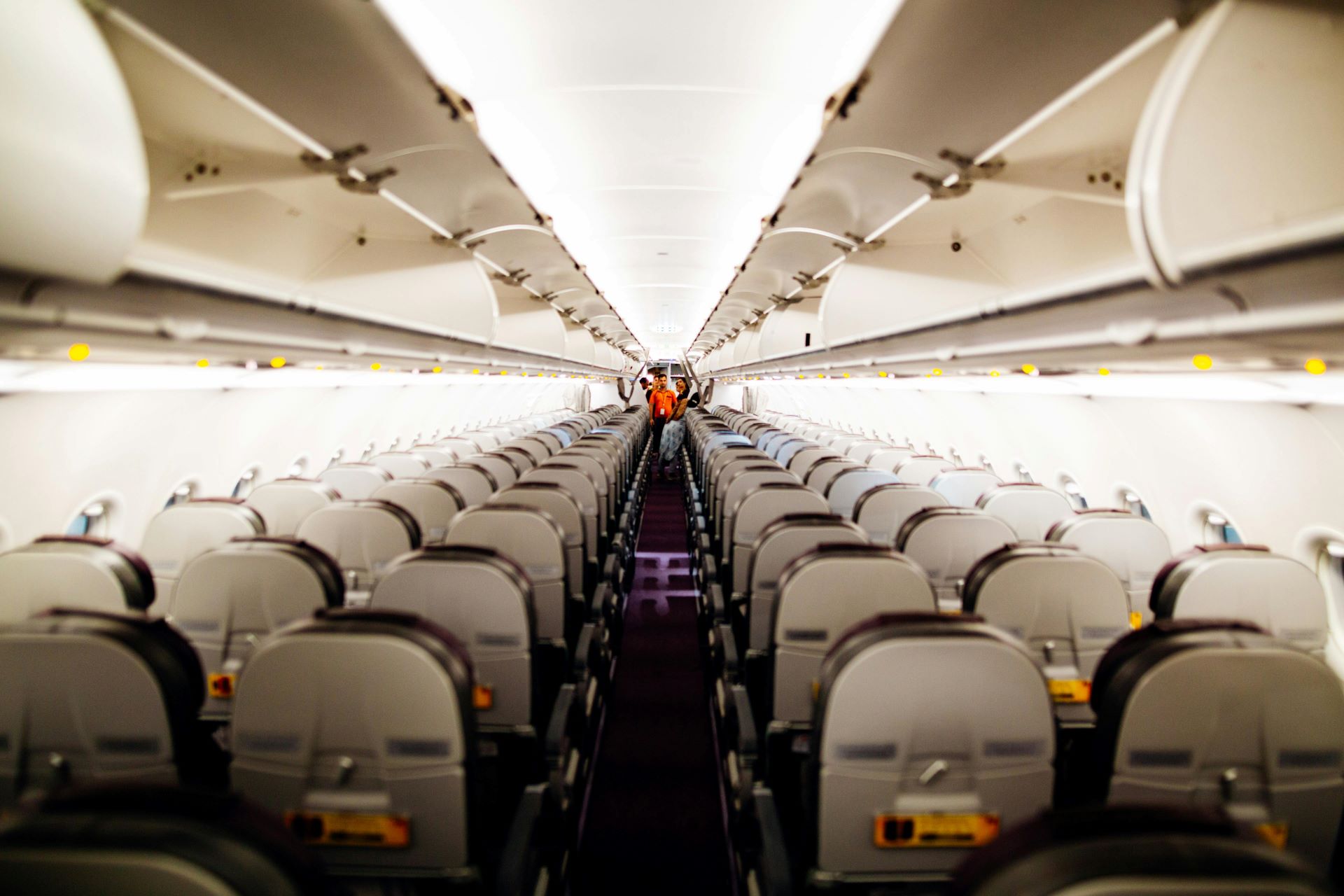
The modern traveler expects to remain connected, even at 35,000 feet. Commercial airlines have invested heavily in inflight connectivity technologies, ensuring tourists can work, stream entertainment, and communicate as easily as they would on the ground.
Satellite-based high-speed internet access has become the industry standard, with many carriers now offering gigabit-speed Wi-Fi onboard. This connectivity supports not only personal use but also advanced flight operations like real-time weather updates and dynamic route adjustments, which enhance safety and efficiency.
Moreover, inflight entertainment (IFE) systems have evolved from fixed screens to bring-your-own-device models. Passengers can access curated content—movies, music, games, and destination guides—directly from their smartphones or tablets, often tailored to their interests or travel itinerary. Some airlines have taken this further by integrating augmented reality (AR) experiences, allowing tourists to virtually explore landmarks and cultural highlights of their destination during the flight.
Comfort Through Innovation: Cabin Design and Environmental Control
Tourist comfort during the flight is paramount, and technological innovation is pivotal in achieving this. Aircraft cabins have seen a surge in ergonomic seating designs that incorporate memory foam cushions, adjustable lumbar support, and modular configurations that cater to solo travelers, couples, or families.
Lighting technology has transformed cabins into more hospitable environments. Dynamic LED lighting systems mimic natural daylight cycles, helping to reduce jet lag and improve passenger well-being. This circadian lighting adapts throughout the flight—from bright, energizing tones during meal service to calming hues for rest periods.
Environmental controls have also become highly sophisticated. Advanced air filtration systems use HEPA filters that remove 99.97% of airborne particles, ensuring a cleaner cabin environment—a feature increasingly valued in the post-pandemic world. Temperature and humidity controls have been refined to maintain optimal comfort levels, addressing common complaints of dry, stale air.

Sustainable Skies: Green Technologies Changing the Flight Experience
Sustainability is no longer a niche concern; it’s a core consideration shaping the future of commercial aviation. Tourists today are increasingly eco-conscious, and airlines are responding with technological innovations that reduce environmental impact without compromising the travel experience.
Hybrid and electric propulsion systems, while still emerging, promise quieter, more fuel-efficient flights in the near future. Meanwhile, biofuels and synthetic fuels derived from renewable sources are being tested to replace conventional jet fuel, reducing carbon footprints significantly.
Onboard, waste reduction technologies are gaining traction. Innovations include smart waste sorting bins and reusable serviceware designed to minimize single-use plastics. Furthermore, some airlines have incorporated carbon offsetting options directly into the booking and inflight purchasing process, allowing tourists to travel more responsibly.
The Future of Flight: Artificial Intelligence and Automation
Artificial intelligence (AI) is quietly revolutionizing many aspects of commercial flights. From predictive maintenance that prevents mechanical failures before they occur, to AI-powered chatbots providing real-time customer service, this technology enhances reliability and passenger satisfaction.
Automation also extends to inflight service. AI-enabled robots are being tested to assist cabin crew with routine tasks, allowing human staff to focus on personalized passenger care. Additionally, AI systems analyze passenger data to customize service offerings, such as meal preferences or entertainment suggestions, enhancing the feeling of bespoke hospitality.
Looking ahead, the concept of autonomous flight—though still distant—promises to redefine air travel altogether, potentially lowering costs and opening new opportunities for seamless tourist journeys.
A Journey Transformed
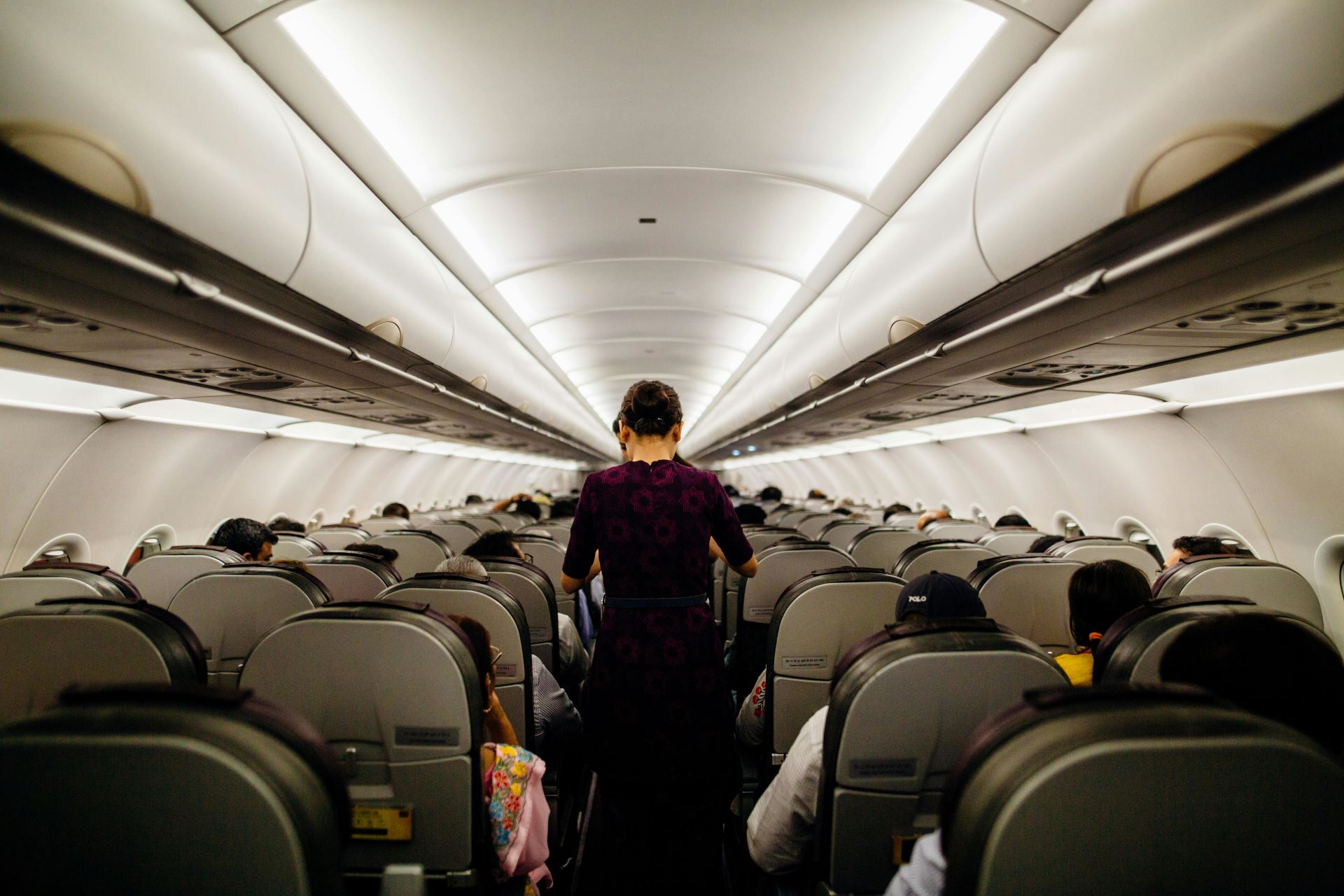
The integration of technology into commercial flights has transformed air travel from a necessary inconvenience into an integral part of the tourism experience. For tourists, innovations in connectivity, comfort, sustainability, and automation are not just conveniences—they enrich the journey, making it more enjoyable, efficient, and responsible.
As airlines continue to invest in cutting-edge solutions, the future of flying promises to be more immersive, personalized, and environmentally conscious. From the airport to the skies, technology is redefining what it means to travel, ensuring that every takeoff and landing is just the beginning of an unforgettable adventure.
Gerald Ferreira
Our travel editorial desk specializes in uncovering the best flight deals and destination insights within South Africa. We bring you first-hand updates on airline industry moves and budget travel hacks.
More From Cheap Flights

Set a Flight Search Window Around Your Leave Dates
Turn approved leave and fixed commitments into a useful flight search window, then compare workable date combinations without sacrificing the trip itself.

The Corridor Between Ordinary Life and Extraordinary Places
Exploring how commercial flights act as psychological transitions, shifting travellers from daily routine into a mindset of discovery.
Future of Sustainable Aviation Fuel Explained
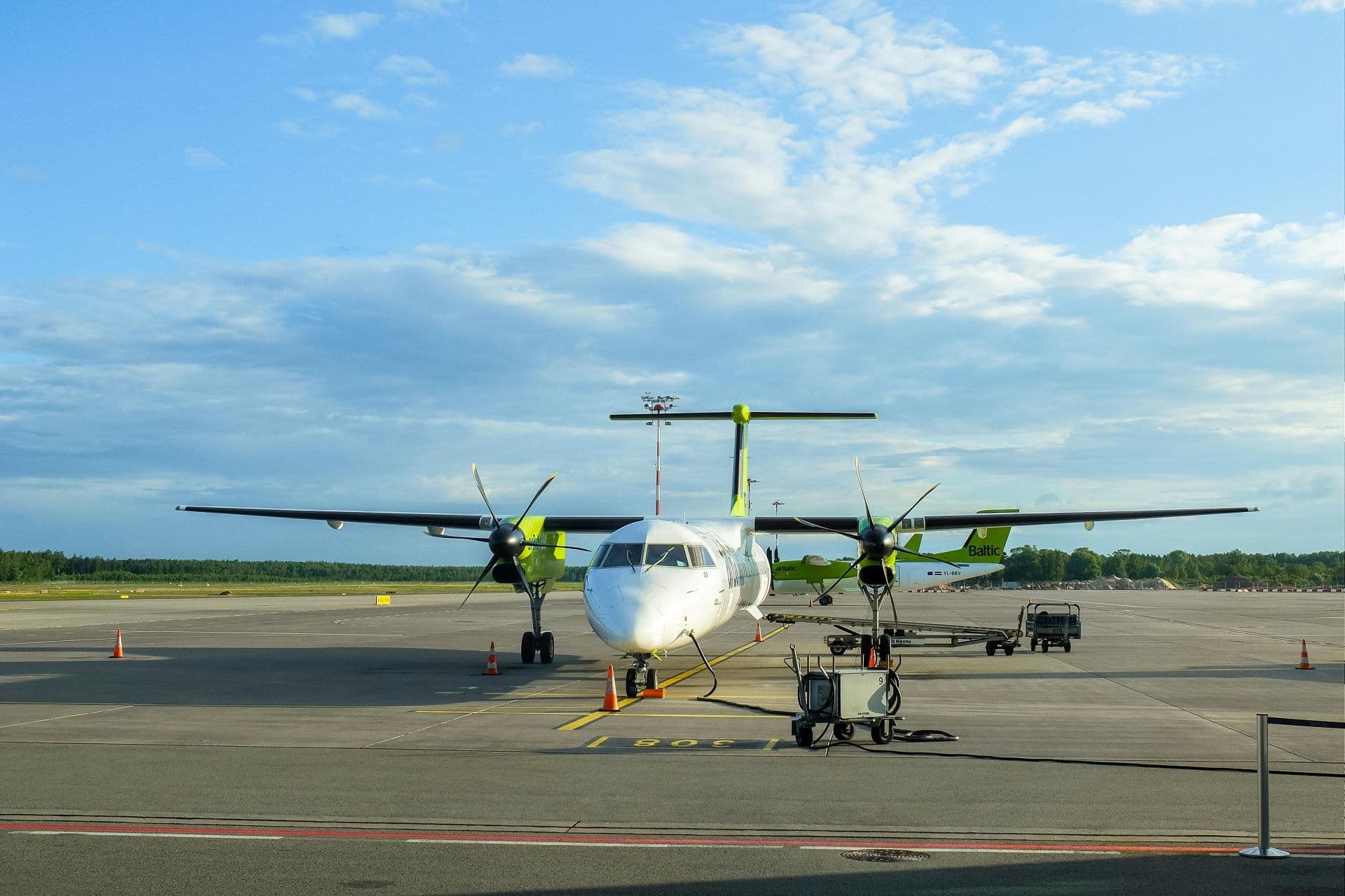
Airlines are investing in sustainable aviation fuel, but scalability and cost remain major challenges for tourism and global flight networks.
Stay Informed, Stay
Ahead of the Curve
We don't just follow the headlines — we dive deeper. Our well-researched content is designed to empower you with the knowledge needed to navigate an industry shaped by innovation.
Seasoned Professionals
Industry stats and market performance metrics.