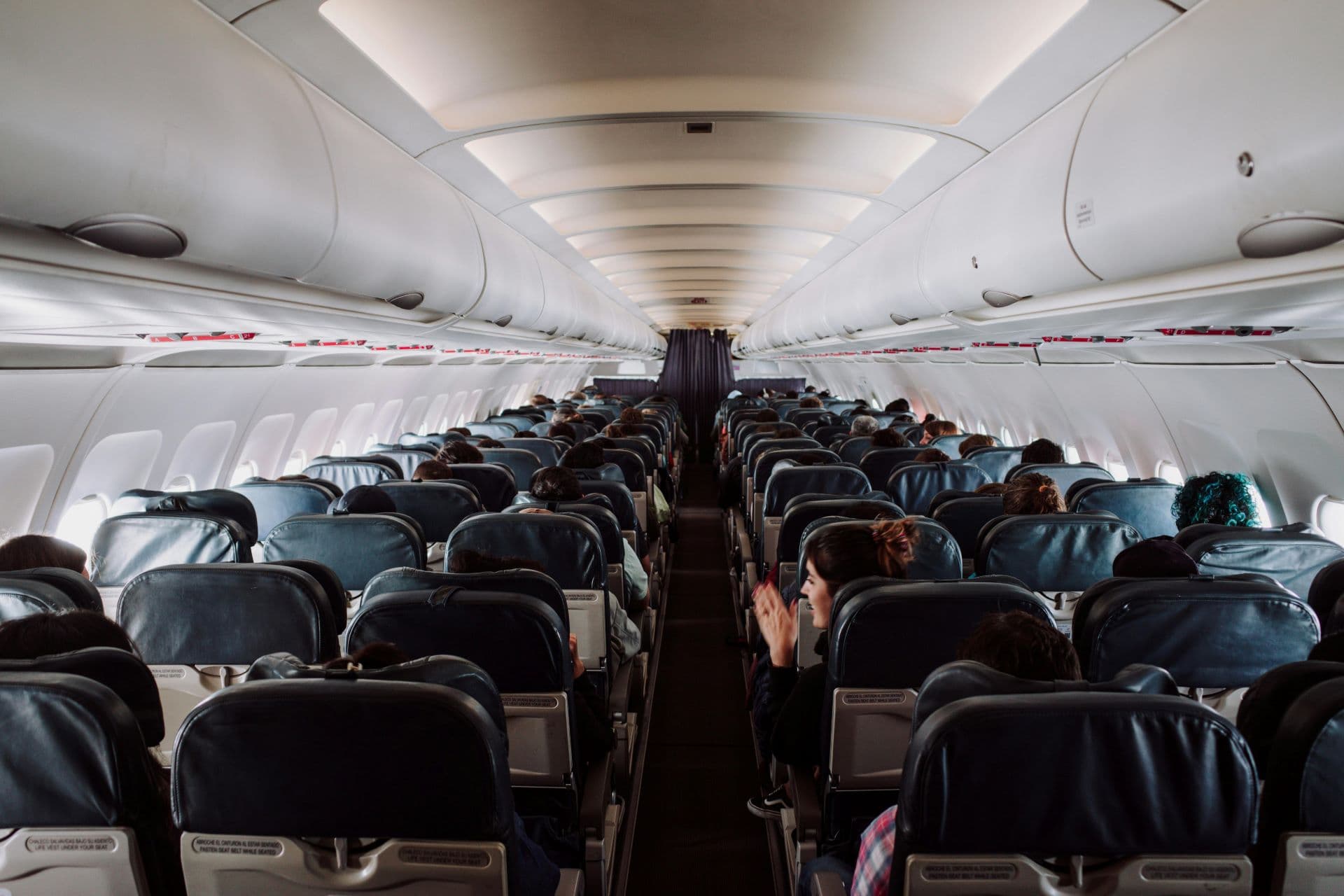
A short flight should be simple. Board the aircraft, survive the queue for overhead luggage space, stare blankly out the window for 90 minutes while contemplating every life decision since Grade 9, and land. Yet one surprisingly emotional decision happens long before the aircraft leaves the ground: choosing a seat.
For South African travellers flying between Johannesburg, Cape Town, Durban, Gqeberha or other domestic destinations, seat selection has quietly evolved into a fascinating study in behavioural economics, social psychology and modern travel habits. The difference between choosing a window seat or an aisle seat is no longer just about comfort. It reflects personality, perceived control, anxiety levels, social boundaries, travel experience and even status.
Airlines understand this extremely well. That is why many carriers now monetise seat selection so aggressively. What appears to be a simple digital seating chart is actually a carefully engineered behavioural system designed to influence passenger decisions. Every empty seat becomes a tiny psychological battlefield.
On South Africa’s busy short-haul routes, where flights often last under two hours, travellers still display remarkably strong seating preferences. Even when the flight duration barely allows enough time to finish a bottle of water and a packet of peanuts, passengers behave as though their chosen seat could define the entire journey.
And in many ways, it does.
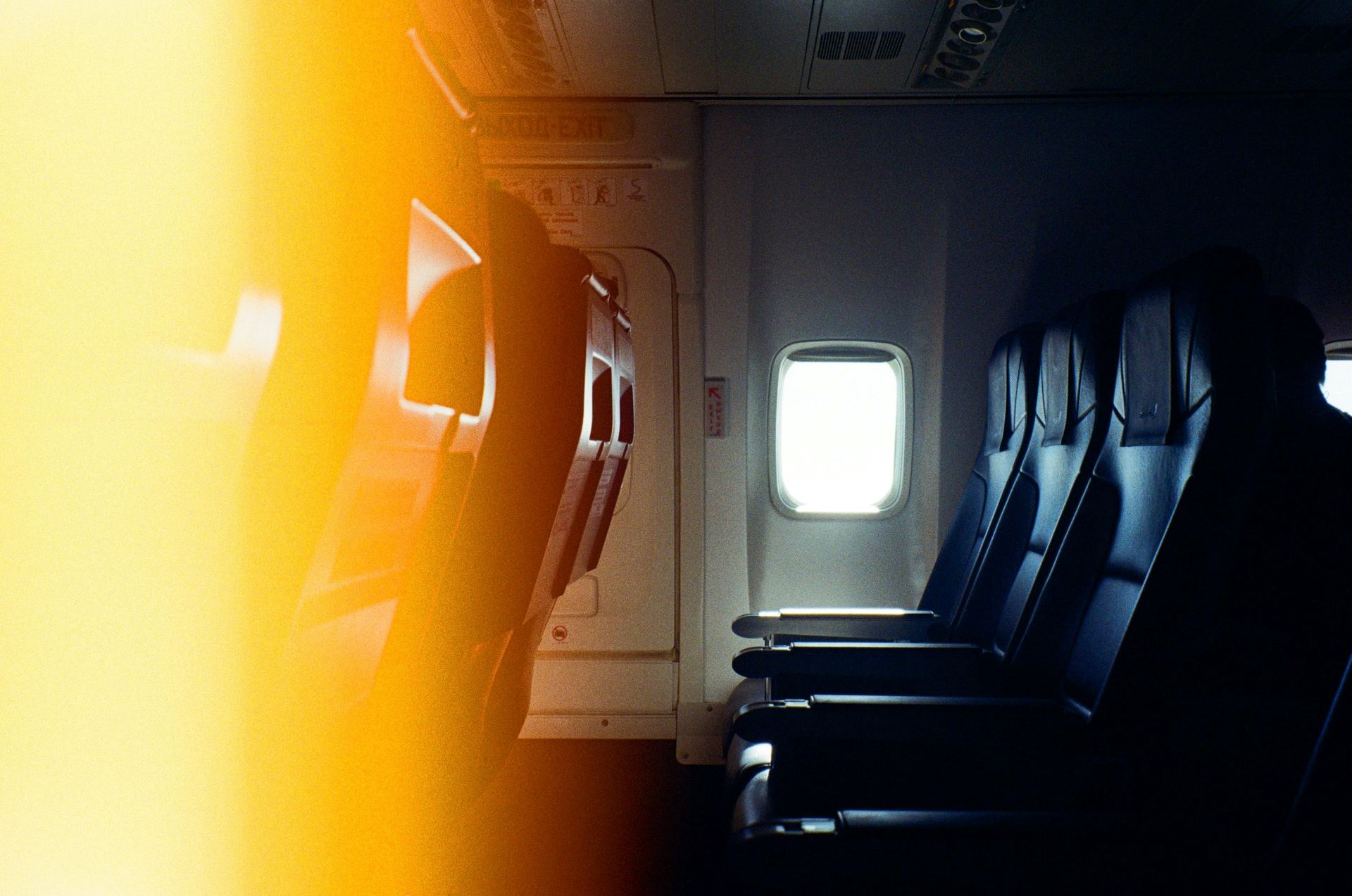
Why Seat Selection Matters More Than It Should
Humans are territorial creatures. Airports simply disguise this instinct beneath coffee queues and rolling suitcases.
Inside an aircraft cabin, personal space becomes scarce. A modern narrow-body airliner compresses dozens or even hundreds of strangers into a metal tube where movement is restricted, noise is constant and privacy is almost non-existent. In that environment, even tiny differences in seating position feel psychologically significant.
A window seat provides enclosure. An aisle seat provides freedom. A middle seat provides existential despair.
The cabin environment amplifies emotional responses because passengers temporarily surrender control. Travellers cannot open a door, stop the aircraft or leave whenever they want. Behavioural economists often describe flying as a controlled loss-of-agency experience. Seat selection therefore becomes one of the few decisions passengers still control.
That single choice creates a sense of ownership.
South African domestic aviation provides an especially interesting example because the market combines business travellers, leisure tourists, first-time flyers and budget-conscious passengers in unusually high concentrations. A morning Johannesburg to Cape Town flight may carry corporate executives, international backpackers, university students, exhausted parents and tourists heading to the Winelands all at once.
Their seating choices often reveal far more than their luggage does.
The Window Seat Personality
The window seat remains one of the most psychologically desirable positions in aviation. Despite requiring awkward climbing manoeuvres during bathroom breaks and guaranteeing at least one elbow negotiation per flight, millions of passengers still prefer it.
The reasons go deeper than scenery.
The Desire for Control
Passengers seated by the window gain partial environmental control. They can regulate sunlight exposure using the shade. They control access to the visual environment outside the aircraft. They can lean against the fuselage for rest.
This matters psychologically because air travel inherently limits autonomy.
For nervous flyers, the window seat sometimes reduces anxiety because seeing the outside environment creates contextual awareness. Cloud formations, runway movements and visible landmarks help passengers mentally orient themselves.
Others experience the exact opposite. Seeing turbulence unfold visually can intensify stress. These passengers often avoid windows entirely.
On South African routes, window seats become particularly attractive because domestic aviation offers unusually scenic approaches. Flights into Cape Town regularly deliver dramatic mountain and ocean views, while approaches into Durban reveal coastline scenery that turns even seasoned travellers into amateur photographers balancing smartphones against scratched Perspex.
Tourists often prioritise these visual experiences heavily.
A first-time visitor flying into Cape Town may perceive the window seat as part of the tourism experience itself rather than merely transportation. The aircraft effectively becomes a sightseeing platform.
The Introvert’s Fortress
Window seats also appeal strongly to introverted personalities.
The physical barrier of the aircraft wall creates psychological shelter. One side of the body remains protected, reducing social exposure. This positioning subtly lowers interpersonal demands because fewer people need to pass by or interact with the passenger.
Behavioural researchers frequently associate window seat preference with individuals seeking reduced social interruption. These travellers value solitude, predictability and uninterrupted personal space.
In practical terms, the window passenger can disappear into headphones, music, books or sleep more effectively than aisle passengers.
For South African business travellers commuting repeatedly between major cities, this matters enormously. Many frequent flyers treat domestic flights as temporary recovery chambers between meetings. A window seat becomes a miniature office, meditation pod or socially acceptable nap cave floating above the Karoo.
The Tourist Mindset
Tourism psychology strongly influences seat preference.
Leisure travellers often prioritise experience accumulation. The journey itself forms part of the adventure. Looking out over the Drakensberg, spotting coastline transitions or watching Johannesburg’s sprawling urban density shrink beneath the aircraft contributes emotionally to the trip.
Window seats support memory formation.
Research in travel behaviour consistently shows that visual engagement strengthens emotional recall. Travellers who actively observe landscapes during transit frequently report stronger emotional attachment to destinations afterward.
This is especially relevant within South African tourism because domestic flights often traverse highly varied terrain in relatively short periods. A traveller may leave Gauteng’s urban highveld and arrive beside Cape Town’s mountains less than two hours later. The visual transformation reinforces the perception of travel itself.
Airlines quietly benefit from this phenomenon because memorable arrivals strengthen destination appeal.
The Psychology of the Aisle Seat
If window-seat passengers seek emotional comfort, aisle-seat passengers often pursue tactical freedom.
The aisle traveller wants options.
The Need for Mobility
Aisle-seat passengers prioritise movement efficiency. They can stand up immediately after landing, access luggage faster and visit the restroom without social negotiation rituals involving apologetic shoulder contortions.
Business travellers dominate this category.
On high-frequency South African routes like Johannesburg to Cape Town, aisle-seat demand often reflects productivity culture. Passengers rushing between meetings, conferences or client visits value speed over scenery.
Time becomes the core currency.
The aisle seat psychologically reduces perceived confinement because passengers maintain direct access to movement pathways. Even if they never stand up during the flight, knowing they could do so matters psychologically.
This perceived freedom lowers stress for many travellers.
Control Through Escape Access
Claustrophobic passengers disproportionately favour aisle seating.
From a behavioural perspective, proximity to exits and movement corridors reduces feelings of entrapment. The aisle symbolically represents escape availability.
Interestingly, this preference often persists even on extremely short flights where actual confinement duration remains minimal. Human psychology does not always scale rationally with time.
A 55-minute domestic flight can still trigger powerful discomfort responses if passengers perceive limited mobility.
South African low-cost carriers unintentionally amplify this behaviour because tighter seat pitch configurations increase awareness of spatial restriction. As airlines optimise profitability by reducing cabin space margins, passengers become more conscious of seating position advantages.
The aisle therefore gains additional psychological value.
The Extrovert Effect
Aisle-seat travellers are often more socially engaged.
They interact with cabin crew more frequently, observe cabin activity and remain visually connected to the broader aircraft environment. Some behavioural researchers associate aisle preference with extroversion and environmental awareness.
This does not mean aisle passengers are necessarily more outgoing socially. Rather, they may feel more comfortable remaining exposed to activity and interaction.
On domestic South African flights, this frequently overlaps with experienced travellers who view flying as routine rather than special. The scenery no longer holds novelty. Efficiency becomes more important than wonder.
These passengers often board late, store luggage rapidly and position themselves for immediate exit after landing like tactical deployment specialists armed with laptop bags and coffee receipts.
Why the Middle Seat Feels Like Punishment
The middle seat occupies a uniquely tragic place in aviation psychology.
Nobody selects it voluntarily unless financial incentives, family seating requirements or catastrophic check-in timing leave no alternative.
This universal dislike reveals something important about human spatial behaviour.
Shared Boundary Stress
The middle seat forces dual-boundary exposure.
Passengers lose both the wall protection of the window seat and the mobility advantage of the aisle. They become physically compressed between strangers while surrendering armrest certainty.
The armrest issue alone deserves its own doctoral thesis.
Unwritten airline etiquette generally grants middle passengers shared armrest priority because they lack compensatory benefits elsewhere. Yet enforcement remains inconsistent. Entire silent territorial wars unfold daily at 35,000 feet through passive-aggressive elbow positioning.
It is civilisation held together by recycled cabin air.
Loss Aversion in Air Travel
Behavioural economics explains middle-seat hatred through loss aversion theory.
Passengers evaluate seating not only by gains but by perceived losses. The middle seat highlights what travellers lack compared to adjacent passengers.
No view.
No easy movement.
Reduced space.
Higher interruption frequency.
The brain interprets these disadvantages emotionally rather than mathematically.
This is why passengers often pay disproportionately high fees to avoid middle seats, even on flights lasting under an hour. Rational cost-benefit calculations become secondary to emotional discomfort avoidance.
Airlines understand this perfectly.
How Airlines Use Behavioural Economics
Modern airline seating systems are sophisticated psychological marketplaces disguised as booking interfaces.
Every colour-coded seating map manipulates decision-making.
The Scarcity Effect
Airlines intentionally create urgency during seat selection.
Passengers see limited remaining “good” seats highlighted visually. This activates scarcity psychology, increasing willingness to pay.
Even when additional seats remain available elsewhere, perceived scarcity changes behaviour dramatically.
South African carriers increasingly use tiered seating strategies on domestic routes. Extra-legroom rows, front-cabin positions and preferred windows become monetised upgrades rather than standard allocations.
Passengers interpret these upgrades emotionally rather than purely functionally.
A traveller may pay extra for Row 6 not because it objectively transforms the journey, but because it symbolises reduced inconvenience and improved status.
Anchoring and Seat Pricing
Behavioural economists describe anchoring as the tendency to rely heavily on initial reference points when making decisions.
Airlines exploit this constantly.
If premium seating appears first at a high price, standard paid seats suddenly feel reasonable by comparison. The passenger experiences relative affordability rather than absolute cost evaluation.
This strategy works especially well in tourism-heavy markets where travellers already anticipate discretionary spending.
A family flying from Johannesburg to Durban for a coastal holiday may accept seat-selection fees more readily because the trip already exists psychologically within a leisure-spending framework.
The same fee during daily commuting behaviour might feel excessive.
Group Seating Anxiety
Families create another fascinating behavioural category.
Parents experience powerful anxiety around separation from children during flights. Airlines understand this and frequently structure seating systems around implied separation risks.
Even when carriers attempt to seat families together automatically, the booking process often creates uncertainty. That uncertainty encourages paid seat selection.
The psychology here becomes deeply emotional because family separation during travel feels threatening, particularly for infrequent flyers.
On South African holiday routes during peak seasons, family seating dynamics heavily influence booking behaviour and ancillary revenue generation.
South African Domestic Flight Culture
South African aviation culture adds unique local dimensions to seating psychology.
The Johannesburg Factor
Flights departing from Johannesburg often carry unusually high business-travel density. OR Tambo International functions as the country’s dominant aviation hub, concentrating corporate movement across domestic routes.
Business travellers frequently prioritise aisle seats for speed and efficiency. Tight schedules encourage optimisation behaviour.
These passengers often travel light, board strategically and disembark with startling urgency once wheels touch the runway. The moment the seatbelt sign disappears, a strange evolutionary event occurs where otherwise calm humans transform into vertical luggage-seeking creatures powered entirely by impatience and airport parking fees.
Cape Town’s Window Economy
Cape Town-bound flights display stronger window-seat demand due to scenic value.
Tourists and occasional travellers frequently treat arrival views as integral to the journey. Table Mountain’s visual impact has become almost ritualistic within South African domestic tourism.
Social media intensifies this behaviour.
The modern traveller increasingly experiences destinations through anticipated photographic moments. Window seats therefore gain digital value alongside physical value.
An aircraft approach becomes content.
Budget Airlines and Behaviour Shifts
Low-cost airlines have significantly altered seating psychology in South Africa.
When passengers must pay separately for preferred seating, they become more aware of their own preferences. Previously unconscious habits suddenly become financial decisions.
This creates interesting behavioural splits.
Some travellers become hyper-practical, refusing all seating fees regardless of preference. Others become more emotionally attached to preferred positions because payment reinforces perceived value.
Ironically, monetised seating often strengthens psychological investment in seat identity.
The Role of Anxiety in Seat Choice
Fear influences airline seating behaviour more than many passengers realise.
Nervous Flyers
Anxious travellers frequently develop highly specific seat rituals.
Some insist on wing-area seats because they perceive reduced turbulence there. Others prefer front-cabin seating because proximity to crew creates reassurance. Some avoid rear sections entirely due to perceived accident risk, despite commercial aviation’s extraordinary safety levels.
These choices often prioritise emotional regulation rather than statistical logic.
South African domestic aviation includes many occasional flyers who travel primarily during holidays or family events. Infrequent exposure tends to amplify anxiety because passengers lack familiarity routines.
Seat selection therefore becomes a coping mechanism.
Predictability and Routine
Frequent flyers often display ritualistic seating consistency.
They choose identical rows repeatedly, maintain preferred boarding strategies and replicate behavioural patterns across trips. Routine reduces cognitive load and uncertainty.
This resembles broader human habit formation psychology. Familiar environments lower stress because the brain spends less energy processing unpredictability.
A passenger who always chooses an aisle seat in Row 10 may experience genuine discomfort when forced elsewhere.
Even though all economy seats appear broadly similar, humans attach emotional meaning to repetition.
Air travel turns tiny preferences into identity markers.
Couples and Seating Dynamics
Romantic relationships produce fascinating seating negotiations.
The Window Trade-Off
Couples frequently display predictable patterns where one partner values scenery while the other prioritises mobility. Compromise becomes part of the booking process.
Interestingly, many couples willingly split aisle and window seats while leaving the middle seat empty when flights appear lightly booked. This strategy reflects cooperative behavioural gaming.
Passengers hope no one occupies the middle seat, effectively creating additional space.
When someone eventually does occupy it, a subtle emotional collapse occurs across the row. Everyone pretends not to notice while silently recalculating life choices.
Emotional Security
Partners travelling together often prefer physical proximity regardless of seat quality.
This becomes especially visible among nervous flyers. Emotional reassurance outweighs individual comfort optimisation.
Tourism travel amplifies this behaviour because holidays carry emotional significance. Shared travel experiences strengthen interpersonal bonding, making joint seating psychologically important.
Airlines recognise this and increasingly incorporate couple-focused seating options within booking systems.
The Rise of the “Seat Map Strategist”
Modern travellers increasingly analyse seating charts with remarkable sophistication.
Entire online communities discuss optimal aircraft rows, noise levels, turbulence zones and bathroom proximity with forensic intensity usually reserved for military planning or fantasy football leagues.
South African travellers participate in this trend enthusiastically, particularly on longer domestic sectors.
Data-Driven Passengers
Apps and review platforms now allow passengers to evaluate aircraft layouts before booking.
Travellers research seat pitch, recline limitations and window alignment issues. Some avoid rows lacking windows entirely after traumatic encounters with blank cabin walls where a beautiful aerial view was expected but industrial aircraft insulation appeared instead like the world’s saddest office partition.
Information availability changes behaviour significantly.
Passengers become more strategic, expectations increase and dissatisfaction intensifies when experiences diverge from predictions.
Social Influence and Seat Behaviour
Seat preferences are not entirely individual. They are socially shaped.
Travel influencers, online reviews and viral travel content increasingly influence passenger expectations. A generation raised on cinematic travel imagery often romanticises window seats because visual storytelling culture associates windows with adventure and introspection.
The aisle seat rarely receives poetic treatment.
Nobody posts inspirational social-media captions about immediate restroom access and efficient disembarkation velocity.
Yet aisle-seat passengers quietly dominate the productivity economy of aviation.
The Future of Airline Seating Psychology
Airline seating behaviour will continue evolving alongside technology and changing travel habits.
Personalisation Systems
Future booking systems may increasingly predict passenger preferences automatically.
Airlines already collect substantial behavioural data. Frequent selection patterns allow systems to anticipate desired seating categories before passengers manually choose.
Behavioural targeting could become significantly more sophisticated.
A traveller consistently purchasing aisle seats near the front may receive personalised upgrade offers framed specifically around efficiency and time savings.
Meanwhile window-preferring leisure travellers may encounter imagery emphasising scenery and experience.
The same aircraft seat can be marketed through entirely different emotional narratives depending on the passenger profile.
Cabin Design Evolution
Aircraft interiors may also adapt psychologically.
Designers increasingly explore methods to reduce perceived crowding through lighting, colour schemes and spatial illusions. Even minor cabin modifications can influence comfort perception dramatically.
As South African domestic tourism continues recovering and expanding, passenger expectations around comfort and experience will likely increase alongside competition among carriers.
Seat psychology will remain commercially important because it directly affects customer satisfaction and ancillary revenue.

Why This Tiny Decision Says So Much
Choosing a seat on a short flight appears trivial. Yet beneath that tiny booking decision sits an intricate network of behavioural instincts, emotional coping mechanisms, economic nudges and identity expression.
The window passenger seeks reflection, experience or comfort.
The aisle passenger seeks control, efficiency or freedom.
The middle passenger seeks survival.
Within South African commercial aviation, these behaviours become even more interesting because domestic flying intersects business culture, tourism growth and diverse traveller demographics so intensely.
A 90-minute flight between Johannesburg and Cape Town may contain hundreds of individual psychological negotiations unfolding simultaneously. Every passenger enters the aircraft carrying invisible preferences, anxieties and behavioural patterns disguised as seating choices.
And somehow, despite all humanity’s technological achievements, one truth remains eternal inside the modern aircraft cabin:
Everybody still silently judges the person who reclines immediately after takeoff.
Gerald Ferreira
Our travel editorial desk specializes in uncovering the best flight deals and destination insights within South Africa. We bring you first-hand updates on airline industry moves and budget travel hacks.
More From Travel News
How Aviation Shapes South Africa’s Coastal Tourism
Aviation expands South Africa’s coastal tourism by redistributing seasonal travel, boosting beach destinations, and connecting global and domestic markets.
Inside Airline Pilot Training for Modern Aircraft
Discover how airlines train pilots for modern aircraft using advanced simulators, strict certification pipelines and continuous recurrent training.
Why Airlines Overbook Flights Using Smart Forecasting
Airlines overbook flights using revenue models and no-show prediction systems to maximise seat occupancy and reduce losses in commercial aviation.
Stay Informed, Stay
Ahead of the Curve
We don't just follow the headlines — we dive deeper. Our well-researched content is designed to empower you with the knowledge needed to navigate an industry shaped by innovation.
Seasoned Professionals
Industry stats and market performance metrics.