
For those of us enthralled by the pace of automotive innovation, the aviation sector’s ambitious strides into the world of sustainability feel like a thrilling extension of our passion for cutting-edge technology. From electric motors powering sleek electric vehicles (EVs) on the ground to biofuels propelling aircraft high above the clouds, the skies, like the roads beneath our feet, are being redefined by advancements in green propulsion.
Just as the automotive industry grapples with carbon emissions, fuel efficiency, and sustainable alternatives, the aviation world is not far behind. Biofuels and electric aircraft have emerged as the main contenders in the quest for a greener future in air travel. This technological revolution holds great promise—not only for aviation but also for the automotive industry, as both sectors look to harness similar innovations to tackle the pressing challenge of sustainability.
In this article, we’ll explore how biofuels and electric propulsion are transforming aviation, offering insights that automotive enthusiasts can relate to. Just as electric vehicles are reshaping our driving experience, biofuels and electric aircraft are poised to change the way we fly.
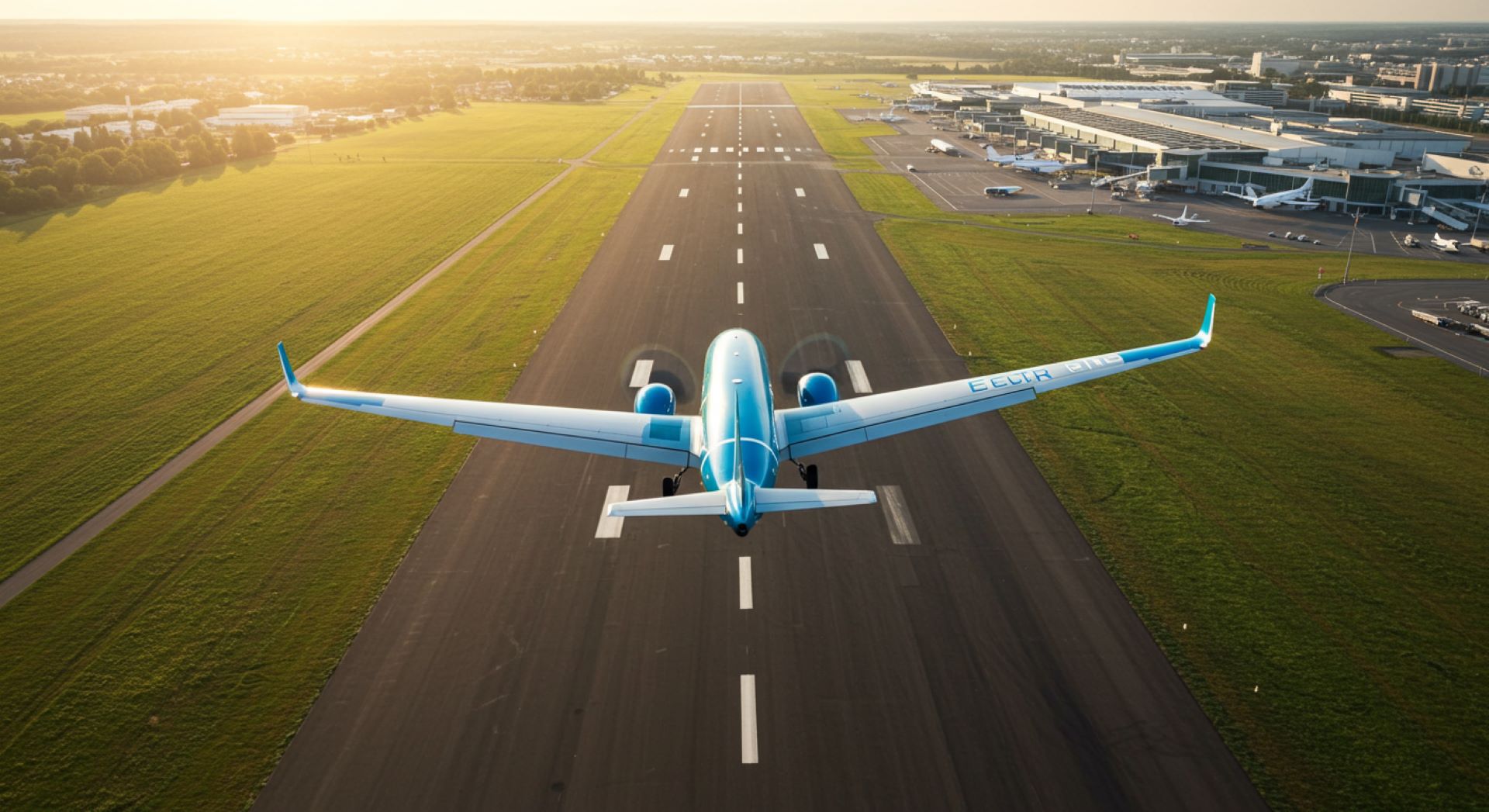
Background and Context
The history of propulsion in aviation is a story of relentless innovation. From the Wright brothers’ first powered flight in 1903 to the supersonic jets of the 20th century, progress has always been driven by the search for better, faster, and more efficient engines. Traditional jet fuel, derived from crude oil, has been the industry standard for decades, powering commercial aircraft across the globe. However, as the environmental impact of fossil fuels becomes increasingly undeniable, the aviation sector has been under pressure to find more sustainable solutions.
Like the automotive industry, which has faced similar challenges with the internal combustion engine, the aviation world is striving to reduce its carbon footprint. Aircraft account for a significant portion of global carbon emissions—approximately 2-3%. This has led to a strong push from governments, regulatory bodies, and airlines alike for greener aviation solutions.
International agreements such as the Paris Climate Accord and the European Union’s "Green Deal" have set ambitious goals to reduce the aviation industry’s impact on the environment. While electric propulsion has been the primary focus in the automotive world, biofuels have gained traction in aviation as a viable option for reducing carbon emissions while utilizing existing infrastructure.
The need for cleaner alternatives is further exacerbated by economic pressures. As fuel costs rise and environmental regulations tighten, the aviation industry is looking for ways to cut expenses while meeting sustainability goals. Similarly, automotive manufacturers are pushing for innovations in fuel efficiency, hybrid systems, and electric powertrains to meet stringent emission standards while remaining competitive.
Biofuels in Aviation
Biofuels, derived from renewable biological sources such as plants and algae, have the potential to replace conventional jet fuel without requiring a complete overhaul of aviation infrastructure. Unlike traditional fossil fuels, biofuels are carbon-neutral, meaning the carbon dioxide they release during combustion is offset by the carbon absorbed by the source materials during their growth. This makes biofuels a promising option for reducing the aviation industry's environmental impact.
In the world of aviation, two main types of biofuels are currently being explored: bio-jet fuels and sustainable aviation fuel (SAF). Bio-jet fuels are derived from sources like vegetable oils, animal fats, and waste materials, while SAF is typically produced from renewable biomass or even waste gases. Both can be blended with conventional jet fuel or used in pure form to power aircraft.
One of the most significant advancements in biofuel technology is the development of drop-in fuels—biofuels that can be used in existing jet engines without requiring any modifications. These fuels can be mixed with traditional jet fuel in varying proportions, making them an ideal solution for gradual transition to greener aviation.
The adoption of biofuels by major airlines marks a pivotal step in reducing aviation’s carbon footprint. Companies like United Airlines and KLM have been at the forefront, integrating SAF into their fuel mix and committing to significant reductions in carbon emissions. In fact, KLM has already flown commercial flights using 100% SAF, a groundbreaking achievement in aviation sustainability.
The automotive industry is not unfamiliar with the concept of biofuels. Ethanol and biodiesel have long been used in internal combustion engines, especially in regions like Brazil, where the use of ethanol has been heavily promoted. In both sectors, biofuels offer a relatively easy path toward reducing dependence on fossil fuels while using established infrastructure. Just as car manufacturers are adopting hybrid and biofuel technology in passenger vehicles, aviation is leveraging similar solutions to take flight toward a sustainable future.
Electric Aircraft
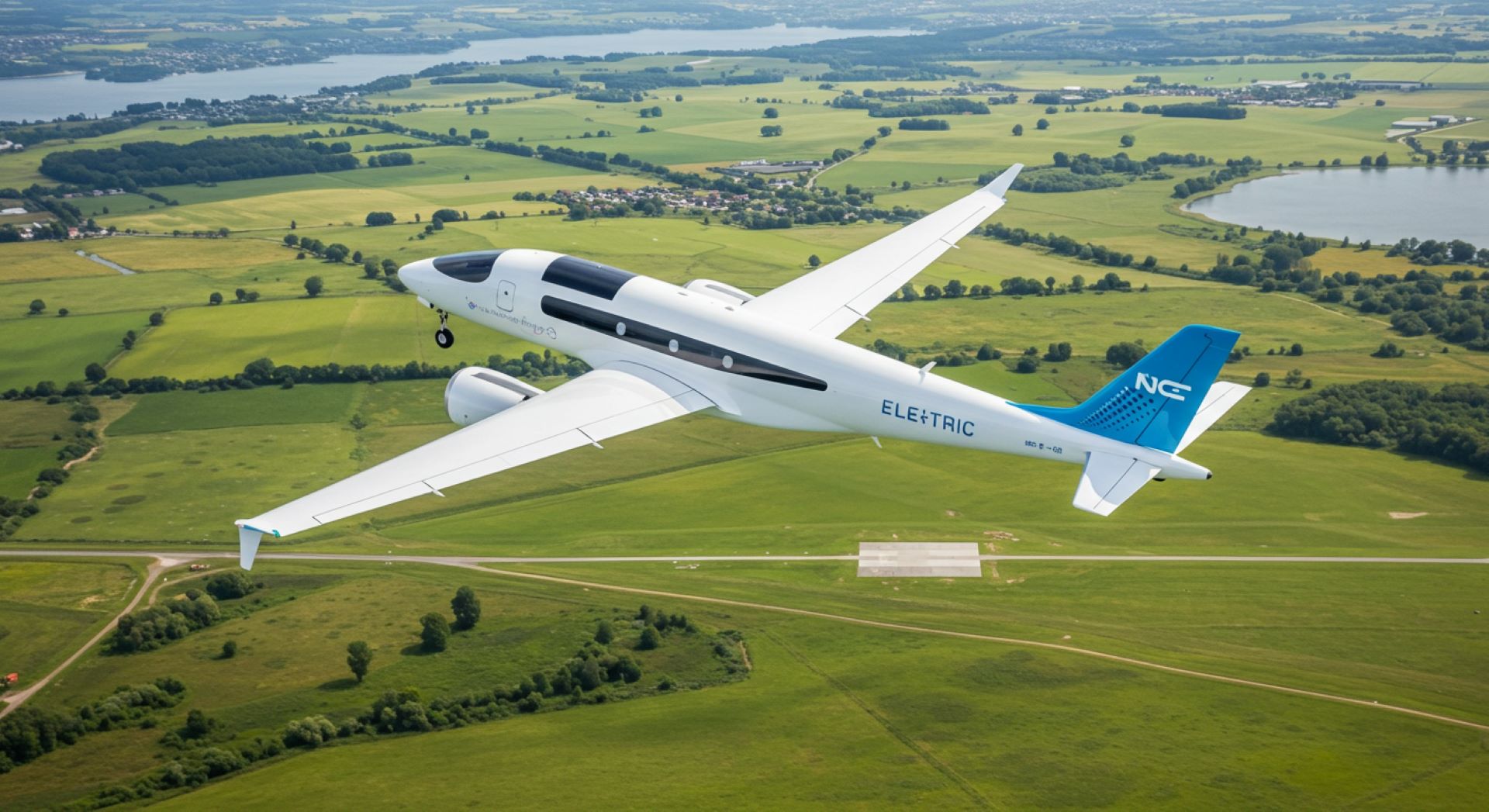
Electric propulsion in aviation is one of the most exciting and disruptive technologies to emerge in recent years. While electric vehicles (EVs) on the ground have become a familiar concept, electric aircraft are still in their nascent stages. Unlike hybrid electric cars, which combine an internal combustion engine with an electric motor, fully electric aircraft rely solely on electric propulsion to take off and fly.
The key to electric flight lies in advancements in battery technology. As in the automotive world, the aviation sector is striving to create batteries with higher energy densities—meaning batteries that can store more energy while remaining lightweight. In aviation, this challenge is even more critical as aircraft must lift off and remain airborne for extended periods, demanding much higher energy outputs than EVs.
Despite these challenges, several companies are making impressive strides in electric aviation. Startups like Joby Aviation, Lilium, and Vertical Aerospace are developing electric vertical takeoff and landing (eVTOL) aircraft, designed to revolutionize urban mobility by providing fast, zero-emission air transport in congested cities. These aircraft are smaller and more agile than traditional planes, offering an exciting glimpse into the future of aviation.
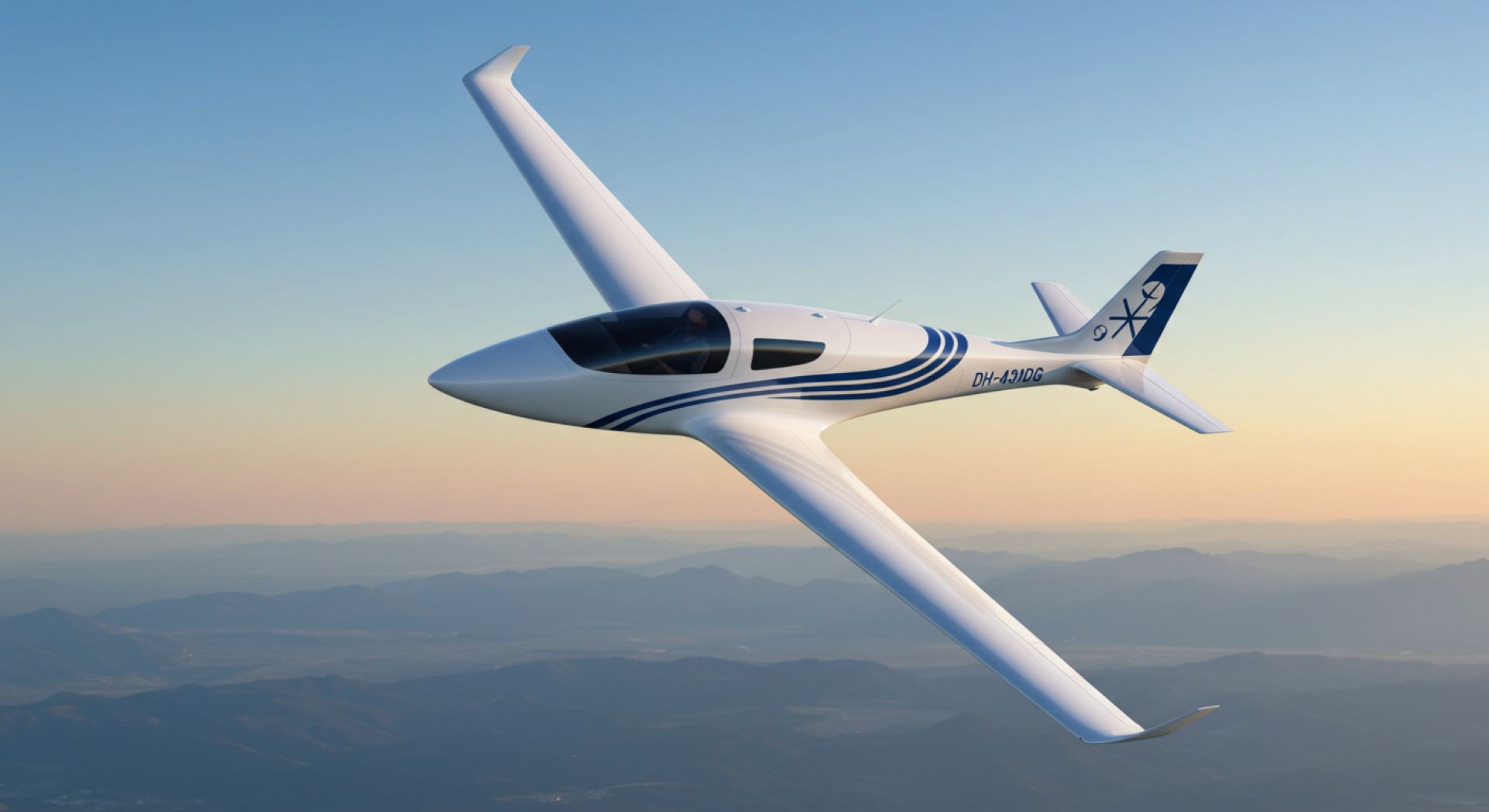
On the more traditional front, electric propulsion systems are also being developed for regional and long-haul flights. Aircraft like the Alice, developed by Israeli startup Eviation, showcase the potential of electric aviation with fully electric commercial aircraft capable of carrying up to 9 passengers over a range of 650 miles. While these aircraft are still in the prototype stage, their development signals the dawn of a new era in aviation.
The automotive industry’s push for electric vehicles has significantly influenced the development of electric aircraft. Both sectors rely on cutting-edge battery technology and the need for rapid charging capabilities. Moreover, both industries are striving to overcome similar challenges related to range, weight, and infrastructure development. Just as EV manufacturers are working to expand charging networks, the aviation industry is facing the challenge of building the necessary infrastructure for electric aircraft, from charging stations to airports equipped for electric flights.
Challenges and Opportunities
Both biofuels and electric aircraft face significant challenges that must be overcome before widespread adoption becomes a reality. For biofuels, the primary challenge lies in scalability and cost-effectiveness. Producing biofuels at a scale large enough to meet the needs of the aviation industry is complex and expensive. Additionally, while biofuels are considered more sustainable than fossil fuels, their production can still have environmental implications, such as land-use changes and resource competition.
Electric aircraft face their own set of hurdles, particularly in terms of battery technology. Current battery capacities are insufficient for long-haul flights, and the weight of batteries is a limiting factor in the design of electric planes. While the promise of electric flight is clear, there is still a long road ahead before electric aircraft become commonplace.
However, both fields offer exciting opportunities for crossover technologies. Just as electric vehicle manufacturers are sharing advancements in battery technology with electric aircraft developers, the aviation industry’s progress in lightweight materials and fuel efficiency could influence automotive design. These innovations are likely to inspire new concepts and technologies that benefit both sectors.
Impact on the Aviation and Automotive Fields
The adoption of biofuels and electric aircraft is likely to stimulate significant innovation and competition in both the aviation and automotive industries. As both sectors continue to innovate, we may see increased collaboration and knowledge sharing, particularly in areas such as battery technology, hybrid propulsion, and renewable energy solutions.
For automotive enthusiasts, the rapid advancements in aviation may offer new insights into the technologies shaping the future of transportation. Just as electric cars have reshaped the driving experience, electric aircraft may soon revolutionize air travel, with greater efficiency, sustainability, and potential for new forms of urban mobility.
Future Outlook
Looking ahead, the future of aviation is poised to be one of sustainable and exciting transformation. Biofuels and electric aircraft are not just fleeting trends but pivotal components of a new era in air travel. As the aviation industry continues to evolve, automotive enthusiasts should keep an eye on these developments, as they mirror many of the technological innovations unfolding on the ground.
With continued investment in research and development, alongside regulatory support, biofuels and electric aircraft may soon become commonplace in global air travel. This technological revolution will not only benefit aviation but could also further accelerate the transition to sustainable technologies in other forms of transportation.
The convergence of biofuels and electric aircraft signals an exciting future for aviation, one that echoes the sustainable innovations reshaping the automotive world. As both industries move toward greener, more efficient technologies, the potential for a truly sustainable transportation ecosystem grows ever closer. The skies are set to change, and much like the roads we drive on, they will soon be powered by clean, cutting-edge technologies that continue to inspire us all.
Elisha Roodt
Our travel editorial desk specializes in uncovering the best flight deals and destination insights within South Africa. We bring you first-hand updates on airline industry moves and budget travel hacks.
More From Travel News

The Psychology of Seat Selection on Short Flights
Why do travellers choose window or aisle seats on short flights? Exploring passenger psychology in South African commercial aviation.

How Aviation Shapes South Africa’s Coastal Tourism
Aviation expands South Africa’s coastal tourism by redistributing seasonal travel, boosting beach destinations, and connecting global and domestic markets.

Inside Airline Pilot Training for Modern Aircraft
Discover how airlines train pilots for modern aircraft using advanced simulators, strict certification pipelines and continuous recurrent training.
Stay Informed, Stay
Ahead of the Curve
We don't just follow the headlines — we dive deeper. Our well-researched content is designed to empower you with the knowledge needed to navigate an industry shaped by innovation.
Seasoned Professionals
Industry stats and market performance metrics.