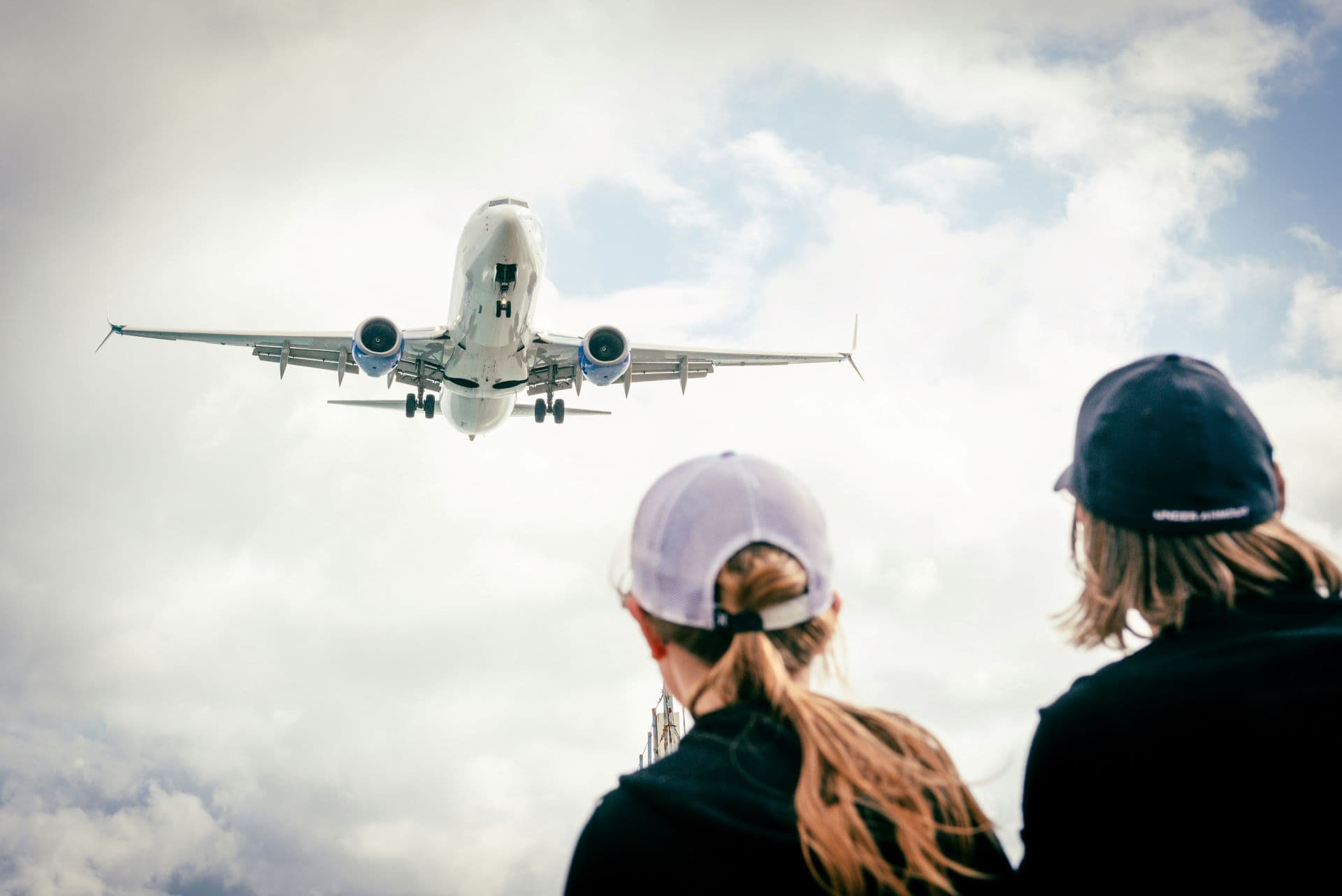
Air travel has long been synonymous with stress, cramped spaces, and the anxious ticking of a clock as passengers navigate the labyrinth of airports and boarding gates. For families, these challenges multiply. The prospect of flying with children often invokes images of restless little feet, frayed nerves, and a struggle to maintain calm in an environment where every minor inconvenience is magnified. Yet, airlines have recognised that family travellers are an essential segment, leading to innovations and services that make flights not just bearable, but genuinely enjoyable for both parents and children.
The Evolution of Family-Friendly Air Travel
Decades ago, families faced a stark reality: children were accommodated only in the sense that they existed. There were no dedicated seating arrangements, entertainment options were limited, and in-flight meals were an afterthought. Today, airlines compete to create experiences that cater to young passengers without compromising the comfort of adults. From pre-flight services to arrivals at your destination, every touchpoint can now be tailored for families.
Airlines have introduced features such as early boarding for families, priority check-ins, and dedicated family lanes at security checks. Some carriers even offer digital platforms to book seats together, ensuring that parents and children are never separated. Beyond logistics, the aviation industry recognises that the emotional experience of a child affects the wellbeing of the entire family. As a result, airlines now prioritise entertainment, cuisine, and a supportive cabin environment as integral aspects of family travel.
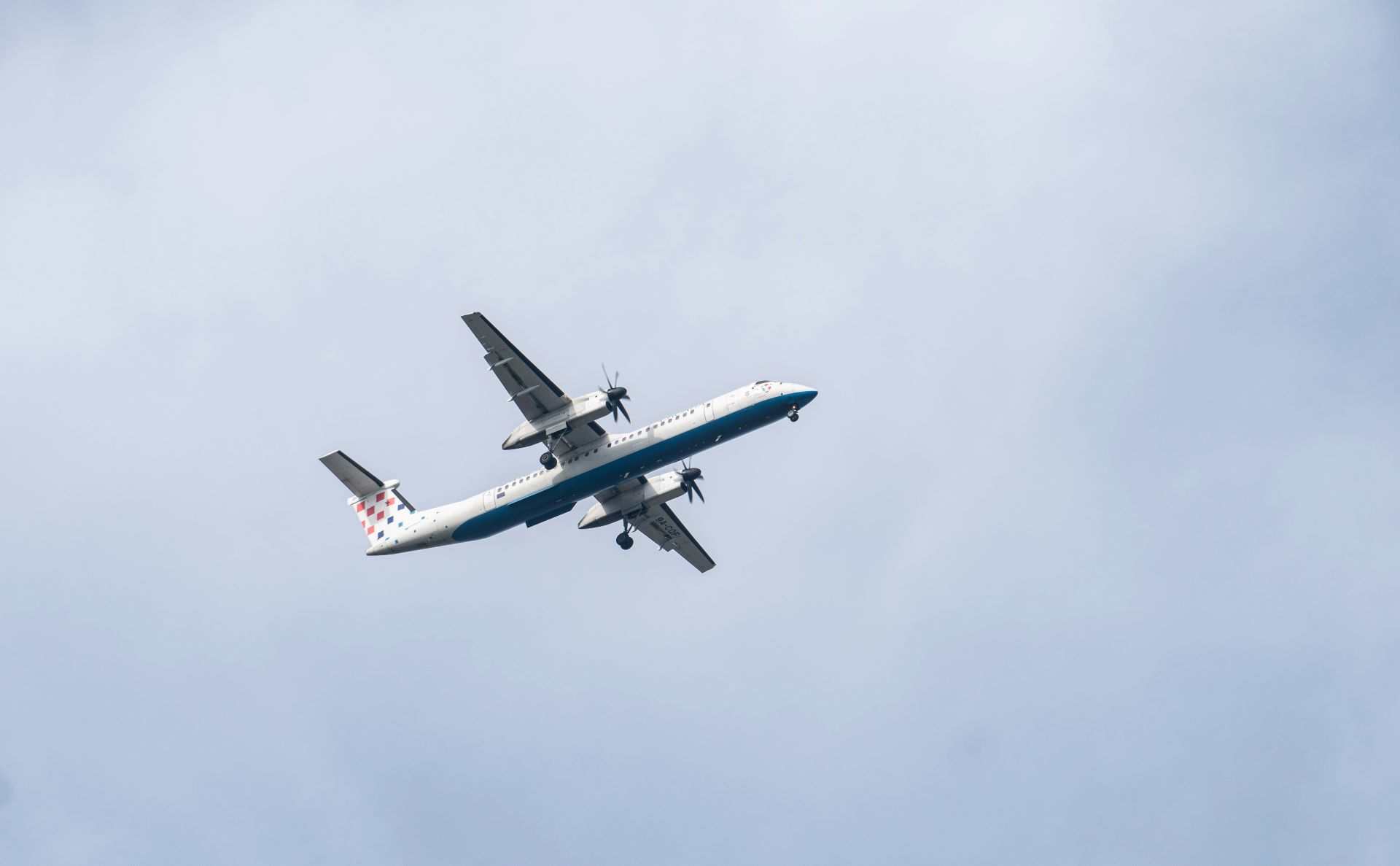
Seating Arrangements: Comfort and Connection
Where a family sits on an aircraft can profoundly impact the flight experience. Airlines increasingly provide flexible seating options that accommodate families, from rows designed with extra legroom to bulkhead seats that afford more space for small children. In some cases, families can request bassinets for infants, and some carriers even dedicate entire zones to families with young passengers.
The psychological benefit of sitting together cannot be overstated. Children feel secure and more relaxed when their parents are nearby, while parents gain reassurance knowing they can respond immediately to a child’s needs. Selecting the right seat is a strategic exercise, involving a balance between proximity to bathrooms, cabin quietness, and the possibility of enjoying window views that can mesmerise young passengers and keep them engaged for extended periods.
In-Flight Entertainment: Engaging Young Minds
Once the cabin doors close, boredom can quickly turn into tantrums. Airlines now offer extensive entertainment packages tailored to children of all ages. From interactive games and cartoons to educational content that combines fun with learning, these programmes are designed to occupy young minds and provide parents with brief respites.
Some airlines go further, offering personalised tablets, kid-friendly headphone sets, or apps that allow children to choose their viewing content before boarding. These innovations transform the flight from a waiting room in the sky into an environment that feels immersive and exciting. When children are engaged, parents can enjoy a sense of calm that might have previously seemed unattainable on long-haul journeys.
Meals Designed for Small Appetites
Nutrition and dietary needs are another key consideration. Gone are the days when children were offered generic, uninspired meals that elicited more complaints than satisfaction. Modern airlines provide menus specifically designed for young passengers, often with an emphasis on familiar, appealing foods.
From colourful pasta dishes to fruit-packed snack boxes, airlines ensure that meals are not just sustenance but a small adventure. For families with dietary restrictions, airlines typically accommodate special requests in advance, minimising surprises and alleviating stress during the flight. Sharing a meal together can also become an enjoyable bonding experience that subtly instills the excitement of travel in young children.
Pre-Flight Preparation: Setting Expectations
The journey begins long before boarding. Preparing children for the experience of air travel can dramatically reduce stress. Parents who involve children in planning their itinerary, discussing airport procedures, and explaining the steps of security checks often find that their children exhibit greater curiosity and less anxiety.
Creating a pre-flight ritual, such as packing a travel bag together or choosing a favourite snack to bring on board, can instil a sense of ownership and excitement. Similarly, informing children about the sounds, movements, and sensations they might encounter in flight demystifies the experience and reduces the likelihood of fear or discomfort.
Navigating Airport Logistics
Airports themselves can be a source of both delight and disorientation. Family-friendly airports have increasingly introduced play zones, child-friendly signage, and accessible restrooms with changing facilities. These spaces allow children to expend energy before boarding, transforming the waiting period into a productive, even enjoyable, interlude.
Strategically planning arrival at the airport can also make a difference. Arriving too early may lead to impatience, while cutting the timing too close can increase stress. Parents often find that breaking down the airport experience into digestible steps—check-in, security, exploration, boarding—helps children understand what to expect and maintains a sense of calm throughout the journey.
Flight Etiquette and Managing Expectations
Even the most meticulously prepared family may encounter turbulence, delays, or cranky toddlers. Establishing clear expectations with children about behaviour, listening to cabin crew instructions, and practising patience can transform potential stress into resilience.
For parents, maintaining composure is crucial. Children often mirror adult behaviour; a calm, reassuring presence can prevent minor issues from escalating. Simple strategies—like introducing games, storytelling, or quiet reading sessions—offer distraction while reinforcing family bonds. These techniques encourage positive engagement, creating a shared narrative of adventure rather than confinement.
Making Layovers Enjoyable
Long-haul flights often involve layovers, which can be sources of both fatigue and opportunity. Many airports now feature child-friendly lounges, play areas, and even mini-museums to keep young travellers stimulated. Parents can use this time for rest, meals, or exploration, ensuring that the journey remains dynamic rather than monotonous.
Planning layovers with an awareness of amenities is part of a broader strategy to maximise the family travel experience. Selecting airlines that partner with airports offering these features, or planning routes that align with interactive facilities, can turn what might be a tedious intermission into a cherished part of the adventure.
Tips for Stress-Free Family Travel
While airlines continue to innovate, parents play a pivotal role in shaping the journey. Practical preparation—such as packing essentials like wipes, comfort items, and portable entertainment—ensures that minor mishaps do not escalate. Engaging children in storytelling or games that correspond with travel milestones transforms waiting periods into opportunities for learning and bonding.
Moreover, embracing flexibility and patience creates a buffer against the inevitable unpredictability of air travel. Children, like all travellers, respond positively to routine tempered with spontaneity. When parents anticipate potential challenges and address them with empathy and foresight, flights evolve from tests of endurance into experiences of shared discovery.
Beyond the Flight: Building Memories
Ultimately, family-friendly flying is not just about in-flight conveniences or logistical efficiencies. It is about cultivating memories, shaping perspectives, and creating a foundation for children to associate travel with wonder and curiosity. Every flight becomes a microcosm of adventure—a chance to observe the world from above, engage with diverse cultures, and relish the thrill of movement and exploration.
Parents who approach flights as an opportunity rather than an obligation instil a love of travel that can endure a lifetime. By integrating preparation, engagement, and adaptability, the skies become a space not of tension, but of connection, imagination, and discovery.
Airlines, airports, and parents collectively craft the landscape of family air travel. Modern innovations, from seating arrangements and entertainment options to tailored meals and pre-flight strategies, have reshaped what it means to fly with children. Yet, the ultimate success of a journey depends on thoughtful preparation, empathy, and a commitment to turning challenges into opportunities for shared joy.
In embracing these principles, families find that flying ceases to be a hurdle. It becomes, instead, a canvas for exploration—a shared adventure that transcends the constraints of altitude, turbulence, and timetable, leaving memories that linger long after the wheels touch the runway.
Elisha Roodt
Our travel editorial desk specializes in uncovering the best flight deals and destination insights within South Africa. We bring you first-hand updates on airline industry moves and budget travel hacks.
More From Travel Industry
Why Airlines Care About Your Connection Time Windows
Airlines treat connection times as precision timing tools that drive network efficiency, schedule flow, and global hub synchronization.
How Flight Routes Drive Tourism Growth and Regional Prosperity
Discover how airline routes influence global tourism, boost regional economies, and improve destination accessibility worldwide.
How Airlines Are Shifting to Eco-Friendly Travel
Airlines respond to eco-conscious travelers with carbon offsets, fuel-efficient fleets, and green marketing strategies in commercial tourism.
Stay Informed, Stay
Ahead of the Curve
We don't just follow the headlines — we dive deeper. Our well-researched content is designed to empower you with the knowledge needed to navigate an industry shaped by innovation.
Seasoned Professionals
Industry stats and market performance metrics.