
The sky is no longer the final frontier—it’s an intricate, ever-shifting stage on which the story of modern humanity is written in contrails and coordinated navigation. From the humming corridors above the Atlantic to the remote flyovers stretching over Mongolia’s steppes, our aerial networks reflect more than just the logistics of travel—they reveal the shape of our economies, the pulse of our societies, and the silent choreography of geopolitics. What might seem to the casual observer as aimless crisscrossing in the heavens is, in truth, a cultural text: a high-altitude mirror to how we live, relate, and imagine the world.
To study flight paths is to examine the invisible architecture of our global village. In the same way that ancient trade routes like the Silk Road or the Trans-Saharan caravan trails revealed the economic heartbeats of their times, today’s air corridors showcase the globalised arteries of commerce, tourism, and diplomacy. But unlike static cartographies, flight paths evolve constantly. They adapt to pandemics, shift under the pressure of conflicts, expand in response to economic growth, and fold back inwards during crises. Each change tells a story—about us.
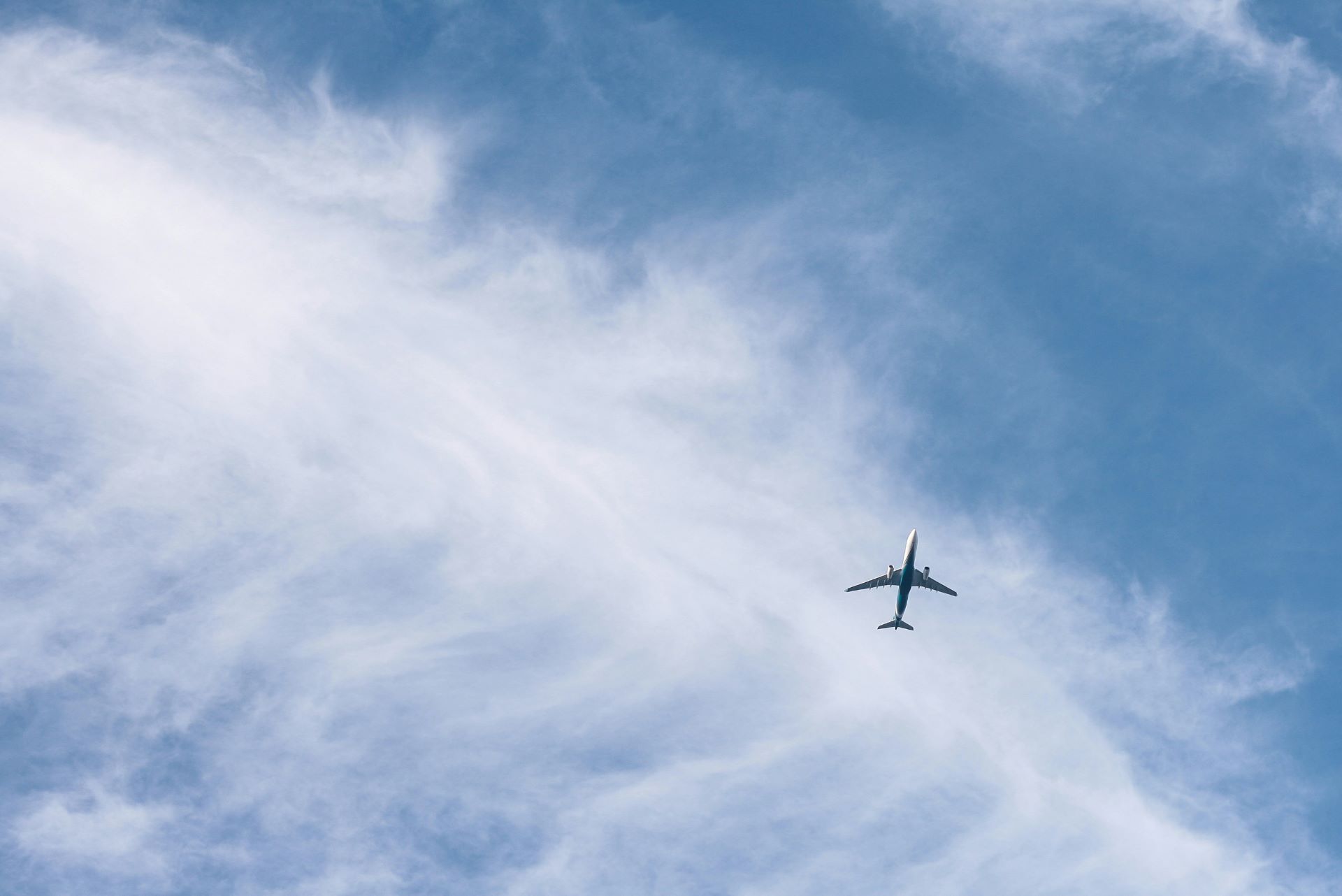
The Aerial Cartography of Global Intent
Airspace is curated, not free-floating. Flight paths are rarely the shortest distance between two points; rather, they are the result of careful negotiation, international treaties, safety regulations, air traffic control limitations, and in some cases, deeply entrenched geopolitical tensions. Every time an aircraft deviates from a straight line, it might be avoiding a conflict zone, respecting the air sovereignty of a politically sensitive nation, or manoeuvring around restricted military corridors.
Consider, for instance, the distinct absence of commercial air traffic over certain regions of the globe. For decades, flights between Europe and Asia have largely avoided crossing over the vast central block of Afghanistan, owing to instability and safety concerns. Similarly, due to diplomatic tensions, there was a long-standing prohibition on Qatari aircraft using airspace belonging to certain Gulf neighbours—a restriction that drastically elongated routes and required deft diplomatic negotiations to resolve.
These invisible walls in the sky map onto the cultural and political fissures of the world below. Where borders divide, so too do air corridors. And yet, in their deviations and detours, they also tell stories of resilience, creativity, and compromise. Airlines—those unwitting geopolitical players—have learned to reroute, redesign, and sometimes even rebrand in response to what the sky allows or denies.
Skylines and Sociologies
Not all airspace is created equal. Some regions of the world resemble chaotic constellations of aircraft, like fireflies caught in a frenetic dance: Western Europe, the eastern seaboard of the United States, the corridor between Tokyo and Seoul. These are the densest flight networks on the planet, reflecting economic prosperity, urban agglomeration, and the constant churn of business, pleasure, and family ties.
Contrast that with the relative emptiness over much of the Global South. Africa, for instance, remains astonishingly under-connected by air, despite being home to over 1.4 billion people and a surging youth population. The reasons are complex: historical inequities, underinvestment in aviation infrastructure, protectionist air policies, and the sheer scale of a continent that is expensive to traverse. Where roads and rail are lacking, one might expect air travel to leapfrog—but without the connective tissue of affordable airlines, reliable airports, and multilateral open skies agreements, the continent remains, in many ways, unstitched from itself.
This disparity is more than an economic inconvenience—it’s a cultural fracture. Air travel not only connects cities, it connects minds. It enables collaboration, empathy, exchange. When routes are lacking, so too are the bridges between ideas and experiences. In this sense, flight paths are cultural lifelines. Their absence is deafening.
Tourism from Altitude
It’s not just goods and business travellers populating these celestial lanes. The patterns of leisure and tourism also carve recognisable rhythms into the sky. Look at the seasonal bulge in traffic between Northern Europe and Southern Africa during the austral summer. Watch the diagonal arc that links Chinese outbound tourists to Thailand, Vietnam, and Bali. Trace the growing lattice of connections between the Gulf States and the luxury islands of the Indian Ocean, where economic power translates into lifestyle migration.
Each of these travel corridors is a declaration of desire: where people long to go, what experiences they seek, how wealth moves. The boom of budget carriers in Southeast Asia over the past two decades, for instance, didn't just make travel cheaper—it reshaped regional cultural identity. Suddenly, a family in Manila could spend a weekend in Kuala Lumpur; young Thais could head to Singapore for music festivals; Malaysians could shop in Jakarta. The air became democratised, and with it, so too did the cultural exchange that was once the preserve of the elite.
But this expansion is not without consequence. Flight paths have ecological footprints. The skies above tourist hotspots can become congested not just with planes, but with environmental strain. Over-tourism, carbon emissions, noise pollution—all of these trail behind the rise in accessible air travel. The very skies that connect us also expose the fragility of our ecosystems. In this way, the sky becomes both a symbol of our reach and a reminder of our limits.
The Human Element at 35,000 Feet
To fly is to experience an almost paradoxical detachment from place. At cruising altitude, one is suspended in a nowhere-zone: between cities, above nations, apart from local terrain. Yet this disconnection is precisely what allows for reflection on the connectedness of it all. The aircraft cabin becomes a microcosm of the world—a place where languages collide, rituals adapt, and strangers co-exist in close quarters, however briefly.
On transcontinental flights, one can observe the fascinating choreography of cultural negotiation. How does one navigate personal space in a globalised economy of etiquette? What does in-flight entertainment offer when it must cater to a pan-national palate? Which announcements are translated, and which are assumed to be understood? Even the menu becomes a cultural artefact—glimpses of globalisation filtered through the filter of altitude.
Flight paths don’t just mark geography; they mark psychology. They tell us who is moving and why. They tell us where people are escaping from, or returning to. During the early months of the COVID-19 pandemic, flights were grounded worldwide in an eerie synchrony. The sky went silent. That silence was not just an economic marker—it was an emotional one. A planet used to speed and transit had been forced into stillness. In that stillness, we remembered the privilege of movement.
Airports as Cultural Gateways
Where flight paths begin and end, airports rise as modern monuments of civilisation. These are not just transport hubs—they are cultural theatres. Airports reflect national identities in architecture, signage, service philosophy, and even their names. Some are efficiency machines, like Singapore’s Changi or Doha’s Hamad International. Others are reflective of local chaos and charm, like Lagos’ Murtala Muhammed or Mumbai’s Chhatrapati Shivaji Maharaj.
The architecture of terminals is designed to project a nation’s image to newcomers. In many cases, it’s the first and last impression a traveller has. It’s no accident that airports have become stages for soft power, nationalist pride, and, increasingly, experiential marketing. With art installations, luxury retail, and biometric efficiency, today’s airports are statements—bold ones—about how countries want to be perceived.
Yet they also lay bare our inequities. While some move with digital ease through immigration gates, others endure scrutiny and suspicion. While some board business class with seamless connectivity, others face queues, delays, and exclusion. The sky may seem democratic—but on the ground, access remains profoundly unequal. Who flies, and who stays grounded, reveals a great deal about global privilege.
Rerouted Realities
Over the years, the redrawing of flight paths has mirrored seismic global shifts. The post-9/11 security overhaul fundamentally changed the experience of flying, turning airports into fortified spaces and reorienting air corridors around new risk matrices. The 2010 eruption of Iceland’s Eyjafjallajökull volcano disrupted Europe’s airspace in ways that showed how fragile our connectivity truly is. More recently, the downing of Malaysia Airlines Flight MH17 over Ukraine in 2014 and the invasion of Ukraine in 2022 led to vast swathes of Eurasian airspace being declared no-go zones, forcing airlines to fly longer, costlier, and less sustainable routes.
In each of these examples, we see the direct interplay between terrestrial conflict and celestial navigation. The sky is not immune to the politics of the earth. It is subject to them, shaped by them, and sometimes scarred by them.
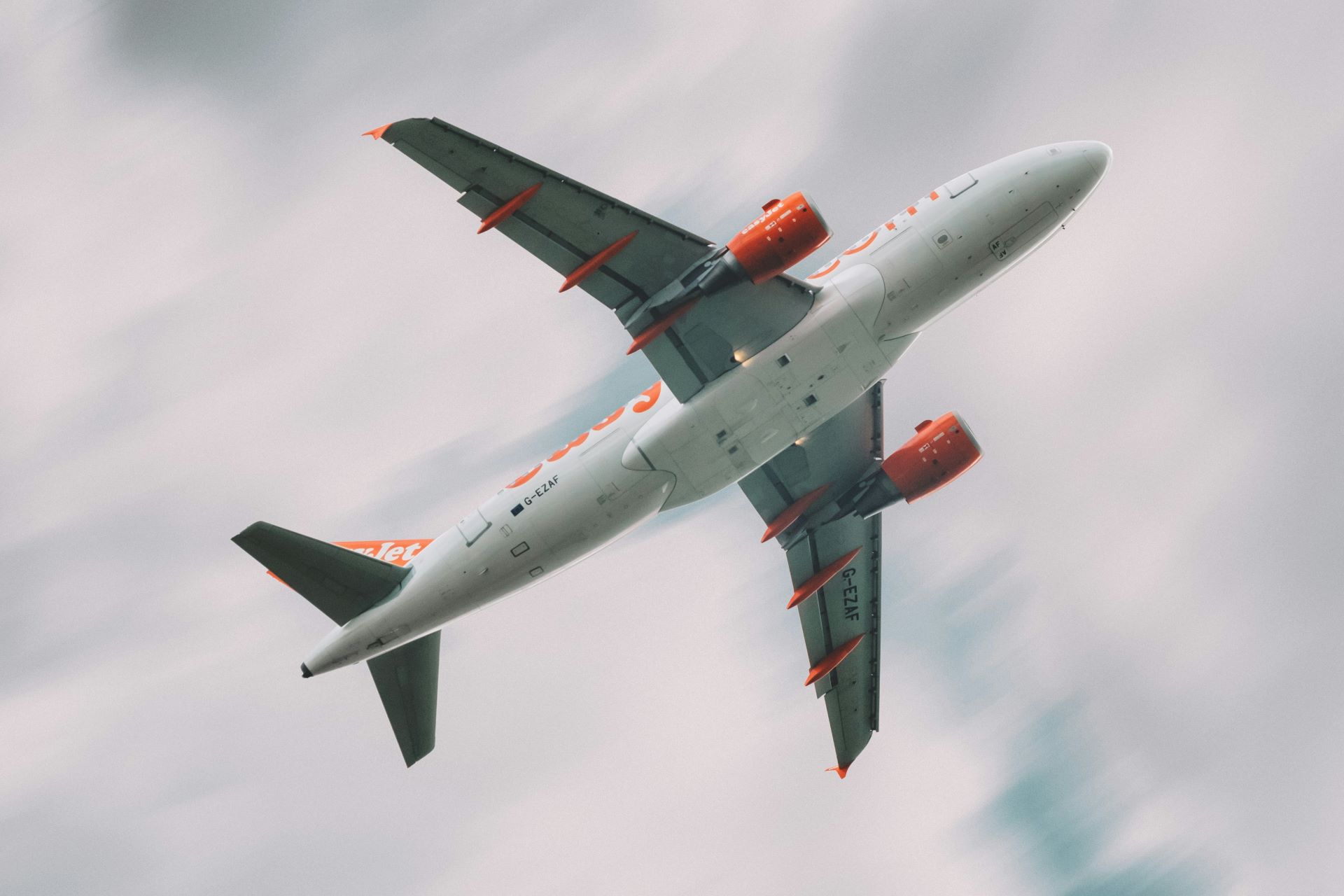
The Sky as a Living Atlas
There is a quiet poetry in looking at flight trackers. Each plane, represented by a small icon inching its way across the globe, is a story in motion. A reunion, a business pitch, a honeymoon, a diplomatic mission, an escape. Millions of lives lifted into the air, held there briefly by physics and hope, then returned to the ground—changed, or not, by the journey.
This is the true marvel of flight paths. They aren’t just about where we go. They’re about who we are when we decide to go. They are traces of aspiration and infrastructure, yes—but also of imagination. They remind us that we are a species in motion, forever trying to shrink distance, to transcend borders, to see the world from new angles.
In the vast grid of invisible aerial lanes that now net the planet, we find a startling and sobering truth: the sky doesn’t just cover the earth. It reflects it. And in reading the routes etched into that blue expanse, we glimpse not just the mechanics of air travel, but the deepest contours of the human condition.
Elisha Roodt
Our travel editorial desk specializes in uncovering the best flight deals and destination insights within South Africa. We bring you first-hand updates on airline industry moves and budget travel hacks.
More From Travel News
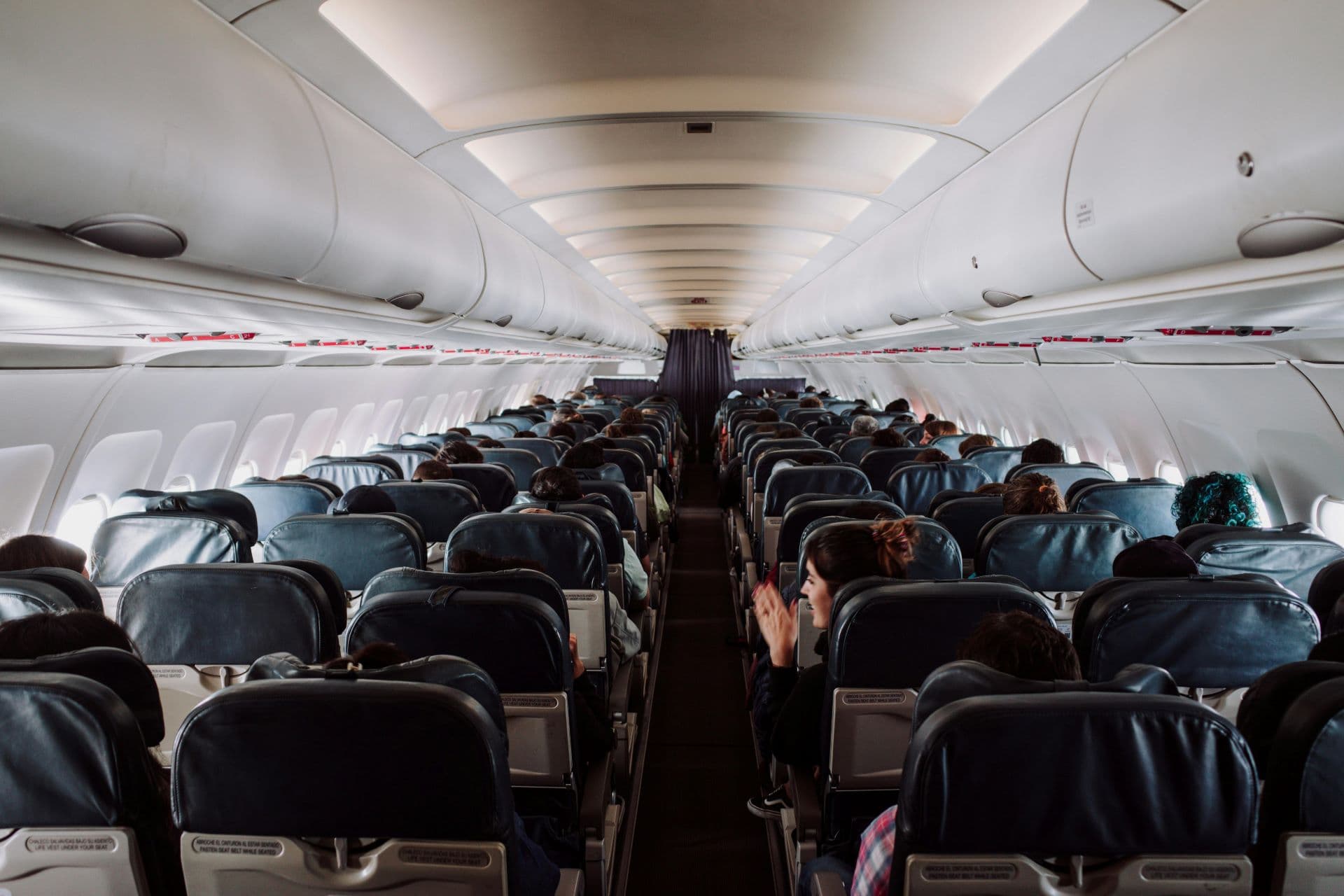
The Psychology of Seat Selection on Short Flights
Why do travellers choose window or aisle seats on short flights? Exploring passenger psychology in South African commercial aviation.
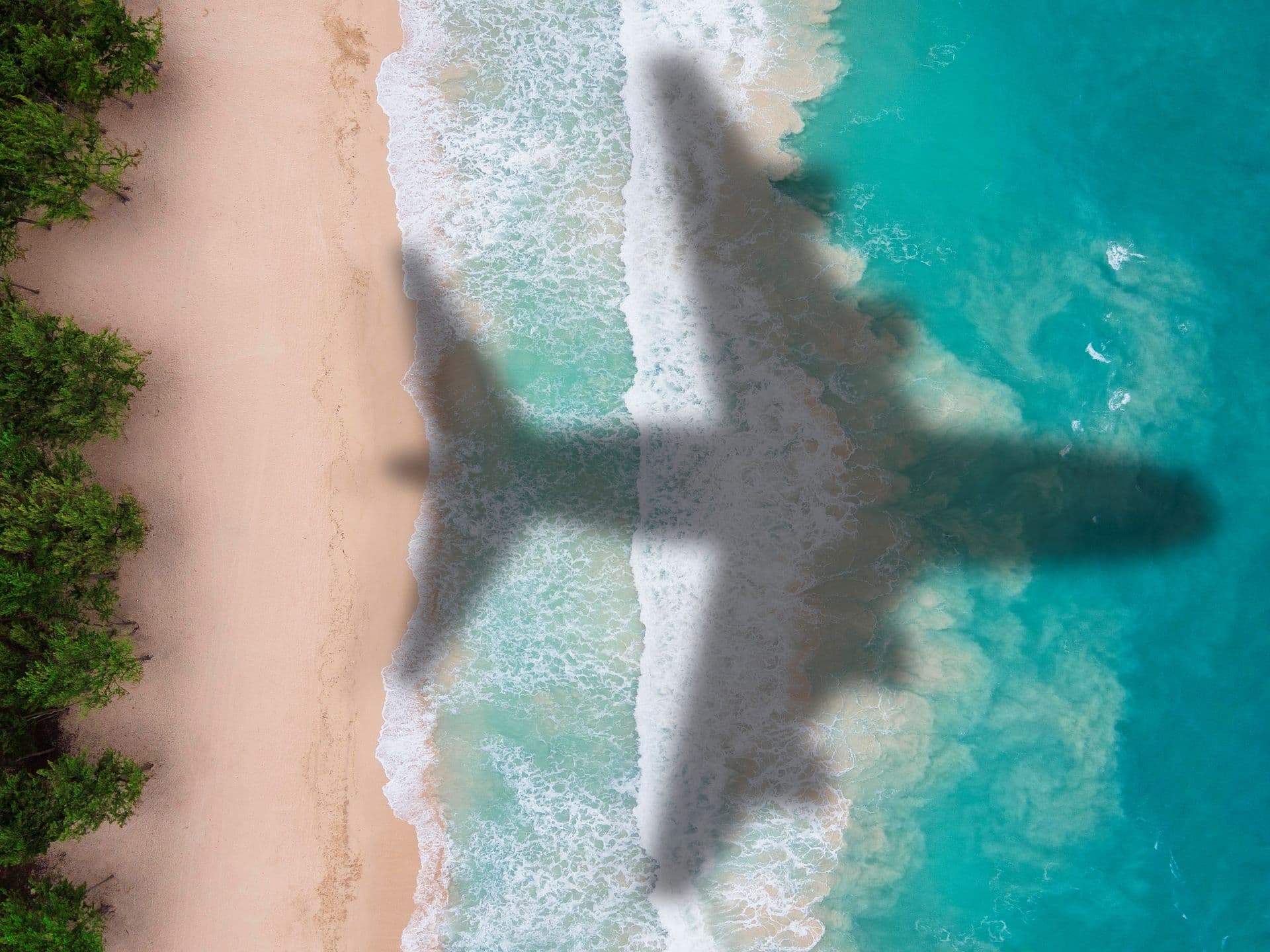
How Aviation Shapes South Africa’s Coastal Tourism
Aviation expands South Africa’s coastal tourism by redistributing seasonal travel, boosting beach destinations, and connecting global and domestic markets.
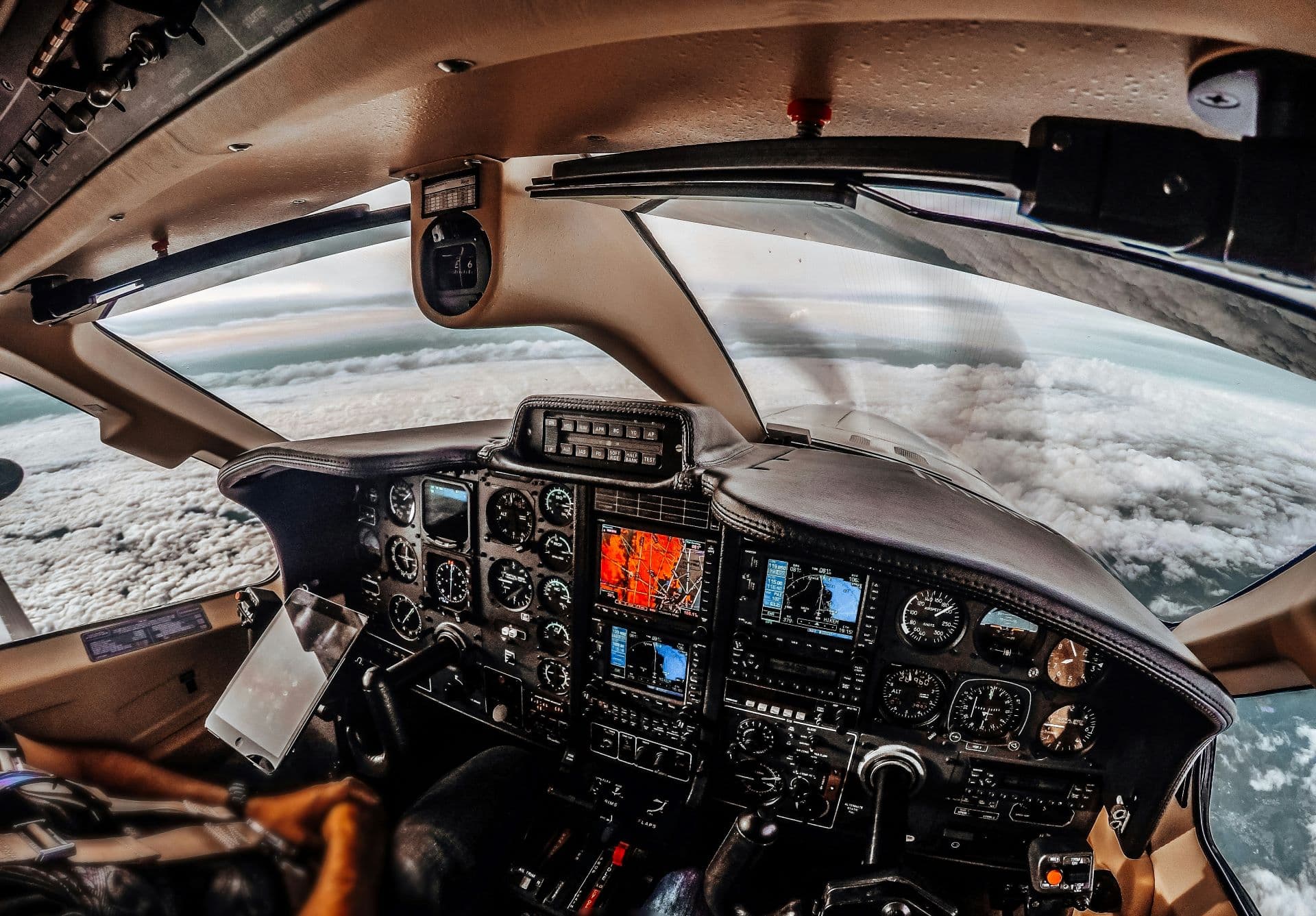
Inside Airline Pilot Training for Modern Aircraft
Discover how airlines train pilots for modern aircraft using advanced simulators, strict certification pipelines and continuous recurrent training.
Stay Informed, Stay
Ahead of the Curve
We don't just follow the headlines — we dive deeper. Our well-researched content is designed to empower you with the knowledge needed to navigate an industry shaped by innovation.
Seasoned Professionals
Industry stats and market performance metrics.