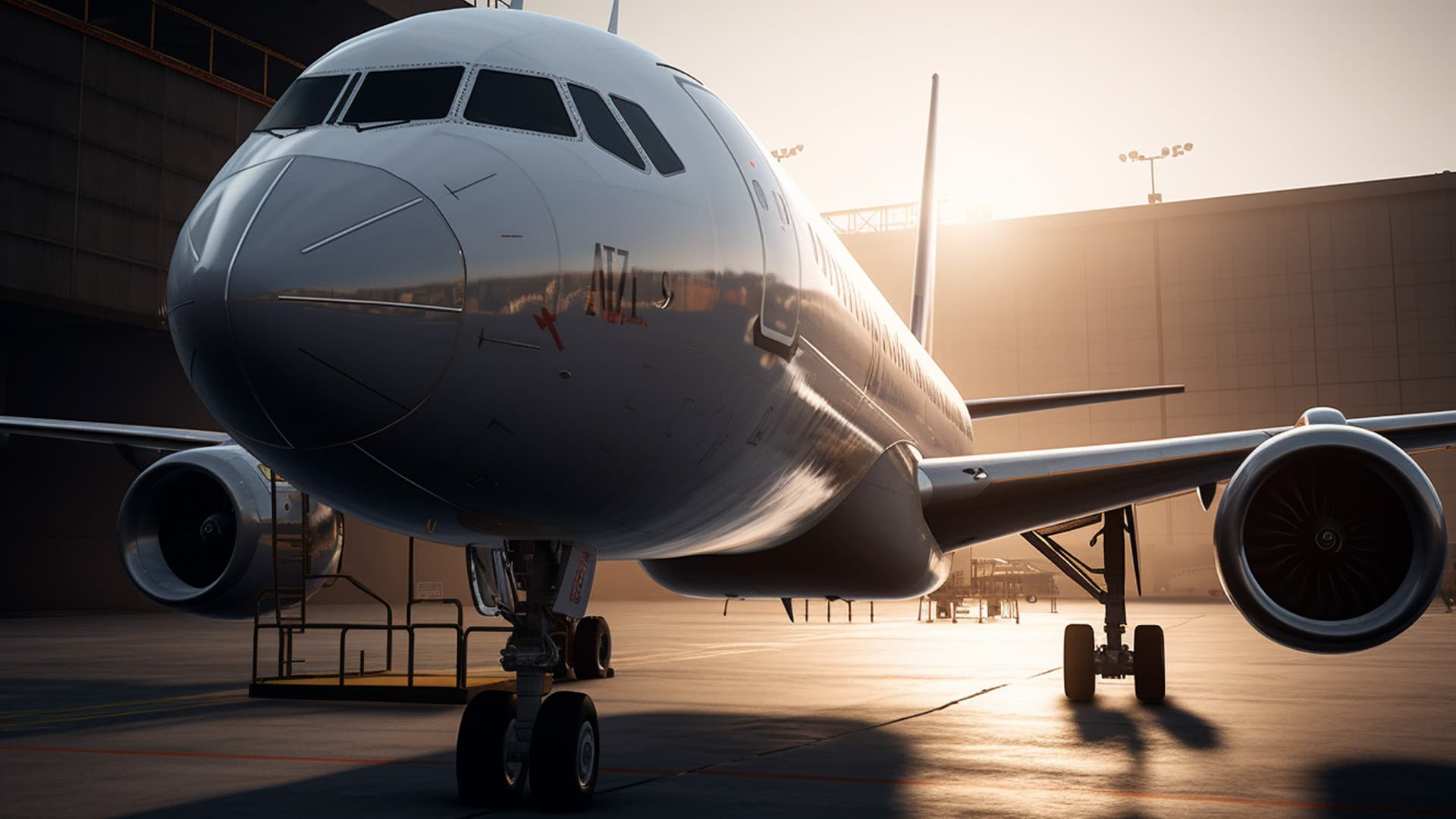
Air travel has always been emblematic of human progress and global connectedness. However, the COVID-19 pandemic brought unprecedented challenges that changed the face of aviation. Here's a look at how air travel evolved pre, during, and post-pandemic.The Golden Era - Pre-COVID Flights:
Air travel, in the years leading up to the pandemic, was experiencing an unparalleled renaissance. The early 21st century had seen aviation become not just a luxury for the few, but an accessible bridge connecting every corner of the globe. The world was more interlinked than ever before, and airplanes played a massive role in this global symphony.
Airports, once simple transit points, had transformed into colossal hubs of culture, commerce, and entertainment. Dubai's sprawling terminals felt like luxury malls, Singapore’s Changi entertained with gardens and slides, while places like Doha’s Hamad International boasted of fitness centers and art installations. Each airport tried to outdo the other, turning layovers into an integral part of the travel experience.
Airlines, too, were pushing boundaries. The competition was fierce, leading to a race in innovation and luxury. First-class cabins on carriers like Emirates, Singapore Airlines, and Qatar Airways resembled boutique hotel rooms. Even on more budget-friendly carriers, the emphasis on customer experience was palpable. Innovations in in-flight entertainment meant passengers had a plethora of movies, shows, and games at their fingertips. Culinary experiences took a leap with renowned chefs crafting menus and wine experts curating the perfect accompanying beverage.
Budget airlines played their own significant role in this golden era. Companies like Ryanair and AirAsia introduced a generation to the concept of spontaneous weekend trips and backpacking adventures, as hopping between cities became as easy and affordable as taking a bus or train. This democratization of air travel meant that experiences, once considered exclusive to the affluent, were now within the reach of many.
This accessibility also had a ripple effect on global tourism. Cities that were once hidden gems or hard to reach became bustling tourist hubs. Festivals, art installations, and cultural events across the world witnessed an influx of international attendees. Business too was booming, with professionals able to attend meetings in multiple continents in a single week, making the concept of global headquarters more fluid.
Environmental concerns did cast a shadow with the increasing number of flights contributing to carbon emissions. However, even in this domain, there was optimism. Many airlines were investing in research to make air travel more sustainable, be it through biofuels, electric planes, or more efficient flight paths.
Turbulent Times - During COVID:
The year 2020 dawned with a cloud of uncertainty that rapidly morphed into a storm for the aviation industry. As COVID-19 emerged from a regional outbreak to a global behemoth, air travel, which once epitomized freedom and connection, found itself in the eye of this unprecedented tempest.
Airports, those bustling hubs of human activity, transformed almost overnight. The once thronging terminals began to resemble ghost towns, with flights canceled en masse and departure boards painted with red cancellations. The cheerful cacophony of vacationers, business travelers, and family reunions was replaced by an unsettling silence, broken occasionally by public service announcements about health and safety.
For the flights that did manage to operate during the height of the pandemic, the experience was nothing short of surreal. Passengers, previously concerned about legroom and in-flight meals, now had pressing fears about viral transmission. The once-simple act of boarding was now marked by thermal scans, health declarations, and a sea of masks and face shields. The ubiquitous in-flight magazine, once a staple of air travel, was removed in many airlines due to contamination concerns. Meals, previously a time of engagement with crew and co-passengers, turned into minimalistic, often pre-packaged affairs handed out with minimal contact.
Onboard, flight attendants, the ever-smiling faces of the airlines, faced a paradigm shift in their roles. Dressed in PPE suits, their primary responsibility became ensuring health and hygiene protocols. The friendly chat, the warm reassurance to nervous fliers, and the personal touch that many brought to their jobs had to be curtailed, replaced by the pressing urgency of pandemic protocols.
Economically, the impact on the aviation sector was cataclysmic. Revenues plummeted as flights were grounded and bookings dropped to historic lows. Airlines, even the well-established ones, found themselves on the brink of bankruptcy. Massive layoffs and furloughs became commonplace. The ripple effect was seen in ancillary industries too – from aircraft manufacturers to catering services, from travel agencies to airport retail – every link in the aviation value chain felt the strain.
Beyond economics, the emotional and societal impact was profound. Families were separated by closed borders, students couldn't return to their international universities, and professionals were stranded in foreign lands, away from their jobs and homes. The concept of travel, once taken for granted, became a luxury or, in some cases, an impossibility.
Yet, even in these challenging times, there were glimmers of hope. Repatriation flights, coordinated by governments and airlines, brought stranded individuals back to their homeland. The aviation community rallied, with many airlines transforming passenger planes into cargo carriers, transporting essential medical supplies across the world.
The pandemic period for air travel was marked by challenges and changes unparalleled in the history of aviation. It was a time of introspection, resilience, and adaptability – a period where the industry, despite being grounded in many ways, showcased its indomitable spirit.
A New Dawn - Post-COVID Flights:
Emerging from the shadows of the pandemic, the aviation world confronted a new landscape. This was not a mere resumption of what was, but the dawn of a reimagined era for air travel, marked by resilience, adaptability, and a redefined sense of purpose.
Airports, once eerily quiet during the height of the pandemic, began to slowly regain their pulse. But the revived terminals were not just busier—they were smarter. New technologies were rapidly integrated into the travel process. Biometric screenings, touchless kiosks, and digital health passports became standard features, streamlining the journey while prioritizing passenger health. The meticulous sanitization routines implemented during the pandemic persisted, ensuring that cleanliness and passenger well-being remained paramount.
In the skies, airlines re-evaluated their operations from the ground up. Many carriers restructured their networks, focusing on domestic and regional routes as international restrictions remained fluctuating. The aircraft themselves saw transformations. Cabin designs became more health-conscious, with improved air filtration systems and materials that resisted microbial growth. Even in-flight menus were reimagined, embracing both safety and sustainability, reflecting a broader industry shift towards environmental responsibility.
This renewed focus on sustainability was one of the silver linings of the pandemic. The hiatus in regular operations allowed the industry to reflect upon its environmental footprint. Investments surged in research for cleaner fuels, more efficient aircraft designs, and carbon offset initiatives. Airlines weren't just returning to the skies; they aimed to do so in a manner more harmonious with the planet.
Yet, perhaps the most profound change was in the mindset of the travelers themselves. Confined for months, people emerged with a renewed wanderlust, but their choices reflected a deeper, more introspective approach to travel. Over-touristed cities and attractions saw fewer footfalls, while remote, nature-centric destinations soared in popularity. Travelers sought genuine experiences, deeper cultural engagements, and destinations that offered both relaxation and rejuvenation.
Moreover, the fragility of global connectivity, made evident by the pandemic, led to a greater appreciation for the privilege of travel. Trips were no longer mere getaways but cherished experiences, each journey a testament to the resilience of the human spirit and our collective desire to explore, connect, and celebrate life.
In essence, the post-COVID era for aviation is not just about recovery; it's about reinvention. It speaks of an industry that took a global setback and transformed it into an opportunity—a chance to redefine air travel for the better, ensuring that it remains a force for global unity, progress, and shared human experiences.Future Horizons - The Evolving Tapestry of Travel:
As we navigate through these transformative times, pondering the future of travel is both a matter of curiosity and necessity. While the post-pandemic world has signaled the onset of new travel norms, the spirit of exploration remains a constant, driven by an innate human desire to connect, discover, and experience.
Predicting an exact timeline for when things will revert to "normal" is complex. However, the concept of 'normal' itself is evolving. What we once took for granted in our travel routines has been forever altered by our recent experiences. Aspects of our current travel methods, born out of necessity during the pandemic, might find a permanent place in our future voyages, blending seamlessly with pre-COVID practices. The emphasis on health, hygiene, and technology-driven solutions, for instance, are likely to persist, ensuring safer and more efficient journeys.
Yet, the essence of travel—the joy of a new discovery, the thrill of meeting new people, and the serenity of a getaway—will remain unchanged. We might don new tools, adopt new habits, and embrace new perspectives, but the heart of the traveler will beat with the same fervor.
Looking ahead, the resilience showcased by the aviation and travel industry, combined with global vaccination efforts and scientific advancements, offers hope. Many experts forecast a significant rebound in global travel within the next few years. Business travel might see a paradigm shift with the rise of virtual meetings, but leisure travel is expected to flourish, driven by pent-up demand and a renewed appreciation for the wonders our world holds.
In essence, while the roadmap to our "new normal" is still being charted, one thing remains clear: travel, in whatever form it takes, will continue to be an integral part of our human story. It will evolve, adapt, and flourish, reflecting our collective resilience and unyielding passion to journey beyond the horizon.
Gerald Ferreira
Our travel editorial desk specializes in uncovering the best flight deals and destination insights within South Africa. We bring you first-hand updates on airline industry moves and budget travel hacks.
More From Travel News
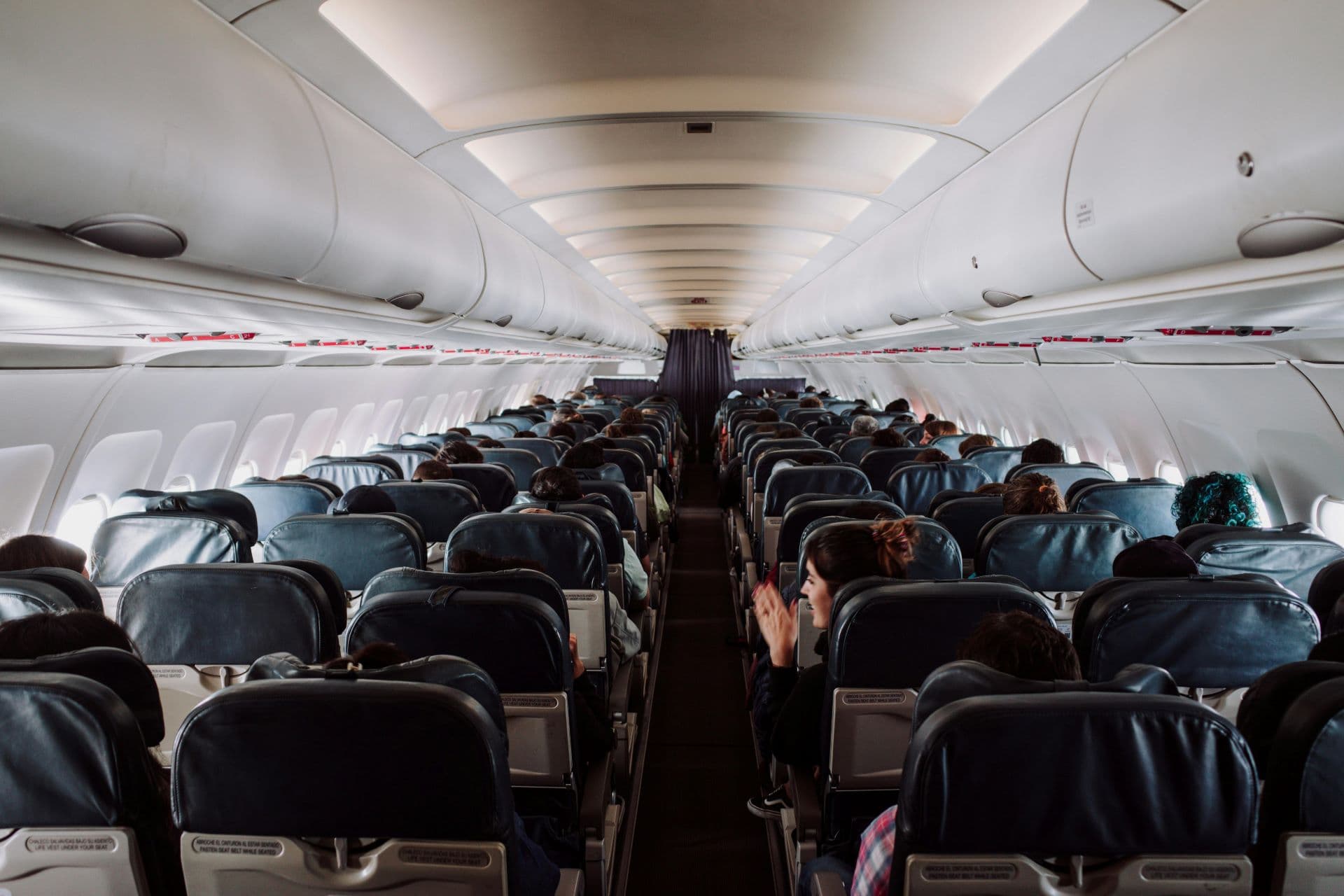
The Psychology of Seat Selection on Short Flights
Why do travellers choose window or aisle seats on short flights? Exploring passenger psychology in South African commercial aviation.
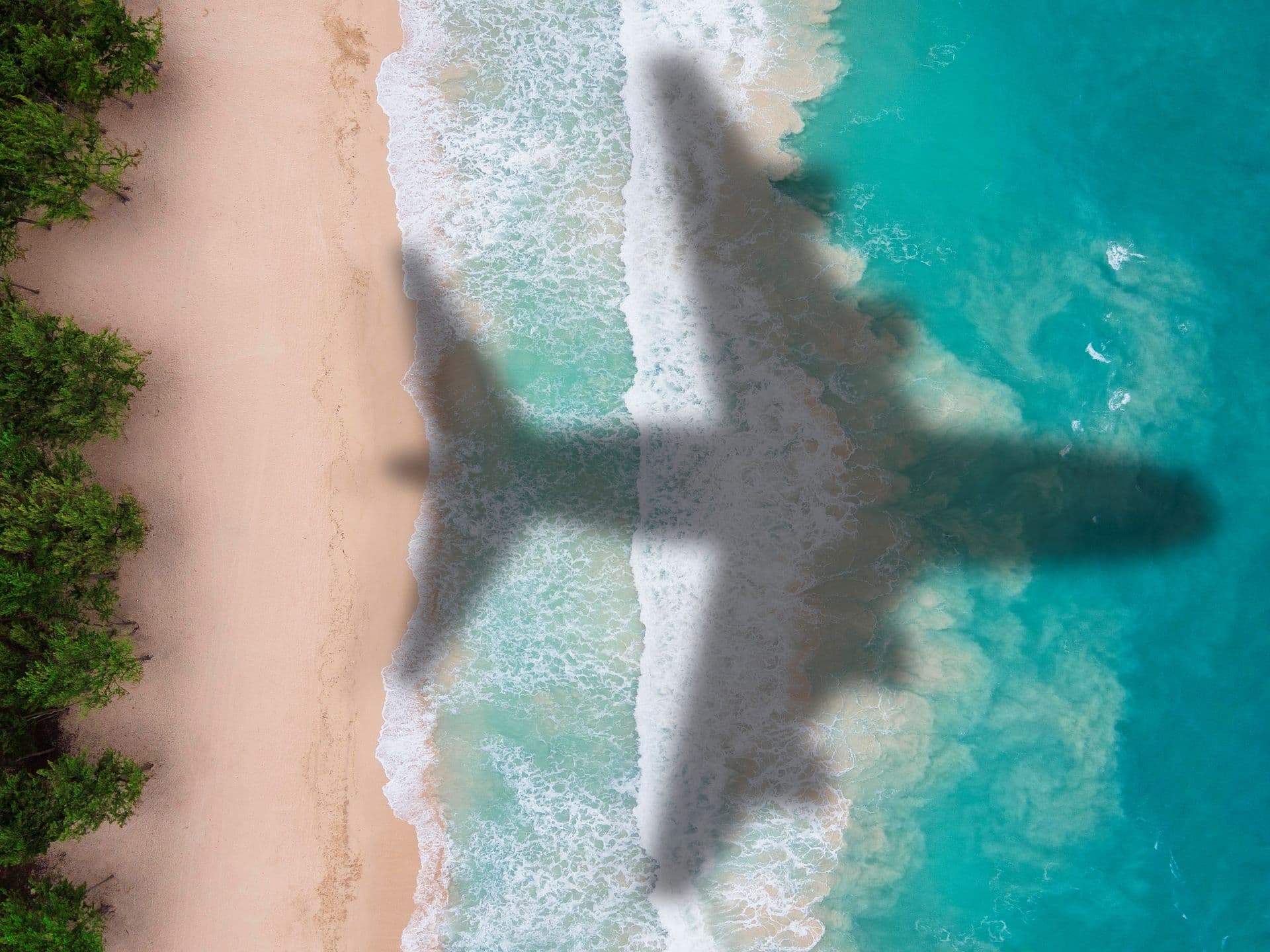
How Aviation Shapes South Africa’s Coastal Tourism
Aviation expands South Africa’s coastal tourism by redistributing seasonal travel, boosting beach destinations, and connecting global and domestic markets.
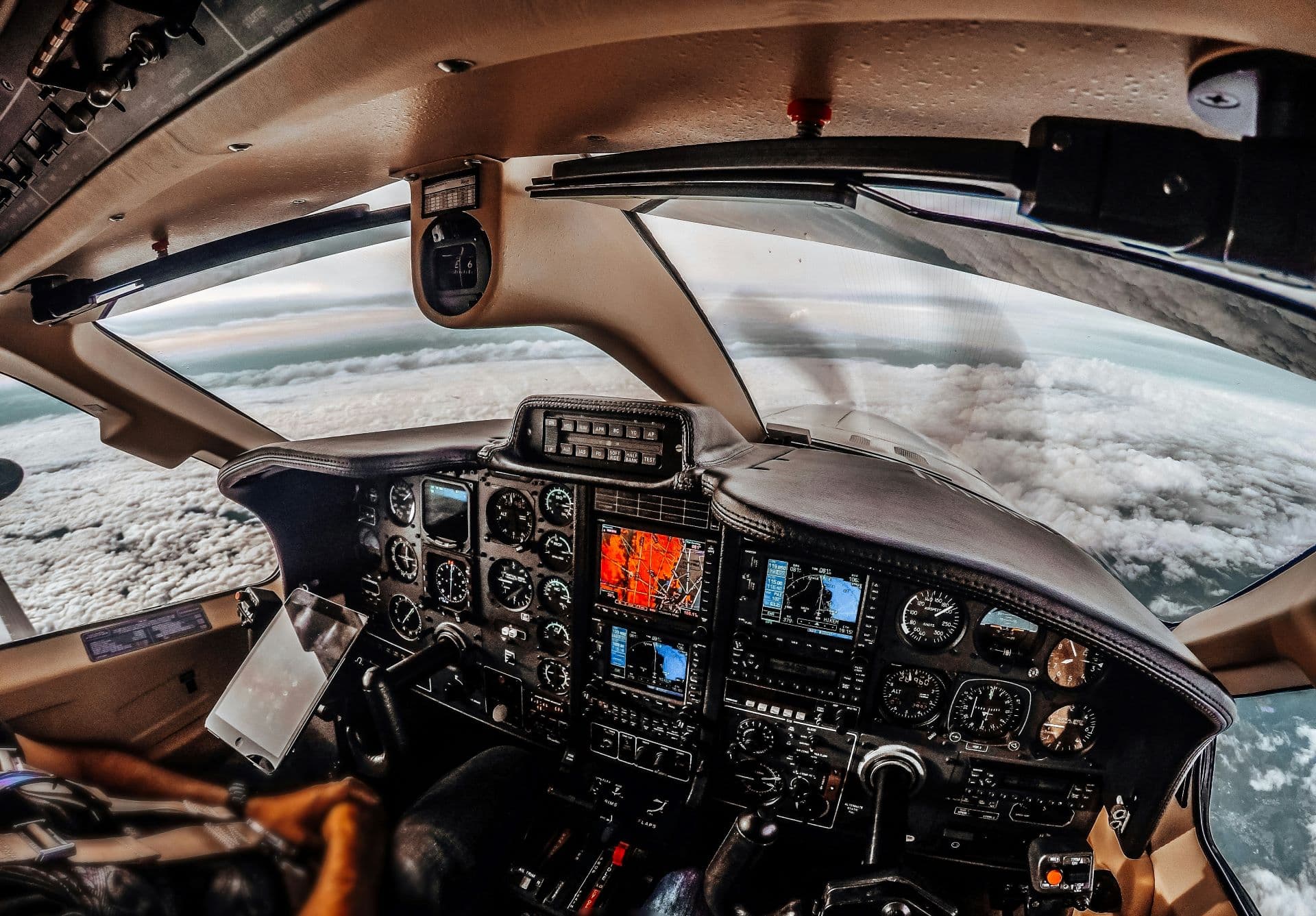
Inside Airline Pilot Training for Modern Aircraft
Discover how airlines train pilots for modern aircraft using advanced simulators, strict certification pipelines and continuous recurrent training.
Stay Informed, Stay
Ahead of the Curve
We don't just follow the headlines — we dive deeper. Our well-researched content is designed to empower you with the knowledge needed to navigate an industry shaped by innovation.
Seasoned Professionals
Industry stats and market performance metrics.