
There was a time when the phrase "airline food" summoned images of lukewarm trays, plastic cutlery, and meals better left untouched. In the early 2000s, jokes about airplane meals became a comedic staple, and even the most seasoned travelers approached their in-flight fare with low expectations. Today, however, a revolution is unfolding 30,000 feet above sea level. Airlines across the globe are redefining the in-flight culinary experience, aiming not merely to feed, but to delight.
Driven by growing passenger expectations, global competition, and the pursuit of elevated customer experience, the airline industry is investing heavily in innovation and quality when it comes to on-board cuisine. This article explores the transformation of in-flight dining, from its humble beginnings to the gourmet experiences offered today, and looks ahead at the future of food above the clouds.
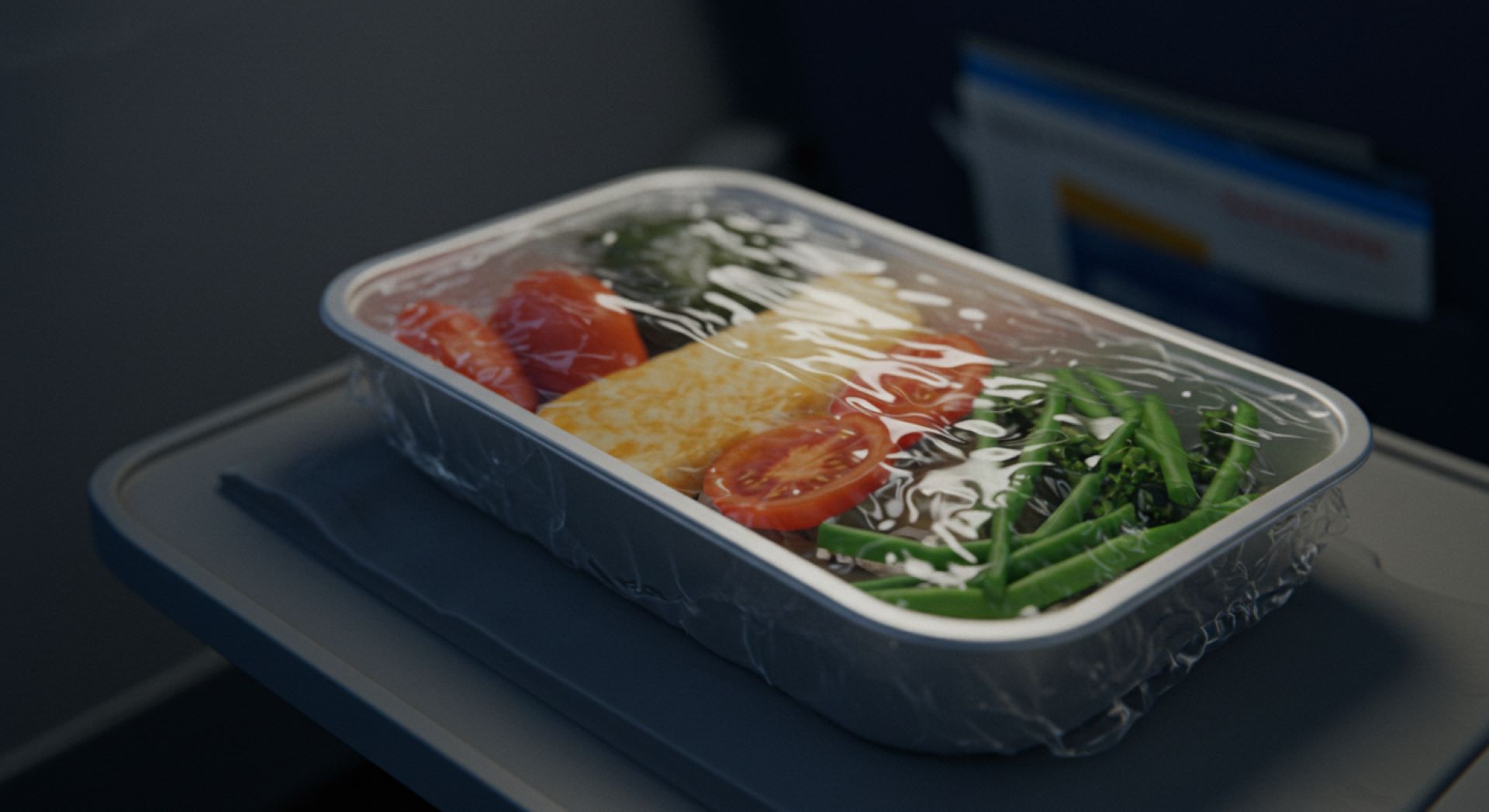
The History of Airline Food
The story of in-flight dining began in 1919, when Handley Page Transport served pre-packed sandwiches to passengers flying between London and Paris. By the 1930s, flying boats operated by Imperial Airways offered multi-course meals served by white-gloved stewards. The golden age of air travel in the 1950s and 60s saw lavish meals served on fine china in first class, reflecting the prestige associated with flying.
However, the deregulation of the airline industry in the 1970s and the emergence of low-cost carriers in the 1990s shifted priorities. Cost-cutting measures meant meals became more utilitarian, with quantity replacing quality. Microwave-heated meals in foil trays became standard across most classes.
The early 21st century marked a turning point. As competition increased and premium travel emerged as a battleground for brand differentiation, airlines began to reinvest in food. The rise of celebrity chef collaborations, boutique catering companies, and customer-centric meal design signaled a shift toward culinary excellence.
Challenges of In-Flight Catering
Creating gourmet experiences in the sky is no easy feat. One of the most significant challenges is altitude. At cruising altitude, the dry cabin air and reduced air pressure dull passengers' sense of taste and smell—by up to 30%, according to Lufthansa’s research. This makes food taste bland, requiring careful adjustments in seasoning and preparation.
Space constraints in galleys, strict safety regulations, and limited access to fresh ingredients present additional obstacles. Meals must be prepared in catering kitchens on the ground, chilled, transported, and reheated on board—without compromising taste or texture.
Time is also a critical factor. With limited windows for service, efficiency and consistency are paramount. Add to this the diversity of dietary requirements and cultural preferences, and it becomes clear that in-flight catering is a complex, high-stakes operation.
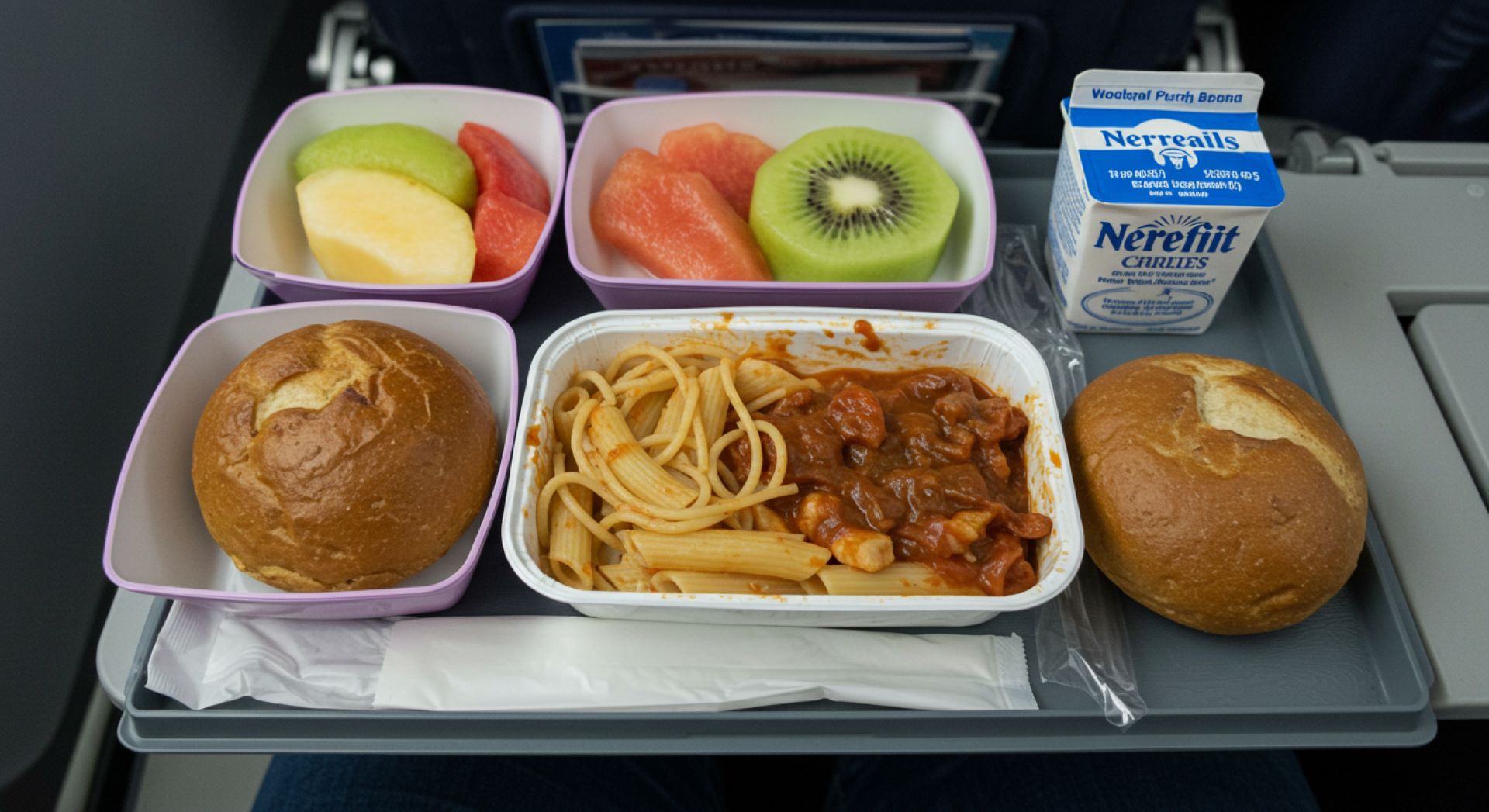
Innovations and Trends in Airline Cuisine
Despite these challenges, airlines have made remarkable strides in transforming their food offerings. The most notable trend is the partnership with acclaimed chefs. Qatar Airways works with Nobu Matsuhisa, Singapore Airlines with Georges Blanc, and Turkish Airlines with Do & Co, an Austrian catering company known for its gourmet standards.
These collaborations bring fine-dining sensibilities to the sky, with menus crafted for altitude and based on seasonal, regional ingredients. Farm-to-tray concepts—where airlines source produce locally to reduce carbon footprints and enhance freshness—are gaining traction.
Technology also plays a role. Advanced freezing and reheating techniques, such as sous-vide and blast chilling, help preserve flavor and texture. Some airlines have even begun experimenting with 3D food printing and AI-assisted menu personalization.
Special meals have evolved beyond basic vegetarian or kosher options. Emirates offers over 170 special meal types, from Jain vegetarian to low-lactose, while JetBlue's Mint class allows pre-ordering from a curated menu. Customization is becoming key to passenger satisfaction.
Furthermore, the role of food in brand storytelling is more prominent than ever. Airlines like Air France emphasize their French culinary heritage, while Japan Airlines incorporates regional Japanese dishes that reflect the cultural identity of their routes.
Spotlight on Leading Airlines
Singapore Airlines is often cited as the gold standard in in-flight cuisine. Their "Book the Cook" service allows premium passengers to pre-select from a gourmet menu designed by an international panel of chefs. Dishes such as lobster thermidor and chicken satay are not only luxurious but carefully crafted for in-flight enjoyment.
Qatar Airways, named Skytrax’s World’s Best Airline in 2024, offers regionally inspired meals such as lamb machboos and hammour fillet. Their collaboration with renowned chefs ensures meals are refined and culturally resonant, while their service rituals—such as linen tablecloths and proper glassware—elevate the experience.
ANA (All Nippon Airways) focuses on authenticity and regionality. Their rotating menu features specialties from different Japanese prefectures, showcasing local ingredients and culinary traditions. Their partnership with Japan’s Culinary Academy ensures that even economy passengers experience the essence of Japanese gastronomy.
Turkish Airlines has earned accolades for its on-board "flying chefs"—trained professionals who prepare and plate meals in business class. This hands-on approach ensures restaurant-quality presentation and an enhanced sense of luxury.
In Europe, Lufthansa and Swiss International Air Lines have redefined premium cabin dining by embracing seasonal produce and local specialties. Lufthansa’s "Taste of Heimat" program showcases German regional cuisine, while SWISS incorporates Alpine ingredients and recipes into its menus.
The Future of In-Flight Dining
Looking ahead, sustainability is set to shape the next chapter in airline cuisine. Airlines are reducing single-use plastics, sourcing from sustainable farms, and exploring zero-waste catering models. Scandinavian Airlines and Finnair, for instance, have trialed plant-based packaging and reusable serviceware.
Personalization, driven by data, will continue to grow. Airlines are exploring platforms that allow passengers to input dietary preferences, health goals, and favorite cuisines prior to travel, enabling bespoke meal offerings. Virtual reality and augmented reality may also play a role, enhancing the sensory experience of food.
Health-conscious menus are likely to dominate, with a focus on functional foods—meals designed to aid hydration, reduce jet lag, or improve sleep. Airlines may even collaborate with nutritionists and wellness brands to deliver meals tailored to specific passenger needs.
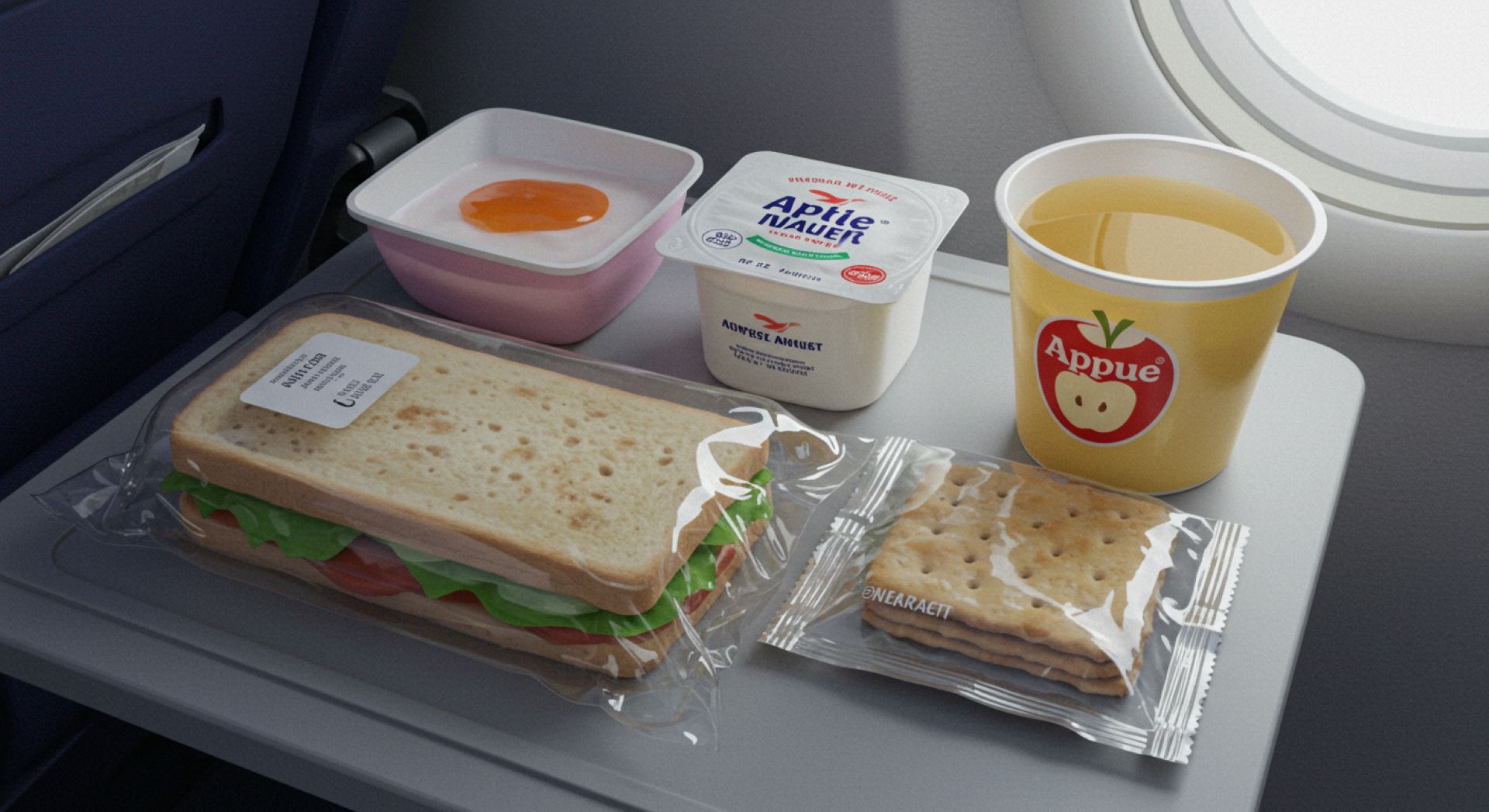
From its humble beginnings as a simple sandwich to today’s multi-course gourmet experiences, in-flight dining has come a long way. Airlines are not just feeding passengers; they’re telling stories, forging identities, and enhancing loyalty through culinary innovation.
For frequent flyers and discerning travelers, the meal served mid-flight has become more than sustenance—it’s a highlight of the journey. As technology advances and sustainability becomes imperative, the sky is not the limit, but a canvas for culinary creativity.
The next time you fasten your seatbelt and hear the hum of the engines, take a moment to savor the meal before you. It’s a taste of how far aviation has come—and a glimpse of where it’s headed.
Gerald Ferreira
Our travel editorial desk specializes in uncovering the best flight deals and destination insights within South Africa. We bring you first-hand updates on airline industry moves and budget travel hacks.
More From Travel News
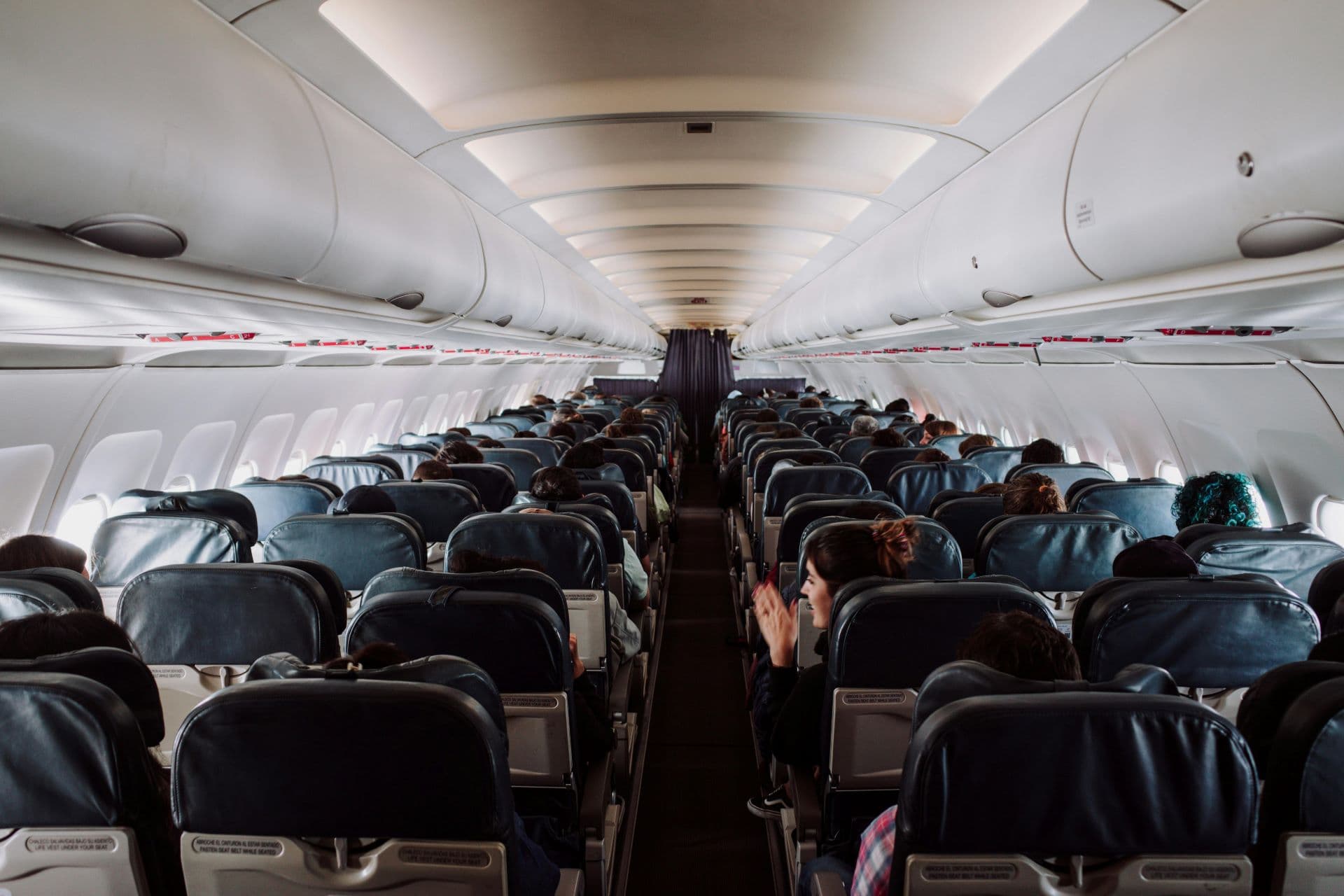
The Psychology of Seat Selection on Short Flights
Why do travellers choose window or aisle seats on short flights? Exploring passenger psychology in South African commercial aviation.

How Aviation Shapes South Africa’s Coastal Tourism
Aviation expands South Africa’s coastal tourism by redistributing seasonal travel, boosting beach destinations, and connecting global and domestic markets.
Inside Airline Pilot Training for Modern Aircraft
Discover how airlines train pilots for modern aircraft using advanced simulators, strict certification pipelines and continuous recurrent training.
Stay Informed, Stay
Ahead of the Curve
We don't just follow the headlines — we dive deeper. Our well-researched content is designed to empower you with the knowledge needed to navigate an industry shaped by innovation.
Seasoned Professionals
Industry stats and market performance metrics.