
In the age of immersive travel experiences and Instagram-worthy vistas, adventure has taken to the skies—quite literally. Scenic flights, once the domain of aviation enthusiasts and luxury travellers, are soaring in popularity as adventurers seek new, awe-inspiring perspectives of the world’s most iconic (and often inaccessible) landscapes.
From low-flying helicopters skimming across African savannahs to fixed-wing aircraft cruising over the jagged peaks of Patagonia, the experience of adventure travel is no longer confined to terra firma. Today, it's about the altitude, the horizon, and the jaw-dropping drama of the earth seen from above.
This is the story of how scenic flights are reshaping what it means to explore, to connect, and to be transformed by travel.
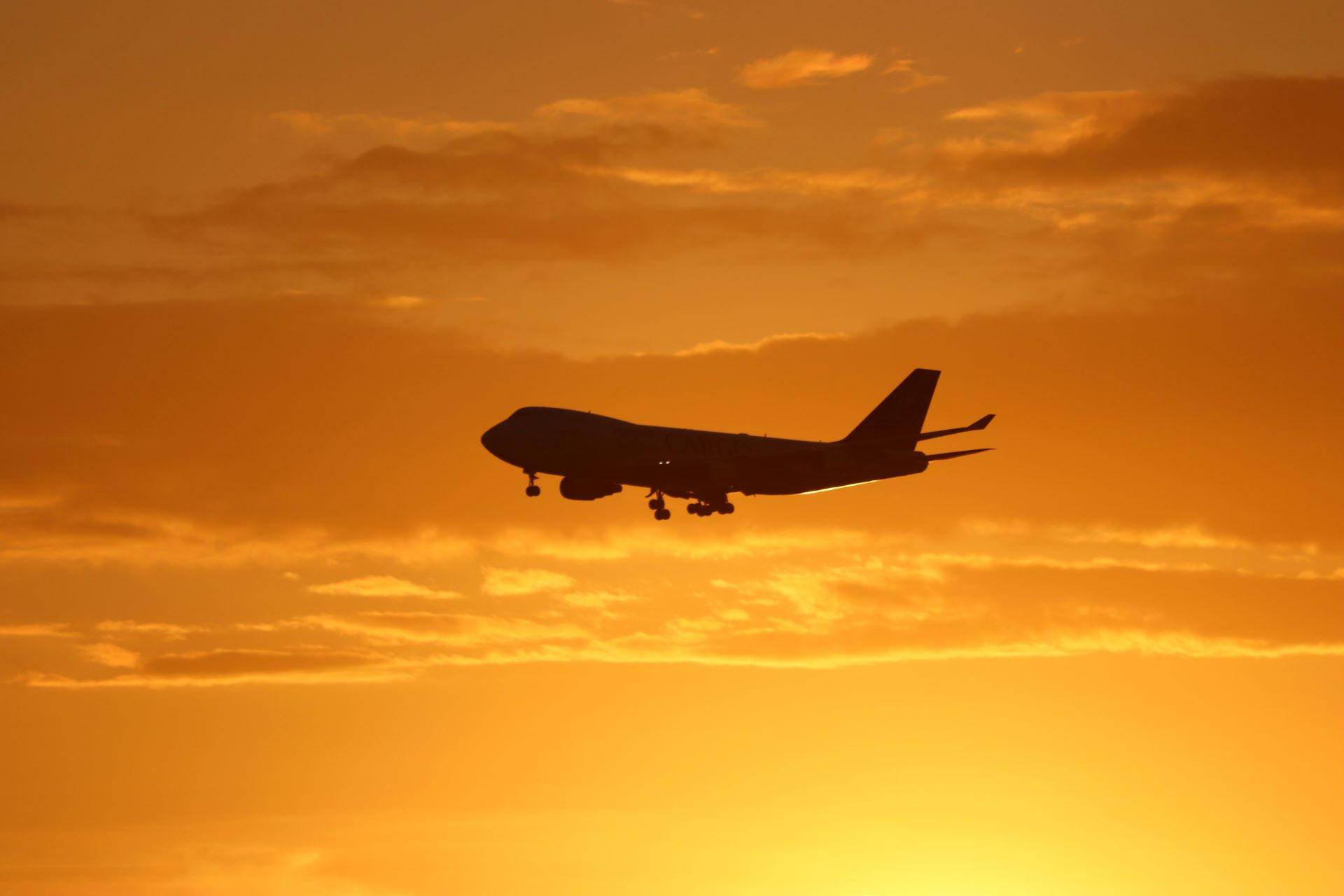
The Evolution of Aerial Adventure
Adventure travel has always evolved in tandem with access and technology. Where explorers once braved uncharted terrain on foot or horseback, the 21st-century traveller embraces a broader sensory toolkit—GPS-guided trekking, drones, ultralight gliders, and now, curated flight experiences that blend thrill with elegance.
Scenic flights, which began as passive sightseeing tools, are now marketed as core experiences. Operators across the globe are offering highly tailored aerial tours that tap into a primal human desire: to see the world from above and grasp its sheer scale, mystery, and majesty.
The shift is subtle but significant. These are not merely joyrides; they are experiences curated to evoke wonder. Think low-hovering helicopters over volcanoes, doors-off flights for photographers, champagne brunches above the Okavango Delta, or glacier landings in New Zealand’s Southern Alps. The sky has become both a destination and a means of getting there.
The Psychological Pull: Why the Skies Captivate Us
There’s something inherently transformative about viewing landscapes from above. It's not just the beauty—though that is undeniable. It’s the perspective.
“Flying offers a cognitive reset,” says Dr. Margot Langen, a psychologist who studies the links between travel and mental wellness. “When we gain altitude, we gain detachment. We see connections between rivers and ridges, city grids and coastlines. It pulls us out of the detail and into the big picture.”
In that sense, scenic flights are meditative. Much like hot-air ballooning or gliding, they offer silence, clarity, and presence. You're not just travelling through a place; you're absorbing its essence, mapping its contours into memory.
This has profound implications for how people now curate their travels. No longer are bucket lists confined to standing at the Grand Canyon’s edge. Now, it’s about floating above it, watching sunlight spill across its walls like liquid gold.
High-Impact, Low-Footprint: A Sustainable Option?
One might assume that scenic flights contradict the growing movement toward sustainable travel. After all, aviation has long been the environmental bogeyman of tourism. But surprisingly, many flight operators are actively reframing the narrative.
In places like Namibia, Alaska, and Papua New Guinea, scenic flights are often the least disruptive way to explore sensitive ecosystems. A fixed-wing aircraft soaring at altitude causes far less ecological disturbance than a convoy of 4x4s grinding through dunes or forests.
Helicopter companies are investing in quieter, fuel-efficient models, and there's a growing niche of electric aircraft being trialled for short-range excursions. In Switzerland, for example, start-ups are using battery-powered planes to offer zero-emission Alpine tours.
Furthermore, the carbon footprint of a 90-minute flight with five passengers is often lower than a multi-day overland trip covering the same area. The key, experts say, is to use flight not as an accessory, but as an alternative.
Icons from Above: The World’s Most Spellbinding Aerial Experiences
Across the continents, scenic flights are revealing natural and cultural wonders in new light. Here are just a few destinations where the view from above redefines the very idea of adventure:
Victoria Falls, Zambia/Zimbabwe
Known as “The Smoke That Thunders,” Victoria Falls is breathtaking from ground level—but seen from a microlight aircraft? It’s otherworldly. Mist rises like plumes of steam, rainbows arc across the gorge, and the Zambezi River unspools in serpentine twists. It’s a sensory overload that rivals any terrestrial safari.
The Grand Canyon, USA
Nothing prepares you for the grandeur of America’s most iconic canyon until you’ve flown into it. Helicopter tours swoop below the rim, revealing strata, spires, and gorges in cinematic scale. Add a sunset flight and the canyon glows crimson, amber, and violet—a natural cathedral in motion.
Okavango Delta, Botswana
As Africa’s last true inland delta, the Okavango is a pulsing oasis of life. Scenic flights offer the best vantage for wildlife spotting: herds of elephants, pods of hippos, and the snaking watercourses that sustain them. For photographers, the contrasts of water, grass, and sky are unparalleled.
The Himalayas, Nepal
Mount Everest Base Camp is a pilgrimage for trekkers—but imagine circling the summit itself. Fixed-wing aircraft and helicopters offer once-in-a-lifetime views of the world’s tallest peaks, many of which remain inaccessible on foot. It's humbling, and for many, spiritual.
Great Barrier Reef, Australia
While snorkelling offers intimacy, scenic flights provide context. Seen from above, the reef resembles an abstract painting—turquoise splotches, coral blooms, and sandbanks. Operators often include marine biologists onboard to narrate the ecology below, making it a scientific adventure, too.
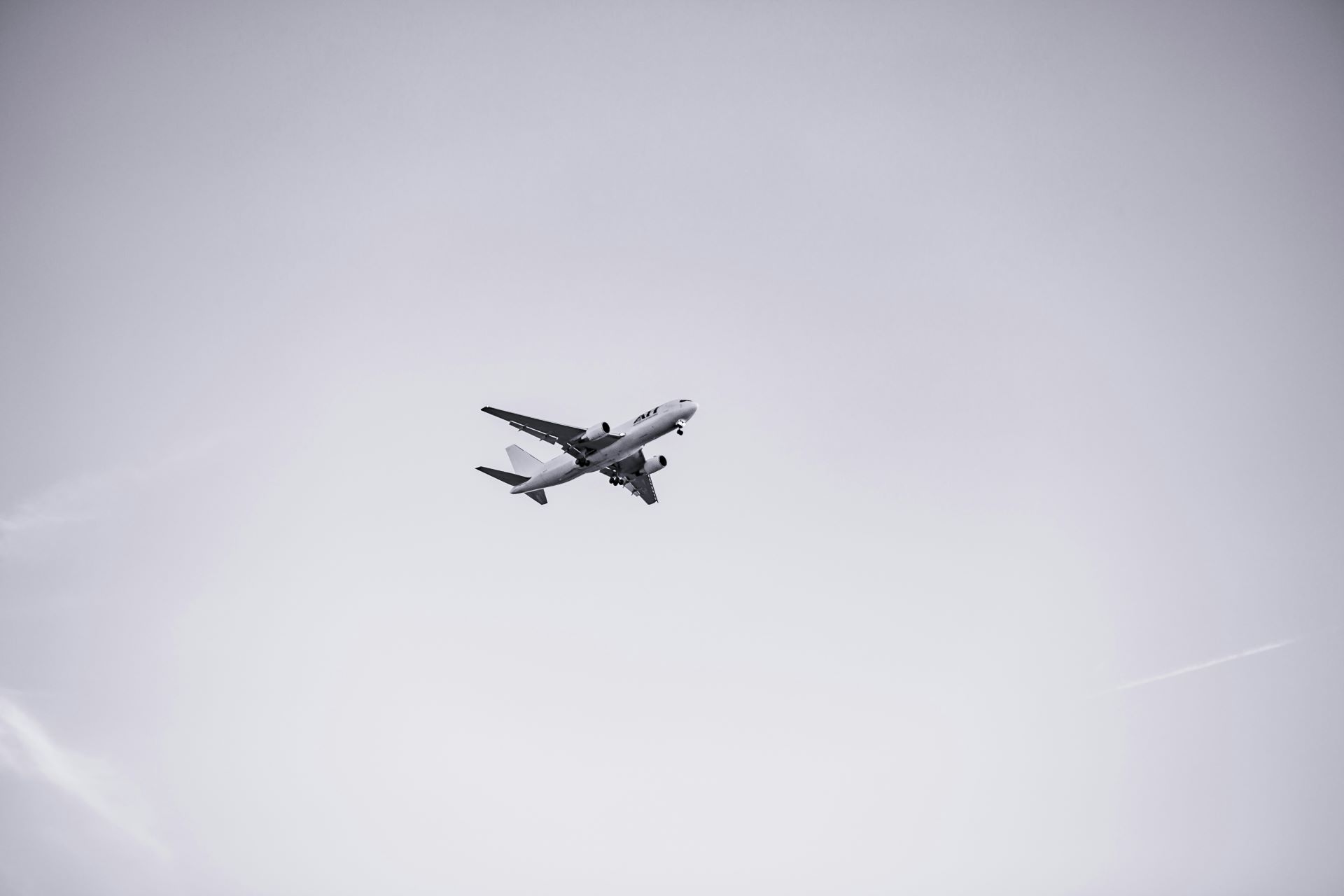
Redefining Luxury: Experience over Excess
The modern luxury traveller craves meaning, not just material. In this space, scenic flights offer an elegant solution—providing peak experiences with minimal intrusion.
This is not about excess. Rather than gold-plated cabins or caviar service, luxury is redefined as access: a snow-capped peak reachable only by helicopter, a picnic on a remote sandbar revealed only at low tide, or a first glimpse of migrating whales from 3,000 feet.
High-end travel designers are building entire itineraries around aerial immersion. Companies like Abercrombie & Kent, Pelorus, and Scenic Eclipse are offering multi-leg journeys that combine private air access with exclusive land-based stays. It's a model that prioritises seamless, experience-rich travel.
For the Everyday Traveller: Democratising the Skies
Perhaps the most exciting shift in this trend is its accessibility. Once reserved for honeymooners or the ultra-wealthy, scenic flights are increasingly affordable thanks to technological innovation, shared tour models, and regional investment in tourism infrastructure.
In South Africa, for example, fly-in safaris now compete in price with traditional lodge-based options. In Iceland, aerial volcano tours can be booked as half-day excursions. And in Indonesia, floatplanes are opening up remote island chains previously reachable only by boat.
Budget travellers are also getting creative. Some use drone-style apps to map out the best viewpoints from public observation flights. Others plan layovers around flightseeing opportunities—such as Alaska Airlines’ famed coastal routes or Air New Zealand’s passes over the Southern Alps.
The sky, it seems, is no longer the limit.
The Role of Technology: VR, Drones, and the Future of Flightseeing
As scenic flights continue to evolve, technology is pushing the envelope further. Virtual reality, for instance, is being integrated into pre-flight briefings to enhance anticipation. Some operators now offer VR “memory capture” kits—allowing passengers to revisit their flight in 360° video.
Drones, too, have expanded the aesthetic language of aerial exploration. Travellers can now book drone photographers to accompany flights, capturing cinematic footage from perspectives even the pilot can’t access.
Looking ahead, autonomous aircraft, eVTOL (electric vertical take-off and landing) vehicles, and AI-assisted tour narration could revolutionise the flight experience even further. Imagine an app that syncs your window view with GPS, AI-generated commentary, and historical overlays.
The convergence of adventure and technology promises to make aerial travel not just more efficient, but more enriching.
Human Connection in the Clouds
In the end, the true power of scenic flights lies not in the altitude but in the emotion. There’s something deeply connective about sharing that first gasp as the horizon expands, or pointing out an elephant trail winding through the trees far below.
For solo travellers, it’s often the most memorable moment of a journey. For couples, it’s romantic in a way few experiences can rival. And for families, it’s a shared memory that transcends generations.
It’s not just about what you see—it’s about how you feel when you see it.
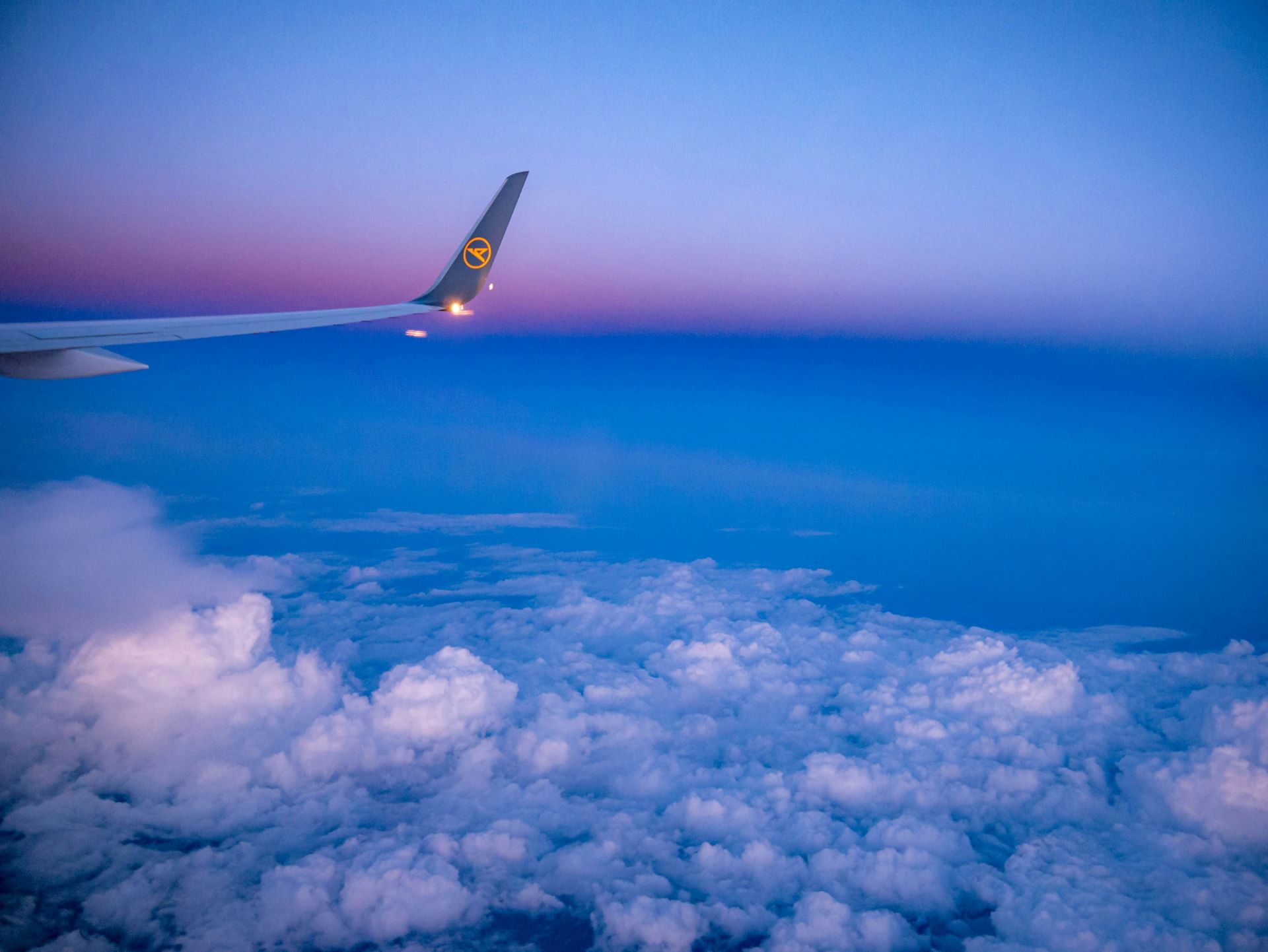
A Skyward Shift
Adventure travel has always been about pushing boundaries—physical, emotional, cultural. Scenic flights offer a new frontier, not because they break records or defy danger, but because they invite reflection, awe, and a fresh perspective.
In a world increasingly obsessed with authenticity and connection, flight offers both. It’s a return to wonder, to beauty, to the childlike thrill of looking out a window and realising the world is far larger, far more intricate, than we ever imagined.
So, as the engines hum and the earth falls away, remember: this isn’t just a ride. It’s a reminder that some of the greatest adventures begin not with a step—but with a lift.
Elisha Roodt
Our travel editorial desk specializes in uncovering the best flight deals and destination insights within South Africa. We bring you first-hand updates on airline industry moves and budget travel hacks.
More From Travel News
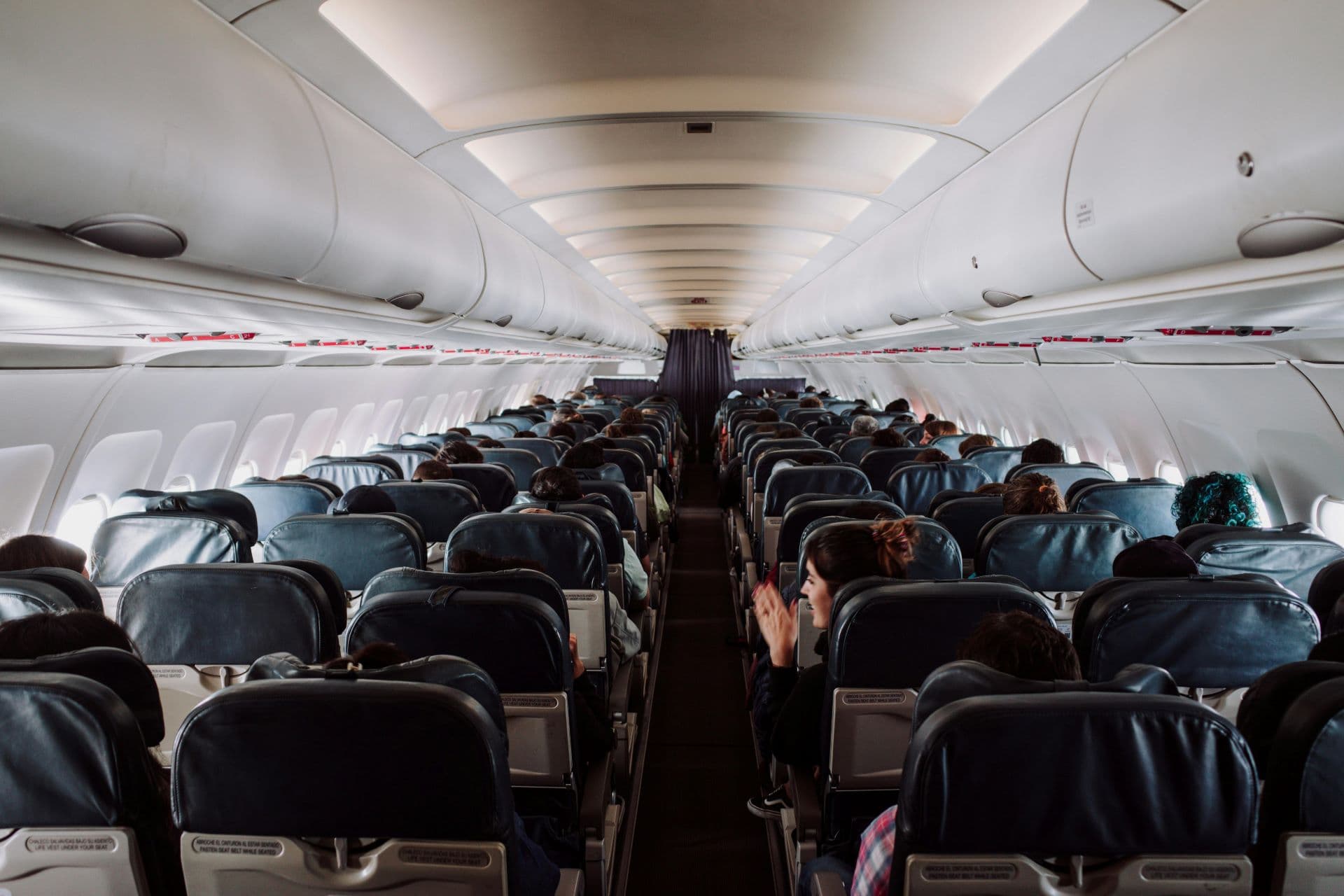
The Psychology of Seat Selection on Short Flights
Why do travellers choose window or aisle seats on short flights? Exploring passenger psychology in South African commercial aviation.
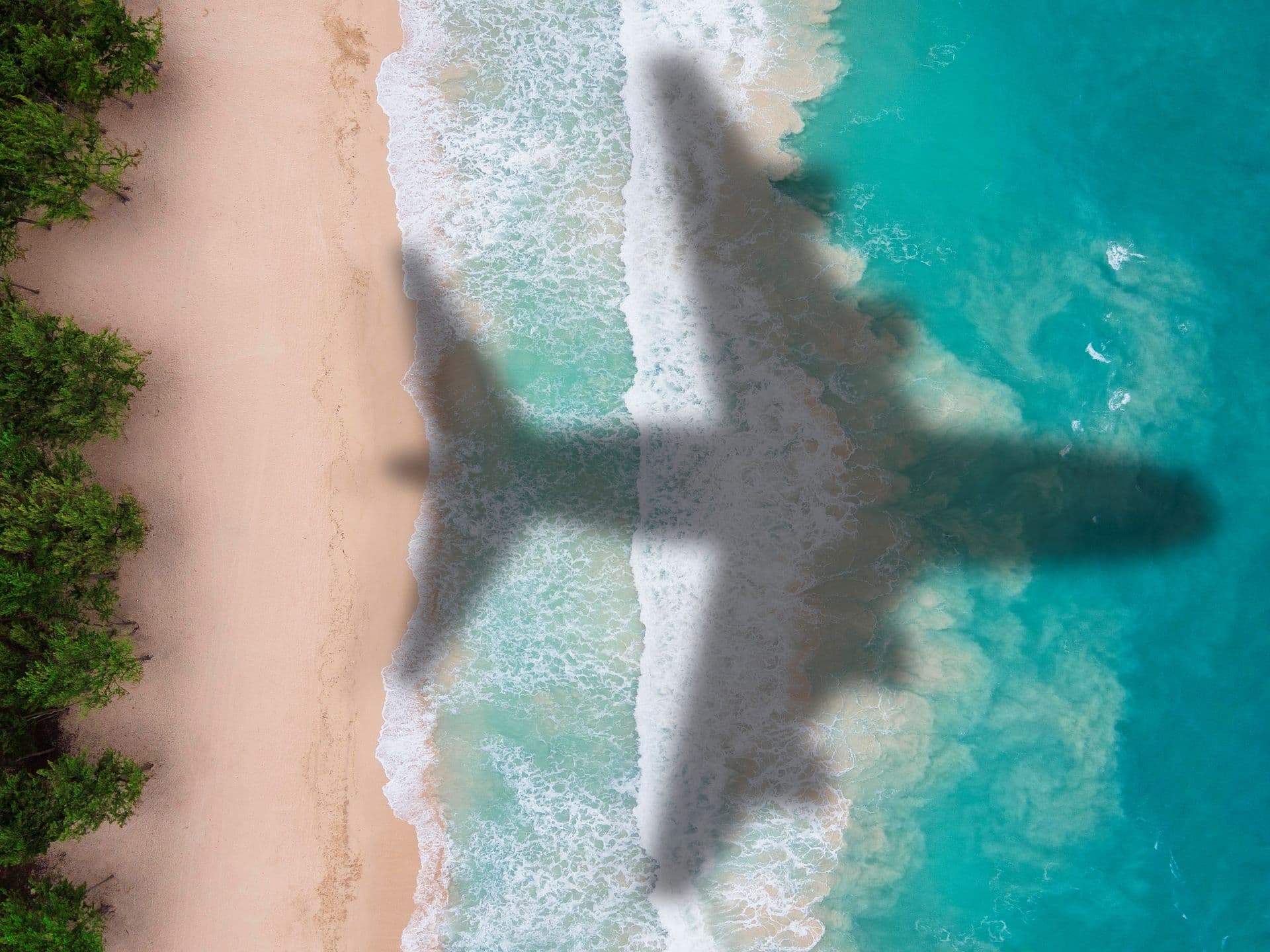
How Aviation Shapes South Africa’s Coastal Tourism
Aviation expands South Africa’s coastal tourism by redistributing seasonal travel, boosting beach destinations, and connecting global and domestic markets.
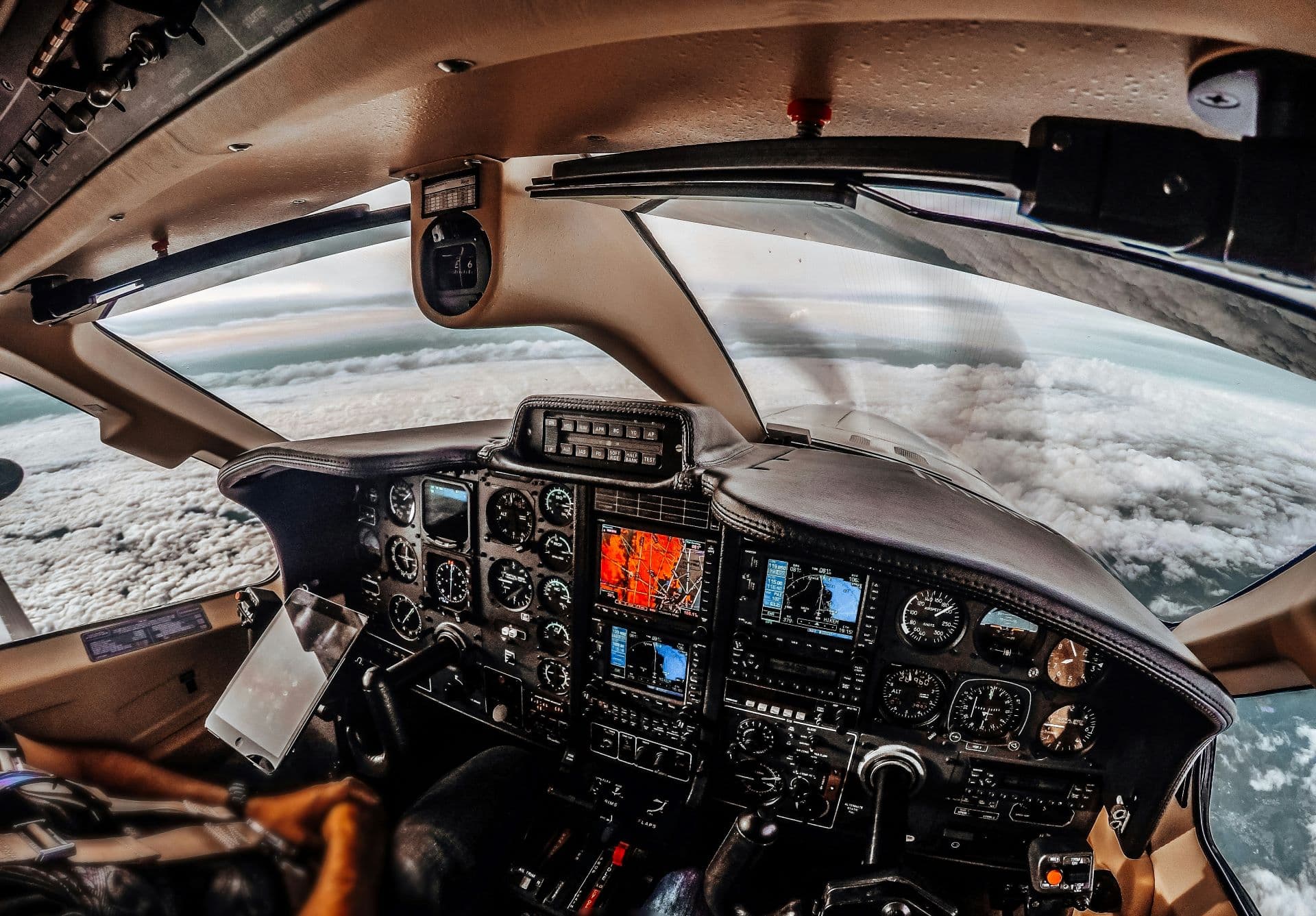
Inside Airline Pilot Training for Modern Aircraft
Discover how airlines train pilots for modern aircraft using advanced simulators, strict certification pipelines and continuous recurrent training.
Stay Informed, Stay
Ahead of the Curve
We don't just follow the headlines — we dive deeper. Our well-researched content is designed to empower you with the knowledge needed to navigate an industry shaped by innovation.
Seasoned Professionals
Industry stats and market performance metrics.