
A Modern Traveller’s Time-Warped Dilemma
In an age where global business can span five continents in a single week and bucket-list vacations take us across multiple time zones in mere hours, jet lag has become the unwelcome companion of modern air travel. Whether it’s waking up at 3 a.m. in Tokyo, nodding off at noon in New York, or losing all sense of time in transit, jet lag – the physiological mismatch between your body clock and local time – remains one of the last great frontiers of discomfort in aviation.
But the tide is turning. Airlines, scientists, sleep technologists, and savvy travellers are now uniting in a race to outsmart the body’s natural rhythms. From high-tech cabin lighting and biometrically optimised meal plans to circadian apps and wearable light therapy, fighting jet lag has become an industry in itself.
In this article, we’ll explore what major airlines are doing to ease the burden, the role of science-backed travel planning, and the most effective strategies world travellers swear by – all in the name of reclaiming time from jet lag’s disruptive grasp.
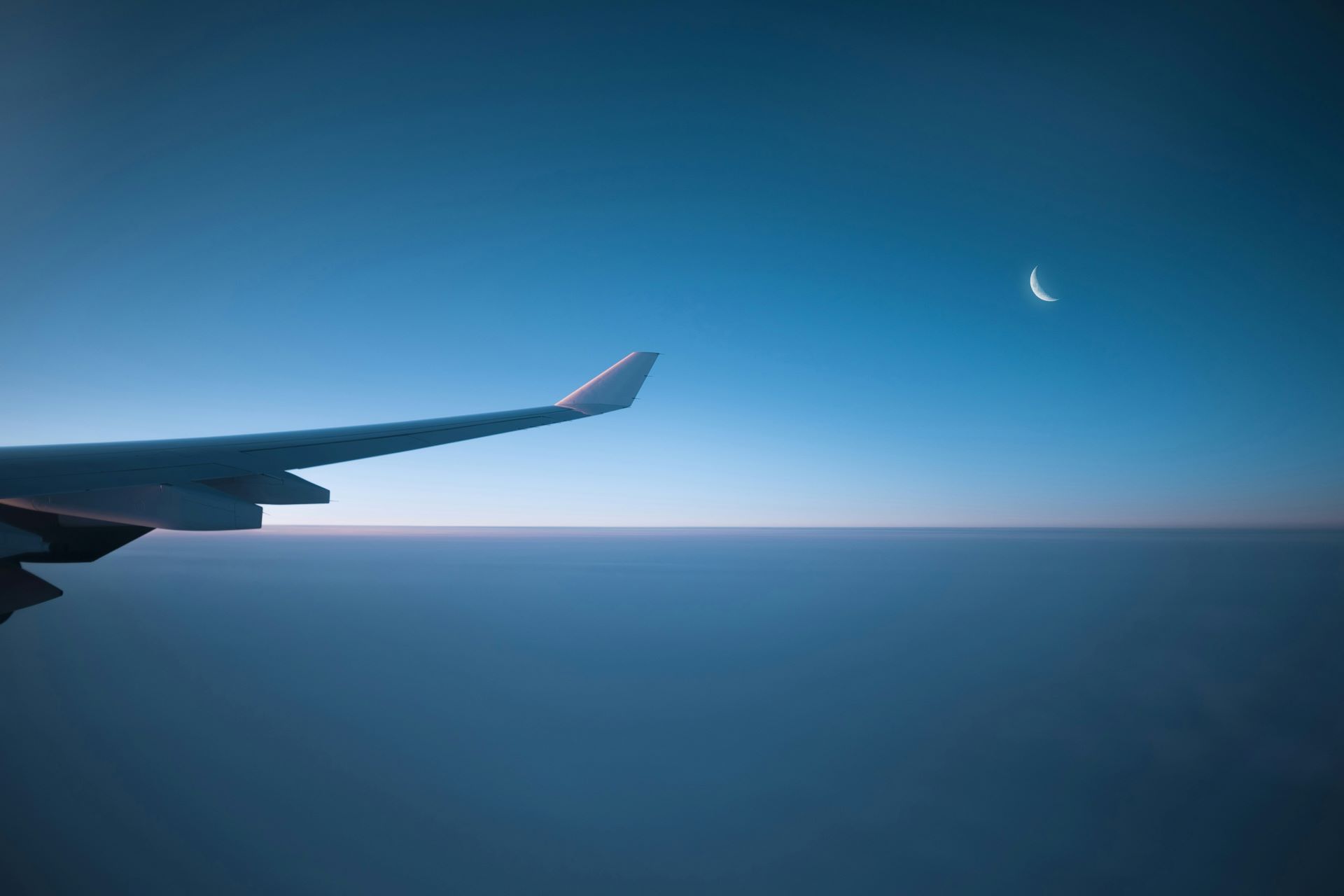
Understanding Jet Lag – More Than Just Sleepiness
Jet lag, medically known as desynchronosis, isn’t just a matter of feeling tired. It’s a temporary circadian misalignment that affects a host of bodily functions – from digestion and temperature regulation to hormone production and cognitive performance. When crossing multiple time zones, especially eastward, the body’s internal clock struggles to catch up.
Key Symptoms of Jet Lag:
The more time zones crossed – and the faster the journey – the more severe these symptoms tend to be. Travelling eastward (where days become shorter) is generally more challenging than heading westward (where the day is lengthened).
How Airlines Are Tackling Jet Lag – A New Era of Passenger Wellbeing
Cabin Lighting: Biophilic Engineering in the Skies
One of the most powerful tools in the anti-jet lag arsenal is light – specifically, how and when it’s delivered. Airlines such as Qantas, Emirates, and Singapore Airlines are now using dynamic LED cabin lighting designed to mimic natural sunlight patterns. These lighting systems gradually shift from warm amber tones (ideal for winding down) to bright white and blue hues (to simulate daylight), helping reset circadian rhythms during long-haul flights.
Qantas’ long-haul Project Sunrise flights, which connect Sydney directly to New York and London, use research-backed light exposure protocols developed with the University of Sydney’s Charles Perkins Centre, aiming to reduce jet lag for journeys that span up to 20 hours.
Cabin Pressure and Humidity: Flying Closer to the Ground
Aircraft like the Boeing 787 Dreamliner and Airbus A350 are designed with passenger wellbeing in mind. These next-gen jets maintain lower cabin altitudes (around 6,000 feet compared to the standard 8,000 feet) and significantly improved cabin humidity, which together reduce dehydration, fatigue, and headaches – key contributors to jet lag.
Meal Timing and Composition: Chrono-Nutrition at 35,000 Feet
Some airlines are exploring chrono-nutrition – the science of aligning food intake with circadian rhythms – to help passengers acclimate faster. Japan Airlines and Finnair, for example, offer meal services timed to destination time zones, with lighter dishes at “local” night and protein-rich options earlier in the flight to support wakefulness.
Traveller Strategies – What Frequent Flyers Swear By
Airlines can optimise the environment, but savvy travellers know the battle against jet lag starts well before boarding and continues well after landing. Here’s how elite flyers, business travellers, and globe-trotting adventurers are hacking their body clocks.
Pre-flight Planning: Training the Body in Advance
In-flight Routines: Behave Like You’ve Already Arrived
Post-landing Protocols: Anchor Your Clock to the Sun
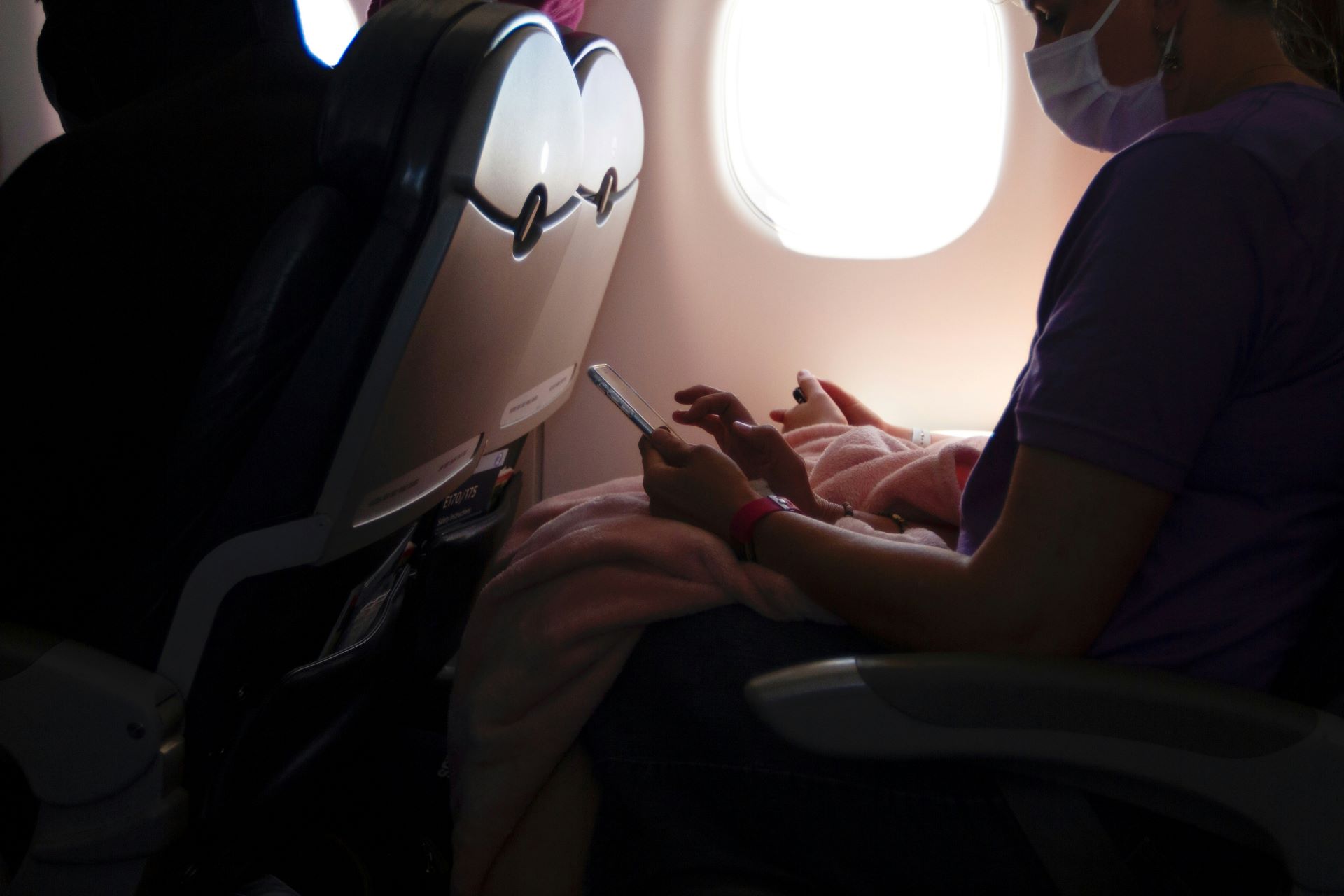
Technology to the Rescue – Smart Tools for Body Clock Mastery
From wearables that track light exposure to AI-powered travel apps, tech is now an ally in the war against jet lag.
Timeshifter: NASA Science in Your Pocket
Built using research from NASA and Harvard Medical School, Timeshifter is an app that creates personalised jet lag plans based on your flight itinerary, sleep chronotype, and travel goals. It provides precise instructions on when to get light, avoid light, sleep, take caffeine or melatonin – and claims up to 90% effectiveness for regular users.
Light Therapy Wearables: Rewriting the Clock with Photons
Products like the Re-Timer Glasses and Ayo Light Therapy offer blue-green light directly to the eyes to signal wakefulness, ideal for adjusting to new time zones. These are particularly useful for eastward travellers who struggle with early morning grogginess.
Smart Sleep Aids: Guided Meditation, Soundscapes, and Biofeedback
Apps like Calm, Headspace, and Pzizz offer guided sleep tools, while Oura Ring and Whoop Band track sleep quality and readiness scores to help users make data-driven decisions about rest and recovery.
Jet Lag in the Age of Ultra Long-Haul – A New Frontier
As airlines push the boundaries of non-stop flights – with 17- to 20-hour journeys becoming more common – the importance of managing circadian disruption has grown exponentially.
The Rise of Wellness Airlines?
In response, some airlines are piloting entire wellness ecosystems. Qantas’ Project Sunrise planes will feature dedicated stretching zones, mindfulness content, and even bespoke “jet lag-fighting” menus. Meanwhile, Emirates has announced future plans to collaborate with biohacking experts to fine-tune their in-flight experiences for optimal wellbeing.
Airports, too, are getting in on the act. Changi Airport in Singapore and Hamad International in Doha now offer sleep pods, nap lounges, and circadian-aligned lighting to ease transitions for long-haul passengers.
The Scientific Frontier – What the Research Says
Jet lag isn’t just a nuisance; it can affect immune function, hormonal balance, mental health, and even cardiovascular performance. New studies are uncovering deeper insights into how circadian disruption impacts long-term health.

Reclaiming Control of Your Internal Timekeeper
Jet lag may not yet have a cure, but modern travel no longer has to mean surrendering to exhaustion, confusion, or sluggish adaptation. Through thoughtful airline design, emerging science, personalised planning, and tech-enabled strategies, the path to beating the time zone blues is clearer than ever.
Whether you’re flying for business, pleasure, or exploration, mastering your body clock isn’t just possible – it’s becoming essential. In a world moving faster across time zones than ever before, those who learn to adapt swiftly will travel better, perform sharper, and arrive ready for whatever the world holds next.
Elisha Roodt
Our travel editorial desk specializes in uncovering the best flight deals and destination insights within South Africa. We bring you first-hand updates on airline industry moves and budget travel hacks.
More From Travel News
The Psychology of Seat Selection on Short Flights
Why do travellers choose window or aisle seats on short flights? Exploring passenger psychology in South African commercial aviation.
How Aviation Shapes South Africa’s Coastal Tourism
Aviation expands South Africa’s coastal tourism by redistributing seasonal travel, boosting beach destinations, and connecting global and domestic markets.
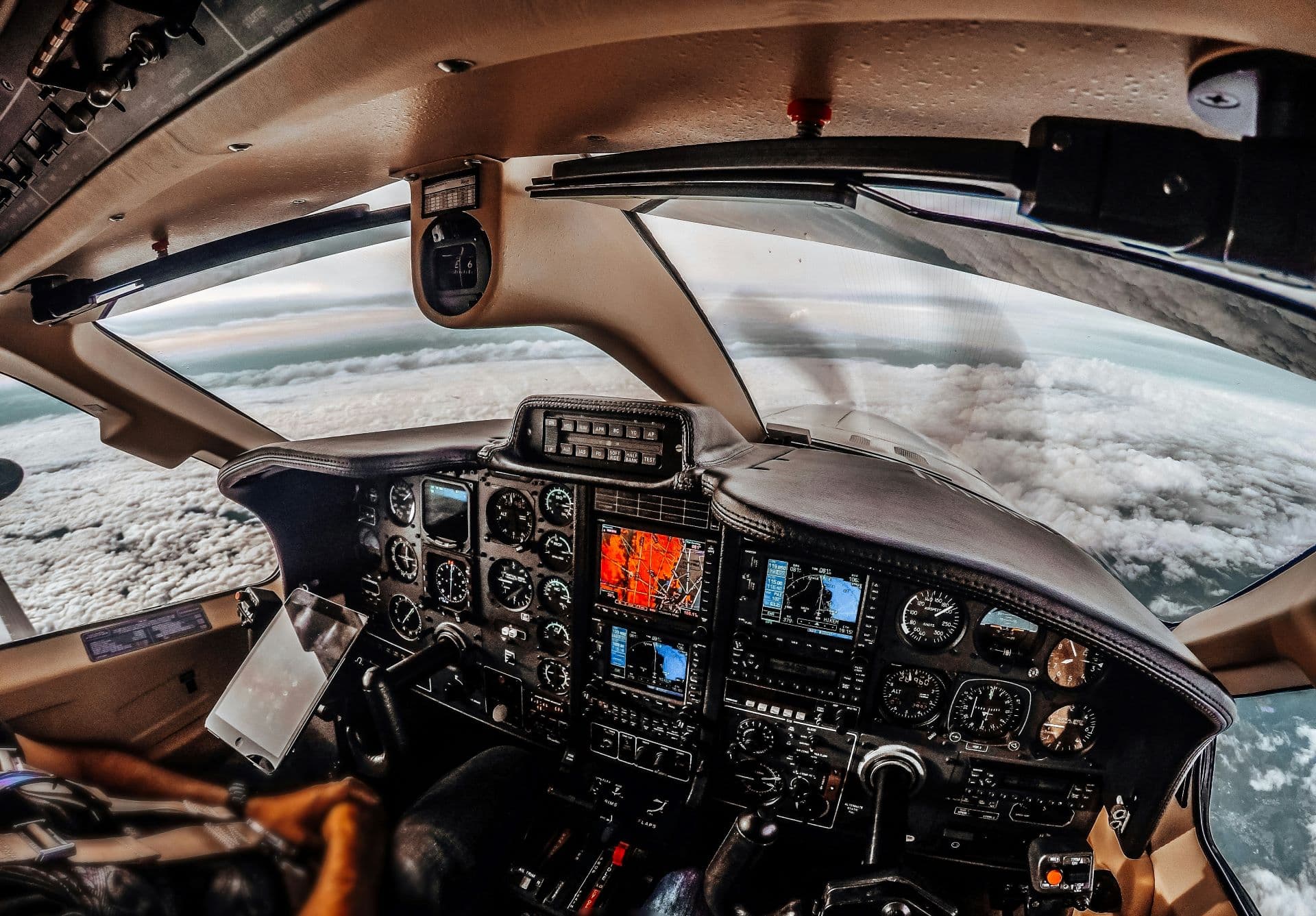
Inside Airline Pilot Training for Modern Aircraft
Discover how airlines train pilots for modern aircraft using advanced simulators, strict certification pipelines and continuous recurrent training.
Stay Informed, Stay
Ahead of the Curve
We don't just follow the headlines — we dive deeper. Our well-researched content is designed to empower you with the knowledge needed to navigate an industry shaped by innovation.
Seasoned Professionals
Industry stats and market performance metrics.