
Stepping off a long-haul flight, you may feel as though you’ve entered an alternate reality—your body’s clock is out of sync, and you’re battling exhaustion and disorientation. This is the all-too-familiar experience of jet lag, a condition that affects millions of travelers crossing multiple time zones. Jet lag symptoms can include extreme fatigue, difficulty sleeping, irritability, and cognitive challenges. For many, these effects can turn an eagerly anticipated trip into a taxing ordeal, making it essential to find effective strategies to alleviate its impact.
Managing jet lag goes beyond just improving comfort; it’s about maintaining your well-being and ensuring that your journey is as enjoyable and productive as possible. In this comprehensive guide, we’ll explore proven remedies and strategies for minimizing jet lag, from pre-travel adjustments to in-flight practices and post-arrival techniques. By implementing these tips, you can significantly enhance your travel experience and reduce the discomfort associated with crossing time zones.
Understanding Jet Lag
Jet lag, also known as desynchronosis, occurs when your body’s internal clock is out of sync with the local time at your destination. This internal clock, or circadian rhythm, regulates various physiological processes, including sleep-wake cycles, body temperature, and hormone release. When you travel rapidly across multiple time zones, your circadian rhythm struggles to adjust to the new local time, leading to the symptoms of jet lag.
The severity of jet lag can be influenced by several factors. One of the most significant is the direction of travel. Flying eastward typically causes more severe jet lag than traveling westward. This is because our circadian rhythms naturally follow a 24-hour cycle, and traveling east shortens the day, making it harder for your body to adjust. Conversely, traveling west lengthens the day, which is generally easier for the body to adapt to.
The number of time zones crossed also affects the severity of jet lag. Generally, the more time zones you cross, the more intense the jet lag symptoms. Additionally, individual factors such as age, health status, and personal sleep patterns can influence how severely you experience jet lag. Understanding these aspects can help you better prepare and implement effective strategies to minimize its impact.

Pre-Travel Preparations
Effective management of jet lag begins before you even board your flight. Here are some strategies to consider in the days leading up to your journey:
Adjust Your Sleep Schedule
Gradually shifting your sleep schedule to align with your destination’s time zone can ease the transition. Start adjusting your bedtime and wake-up time by 30 minutes to an hour each day. If you’re traveling east, go to bed and wake up earlier. If heading west, stay up and wake up later. This gradual adjustment helps your circadian rhythm align more smoothly with the new time zone, reducing the shock to your system upon arrival.
Modify Your Diet
Dietary changes can also aid in managing jet lag. Reduce your intake of caffeine and alcohol in the days leading up to your flight, as these can disrupt your sleep patterns and lead to dehydration. Instead, focus on consuming balanced meals that include proteins, healthy fats, and complex carbohydrates. Avoid heavy meals right before bedtime, as they can negatively impact your sleep quality.
Stay Hydrated
Hydration is crucial for maintaining overall well-being, especially when traveling. Drink plenty of water before and during your flight to stay hydrated. Dehydration can exacerbate the symptoms of jet lag and make you feel more fatigued.
Consider Melatonin Supplements
Melatonin, a hormone that regulates sleep-wake cycles, can be a helpful tool for adjusting to new time zones. Taking melatonin supplements a few hours before your intended sleep time at your destination can help reset your circadian rhythm. Consult with a healthcare provider to determine the appropriate dosage and timing for your needs.
In-Flight Strategies
Managing jet lag effectively continues during your flight. Here are some strategies to consider while in the air:
Maintain Hydration
Staying hydrated is essential during long flights. Avoid alcohol and excessive caffeine, as they can dehydrate you and disrupt your sleep. Instead, drink water regularly throughout the flight. Consider bringing a reusable water bottle and refilling it as needed.
Move Around
Sitting for extended periods can lead to stiffness and discomfort. To counteract this, make a point to stand up, stretch, and walk around the cabin periodically. This promotes blood circulation and helps reduce feelings of fatigue.
Create a Comfortable Sleep Environment
Using sleep aids like eye masks, earplugs, and neck pillows can enhance the quality of your in-flight rest. These items help block out light and noise, making it easier to sleep. Try to sleep in alignment with your destination’s time zone by setting your watch to the local time upon boarding. This psychological adjustment can help your body start to acclimate.
Manage Light Exposure
Light exposure plays a crucial role in regulating your circadian rhythm. If you’re traveling eastward and need to adjust to an earlier time zone, avoid bright light before your new bedtime. Conversely, if you’re traveling westward, expose yourself to bright light in the evening to help shift your internal clock.
Post-Arrival Techniques
Adapting to the new time zone upon arrival is essential for minimizing jet lag. Here are some strategies to help you adjust more smoothly:
Get Natural Light
Exposure to natural light is one of the most effective ways to reset your circadian rhythm. Spend time outside during the day, especially in the morning, to help your body adjust to the new time zone. Light exposure helps regulate your sleep-wake cycle and can improve your mood and energy levels.
Nap Wisely
If you arrive and feel the need to nap, keep it short. A brief nap of 20 to 30 minutes can help alleviate fatigue without disrupting your ability to fall asleep at night. Avoid long or late afternoon naps, as they can interfere with your nighttime sleep.
Stick to Local Schedules
Gradually adjust to the local schedule by eating meals and sleeping according to the local time. Avoid going to bed too early or sleeping in too late, as this can perpetuate the symptoms of jet lag.
Engage in Light Physical Activity
Engaging in light physical activities, such as walking or stretching, can help boost your energy levels and reduce feelings of fatigue. Exercise also promotes better sleep and overall well-being.
Natural Remedies
Many travelers find relief from jet lag through natural remedies. Here are some options to consider:
Herbal Teas and Supplements
Chamomile tea is known for its calming properties and can help with sleep. Lavender essential oil, used in a diffuser or applied topically, can also promote relaxation. Valerian root, an herbal supplement, has been used for centuries to support sleep and relaxation.
Mindfulness and Relaxation Techniques
Practicing mindfulness and relaxation techniques can help manage stress and improve sleep quality. Meditation, deep breathing exercises, and progressive muscle relaxation can reduce anxiety and promote better rest.
Balanced Diet
Maintaining a balanced diet rich in vitamins and minerals supports overall health and aids in adjusting to new time zones. Foods high in magnesium, such as leafy greens and nuts, can help with relaxation and sleep.

Technology and Jet Lag
Modern technology offers several solutions for managing jet lag. Here are some tech-based options to consider:
Mobile Apps
There are various mobile apps designed to help travelers manage jet lag. These apps can provide personalized advice on sleep schedules, light exposure, and other factors to help you adjust to new time zones. Examples include apps like Timeshifter and Jet Lag Rooster.
Light Therapy Devices
Light therapy devices simulate natural sunlight and can help reset your circadian rhythm. Using these devices in the morning can be particularly helpful if you’re adjusting to an earlier time zone.
Wearable Technology
Wearable technology, such as fitness trackers and smartwatches, can monitor your sleep patterns and activity levels. These devices can provide insights into your sleep quality and help you make adjustments to improve your rest.
Personal Stories and Expert Advice
Frequent travelers often develop their own methods for managing jet lag. For instance, a business traveler might share how adjusting their sleep schedule before departure has improved their experience, while an adventure traveler might describe the benefits of light physical activity upon arrival.
Sleep experts and medical professionals also offer valuable advice. They often emphasize the importance of gradual adjustments to your sleep schedule and the role of maintaining a consistent sleep routine. Consulting with these experts can provide additional insights tailored to your specific needs.
Jet lag, while a common challenge for travelers, doesn’t have to ruin your journey. By understanding its causes and implementing proactive strategies, you can significantly reduce its impact. From pre-travel preparations and in-flight tips to post-arrival adjustments and natural remedies, each step plays a crucial role in managing jet lag effectively.
Embrace these strategies to enhance your travel experience, allowing you to focus on the excitement and enjoyment of your journey rather than the discomfort of jet lag. With a bit of preparation and mindfulness, you can navigate time zone changes with greater ease and enjoy your travels to the fullest. Safe travels!
Elisha Roodt
Our travel editorial desk specializes in uncovering the best flight deals and destination insights within South Africa. We bring you first-hand updates on airline industry moves and budget travel hacks.
More From Travel News
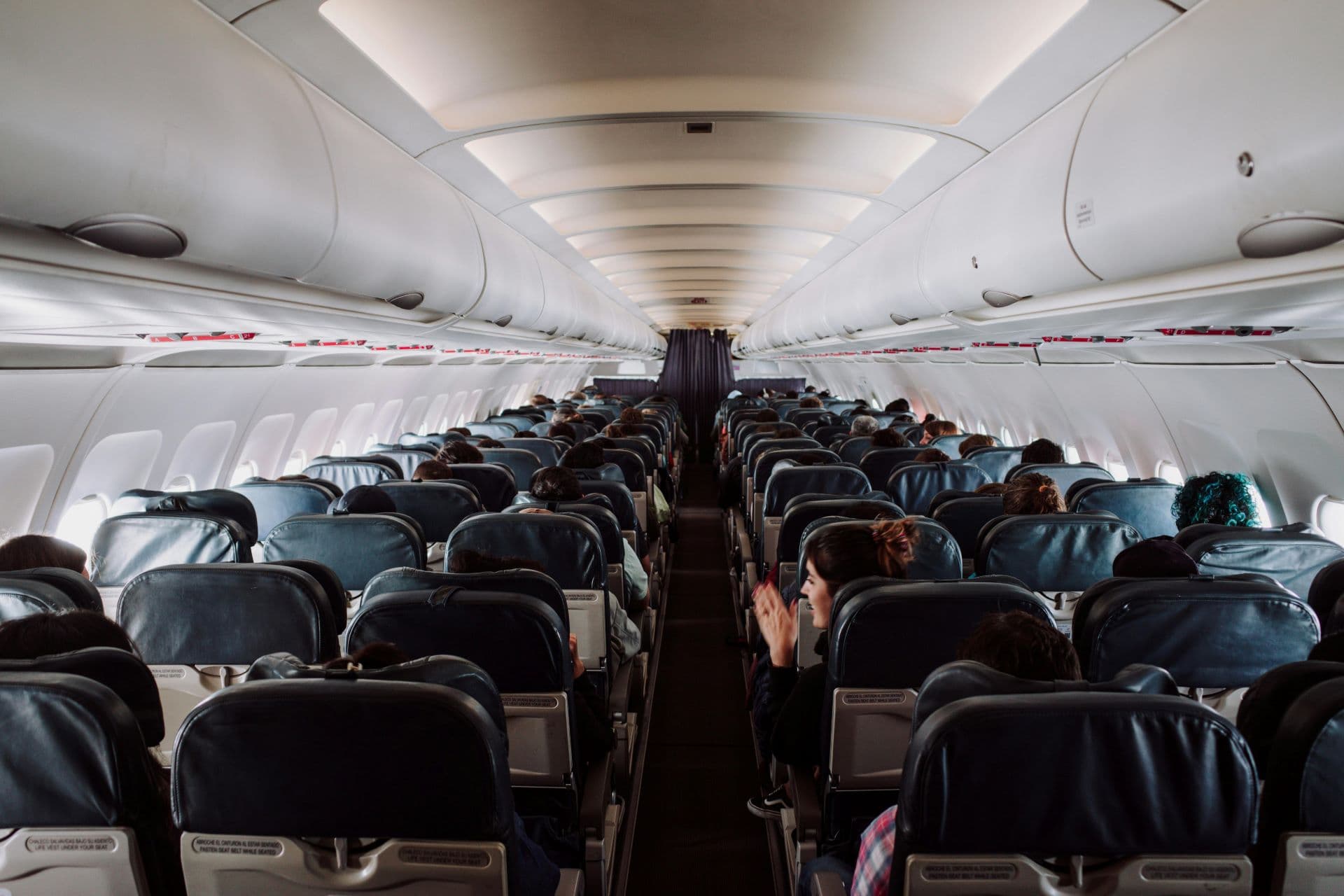
The Psychology of Seat Selection on Short Flights
Why do travellers choose window or aisle seats on short flights? Exploring passenger psychology in South African commercial aviation.

How Aviation Shapes South Africa’s Coastal Tourism
Aviation expands South Africa’s coastal tourism by redistributing seasonal travel, boosting beach destinations, and connecting global and domestic markets.
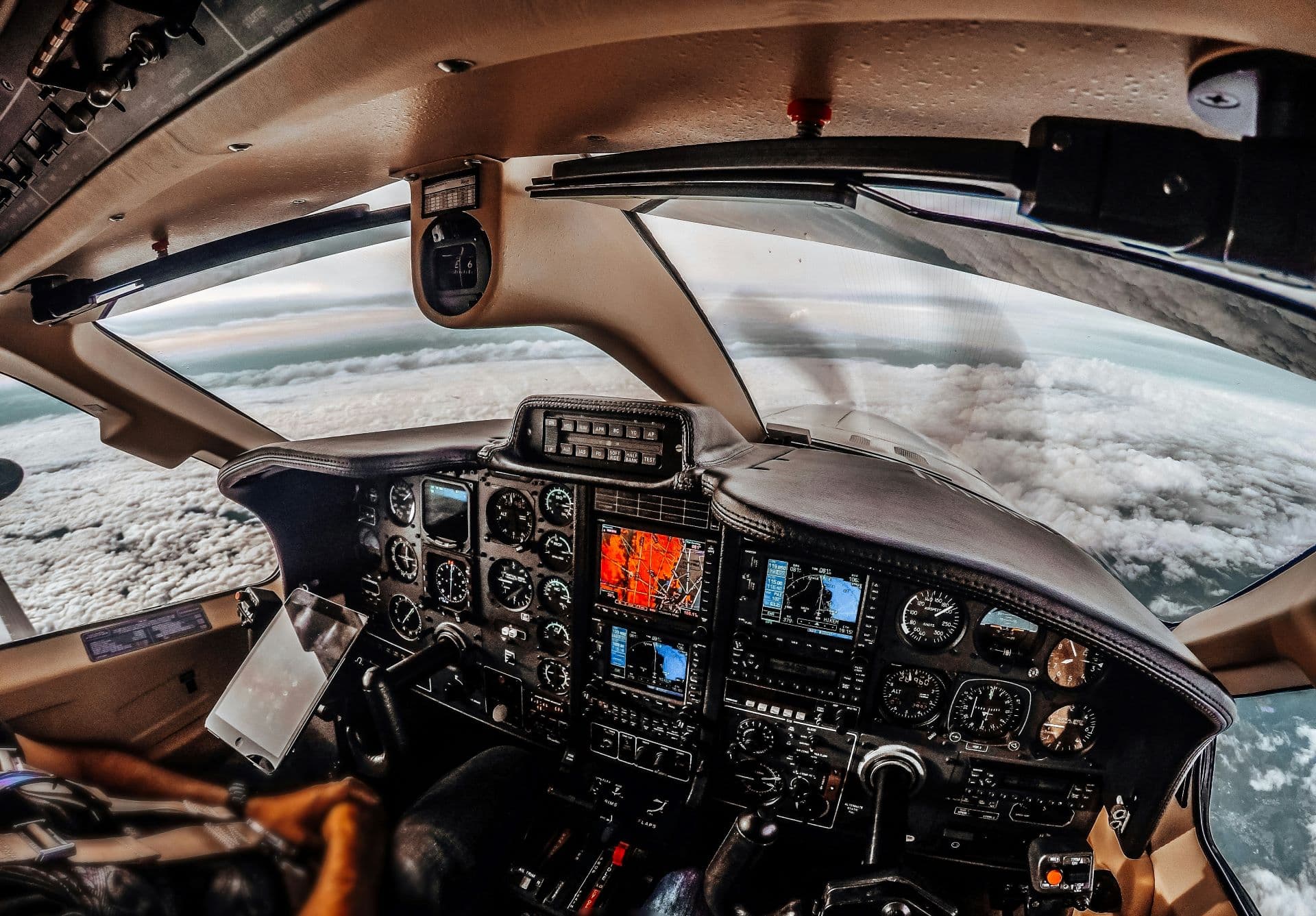
Inside Airline Pilot Training for Modern Aircraft
Discover how airlines train pilots for modern aircraft using advanced simulators, strict certification pipelines and continuous recurrent training.
Stay Informed, Stay
Ahead of the Curve
We don't just follow the headlines — we dive deeper. Our well-researched content is designed to empower you with the knowledge needed to navigate an industry shaped by innovation.
Seasoned Professionals
Industry stats and market performance metrics.