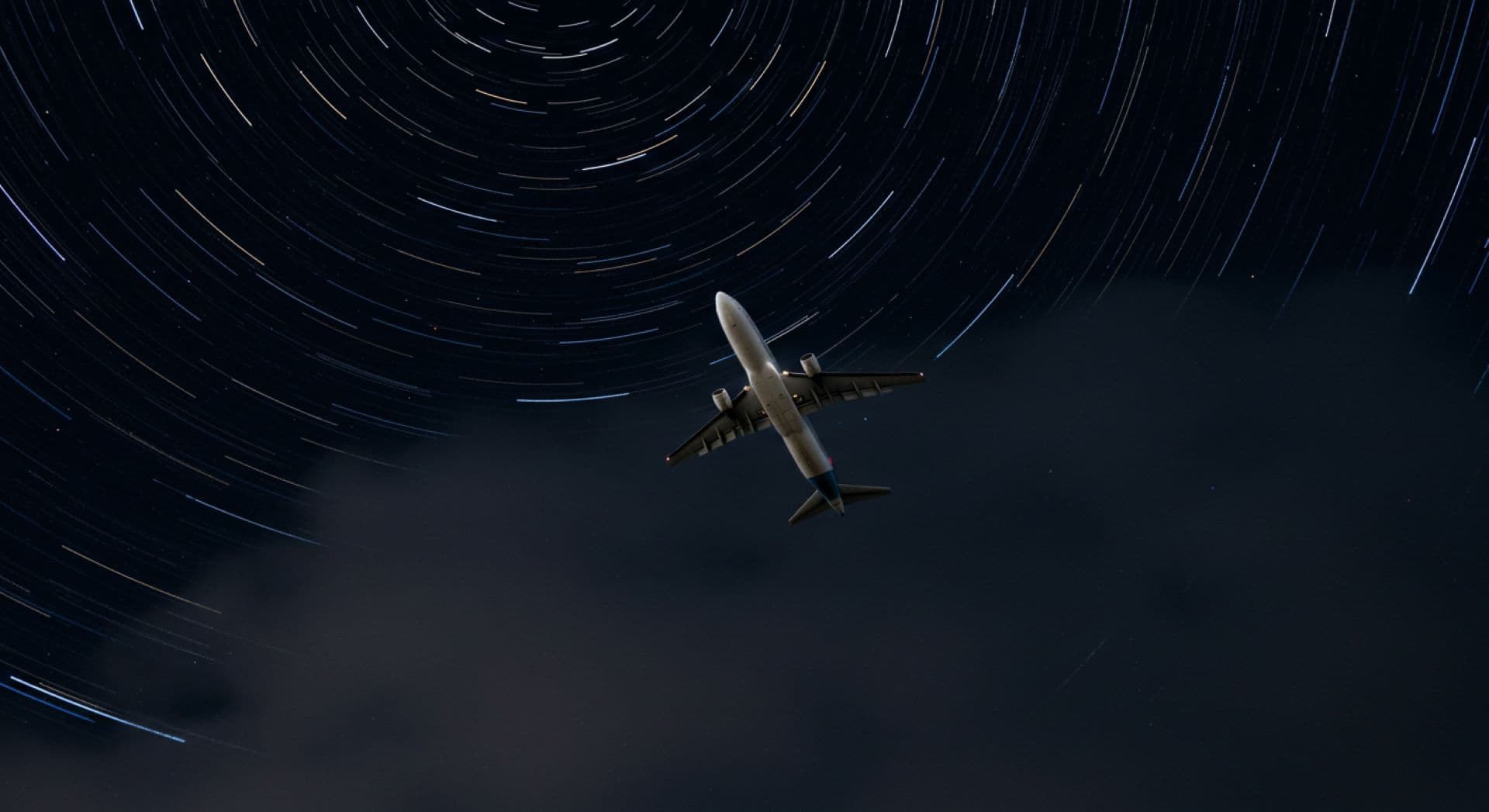
In a world that never sleeps, there exists a quiet, almost mystical allure to the twilight skies—a realm where the hustle and bustle of daytime travel gives way to a serene, reflective atmosphere. Night flights, once considered the realm of the occasional business traveler or the budget-conscious wanderer, have evolved into a favored choice for many who seek a unique perspective on travel. As dusk descends, the familiar landscape transforms into a tapestry of twinkling city lights and sweeping natural vistas, providing passengers with an experience that is both calming and invigorating.
Recent statistics from the International Air Transport Association (IATA) indicate a steady rise in the number of night flights over the past decade, a trend driven by innovations in aviation safety and an increased demand for time-efficient travel. For experienced travelers, the allure of a night flight lies not only in the convenience of avoiding daytime airport chaos but also in the intangible pleasure of flying under the cover of darkness. Anecdotes from frequent flyers reveal that the quiet ambiance of a nocturnal journey can serve as a welcome respite—a moment to disconnect from the frenetic pace of everyday life and indulge in a personal, almost meditative, travel experience.
Beyond mere convenience, night flights offer a unique blend of practical benefits and sensory experiences. The reduced number of passengers, quieter cabins, and expedited check-ins combine to create an environment where the journey itself becomes as rewarding as the destination. For some, the ability to catch a few uninterrupted hours of sleep during the flight is a crucial factor, transforming what might otherwise be seen as a travel inconvenience into an opportunity for rest and rejuvenation.
Moreover, the aesthetics of flying at night—where the interplay of darkness and light crafts a moving panorama below—captivate those with a penchant for the poetic and the sublime. Whether it’s the gentle hum of the engines or the distant glow of a city awakening far below, night flights invite travelers to experience the world from a uniquely elevated vantage point. This article delves deep into the multifaceted appeal of night flights, exploring their historical evolution, the tangible advantages they offer, and the rich sensory tapestry they weave. In doing so, we invite you to reconsider your travel habits and explore the nuanced pleasures that only a journey after dark can provide.
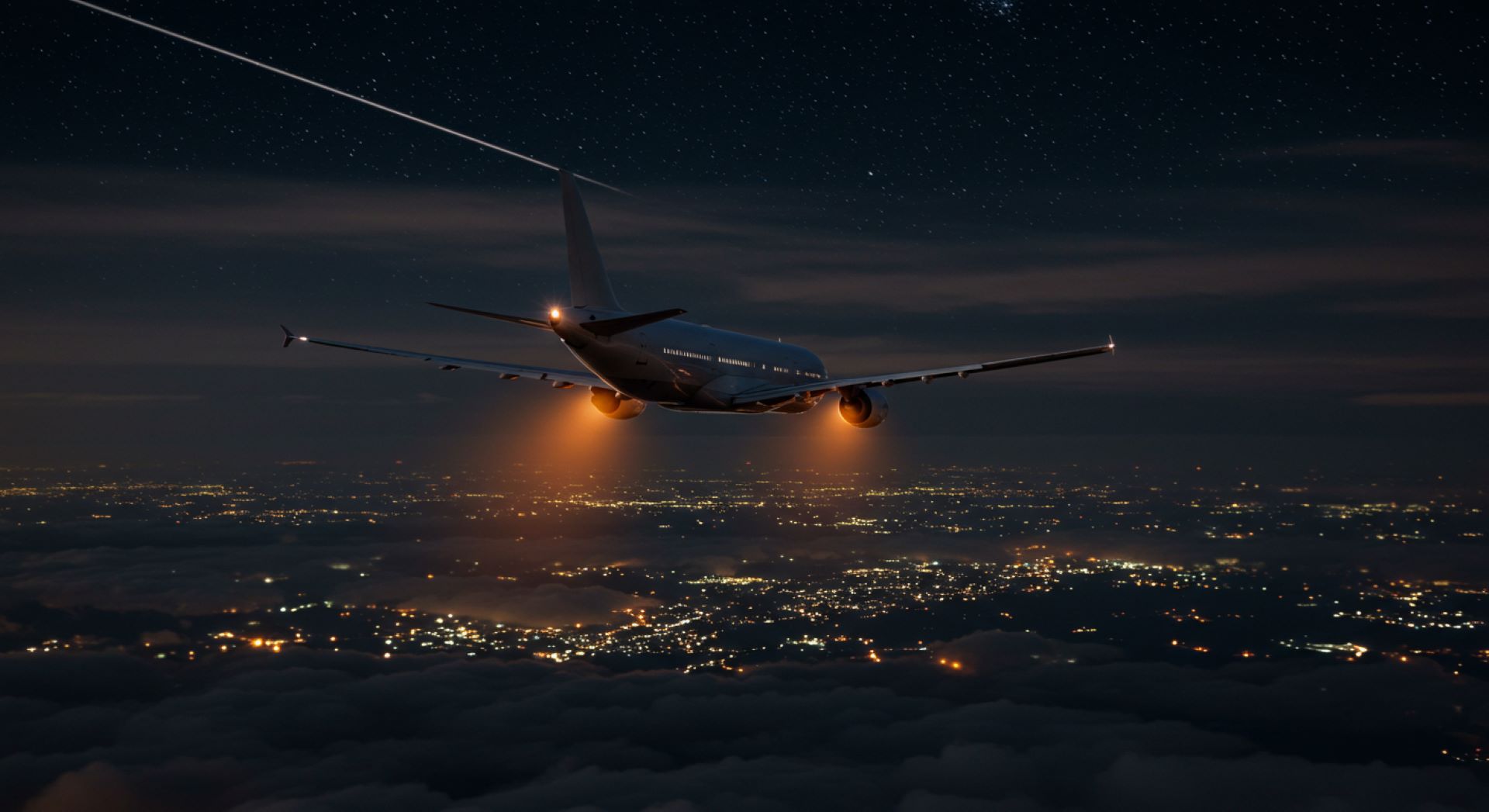
Historical Context
The story of night flights is as old as the evolution of aviation itself. In the early days of flight, pilots and engineers faced daunting challenges when venturing into the dark skies. Navigational aids were rudimentary, and the absence of modern instrumentation rendered night flying a risky endeavor. Early aviators relied on basic landmarks and the limited guidance of primitive compasses, which made flying after sunset a venture fraught with uncertainty.
The mid-20th century heralded a significant turning point. The introduction of advanced radio navigation systems and the development of radar technology transformed the safety parameters of night flights. Innovations such as the autopilot, sophisticated cockpit instrumentation, and improved runway lighting systems all contributed to a safer flying environment, gradually shifting the perception of night flights from a hazardous necessity to a viable, even attractive, option for travelers.
Key milestones include the post-war boom in commercial aviation, which saw airlines investing heavily in technologies that could ensure safer nocturnal operations. The gradual transition from analog to digital systems further enhanced flight precision, and today’s aircraft are equipped with state-of-the-art navigational systems that allow pilots to monitor and adjust flight paths with unparalleled accuracy—even under the cover of darkness. These technological advancements not only bolstered passenger confidence but also laid the groundwork for the modern traveler’s embrace of night flights as both a practical and, increasingly, a luxurious experience.
Advantages of Night Flights
Night flights offer a host of tangible benefits that extend far beyond the mere convenience of catching a red-eye. For the experienced traveler, these flights present an opportunity to maximize time, reduce stress, and even enjoy a more personalized travel experience.
Time Efficiency and Convenience
One of the most cited advantages of night flights is the ability to bypass the peak travel hours. By opting for an evening or overnight flight, travelers can avoid the chaos of crowded airports during the day, skip lengthy security lines, and experience a more streamlined check-in process. Fewer passengers during late hours mean less congestion both on the ground and in the air. This often translates into quicker boarding times and, ultimately, a more punctual arrival at the destination.
Cost-Effective Travel
Airlines frequently offer competitive pricing for night flights. The reduced demand for these flights—compared to their daytime counterparts—can result in lower fares, making them an attractive option for budget-conscious travelers. Additionally, the lower operational costs during off-peak hours sometimes enable airlines to offer promotional deals, further incentivizing the choice of nocturnal travel.
Enhanced Comfort and Cabin Experience
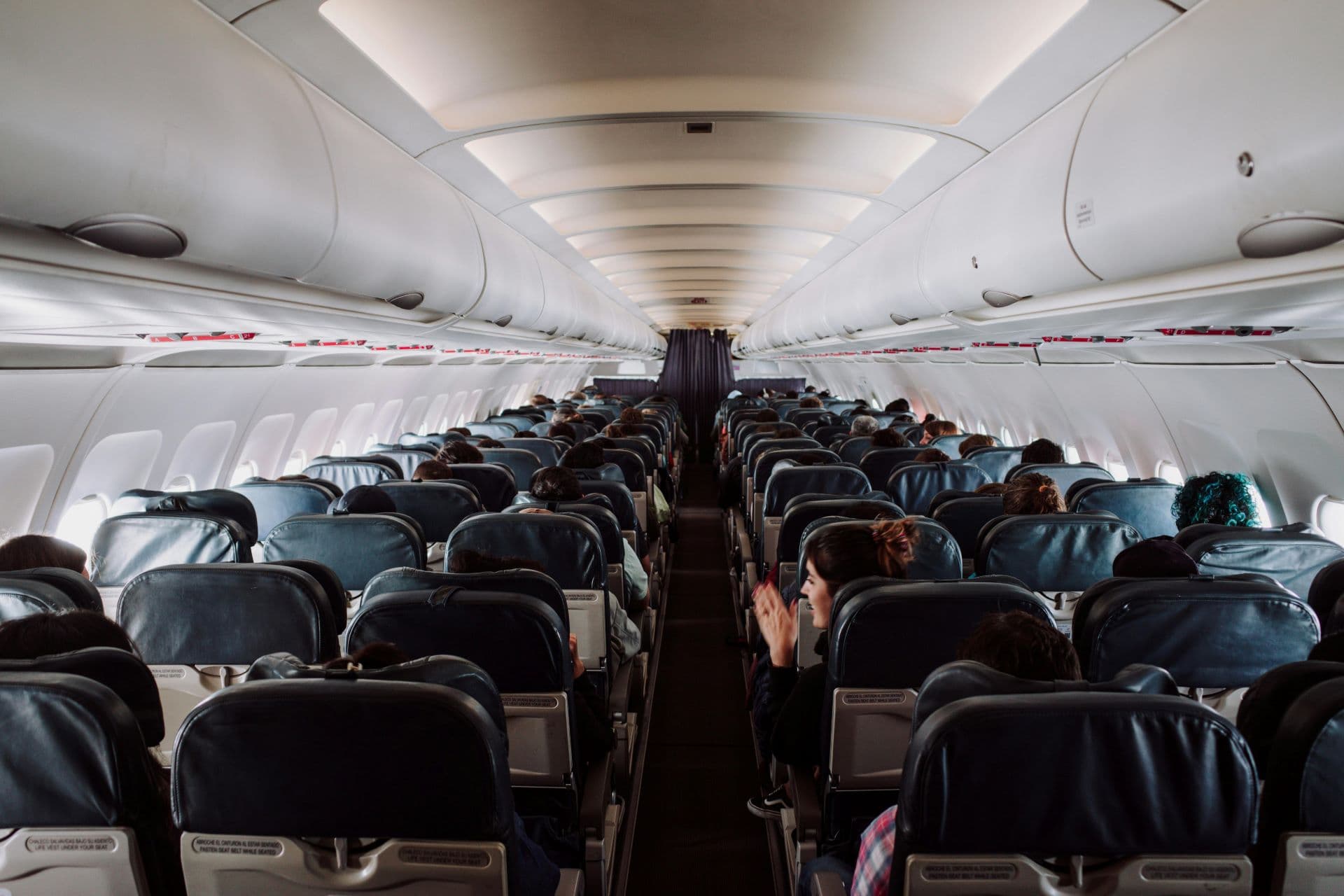
For many, the cabin environment during a night flight is notably more serene. The dimmed lighting, quieter ambiance, and fewer interruptions create an ideal setting for passengers to catch up on sleep or simply relax. Frequent flyers often remark on the improved comfort of a less crowded cabin, where empty seats can offer more space and privacy. As one seasoned traveler put it, “Night flights allow me to feel like I have the whole cabin to myself—a rare luxury in today’s overbooked travel landscape.”
Operational Advantages
From an operational standpoint, night flights benefit from a less congested airspace. Fewer flights during the late hours mean that pilots can navigate with fewer restrictions and less air traffic, reducing the likelihood of delays or last-minute reroutes. Moreover, many airports operate on a reduced schedule at night, which often results in a quieter, more relaxed environment, both on the tarmac and within the terminal.
Testimonials from Frequent Flyers
“I’ve been taking night flights for years,” explains Amelia Jacobs, a business consultant who travels internationally on a monthly basis. “The calm atmosphere and the chance to rest while flying make it a surprisingly rejuvenating experience. It’s not just about getting from point A to point B—it’s about reclaiming a bit of personal time in between.”
Other frequent flyers echo this sentiment, noting that the less hectic nature of night flights often translates to better customer service. Flight attendants, not overburdened by large crowds, can offer more attentive and personalized care, adding to the overall comfort and enjoyment of the journey.
Additional Perks
In essence, night flights not only serve as a practical solution for optimizing travel time but also offer a uniquely enhanced journey that caters to the modern traveler’s desire for both efficiency and comfort.
Experiential Aspects
Beyond the practical advantages, flying at night offers an experience that is rich with sensory and emotional nuances. As the aircraft ascends into the twilight, a dramatic transformation unfolds below—a dynamic interplay of darkness and light that few daytime journeys can match.
A Visual Feast from Above
Imagine soaring above sprawling urban landscapes, where the intricate web of city lights creates a mesmerizing mosaic. From the vantage point of a night flight, the world below appears as a living, breathing work of art. The glow of neon signs, the twinkling of street lamps, and the scattered illuminations of distant towns combine to form an awe-inspiring tableau that captivates the senses. For many, this visual spectacle is not just a treat for the eyes but a moment of profound introspection—a reminder of the beauty that exists in the ordinary.
The Serenity of the Darkened Cabin
Inside the aircraft, the transformation is equally compelling. The cabin lights are dimmed, and the usual buzz of daytime activity is replaced by a hushed calm. The gentle murmur of the engines and the soft murmur of fellow passengers create an atmosphere that is both soothing and introspective. In this setting, even routine activities—reading a book, watching a movie, or simply gazing out the window—take on an enhanced sense of tranquility. The isolation of the night flight fosters a personal space where one can escape the relentless pace of modern life.
Psychological Impact and the Sense of Adventure
There is also a distinct psychological allure to flying after dark. The very act of entering the night sky can evoke a sense of adventure, a break from the monotonous routines of daily life. For some, the darkness outside serves as a metaphor for the unknown—a vast, uncharted territory that invites exploration and reflection. This duality of calm and adventure creates a unique mental state, one where the stresses of everyday life seem to recede, replaced by a contemplative openness to the journey ahead.
Sensory Details That Enhance the Experience
A Journey of Inner Reflection
For many passengers, the night flight becomes an opportunity for inner reflection—a rare moment of solitude amid the constant connectivity of modern life. Whether it is a chance to catch up on much-needed sleep, to mull over personal goals, or simply to savor a moment of peace, the darkness outside the window invites a deeper engagement with one’s inner world. The experience transcends mere travel; it becomes a ritual of renewal, a space where the boundaries between the self and the world blur into a single, harmonious experience.
Challenges and Considerations
While the allure of night flights is undeniable, they are not without their challenges. For seasoned travelers contemplating a nocturnal journey, it is essential to balance the many benefits with an awareness of potential drawbacks and how best to mitigate them.
Disruption of Sleep Cycles
Perhaps the most significant concern for many is the impact on one’s natural circadian rhythms. Traveling through time zones and adjusting to an altered sleep schedule can lead to jet lag—a condition marked by fatigue, disorientation, and a general sense of malaise. For those who rely on a strict sleep routine, the overnight flight may disrupt their rest, requiring careful planning and sometimes the use of sleep aids or specialized travel gear.
Potential for Fatigue
Both passengers and crew face the risk of fatigue during night flights. Pilots and flight attendants must remain alert during hours when the body naturally craves sleep. To combat this, airlines have implemented rigorous protocols and scheduling practices to ensure that crew members are well-rested before embarking on these flights. However, passengers themselves may still find it challenging to achieve restorative sleep in the confined space of an aircraft, especially if turbulence or other in-flight disturbances occur.
Safety Considerations
Though modern technology has greatly improved the safety of night flying, certain inherent risks remain. Limited visibility during takeoff and landing requires enhanced reliance on instrumentation and strict adherence to protocols. Airlines continuously invest in training and state-of-the-art systems to mitigate these risks, yet the potential for human error or unforeseen circumstances cannot be entirely eliminated. For travelers concerned about safety, it is advisable to choose reputable airlines known for their stringent operational standards and advanced safety measures.
Adjusting to the Environment
The experience of flying at night demands a degree of adaptability. For some, the subdued lighting and quiet ambiance may initially feel disconcerting, particularly if they are accustomed to the vibrant energy of daytime travel. Moreover, the reduced availability of in-flight services during off-peak hours can sometimes mean fewer options for meals or entertainment. Careful preparation—such as bringing personal entertainment or ensuring that one’s meal preferences are met ahead of time—can help alleviate these concerns.
Practical Strategies for Minimizing Drawbacks
By acknowledging these challenges and proactively planning to address them, travelers can better navigate the potential pitfalls of night flights, ensuring that the benefits outweigh the drawbacks and that the journey remains as pleasant and efficient as possible.
Perspectives from Industry Experts
The appeal and operational nuances of night flights have not gone unnoticed by those at the forefront of aviation. Pilots, flight attendants, and travel industry experts offer a wealth of insights into what makes nocturnal travel both a logistical and experiential phenomenon.
Captain Richard Hayes, a veteran pilot with over two decades of experience, remarks, “Flying at night is an art in itself. The procedures are more streamlined due to reduced air traffic, but it also demands a heightened level of precision and awareness. Modern avionics and automation have made night flights remarkably safe, yet the responsibility remains immense.” His perspective underscores how advancements in technology have transformed night flights into a routine yet meticulously managed aspect of aviation.
Flight attendants echo similar sentiments, noting that the quieter cabins of night flights allow for a more personalized service. “There’s a certain intimacy during the red-eye,” explains Maria Gonzalez, a seasoned flight attendant. “Fewer passengers mean we can often cater to individual needs more effectively, whether it’s offering extra pillows or ensuring that meal preferences are met. It creates an environment where service feels less transactional and more thoughtful.”
Travel experts also see a bright future for night flights. Industry analyst Thomas Levine points out, “The trend towards overnight travel is not just about cost savings or efficiency. It reflects a broader shift in consumer behavior where travelers increasingly value the journey as part of the overall experience. Night flights, with their unique ambiance and time-saving benefits, are well positioned to meet the demands of today’s discerning traveler.” Levine’s analysis suggests that as airlines continue to innovate, the operational efficiencies and enhanced passenger experiences of night flights will only grow more refined.
Experts also highlight the importance of safety protocols and rigorous training, noting that the industry’s commitment to continuous improvement has helped mitigate many of the historical risks associated with night flying. The consensus among these professionals is clear: while night flights require specific adaptations—both operationally and from a passenger standpoint—the rewards, when managed correctly, far outweigh the challenges.
Personal Stories and Anecdotes
Personal narratives bring a human dimension to the discussion of night flights. For many travelers, these journeys are not merely a means to an end but a source of memorable experiences that resonate long after the flight has ended.
Jessica, an international business consultant, recounts her first red-eye flight with palpable enthusiasm. “I was initially skeptical,” she admits, “but as the plane ascended into the night, something shifted. The view of a sleeping city, the quiet hum of the engines, it felt like I was part of a secret world that existed only between dusk and dawn. It was transformative.” Jessica’s experience echoes that of many who have discovered the unexpected joys of nocturnal travel—an interplay of solitude, beauty, and introspection.
Another traveler, Mark, who frequently crosses continents for leisure and business, recalls a particularly memorable flight from New York to London. “I chose a night flight to maximize my daytime at my destination. I was amazed at how peaceful it felt once the cabin lights were dimmed. I fell asleep quickly and woke up feeling remarkably refreshed. It was a small luxury that made a long journey feel remarkably shorter.” Mark’s story illustrates how strategic planning and the inherent advantages of night travel can create a more satisfying and efficient travel experience.
These personal anecdotes serve as poignant reminders that behind every flight are individual stories of discovery and renewal. Whether it’s the quiet comfort of an empty cabin or the mesmerizing view of a city illuminated only by stars, each night flight carries the promise of an experience that transcends the ordinary and touches upon the extraordinary.
Practical Tips for Travelers
For those considering the switch to night flights, a bit of preparation can make all the difference. Here are some tried-and-tested tips to ensure that your nocturnal journey is as enjoyable and hassle-free as possible:
By following these tips, you can mitigate some of the common challenges associated with night flights, turning them into an opportunity for a smoother, more enjoyable travel experience.
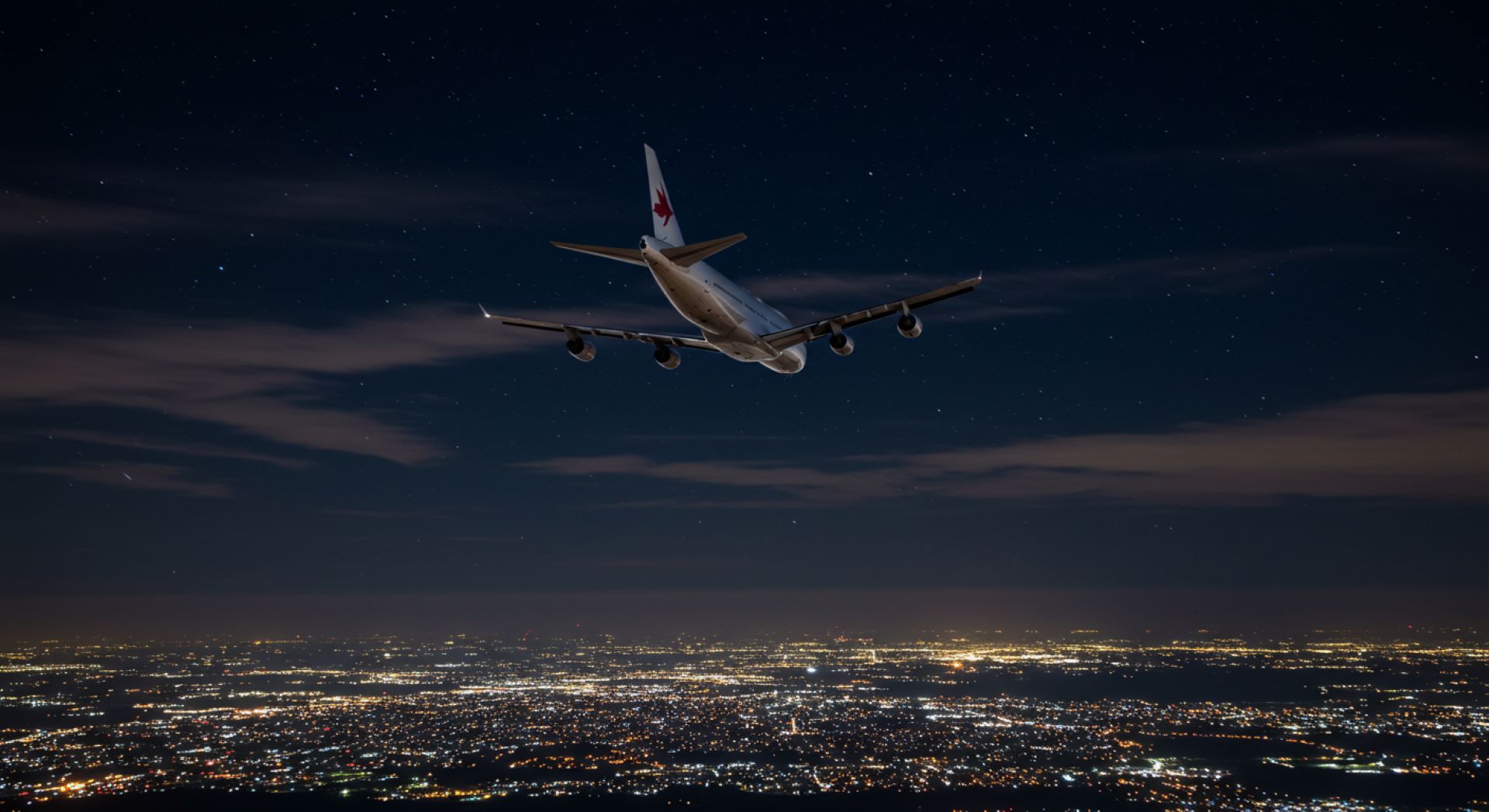
In an era where time is of the essence and every journey is an opportunity to reclaim a slice of personal space, night flights stand out as a compelling alternative to traditional daytime travel. From the historical evolution of aviation technologies that have made nocturnal travel remarkably safe to the practical benefits of avoiding crowded airports and achieving a more restful in-flight experience, the case for flying after dark is as strong as it is multifaceted.
The sensory experience of gliding through a star-studded sky, the quiet introspection afforded by a subdued cabin, and the strategic advantages of time efficiency converge to create a journey that is both practical and profoundly transformative. While challenges such as disrupted sleep cycles and the potential for fatigue remain, modern innovations and thoughtful preparation have paved the way for a smoother, more satisfying experience.
Industry experts, pilots, and frequent flyers all attest to the unique charm of night flights—a charm that extends far beyond mere cost savings or scheduling conveniences. These journeys invite travelers to see the world from a fresh perspective, offering moments of solitude, beauty, and reflection that are rarely found during the hustle of daytime travel.
As you consider your next journey, ponder the allure of the night. Could a red-eye flight provide not only a means to an end but also a quiet interlude of peace and wonder? In the dance between darkness and light, you might just find that the journey itself becomes an unforgettable part of your travel story.
Whether you’re chasing productivity, seeking a serene escape, or simply curious about the poetry of the night sky, the evolving landscape of air travel invites you to reimagine the journey. Embrace the potential of night flights, and you may discover that sometimes, the most memorable parts of a trip are not found at the destination, but in the quiet, contemplative hours spent soaring above a sleeping world.
Gerald Ferreira
Our travel editorial desk specializes in uncovering the best flight deals and destination insights within South Africa. We bring you first-hand updates on airline industry moves and budget travel hacks.
More From Travel News
The Psychology of Seat Selection on Short Flights
Why do travellers choose window or aisle seats on short flights? Exploring passenger psychology in South African commercial aviation.

How Aviation Shapes South Africa’s Coastal Tourism
Aviation expands South Africa’s coastal tourism by redistributing seasonal travel, boosting beach destinations, and connecting global and domestic markets.
Inside Airline Pilot Training for Modern Aircraft
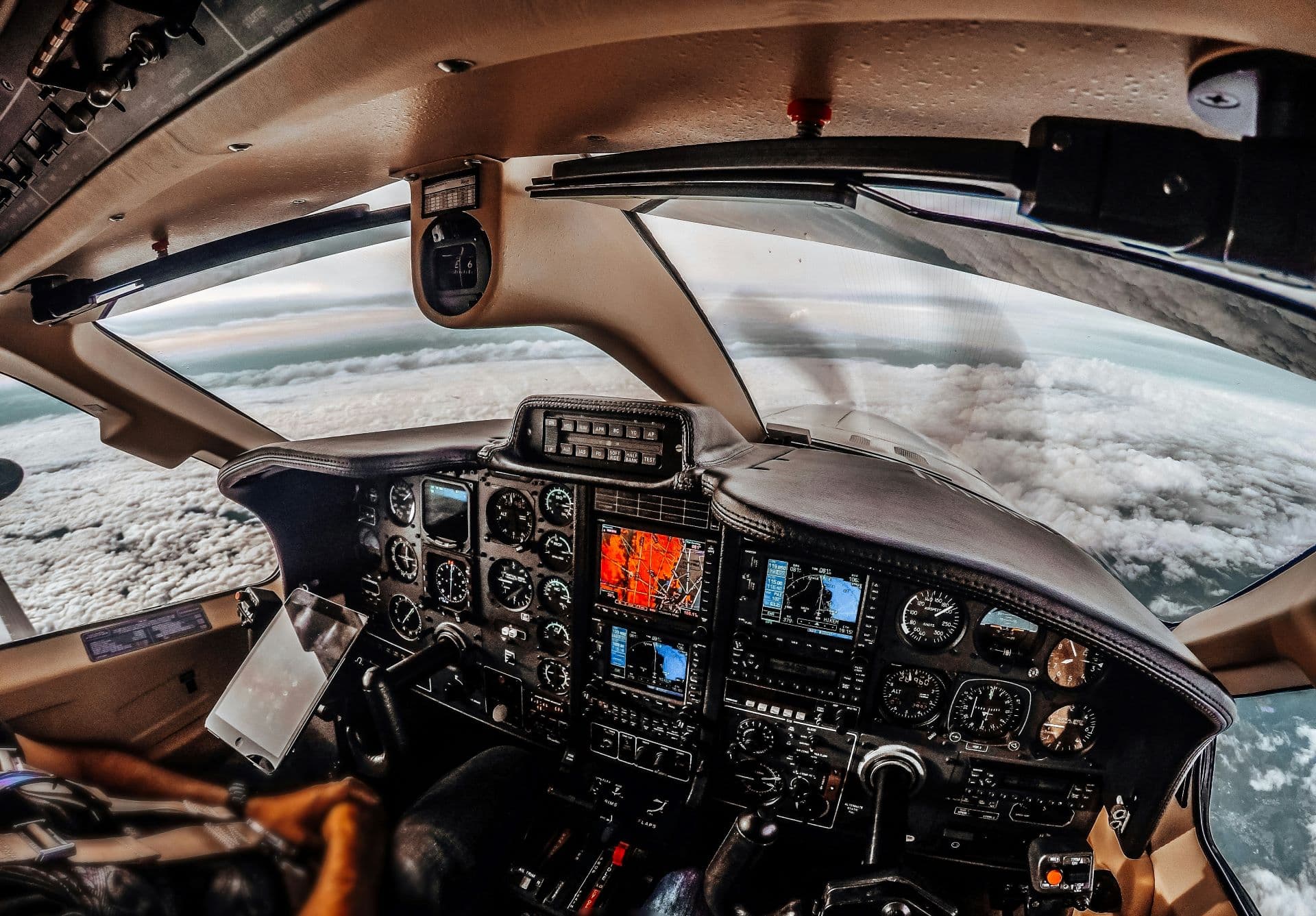
Discover how airlines train pilots for modern aircraft using advanced simulators, strict certification pipelines and continuous recurrent training.
Stay Informed, Stay
Ahead of the Curve
We don't just follow the headlines — we dive deeper. Our well-researched content is designed to empower you with the knowledge needed to navigate an industry shaped by innovation.
Seasoned Professionals
Industry stats and market performance metrics.