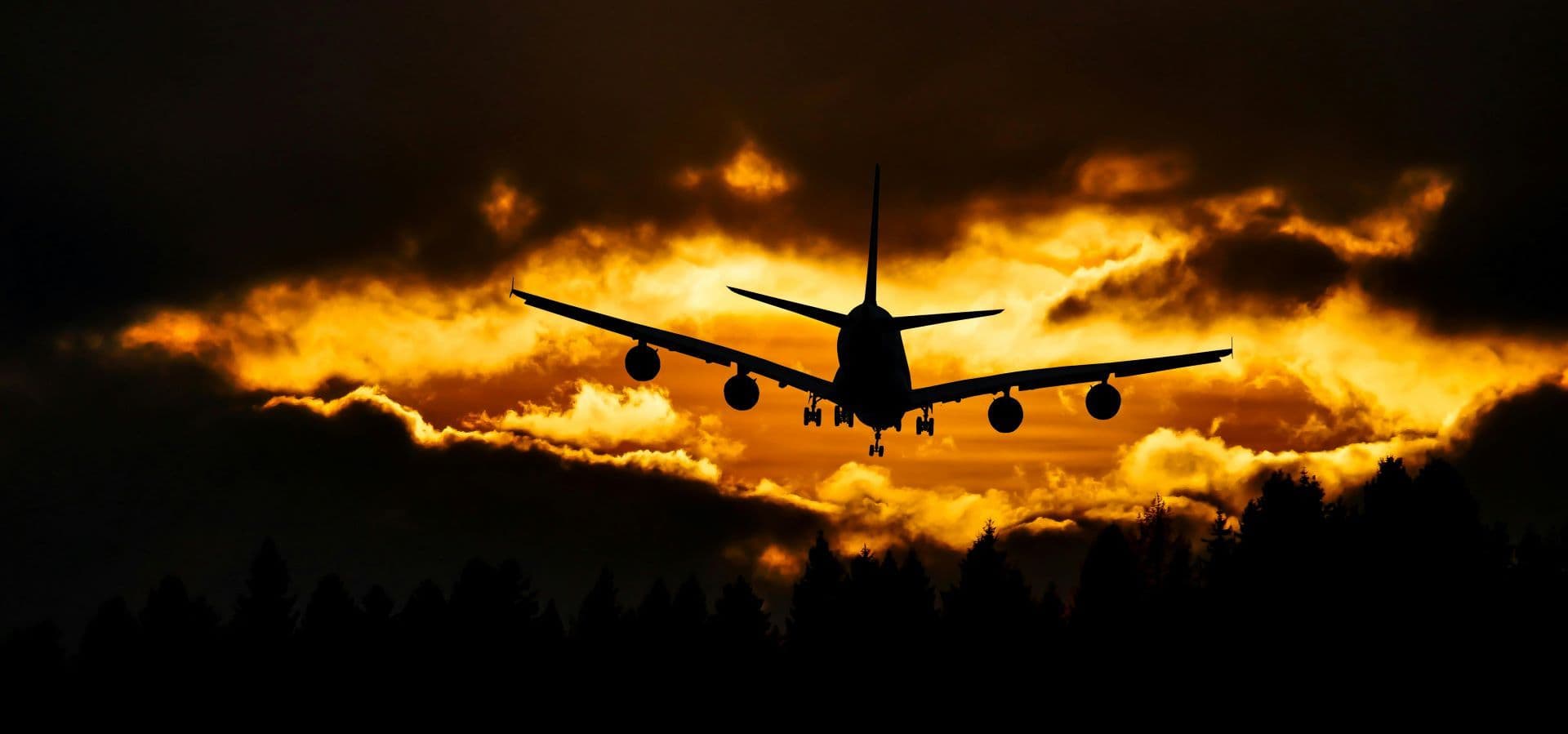
In today’s rapidly evolving travel landscape, the airline industry is under increasing pressure to maintain high standards of safety and comfort. Travelers, while eager to explore, are more discerning than ever, seeking reassurance that their journeys are both secure and enjoyable. Beyond mere transportation, airlines have become ambassadors of tourism, shaping perceptions and instilling confidence in destinations around the world. From health protocols and operational efficiency to passenger experience, airlines play a critical role in promoting tourism by addressing the concerns of modern travelers while ensuring journeys are seamless, comfortable, and safe.
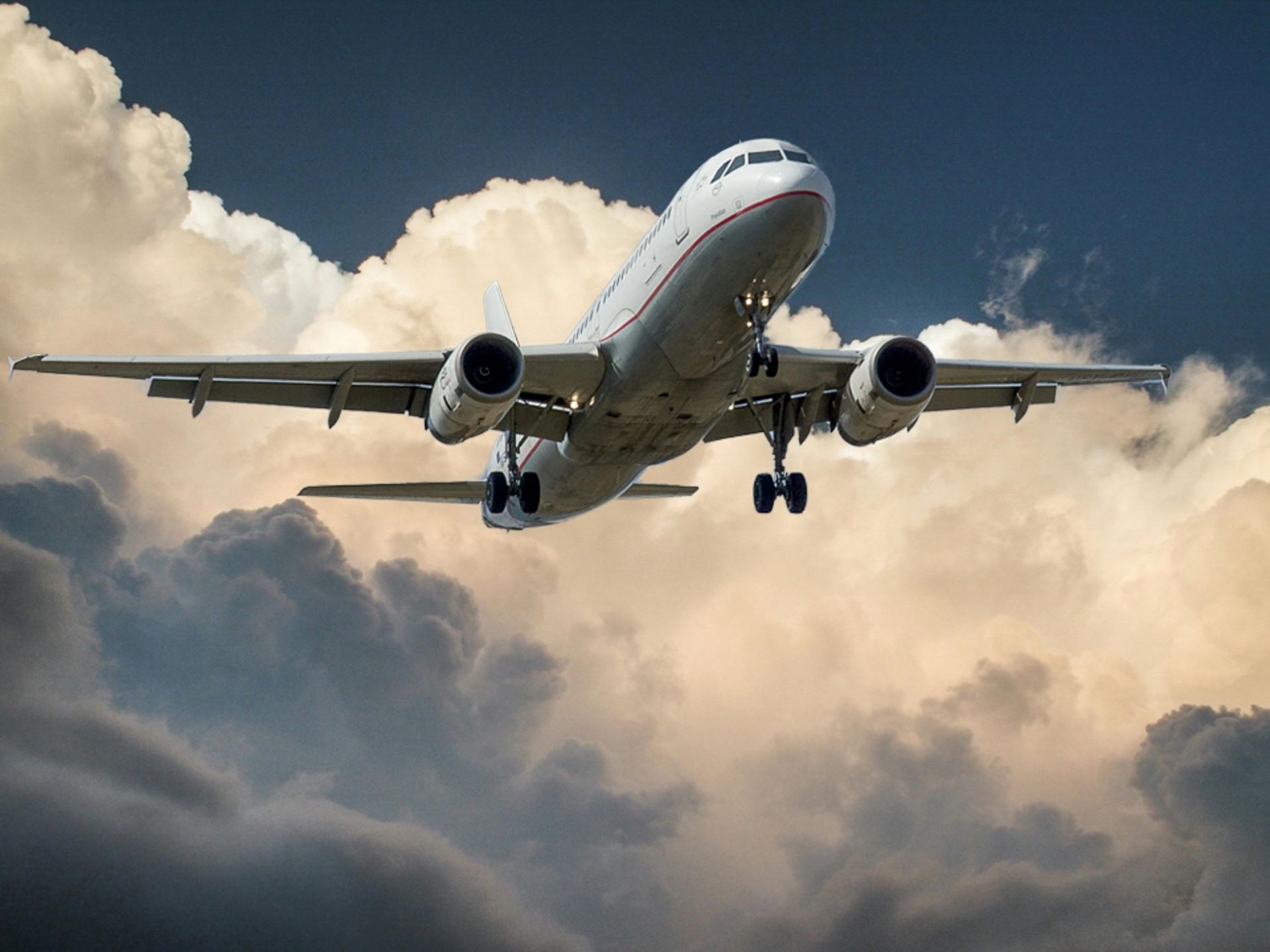
Reinventing Safety in the Skies
Airline safety is far more than a regulatory requirement—it is the cornerstone of traveler confidence. Modern aviation relies on layers of meticulously coordinated measures, starting with aircraft design and extending through operational protocols and crew training. Aircraft today are engineered with redundancies in mind: multiple navigation and control systems ensure that any single failure is unlikely to compromise the flight, while advanced sensors and real-time monitoring allow ground teams to track performance and anticipate potential issues.
Crew training is another crucial element. Beyond the technical competencies required to operate complex machinery, cabin crews are trained extensively in emergency procedures, from in-flight medical crises to fire containment. Airlines also invest in scenario-based drills that simulate extreme conditions, ensuring staff can respond calmly and effectively. This intensive preparation underpins the industry’s near-perfect safety record, providing travelers with reassurance that every journey is guided by expertise.
Health safety has gained unprecedented attention in recent years. Airlines have implemented rigorous sanitation protocols, air filtration systems, and contactless services to reduce the risk of infection. High-efficiency particulate air (HEPA) filters, for instance, clean cabin air multiple times per hour, capturing viruses, bacteria, and other particulates. Combined with enhanced cleaning routines and the availability of hand sanitizers, these measures foster a sense of security among passengers, reinforcing the notion that safety extends beyond mechanical reliability.
Comfort as a Pillar of Confidence
Safety is the foundation, but comfort transforms a flight into a positive travel experience. Passengers today expect more than a seat and a meal; they seek environments conducive to relaxation, work, or connection. Airlines are responding with innovations in cabin design, seating ergonomics, and personalized services that enhance every stage of the journey.
Seating is at the forefront of comfort initiatives. Wider seats with adjustable lumbar support, increased legroom, and flexible reclining options accommodate varying body types and travel needs. In premium cabins, lie-flat beds and privacy partitions create spaces reminiscent of boutique hotel rooms, enabling travelers to arrive refreshed at their destinations. Even economy-class cabins have evolved, incorporating advanced cushioning and intelligent layouts that minimize fatigue on long-haul flights.
Passenger comfort also extends to cabin climate and noise management. Airlines optimize temperature control systems, lighting schedules, and ventilation to support circadian rhythms and reduce jet lag. Noise-reduction technologies, such as acoustic panels and quieter engines, contribute to an environment where relaxation is possible, even amidst the hum of thousands of miles traveled. These efforts are subtle but impactful, reinforcing the perception that every aspect of travel is thoughtfully considered.
Operational Efficiency: The Hidden Confidence Booster
While safety and comfort are visible, operational efficiency operates behind the scenes as a critical factor in building traveler confidence. Airlines meticulously orchestrate scheduling, boarding, and ground operations to minimize delays and disruptions. Predictable, timely service enhances the perception of reliability, making tourists feel that their itineraries are secure and manageable.
Technology is central to operational efficiency. Advanced scheduling algorithms, real-time weather tracking, and predictive maintenance software allow airlines to anticipate challenges and proactively adjust operations. Baggage handling systems have evolved to reduce lost luggage, while digital check-in and automated boarding streamline passenger flow, reducing stress and uncertainty. When travelers experience smooth, predictable journeys, confidence in both the airline and the destinations they serve is strengthened.
Moreover, airlines increasingly collaborate with airports, tourism boards, and local authorities to create integrated travel experiences. From expedited customs procedures to clear signage and assistance for international travelers, operational efficiency extends beyond the aircraft itself. It encompasses the entire journey, ensuring that tourism experiences begin long before a plane touches down.

Health Measures and the Psychology of Travel
The global pandemic has reshaped the psychological landscape of travel. Safety is no longer abstract—it is a tangible factor influencing decisions. Airlines’ visible commitment to health, including mask policies, vaccination requirements, and pre-flight health screenings, reassures passengers that their well-being is prioritized. Even beyond mandated protocols, many airlines have invested in contactless entertainment, digital menus, and sanitized touchpoints, reducing interactions that might compromise health.
This attention to health is also a marketing tool. Airlines that transparently communicate safety measures foster trust, positioning themselves as reliable partners in exploration. Travelers, aware of these protocols, are more likely to book flights and plan trips, confident that they can navigate potential risks without sacrificing enjoyment.
The psychology of travel is intertwined with these perceptions. Knowing that health and safety have been prioritized allows passengers to relax, focus on the experience, and engage more fully with their destinations. Airlines that excel in this domain create an environment where curiosity is not hindered by fear, and tourism can flourish.
Enhancing the Passenger Experience Through Technology
Technology is a bridge between safety, comfort, and operational excellence. Modern travelers expect digital solutions that simplify journeys and provide control over their experience. Mobile apps, online check-in, real-time flight updates, and virtual customer service touchpoints empower passengers, reducing uncertainty and streamlining interactions.
In-flight, technology also enhances comfort and engagement. On-demand entertainment systems, Wi-Fi connectivity, and personalized content selections cater to diverse passenger needs. Some airlines have introduced health-monitoring apps and biometric boarding systems, integrating safety and efficiency seamlessly. These innovations reinforce the perception that travel is both secure and pleasurable, elevating confidence in tourism at large.
Furthermore, data analytics allow airlines to anticipate passenger needs and tailor services accordingly. Personalized meal options, seat preferences, and loyalty program offerings create a sense of recognition and care, transforming flights from functional transit into memorable experiences. This personalization fosters loyalty and encourages repeat travel, supporting both the airline and the broader tourism ecosystem.
Tourism Confidence and Destination Promotion
Airlines are often the first point of contact for tourists, shaping impressions of both the travel experience and the destination itself. When airlines emphasize safety, comfort, and operational reliability, they indirectly promote tourism by reducing perceived risks. Tourists are more likely to plan trips, book longer stays, and explore diverse activities when confidence in travel is high.
Collaborations between airlines and tourism boards further amplify this effect. From co-branded marketing campaigns to curated travel packages, airlines act as promoters of destinations, highlighting attractions, cultural experiences, and natural wonders. Safety-focused messaging, combined with comfort-oriented branding, reassures potential travelers that journeys are not only enjoyable but also secure. This integrated approach enhances the appeal of tourism destinations and strengthens the confidence of global travelers.
Moreover, airlines’ commitment to sustainability and environmental responsibility is becoming a crucial aspect of tourism promotion. Eco-friendly initiatives, including carbon-offset programs, fuel-efficient fleets, and waste-reduction measures, resonate with environmentally conscious travelers. By addressing both safety and sustainability, airlines build trust and align their operations with the values of modern tourists, reinforcing the confidence to explore.
The Future of Travel Confidence
Looking ahead, the intersection of safety, comfort, and tourism promotion will continue to evolve. Artificial intelligence, predictive analytics, and smart cabin designs promise to enhance every aspect of the flight experience. Autonomous systems may assist pilots, advanced materials could improve cabin ergonomics, and digital platforms will increasingly personalize and streamline interactions.
Yet, the core principle remains unchanged: traveler confidence is earned through visible commitment to safety, comfort, and operational excellence. Airlines that invest in these areas do more than transport passengers—they cultivate trust, foster enjoyment, and support tourism industries worldwide. By addressing both practical and psychological needs, they ensure that travel remains a compelling, aspirational, and reliable experience.
Confidence is the Ultimate Destination
In a world where travel choices are informed, deliberate, and value-driven, airlines hold significant sway over tourism confidence. Safety protocols, comfort enhancements, operational efficiency, and technological innovation converge to create experiences that inspire trust. Passengers who feel secure and cared for are more likely to embark on adventures, explore new destinations, and engage deeply with the cultures they encounter.
Airlines have transcended the role of simple transport providers—they are now integral to the tourism ecosystem, shaping perceptions, promoting destinations, and fostering confidence. By prioritizing health, operational excellence, and passenger comfort, they ensure that tourism is not only possible but also enjoyable, inspiring travelers to embrace exploration with assurance and delight.
Gerald Ferreira
Our travel editorial desk specializes in uncovering the best flight deals and destination insights within South Africa. We bring you first-hand updates on airline industry moves and budget travel hacks.
More From Travel Industry
Why Airlines Care About Your Connection Time Windows
Airlines treat connection times as precision timing tools that drive network efficiency, schedule flow, and global hub synchronization.
How Flight Routes Drive Tourism Growth and Regional Prosperity
Discover how airline routes influence global tourism, boost regional economies, and improve destination accessibility worldwide.
How Airlines Are Shifting to Eco-Friendly Travel
Airlines respond to eco-conscious travelers with carbon offsets, fuel-efficient fleets, and green marketing strategies in commercial tourism.
Stay Informed, Stay
Ahead of the Curve
We don't just follow the headlines — we dive deeper. Our well-researched content is designed to empower you with the knowledge needed to navigate an industry shaped by innovation.
Seasoned Professionals
Industry stats and market performance metrics.