
In the past, the role of an airline was simple and linear: transport passengers from one point to another as efficiently as possible. Comfort and punctuality were the benchmarks of service, and loyalty programs served as the primary differentiators. Today, the paradigm has shifted dramatically. The modern traveller seeks more than a seat and a meal; they desire experiences, seamless journeys, and memories curated with intention. Airlines, recognising this evolution, are stepping into the role of lifestyle curators, transforming travel from a transactional process into a holistic journey.
Reimagining the Passenger Experience
Airlines have begun to view passengers not as mere travellers but as explorers with unique tastes, interests, and aspirations. This shift has been accelerated by the rise of digital technology, which allows for highly granular insight into consumer behaviour. From meticulously tracking preferences in seat selection and meal options to analysing historical travel patterns, carriers now have the data to offer personalised recommendations before a passenger even steps on board.
Personalisation in this sense goes far beyond a choice of window or aisle. It is the creation of a bespoke narrative for each journey—a story that extends from the departure lounge to the streets of a destination city. For example, some airlines now offer curated itineraries for layovers, highlighting hidden neighbourhoods, local dining experiences, and cultural events that align with the passenger’s preferences. The result is a seamless blending of air travel and lifestyle, where the airline assumes the role of a guide, mentor, and concierge all at once.
Technology as the Enabler
The rise of artificial intelligence, machine learning, and mobile integration has enabled airlines to act as curators in ways previously unimaginable. Through predictive analytics, airlines can anticipate needs before passengers articulate them. Consider a traveller booking a flight to Florence: a sophisticated airline app might suggest an early morning walk through the Oltrarno district, a cooking class with a local chef, or a private viewing of a lesser-known museum.
These experiences are no longer peripheral add-ons; they are core components of the travel product. AI-driven recommendation engines ensure that suggestions are not generic but deeply relevant, drawing from a constellation of data points including prior bookings, social media activity, and even current travel trends. Airlines that embrace this approach position themselves not merely as facilitators of transport but as orchestrators of the passenger’s lifestyle and leisure journey.
From Concierge Services to Lifestyle Portfolios
The notion of concierge service has evolved from a luxury amenity into a central pillar of the airline experience. Traditionally limited to the highest tier of frequent flyers, bespoke assistance now extends to broader segments of the passenger base. Airlines increasingly partner with local guides, experience providers, and cultural institutions to offer tailored experiences that begin before take-off and extend long after landing.
Imagine a passenger arriving in Cape Town who, through a single app, can access a personalised wine tour, book tickets for a live jazz performance, and receive dining suggestions based on dietary preferences. The airline becomes the connector, transforming fragmented travel touchpoints into a coherent and satisfying journey. For travellers, this removes the friction of planning, elevates convenience, and instils a sense of trust and intimacy that was previously the domain of boutique travel agencies.
The Airline as Cultural Conduit
An often-overlooked dimension of this trend is the role of airlines as cultural curators. Beyond logistics, airlines are uniquely positioned to introduce passengers to the essence of a destination. In-flight programming, from documentaries and music playlists to destination-themed meals, is increasingly aligned with the ethos of the travel experience awaiting passengers on the ground.
This extends to strategic partnerships with local artisans, performers, and experience providers. By incorporating cultural touchpoints directly into the flight experience, airlines not only enhance passenger engagement but also foster an emotional connection with the destination itself. The journey is thus framed as an integrated narrative, where travel becomes not a series of isolated moments but a continuous story enriched by meaningful interactions.
Redefining Loyalty in the Era of Personalisation
Traditional loyalty programs, rooted in miles and points, are evolving to reflect the deeper values of modern travellers. Airlines are increasingly using personalisation to cultivate loyalty through relevance, exclusivity, and access to experiences that money alone cannot buy. These programs reward passengers not merely for frequency of travel but for engagement with curated journeys and lifestyle offerings.
A loyalty program in this new context may offer early access to cultural events, personalised wellness retreats, or priority booking for bespoke tours. It becomes less about the transactional accumulation of points and more about the intangible value of trust, convenience, and insider access. This is the modern definition of premium: it is measured not by cost but by the degree to which an airline can anticipate, enrich, and personalise the passenger’s experience.
Collaborations and Cross-Industry Innovation
In their quest to become holistic curators of travel, airlines are increasingly collaborating with brands across industries. Luxury hotels, lifestyle retailers, technology platforms, and even entertainment franchises are becoming strategic partners, enabling airlines to extend their reach beyond transportation. These collaborations often manifest in co-branded experiences, exclusive offers, and integrated travel packages that cater to specific passenger interests.
For instance, an airline partnering with a renowned fashion house might offer passengers curated shopping experiences in Paris, complete with private viewings, styling consultations, and VIP access to events. Similarly, collaborations with tech platforms allow for gamified travel experiences, interactive city guides, and real-time suggestions tailored to mood and behaviour. These partnerships transform travel into an ecosystem where airlines are no longer merely carriers but lifestyle architects.
Sustainability and Conscious Travel
As airlines embrace the role of curators, sustainability has emerged as a key dimension of personalised travel. Modern travellers increasingly demand experiences that are ethical, environmentally conscious, and culturally respectful. Airlines are responding with curated journeys that prioritise eco-friendly accommodations, carbon-conscious transport options, and experiences that support local communities.
Sustainability here is not a marketing checkbox; it is embedded in the design of the journey itself. Passengers are guided toward experiences that resonate with their values, from farm-to-table dining and community-led tours to eco-lodges and renewable-energy powered activities. The airline becomes a facilitator of responsible exploration, demonstrating that personalisation and sustainability can coexist without compromise.
Case Studies in Curated Travel
Several forward-thinking airlines have already embraced the concept of the travel curator with remarkable results. For example, a major European carrier has launched a platform offering tailored itineraries based on a passenger’s interests, from gastronomy and art to adventure sports and wellness retreats. Similarly, a leading Asian airline integrates local guides into its digital ecosystem, ensuring that travellers receive insider access and curated recommendations at every stage of their journey.
In practice, these initiatives translate into higher customer satisfaction, stronger brand loyalty, and an elevated perception of the airline as a lifestyle authority. They also provide valuable data feedback loops, enabling airlines to refine offerings and anticipate emerging travel trends with unprecedented precision.
The Role of Human Touch in a Digital World
While technology is central to personalised travel, human expertise remains indispensable. Concierge teams, local guides, and travel specialists provide the nuanced judgement and personal flair that algorithms alone cannot replicate. The most effective airline curators blend digital intelligence with human intuition, ensuring that each recommendation is not only relevant but also emotionally resonant.
This dual approach—where machine learning predicts preferences and humans interpret context—elevates the passenger experience from mere convenience to genuine delight. Passengers feel understood, valued, and guided, reinforcing the airline’s role as both facilitator and confidant.
The Future of Travel Curation
Looking ahead, the airline as curator will become the norm rather than the exception. Personalisation will extend into every facet of the travel experience, from pre-flight wellness assessments and destination-specific mood music to real-time itinerary adjustments based on weather, traffic, and passenger energy levels. Airlines may even begin to anticipate needs at the macro level, crafting seasonal journeys and curated experiences tailored to entire cohorts of passengers with shared interests.
Moreover, as the lines between travel, lifestyle, and entertainment continue to blur, airlines will increasingly position themselves as essential nodes in the wider cultural ecosystem. The modern passenger no longer desires a flight; they seek a journey that is thoughtful, seamless, and deeply personal. Airlines that embrace this curatorial role stand to redefine both the art and business of travel for decades to come.
Beyond Transportation
The evolution of airlines from transport providers to curators of experience represents a profound shift in the way we travel. No longer are passengers content with standardised journeys; they seek experiences that reflect their values, interests, and aspirations. By integrating technology, human expertise, and cross-industry partnerships, airlines are creating personalised, holistic journeys that transform travel into a lifestyle proposition.
In this new paradigm, loyalty is earned not by miles but by meaning. Engagement is cultivated not through marketing campaigns but through shared experiences and curated moments. The airline becomes a guide, a concierge, and a cultural bridge, connecting passengers not only to destinations but to richer, more resonant experiences. Ultimately, the journey ceases to be defined by the plane itself and is instead measured by the stories, memories, and connections it enables—a testament to the art of curated travel in the modern age.
Elisha Roodt
Our travel editorial desk specializes in uncovering the best flight deals and destination insights within South Africa. We bring you first-hand updates on airline industry moves and budget travel hacks.
More From Travel News
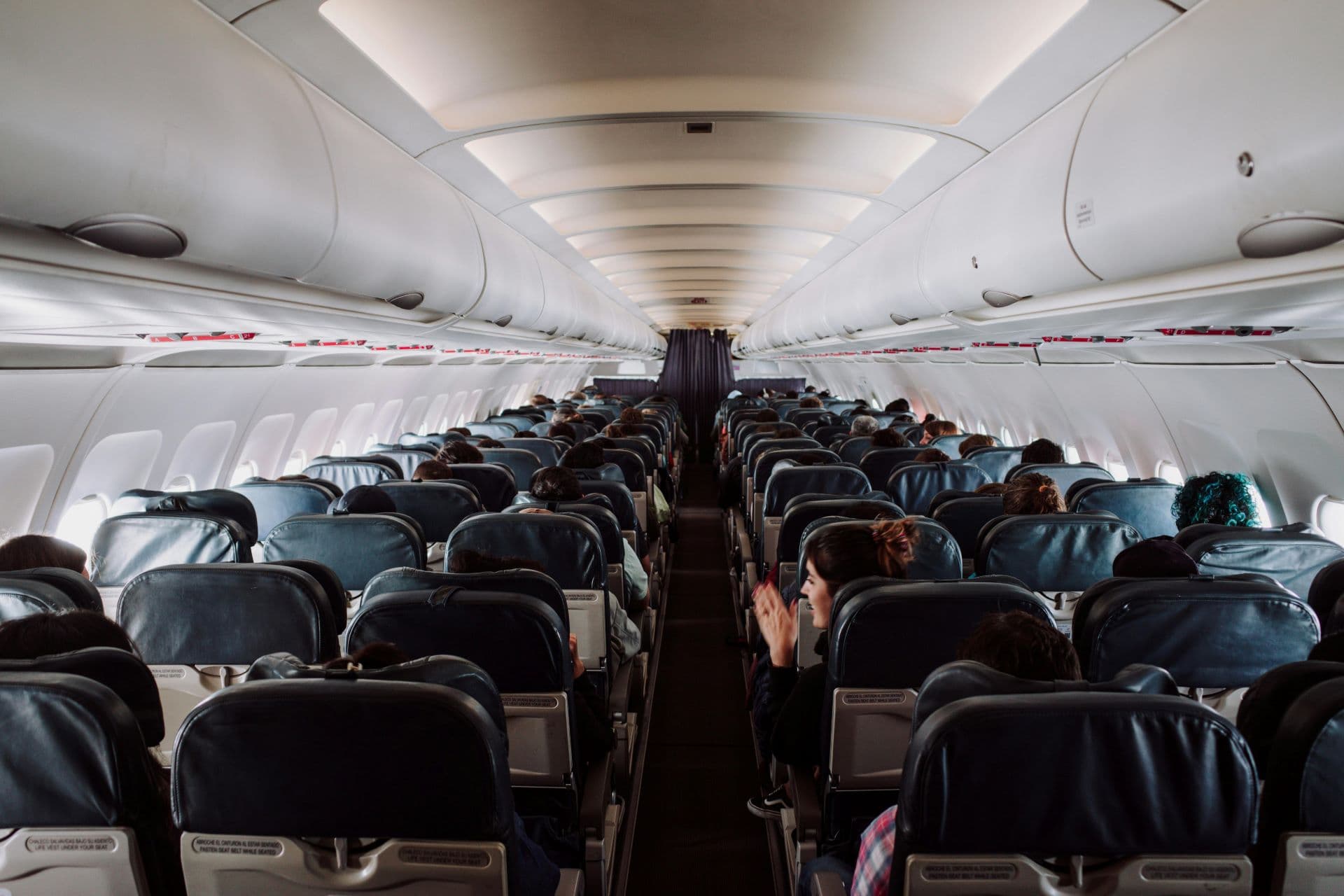
The Psychology of Seat Selection on Short Flights
Why do travellers choose window or aisle seats on short flights? Exploring passenger psychology in South African commercial aviation.
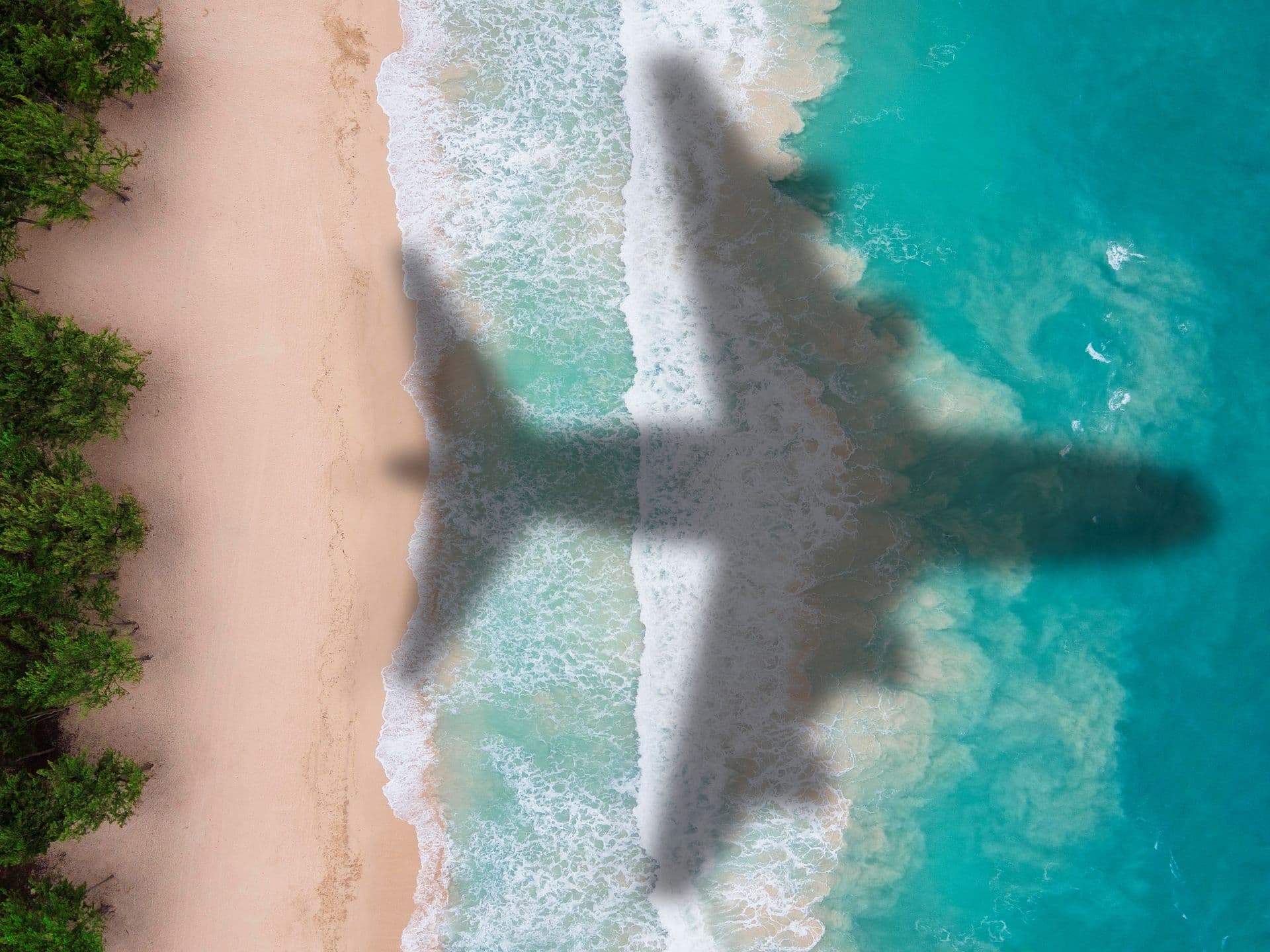
How Aviation Shapes South Africa’s Coastal Tourism
Aviation expands South Africa’s coastal tourism by redistributing seasonal travel, boosting beach destinations, and connecting global and domestic markets.
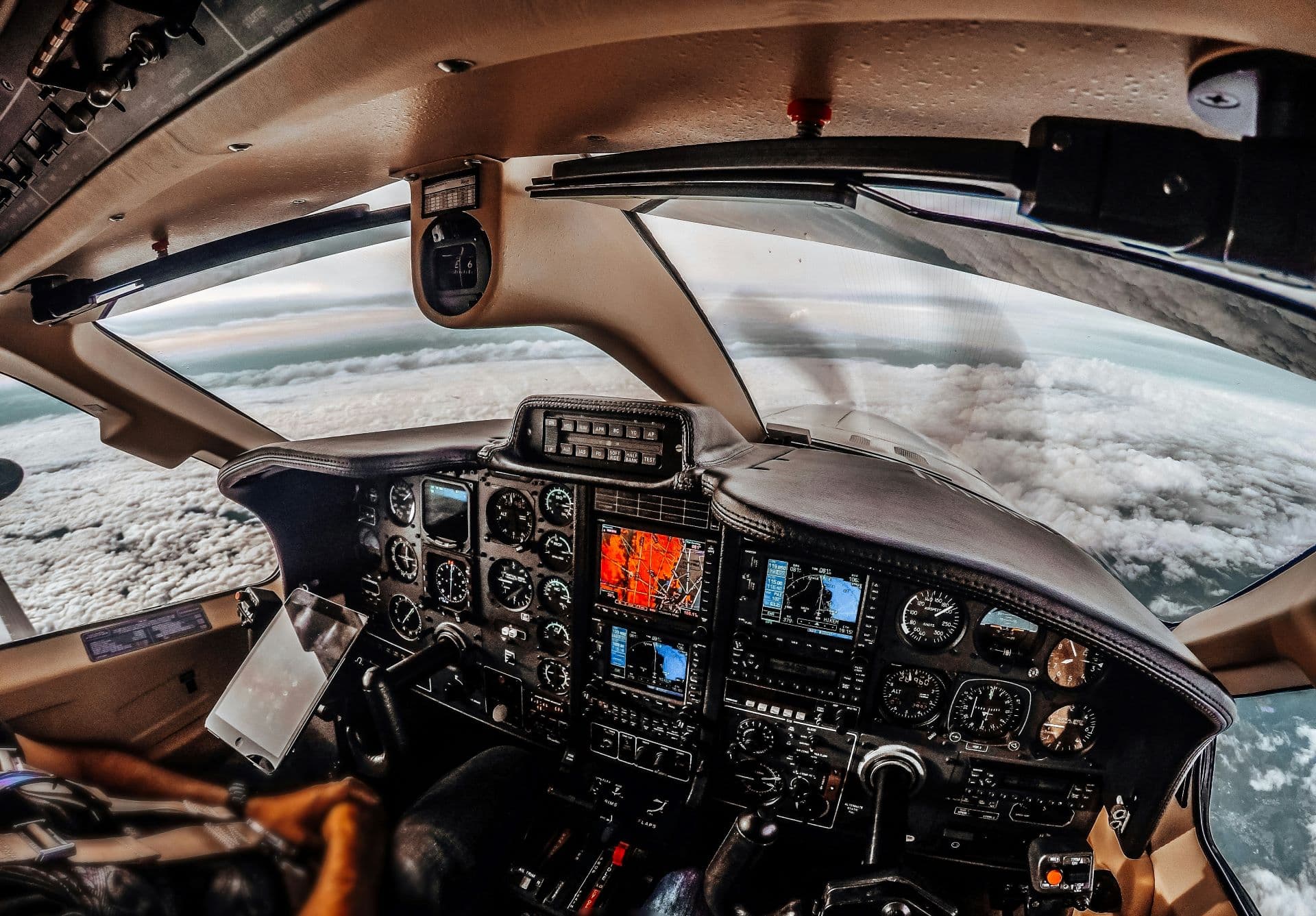
Inside Airline Pilot Training for Modern Aircraft
Discover how airlines train pilots for modern aircraft using advanced simulators, strict certification pipelines and continuous recurrent training.
Stay Informed, Stay
Ahead of the Curve
We don't just follow the headlines — we dive deeper. Our well-researched content is designed to empower you with the knowledge needed to navigate an industry shaped by innovation.
Seasoned Professionals
Industry stats and market performance metrics.