
A New Era in Airline Dining
Once, the phrase “airline food” conjured images of bland chicken or rubbery pasta served in foil trays at 35,000 feet. That perception is rapidly changing. Today, airlines around the globe are redefining what it means to dine in the skies. Passengers no longer endure meals merely to sustain themselves—they seek a gastronomic experience that mirrors the sophistication of a five-star restaurant, even when cruising above the clouds.
Central to this evolution is the collaboration between airlines, celebrity chefs, and regional food producers. This partnership is transforming the inflight menu into a platform for storytelling, cultural expression, and culinary innovation, where every dish carries a narrative of its origin.

The Celebrity Chef Phenomenon
The emergence of celebrity chefs in airline gastronomy has been one of the most visible indicators of the industry’s transformation. Airlines are increasingly partnering with renowned culinary figures to craft menus that appeal to both the palate and the imagination. These collaborations often highlight signature dishes or reinterpret classic recipes for the unique conditions of high-altitude dining.
For instance, chefs bring their personal culinary philosophies to the table, focusing on fresh, seasonal ingredients and sophisticated flavor combinations. Their involvement elevates inflight dining from a functional service to an aspirational experience, one that passengers anticipate and share on social media, effectively merging brand storytelling with culinary artistry.
In practical terms, chefs face unique challenges. The lower air pressure and reduced humidity at cruising altitudes dull the senses of taste and smell, necessitating innovative approaches to seasoning, texture, and presentation. Spice levels may be slightly heightened, while sauces and dressings are carefully balanced to maintain their vibrancy in the air. Chefs work closely with airline catering teams to test recipes under simulated conditions, ensuring that what passengers taste at 35,000 feet mirrors their expectations on the ground.
Regional Producers: Bringing Local Flavors to the Sky
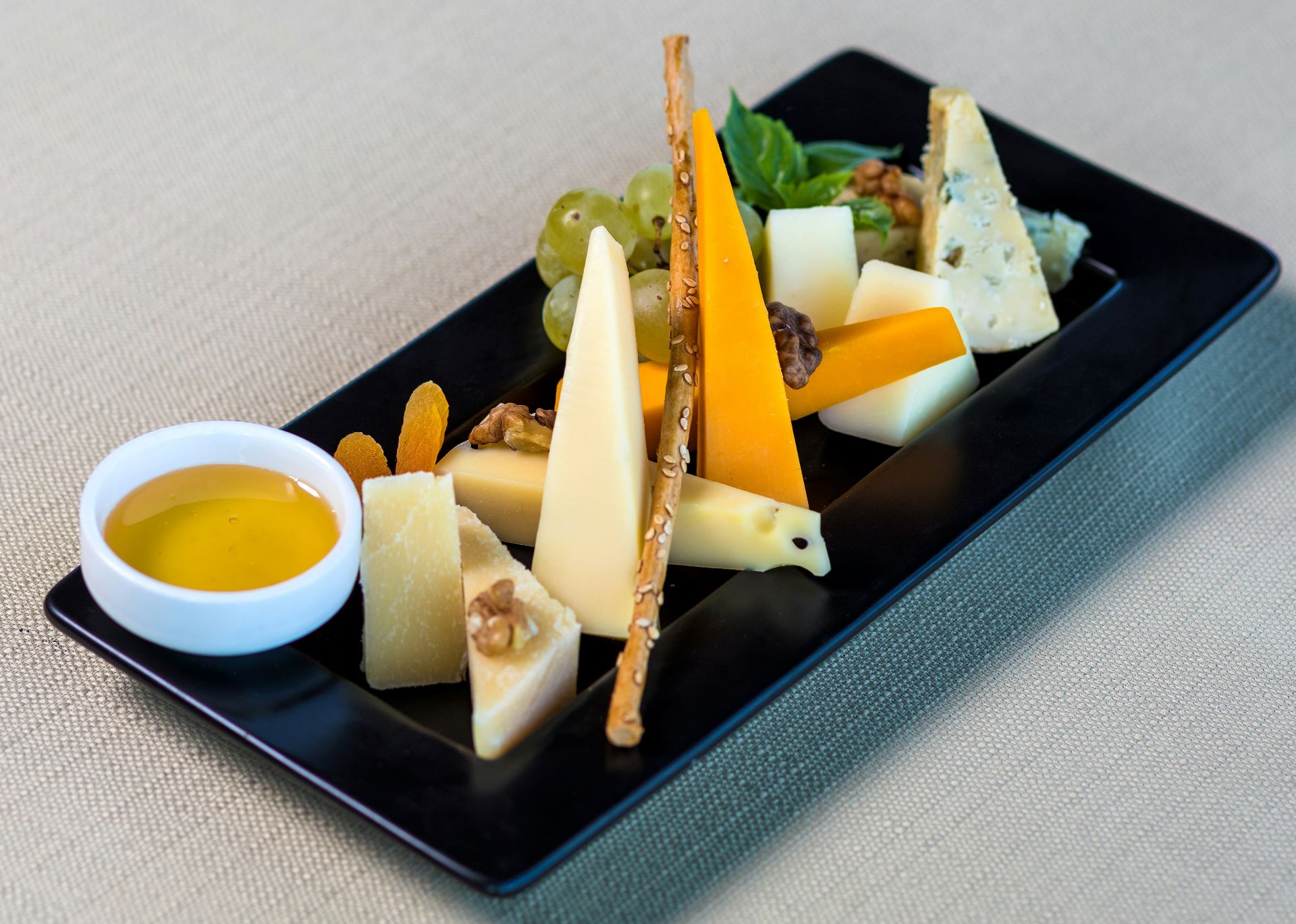
Airlines are also forging closer relationships with regional producers, highlighting local ingredients that embody the culture and heritage of their home countries. From artisanal cheeses in Europe to heritage grains in Asia, these partnerships allow airlines to showcase authentic flavors that might otherwise remain geographically bound.
For travelers, this approach transforms inflight meals into a curated journey through a destination’s culinary landscape. A passenger flying from Johannesburg to London may sample a menu that features locally sourced South African wines, organic produce, and specialty meats from regional farms, turning a transcontinental flight into a tasting adventure. By spotlighting small-scale producers, airlines also contribute to sustainable food practices, supporting local economies and fostering transparency in sourcing.
Moreover, the incorporation of regional ingredients creates opportunities for storytelling that resonates deeply with modern travelers. Each dish can carry a narrative about the farm, the producer, or the cultural significance of the ingredients. This narrative approach not only enriches the passenger experience but also reinforces brand values such as authenticity, sustainability, and innovation.
Designing Menus for Altitude and Experience
Crafting an inflight menu is both an art and a science. Beyond taste and presentation, airlines must consider logistical, nutritional, and sensory factors unique to the aviation environment. Meals must be prepared en masse, stored, and reheated while preserving the integrity of flavors and textures. Ingredients must be resilient yet capable of delivering a premium experience.
Airlines now invest in culinary research and development centers, where chefs experiment with everything from freeze-drying delicate herbs to perfecting the reheating process of complex dishes. The goal is to maintain the essence of freshly prepared meals while adhering to aviation safety and operational constraints.
Pairing beverages with meals has also evolved into an intricate art form. Airlines are collaborating with sommeliers and mixologists to curate wine, beer, and cocktail selections that complement the flavors of each dish. Non-alcoholic options are receiving equal attention, with signature mocktails and locally inspired juices enhancing the culinary journey.
Storytelling Through Cuisine
Airline menus have become more than functional documents; they are storytelling tools. The narratives behind each dish—whether it’s the journey of the ingredients, the chef’s inspiration, or the cultural heritage of a recipe—invite passengers to engage with the meal on an intellectual and emotional level.
For example, a Japanese carrier might serve a bento crafted with ingredients sourced from traditional markets in Tokyo, while offering explanations about the regional history of each item. Similarly, a European airline could highlight the terroir of a particular cheese or wine, creating a multisensory connection between passenger and place. These stories turn routine dining into a cultural experience, heightening passenger satisfaction and reinforcing brand loyalty.
Social media amplifies this effect. Passengers are eager to capture and share these elevated culinary moments, turning the inflight meal into a form of experiential marketing. A well-curated plate becomes a visual and narrative extension of the airline’s brand, reaching thousands of potential travelers through organic channels.
Sustainability and Ethics in the Sky
Sustainability is no longer optional in culinary innovation—it is central to the ethos of modern airline dining. Airlines are rethinking ingredient sourcing, packaging, and waste management, aligning their inflight offerings with global sustainability goals. Collaborations with local producers often mean shorter supply chains, reduced carbon footprints, and support for environmentally responsible farming practices.
Menus increasingly feature plant-based options and sustainably sourced seafood, catering to a growing demographic of environmentally conscious travelers. Airlines also implement strategies to reduce single-use plastics and food waste, ensuring that the gastronomic experience does not come at the expense of ethical or ecological considerations.
Cultural Curation and Destination Branding
Inflight dining also plays a pivotal role in destination branding. Airlines use cuisine to introduce passengers to the flavors of their home countries, crafting a seamless narrative that extends from ground to sky. Regional specialties, local wines, and artisanal products become ambassadors for the destinations themselves.
For example, Emirates has long been celebrated for integrating Middle Eastern culinary traditions into its inflight experience, while Singapore Airlines emphasizes the diversity of Singaporean gastronomy through menu offerings that reflect its multicultural society. This curated approach enhances the airline’s identity and fosters an emotional connection between passengers and destinations, often shaping perceptions before arrival.
The Future of Inflight Gastronomy
As technology and culinary science evolve, the future of inflight dining promises further innovation. Personalized menus, AI-driven taste profiling, and interactive meal experiences are already emerging trends. Passengers may soon select meals tailored not only to dietary preferences but also to mood, cultural interest, or even in-flight entertainment choices.
Virtual reality dining experiences could transform how passengers perceive flavors, while smart trays and packaging may ensure optimal freshness and temperature for each dish. Airlines are investing in these innovations not only to enhance the passenger experience but also to differentiate themselves in a competitive market where luxury, convenience, and cultural engagement intersect.

Dining as a Defining Journey
The modern inflight menu is more than sustenance—it is a defining element of the travel experience. Through collaborations with celebrity chefs and regional producers, airlines have transformed dining into a platform for creativity, culture, and storytelling. At 35,000 feet, passengers are no longer passive consumers; they are participants in a carefully curated journey of taste, heritage, and innovation.
Airline dining has become a bridge between destination and passenger, a tangible expression of brand values, and a medium through which stories of people, places, and traditions are shared. The art of the inflight menu is now firmly established, ensuring that the next time travelers unfasten their seatbelts, they are not just arriving at a new city—they are experiencing a new world of flavor.
Gerald Ferreira
Our travel editorial desk specializes in uncovering the best flight deals and destination insights within South Africa. We bring you first-hand updates on airline industry moves and budget travel hacks.
More From Travel News
The Psychology of Seat Selection on Short Flights
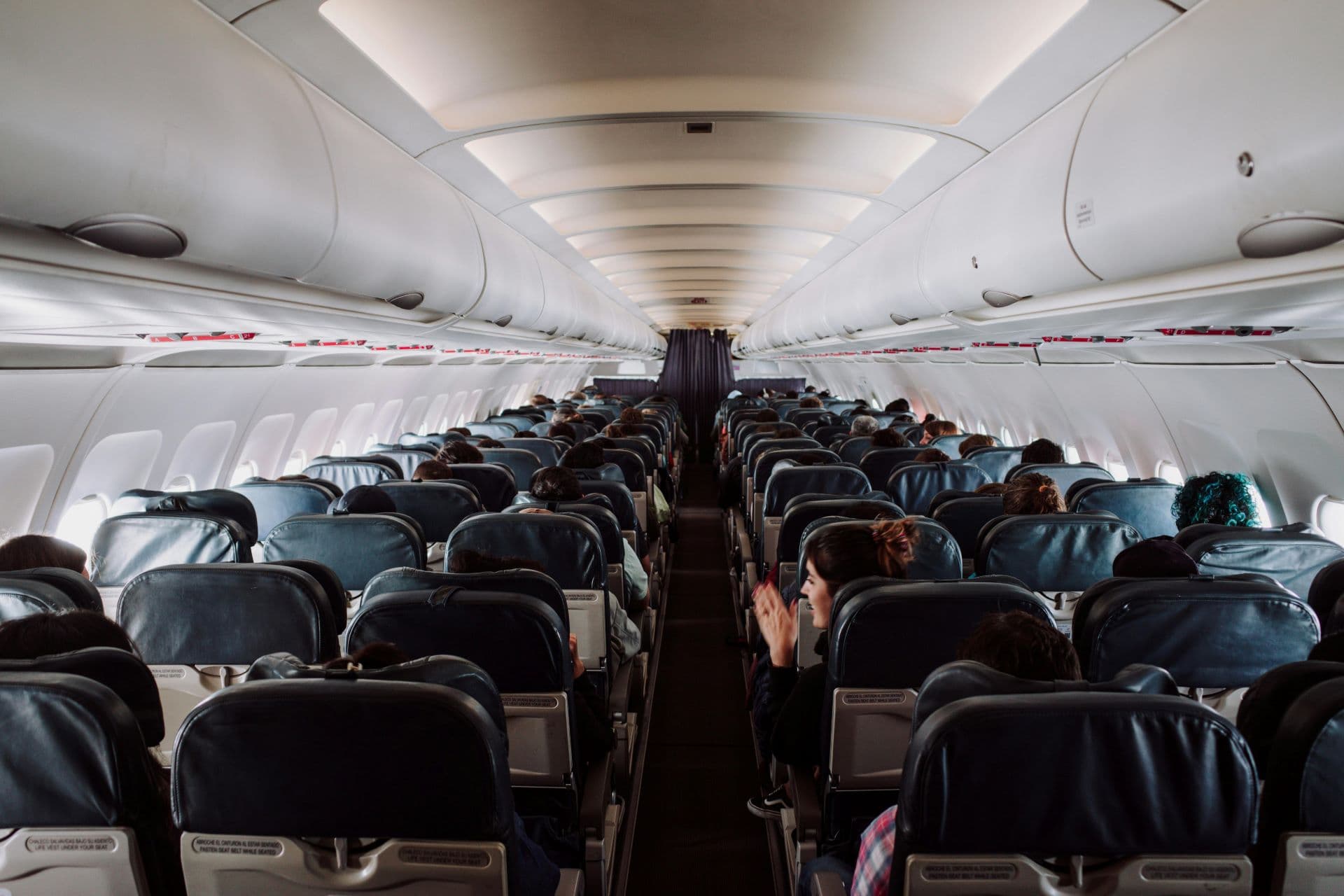
Why do travellers choose window or aisle seats on short flights? Exploring passenger psychology in South African commercial aviation.

How Aviation Shapes South Africa’s Coastal Tourism
Aviation expands South Africa’s coastal tourism by redistributing seasonal travel, boosting beach destinations, and connecting global and domestic markets.
Inside Airline Pilot Training for Modern Aircraft
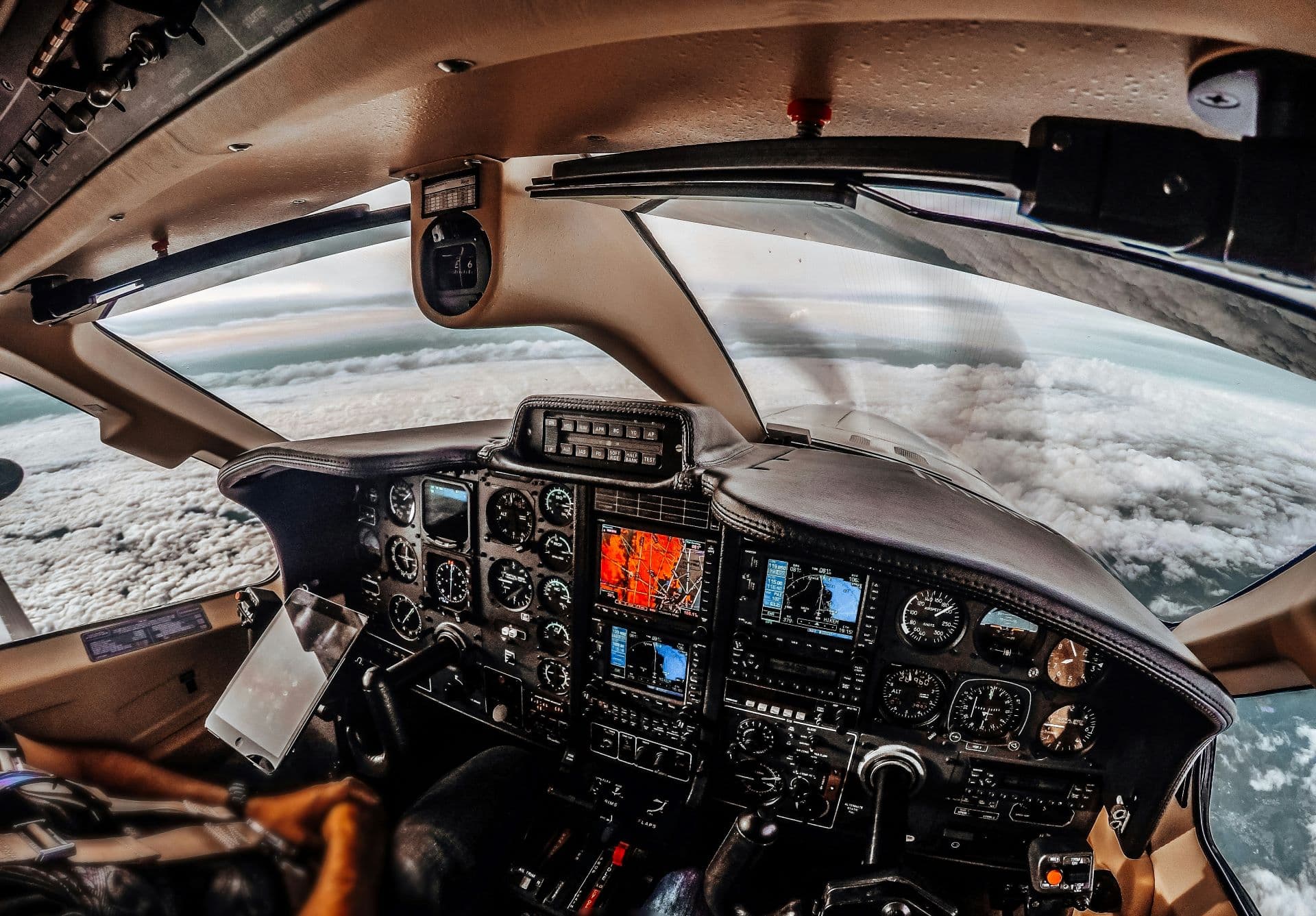
Discover how airlines train pilots for modern aircraft using advanced simulators, strict certification pipelines and continuous recurrent training.
Stay Informed, Stay
Ahead of the Curve
We don't just follow the headlines — we dive deeper. Our well-researched content is designed to empower you with the knowledge needed to navigate an industry shaped by innovation.
Seasoned Professionals
Industry stats and market performance metrics.