The Birth of Loyalty in the Skies
Air travel, once a preserve of the wealthy elite, has transformed over the past half century into a global industry that serves billions of passengers each year. In its earliest days, airlines relied primarily on prestige and service excellence to retain customers. Flying Pan Am in the 1960s or British Airways in the 1980s carried not just the promise of transport, but of status. Yet as deregulation, competition, and low-cost carriers reshaped the aviation landscape, service differentiation alone became insufficient. Thus emerged the concept of loyalty programs—strategic tools that rewarded repeat customers with miles, points, and privileges designed to create lasting relationships.
The first frequent flyer program, introduced by American Airlines in 1981 under the now-iconic “AAdvantage” banner, changed the game entirely. By awarding miles based on distance flown, it provided travelers with tangible incentives to stick with one airline. It wasn’t merely about loyalty; it was about constructing a financial ecosystem in which travelers were rewarded not just for where they flew, but how often and with whom. Soon, every major carrier followed suit, realizing that loyalty was no longer intangible—it could be measured, tracked, and monetized.
From Miles to Multi-Layered Rewards
What began as a straightforward system of accumulating air miles for future flights has grown into a sprawling web of benefits that extend far beyond the aircraft cabin. Airlines quickly realized that their programs could transcend the confines of air travel, linking with hotels, credit card companies, retailers, and car hire services to create a complete lifestyle offering. Suddenly, loyalty programs were no longer about flying more; they were about living within a branded ecosystem.
This expansion fundamentally shifted traveler behavior. A consumer booking a trip to Paris might decide to stay at a particular hotel not because of location or price, but because it aligned with their frequent flyer program, earning them the extra miles needed to push them into the next tier. Car rentals, dining, and even online shopping began to carry the weight of travel decisions, as loyalty programs integrated into virtually every corner of consumer life. For many, accumulating miles became a goal in itself, a new kind of currency that shaped choices both big and small.
The Psychology of Status
Central to the success of frequent flyer programs is their manipulation of human psychology. Travelers are not simply motivated by the prospect of free flights. The true allure lies in the stratified tiers—Silver, Gold, Platinum, Diamond—that airlines use to signify loyalty. These tiers unlock privileges such as priority boarding, lounge access, complimentary upgrades, and extra baggage allowance.
The brilliance of this model is that it taps into a universal human desire for recognition and exclusivity. A Gold cardholder may arrive at the airport and bypass the long queues, not only saving time but reinforcing a sense of belonging to an elite group. This emotional component cannot be underestimated. Airlines have successfully created a social hierarchy in the sky, where travelers strive to climb higher not simply for tangible rewards, but for the status it confers. The psychological value of being “seen” as a premium passenger has proved as influential as the practical value of a free flight.
Destination Loyalty Through Airline Loyalty
One of the more subtle effects of frequent flyer programs has been their impact on tourism itself. Destinations are no longer chosen purely for their appeal, cultural significance, or affordability. They are often influenced by the partnerships between airlines and tourist boards, or by the way certain routes align with a traveler’s loyalty program.
Consider a traveler debating between a beach holiday in Bali or Phuket. If their frequent flyer program has stronger ties to hotels and resorts in Bali, or if the miles earned on a Bali route are higher, the choice tilts in Bali’s favor. In this way, loyalty programs don’t just foster allegiance to an airline—they quietly guide tourism flows toward destinations that align with their ecosystems. Cities, regions, and even countries benefit when they become hubs for a specific carrier’s loyalty program. Dubai’s meteoric rise as a global tourism hotspot owes much to Emirates’ Skywards program, which not only incentivized repeat travel through Dubai but made the city itself synonymous with luxury stopovers and aspirational journeys.
The Economic Ripple Effect
The economic impact of frequent flyer programs extends far beyond airlines. They create ecosystems of repeat tourism that benefit hotels, restaurants, attractions, and local businesses in specific destinations. Airlines often enter into co-branding agreements with tourist boards, ensuring that loyalty program members receive tailored packages, double miles, or exclusive deals. This not only encourages first-time travelers to visit but also ensures that they return.
For emerging destinations, being tied into a powerful loyalty program can be transformative. An airline’s decision to allocate more reward seats to a city can directly boost its visibility, positioning it as a repeat choice for travelers seeking to maximize their points. The result is sustained economic growth, as loyalty-driven tourism creates a steady flow of returning visitors rather than one-off arrivals.
Digitalization and the Future of Loyalty
In the digital era, frequent flyer programs are evolving once again. Where once the focus was on collecting paper tickets and physical cards, today loyalty is tracked and managed seamlessly through apps. Personalized dashboards now show members how close they are to the next tier, suggest routes to maximize earnings, and even gamify the experience with progress trackers and personalized offers.
Artificial intelligence and big data are also playing pivotal roles. Airlines can now predict traveler behavior with extraordinary precision, offering targeted promotions that nudge passengers toward specific destinations or upgrades. Imagine a traveler who frequently flies to Asia being offered bonus miles if they book a stopover in Singapore, or a family being sent a tailored package for a theme park destination aligned with their previous travel history. The power of personalization ensures that loyalty programs are no longer just broad incentive schemes but highly individualized strategies that turn occasional travelers into committed customers.
Challenges and Critiques
Despite their widespread success, frequent flyer programs are not without controversy. Some critics argue that they encourage overconsumption, promoting unnecessary travel and contributing to aviation’s carbon footprint. Others point to the devaluation of miles, where airlines raise the thresholds needed to redeem rewards, frustrating loyal customers. Transparency is another sticking point; many travelers feel that the rules of redemption are opaque, with blackout dates and limited seat availability undermining the promise of “free flights.”
Moreover, the pursuit of status can sometimes foster negative behaviors. Business travelers may opt for less efficient routes simply to maximize miles, while others may spend excessively on co-branded credit cards to chase tier upgrades. This raises questions about whether loyalty programs truly serve the traveler, or whether travelers serve the program.
The Cultural Shift in Loyalty
As consumer expectations evolve, so too must loyalty programs. Today’s travelers, particularly younger generations, are less interested in accumulating miles for distant future rewards and more focused on immediate, meaningful experiences. Airlines are responding by integrating wellness perks, sustainability initiatives, and unique cultural partnerships into their loyalty frameworks. Instead of simply offering a free flight, programs may now include eco-conscious options such as carbon offset bonuses, or lifestyle rewards such as access to concerts, gastronomy events, or curated local tours.
This shift reflects a broader cultural movement in tourism itself. Loyalty is no longer just about the journey—it is about the holistic experience of travel. Airlines that recognize this and align their programs with the evolving values of their passengers are likely to secure the deepest and most enduring loyalty.
Loyalty as the Engine of Modern Tourism
Frequent flyer programs have grown from a clever marketing tool into a cornerstone of global tourism. They shape not only how often we travel, but where we go, how we spend, and how we experience the journey itself. By blending tangible rewards with psychological incentives, they have created an enduring framework that drives both airline profitability and destination growth.
In the age of frequent flyer programs, tourism is no longer a matter of chance encounters or spontaneous choices. It is subtly but powerfully influenced by the loyalty ecosystems we buy into, whether consciously or unconsciously. From the first mile flown to the last upgrade earned, travelers are participants in a vast and evolving system where loyalty is currency, status is motivation, and destinations themselves are the beneficiaries. The skies may be open to all, but the paths we choose through them are increasingly guided by the invisible hand of loyalty.
Gerald Ferreira
Our travel editorial desk specializes in uncovering the best flight deals and destination insights within South Africa. We bring you first-hand updates on airline industry moves and budget travel hacks.
More From Cheap Flights

The Corridor Between Ordinary Life and Extraordinary Places
Exploring how commercial flights act as psychological transitions, shifting travellers from daily routine into a mindset of discovery.
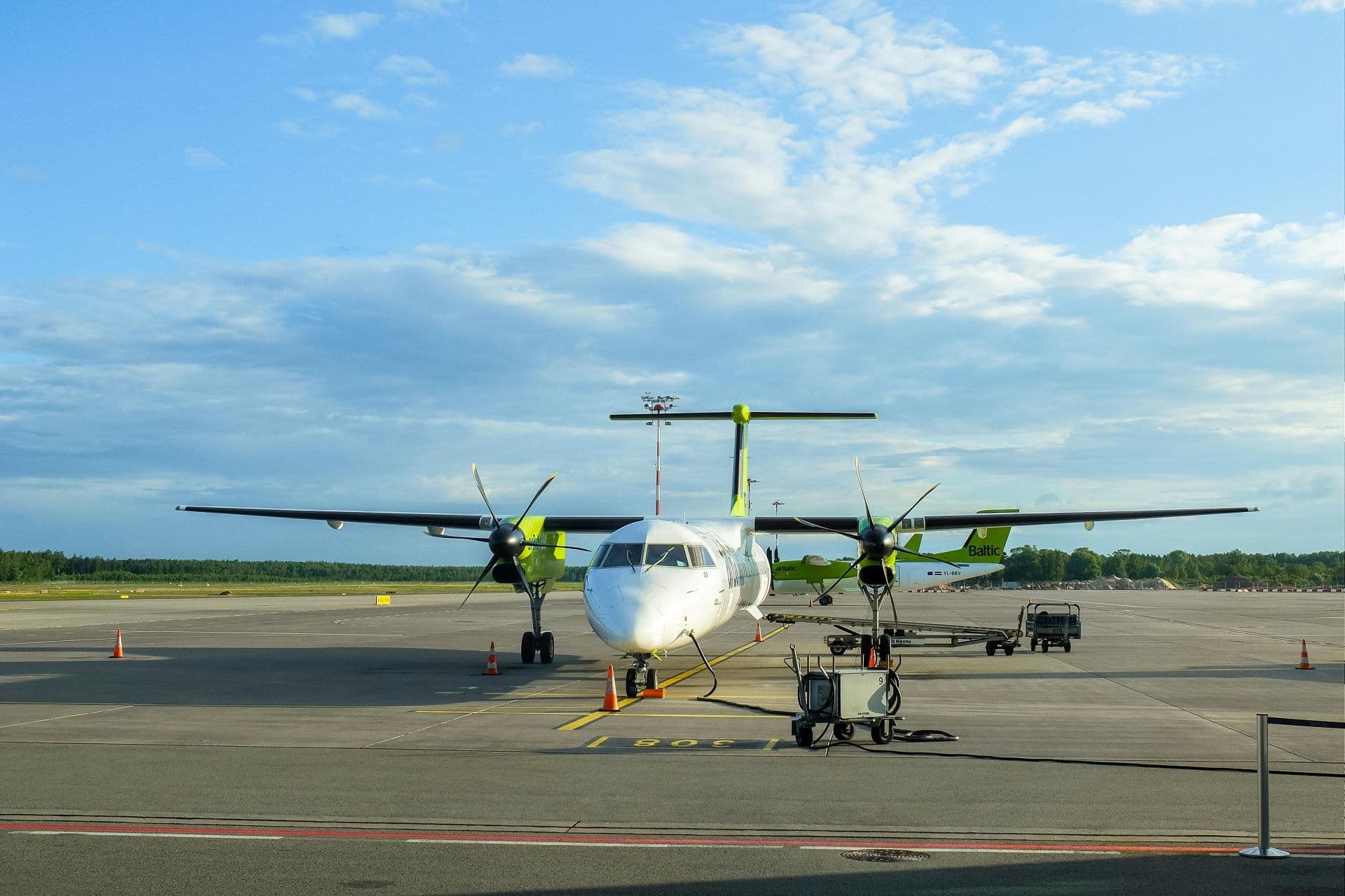
Future of Sustainable Aviation Fuel Explained
Airlines are investing in sustainable aviation fuel, but scalability and cost remain major challenges for tourism and global flight networks.
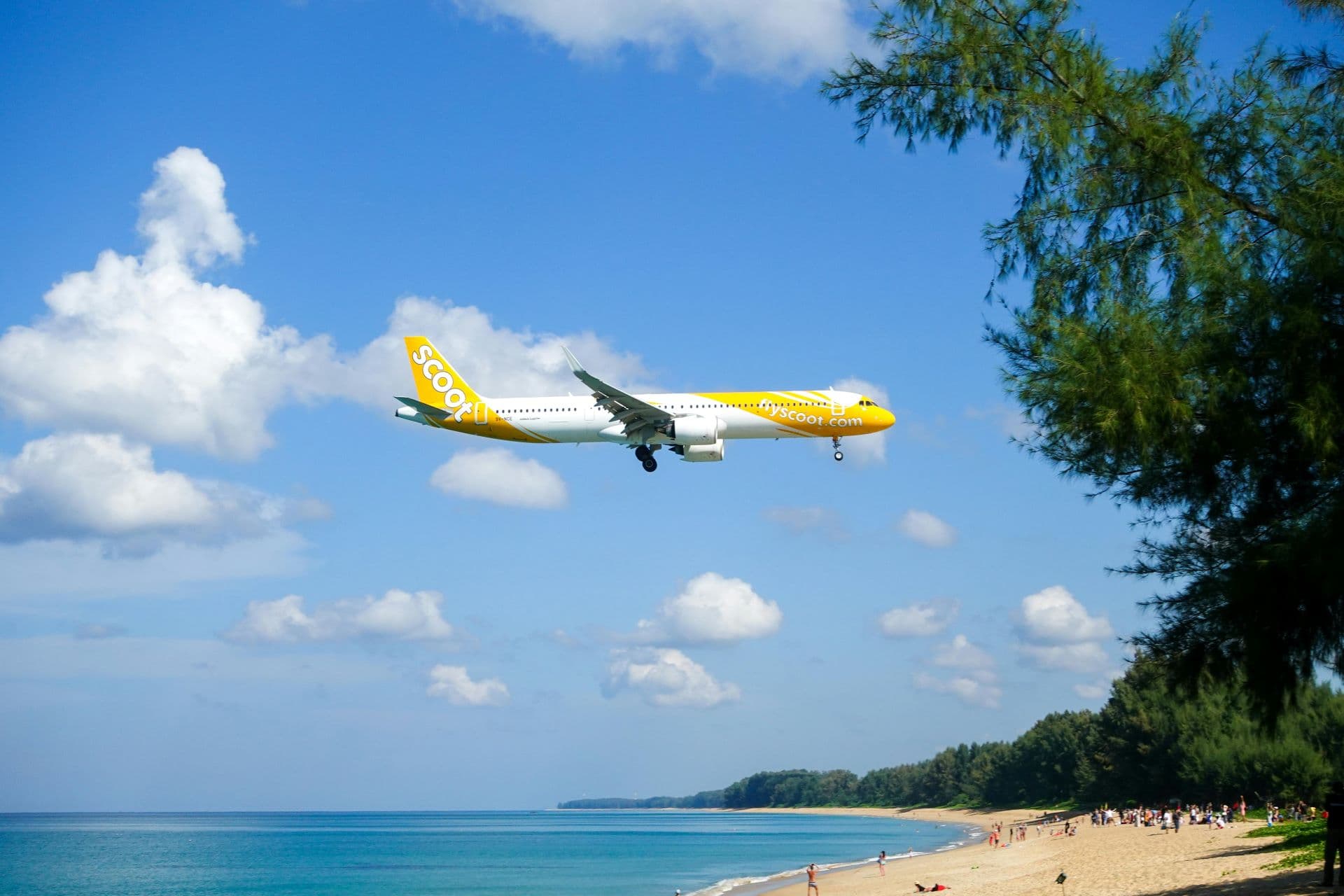
Emerging Markets for Tourism: How African, Asian, and South American Carriers are Unlocking Untapped Regions
Stay Informed, Stay
Ahead of the Curve
We don't just follow the headlines — we dive deeper. Our well-researched content is designed to empower you with the knowledge needed to navigate an industry shaped by innovation.
Seasoned Professionals
Industry stats and market performance metrics.