
Aerial tourism has become a popular way to experience the world's most breathtaking landscapes. From hot air balloon rides over the savannah to helicopter tours of iconic cityscapes, flight-based tourism offers unparalleled views and unique adventures. However, this thrilling form of tourism comes with significant impacts on the environment and local communities. In this article, we delve into the effects of aerial tourism and explore how travelers can balance their thirst for adventure with a commitment to conservation and responsible travel.
The Rise of Aerial Tourism
A New Perspective on Travel
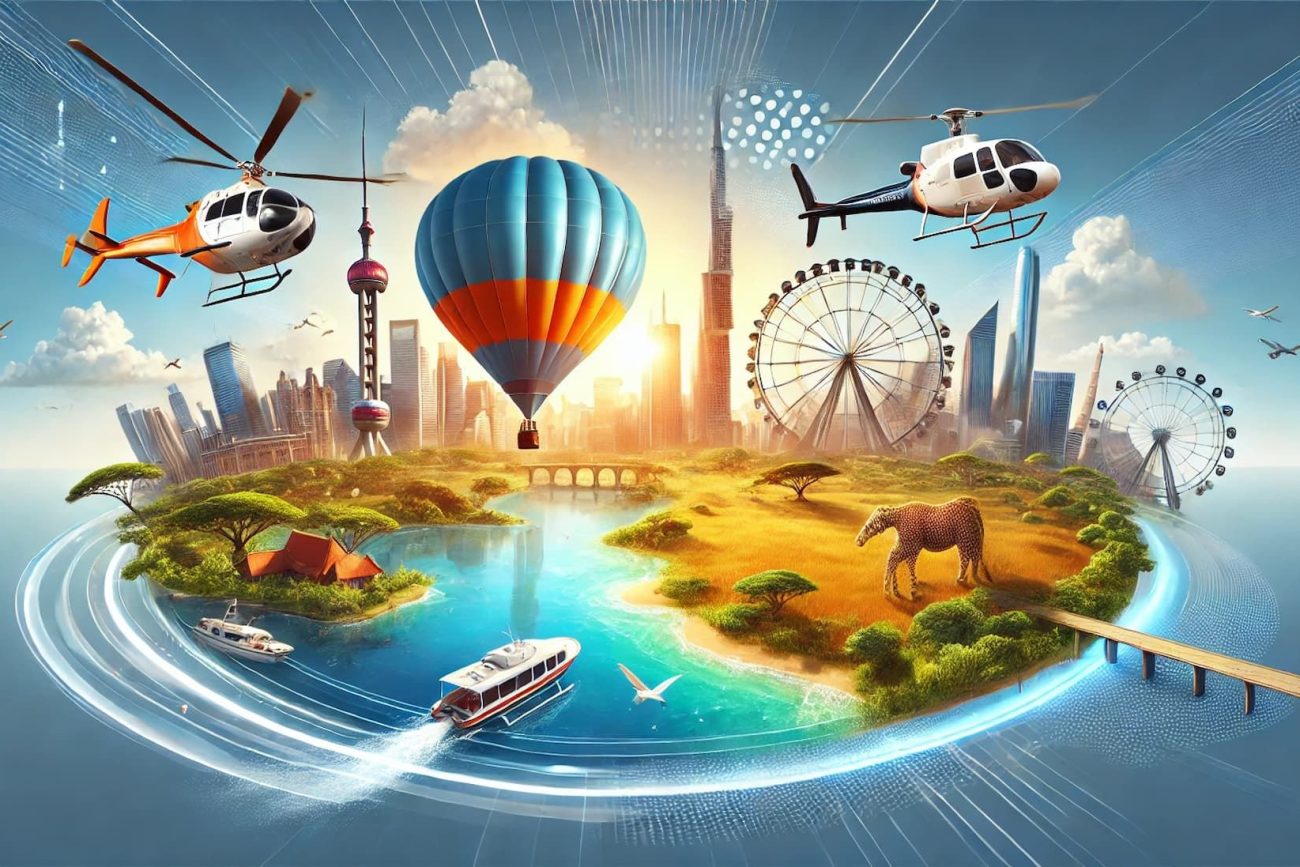
Aerial tourism provides an extraordinary vantage point, allowing travelers to see destinations from a bird’s-eye view. This perspective offers a new appreciation for the scale and beauty of natural wonders and urban landscapes. Whether it's gliding over the Grand Canyon, soaring above the Great Barrier Reef, or taking in the skyline of New York City, aerial tours create memorable experiences that traditional ground-based tours cannot match.
Technological Advancements and Accessibility
The growth of aerial tourism has been fueled by advancements in aviation technology and increased accessibility. Helicopter tours, small aircraft charters, and even drones have made it possible for more people to explore remote and stunning locations from above. This surge in popularity has significant economic benefits for tourism operators and local economies, bringing in revenue and creating jobs.
Environmental Impacts
Carbon Footprint and Air Pollution
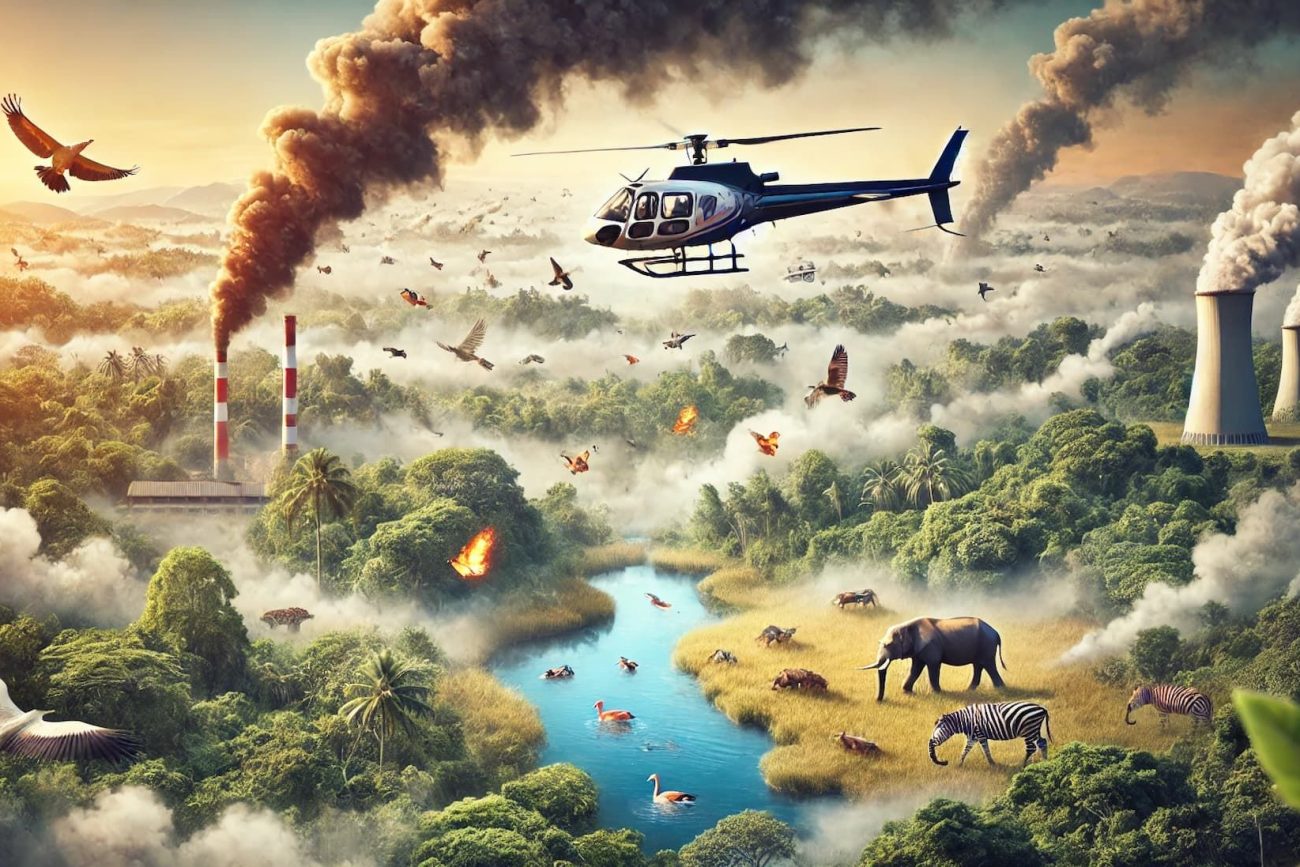
Aerial tourism, while exhilarating, has a notable carbon footprint. Aircraft engines emit greenhouse gases, contributing to climate change and air pollution. The impact is compounded in sensitive environments, where even minimal pollution can disrupt ecosystems. Helicopter tours, in particular, are energy-intensive and can significantly contribute to air quality degradation.
Noise Pollution and Wildlife Disturbance
The noise generated by aircraft can have profound effects on wildlife. Animals may experience stress and alter their natural behaviors due to the constant noise from helicopters and planes. In protected areas and national parks, this disturbance can affect breeding patterns, feeding habits, and overall ecosystem health. Noise pollution also impacts local communities, disrupting the tranquility that many residents cherish.
Impact on Local Communities
Economic Benefits and Challenges
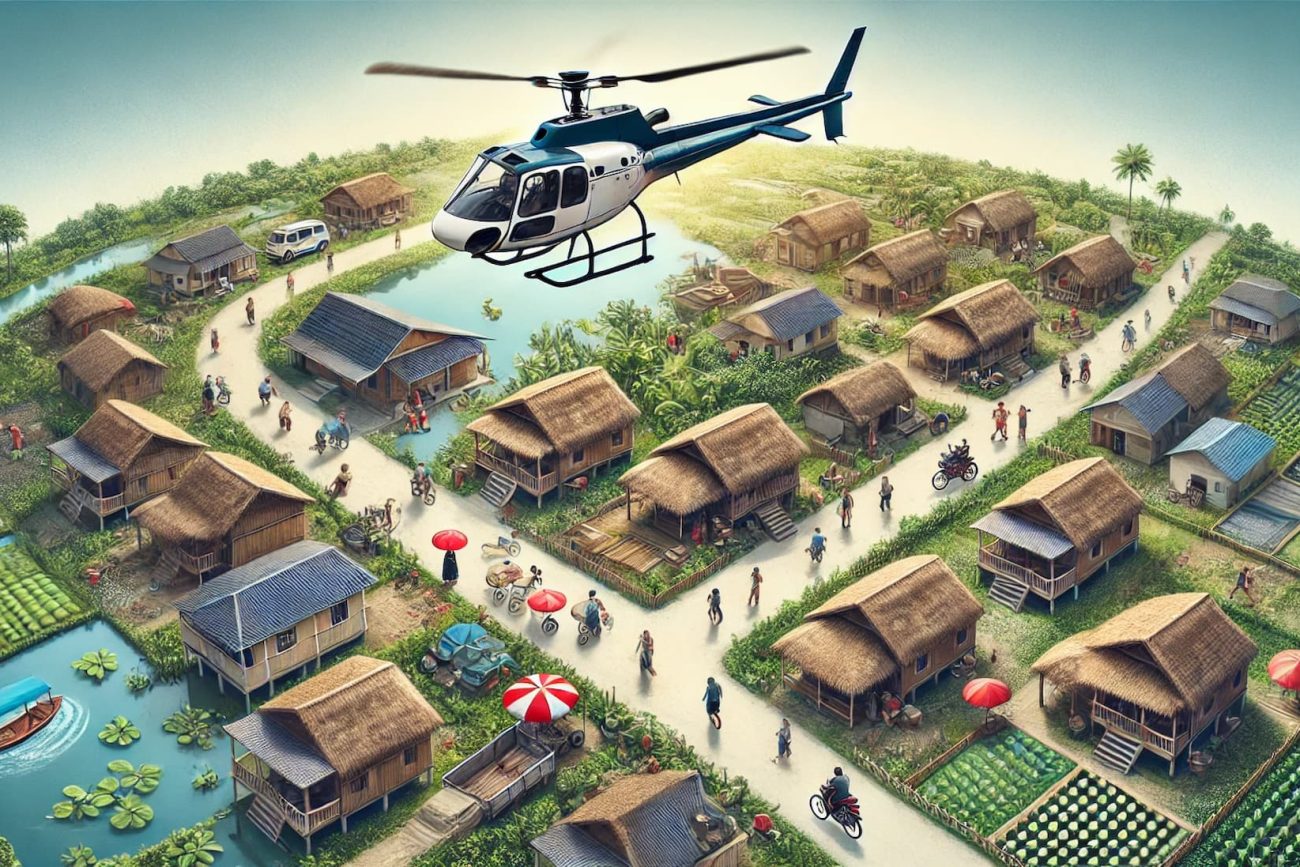
Aerial tourism can provide significant economic benefits to local communities. It creates jobs in aviation, hospitality, and related sectors, and attracts tourists who spend money on local services and products. However, these benefits are often unevenly distributed, and some communities may see little economic gain. Additionally, the influx of tourists can strain local infrastructure and resources.
Cultural Sensitivity and Preservation
The presence of tourists, particularly in culturally sensitive areas, can lead to the commercialization of local traditions and practices. While some communities embrace tourism as a way to preserve and share their heritage, others may struggle with the pressures of maintaining cultural integrity amidst growing tourist numbers. Ensuring that aerial tourism respects and preserves local cultures is crucial for sustainable development.
Balancing Adventure and Conservation
Sustainable Aviation Practices
To mitigate the environmental impact of aerial tourism, operators are increasingly adopting sustainable aviation practices. This includes using more fuel-efficient aircraft, investing in carbon offset programs, and exploring alternative energy sources such as electric or hybrid planes. Educating tourists about the environmental impacts of their flights and encouraging them to choose operators committed to sustainability can also make a difference.
Responsible Travel Choices
Travelers play a crucial role in balancing adventure with conservation. By choosing eco-friendly tour operators, limiting the frequency and duration of flights, and adhering to guidelines that minimize disturbance to wildlife and local communities, tourists can reduce their environmental footprint. Supporting conservation initiatives and local projects can also help mitigate the impacts of aerial tourism.
Regulatory Measures and Protected Areas
Governments and regulatory bodies have a vital role in managing the impacts of aerial tourism. Establishing and enforcing regulations that limit the number of flights, designate no-fly zones, and protect sensitive environments are essential steps. Collaboration between tourism operators, environmental organizations, and local communities is necessary to create policies that balance tourism development with conservation efforts.
The Future of Aerial Tourism
Innovation and Conservation
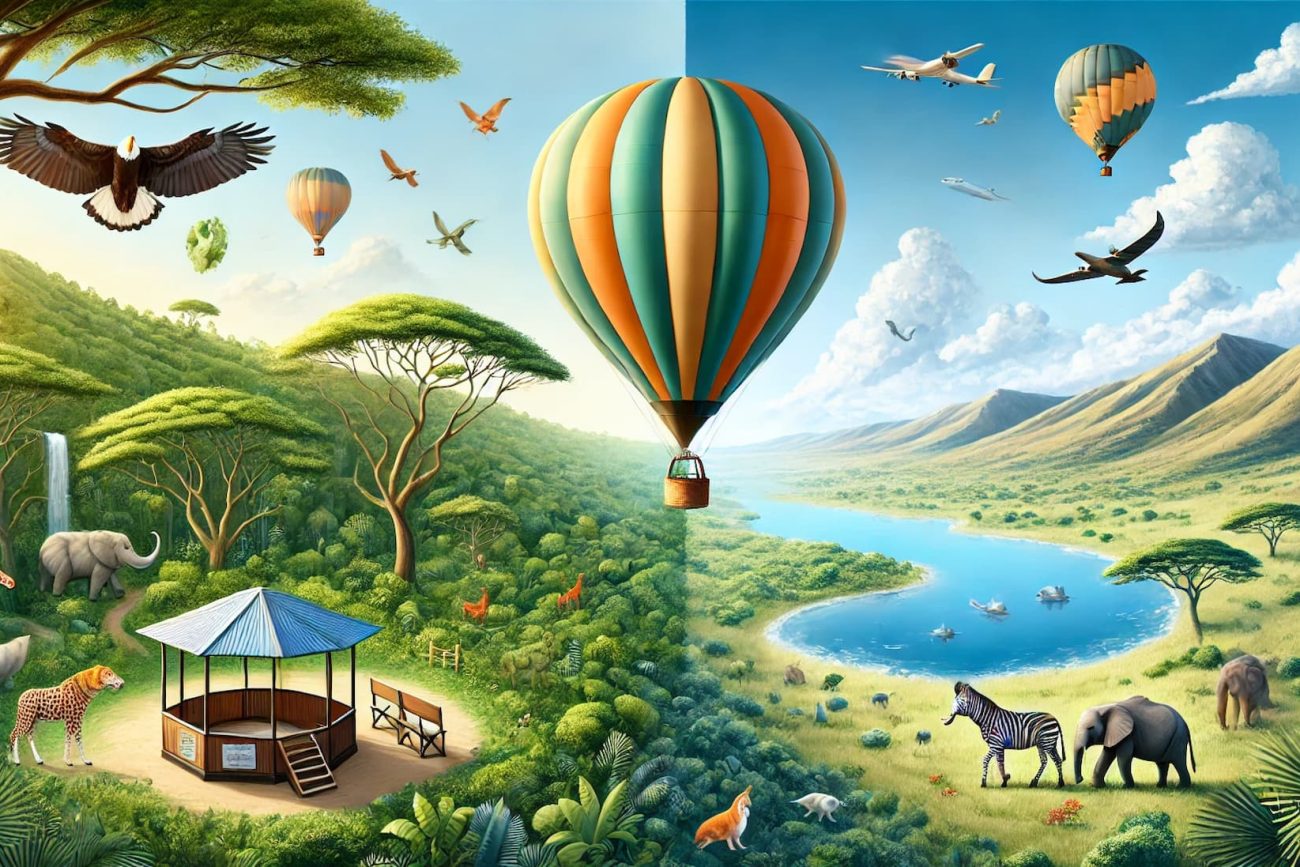
The future of aerial tourism lies in innovation and a commitment to conservation. Advances in aviation technology, such as electric aircraft and quieter engines, hold promise for reducing the environmental impact of flight-based tourism. Integrating virtual reality experiences with aerial tours can offer an immersive experience with minimal environmental disruption.
Community Involvement and Education
Involving local communities in tourism planning and decision-making processes ensures that their voices are heard and their needs are met. Education programs that raise awareness about the impacts of aerial tourism and promote sustainable practices can empower both tourists and residents to make informed choices. By fostering a culture of responsible travel, we can ensure that the benefits of aerial tourism are enjoyed by future generations.
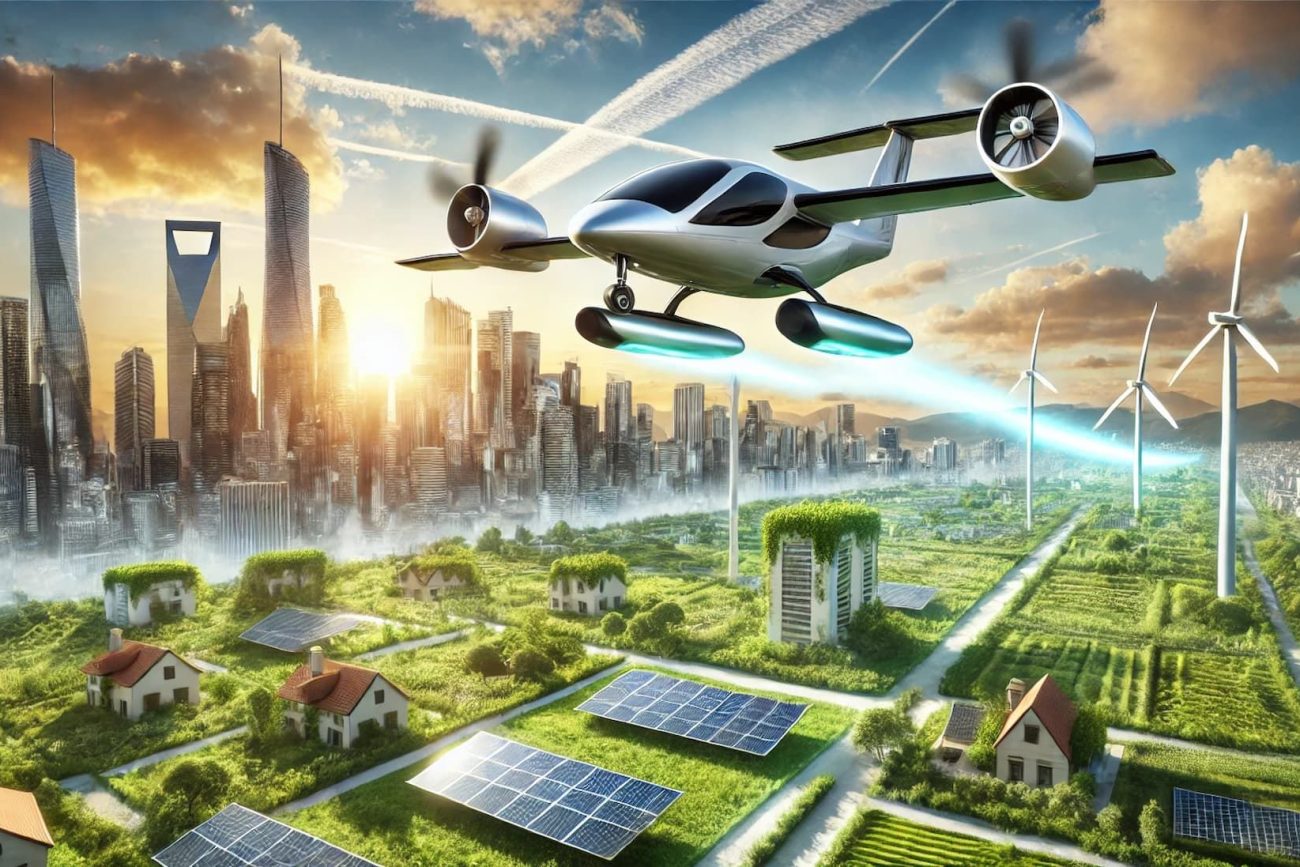
Aerial tourism offers incredible opportunities to experience the world from a unique perspective, but it also brings significant environmental and social challenges. By embracing sustainable practices, making responsible travel choices, and supporting regulatory measures, we can balance the excitement of aerial adventures with the imperative of conservation. As we look to the future, innovation and community involvement will be key to ensuring that aerial tourism remains a force for good, preserving the beauty and integrity of our planet for years to come.
Elisha Roodt
Our travel editorial desk specializes in uncovering the best flight deals and destination insights within South Africa. We bring you first-hand updates on airline industry moves and budget travel hacks.
More From Travel News
The Psychology of Seat Selection on Short Flights
Why do travellers choose window or aisle seats on short flights? Exploring passenger psychology in South African commercial aviation.
How Aviation Shapes South Africa’s Coastal Tourism
Aviation expands South Africa’s coastal tourism by redistributing seasonal travel, boosting beach destinations, and connecting global and domestic markets.
Inside Airline Pilot Training for Modern Aircraft
Discover how airlines train pilots for modern aircraft using advanced simulators, strict certification pipelines and continuous recurrent training.
Stay Informed, Stay
Ahead of the Curve
We don't just follow the headlines — we dive deeper. Our well-researched content is designed to empower you with the knowledge needed to navigate an industry shaped by innovation.
Seasoned Professionals
Industry stats and market performance metrics.