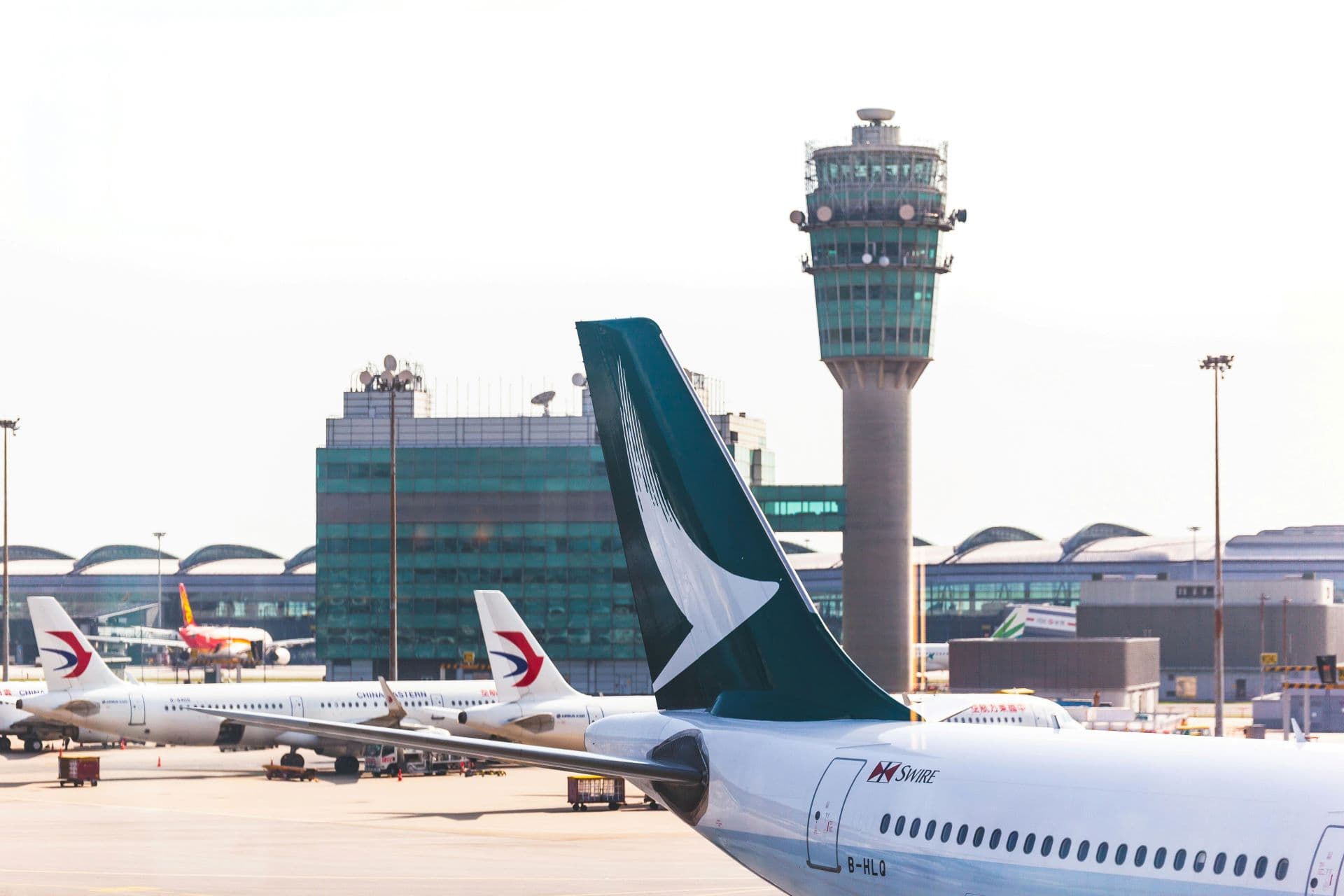
In an increasingly interconnected world, the role of flight connectivity in shaping tourism dynamics cannot be overstated. While international tourism often captures the spotlight, domestic tourism forms the backbone of many national economies, sustaining local businesses, creating jobs, and fostering cultural pride. The expansion and optimisation of flight networks within countries have transformed how people explore their homelands, providing convenient and efficient access to previously remote or underserved regions. This article explores how flight connectivity drives domestic tourism growth, examining the economic, social, and infrastructural implications, as well as the emerging trends shaping the future of domestic travel.
The Backbone of Domestic Tourism: Accessibility and Convenience
At the heart of tourism growth lies accessibility. When people can travel swiftly and comfortably between cities, regions, and attractions, the motivation to embark on domestic trips rises significantly. Air travel, with its ability to shrink distances and compress travel time, has revolutionised internal mobility in vast countries like South Africa, the United States, China, and Brazil. The expansion of flight routes and frequency makes it easier for travellers to consider weekend getaways, business-related trips, or leisure journeys within their own borders.
Accessibility fosters inclusivity. For regions historically marginalized due to challenging geography or inadequate infrastructure, enhanced flight connections open new avenues for economic participation. Tourists who previously found long road or rail journeys prohibitive now enjoy seamless access to natural parks, coastal retreats, cultural hubs, and urban centres. This integration catalyses tourism growth by broadening destination appeal and distributing visitor flow more evenly across a country.

Economic Ripple Effects of Enhanced Flight Connectivity
The symbiotic relationship between flight connectivity and domestic tourism is most evident in the economic uplift it generates. Increased passenger throughput benefits airports, airlines, hospitality providers, and ancillary services, but the impact ripples far beyond the aviation sector.
Local economies, especially those in emerging or less urbanised regions, experience growth as tourism injects fresh capital. Small businesses—from guesthouses and restaurants to tour operators and craft markets—thrive on the patronage of domestic visitors. Government revenues benefit too, through taxation and employment. For developing countries, where international arrivals can fluctuate due to geopolitical or health crises, robust domestic tourism supported by strong flight connectivity offers economic resilience.
Moreover, investment in airport infrastructure and regional connectivity signals confidence in a region’s growth potential. New routes often stimulate real estate development, enhance public transport integration, and improve overall urban planning. Consequently, flight connectivity becomes a strategic lever for balanced regional development, narrowing economic disparities within countries.
Flight Connectivity as a Catalyst for Destination Diversification
Domestic tourism growth tied to flight connectivity also encourages diversification of destinations within a country. Traditional tourism hotspots, often overcrowded and over-dependent on seasonal cycles, benefit from the dispersal of visitors to emerging or niche locations accessible by air.
The proliferation of low-cost carriers and regional airlines has democratized air travel, enabling travellers with modest budgets to explore less familiar areas. The increase in point-to-point flights bypasses traditional hub airports, reducing travel time and cost. For example, smaller towns with natural or cultural attractions now find themselves on the map of domestic travellers eager to discover new experiences.
This diversification helps preserve the sustainability of popular destinations by mitigating the environmental and social strain of overtourism. Meanwhile, regions once overlooked gain international exposure indirectly as domestic tourism thrives, building the foundation for future international interest.
Social and Cultural Impacts of Enhanced Flight Networks
Beyond economic factors, the social and cultural impacts of flight connectivity on domestic tourism are profound. When travel becomes more accessible, it fosters greater social cohesion and national identity. People connect with their own heritage, regional histories, and diverse cultural expressions through travel.
In countries marked by cultural plurality, domestic tourism enabled by air connectivity acts as a bridge, bringing different communities into contact and mutual appreciation. This inter-regional engagement nurtures understanding and unity, strengthening the social fabric.
Moreover, as more citizens travel domestically, awareness and advocacy for the preservation of cultural sites and natural heritage grow. Tourists develop a sense of stewardship, influencing policy and community initiatives focused on sustainability and conservation.
Infrastructure Development and Flight Connectivity
Flight connectivity’s influence on domestic tourism is inseparable from broader infrastructure development. Airports serve as gateways, but the journey does not end at touchdown. Effective last-mile connectivity—via roads, public transport, and other means—plays a critical role in the overall travel experience.
Investment in airport facilities, ranging from passenger terminals to cargo handling and security systems, impacts traveller satisfaction and repeat visitation. The modern traveller expects seamless integration of services, including digital solutions for ticketing, baggage handling, and travel information.
The ripple effect extends to accommodation, entertainment, and event infrastructure, creating tourism ecosystems that encourage longer stays and higher spending. Governments and private stakeholders often collaborate in public-private partnerships to harness the full potential of flight connectivity in boosting domestic tourism.
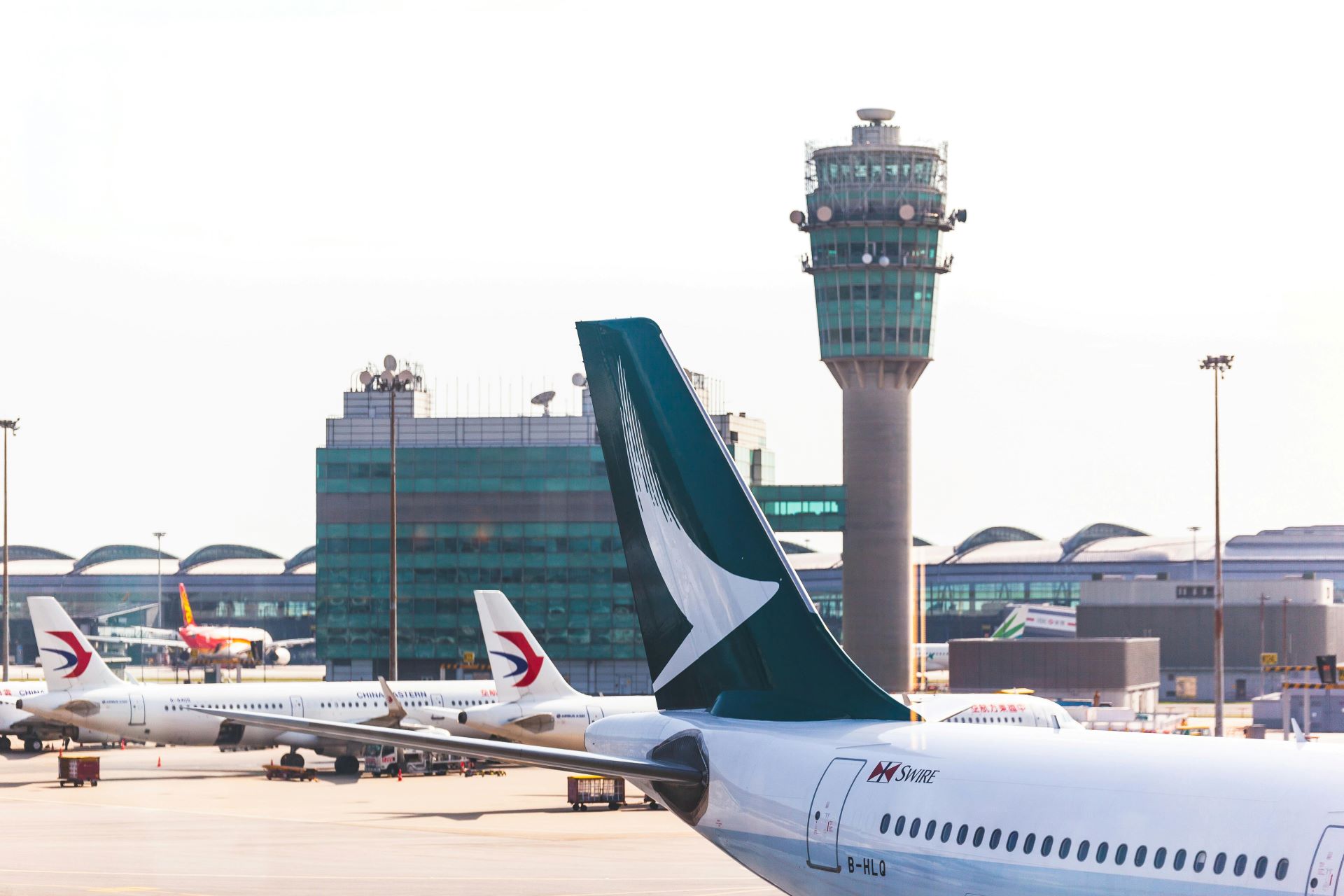
The Role of Technology in Enhancing Flight Connectivity
Technological advancements continue to revolutionize how flight connectivity influences domestic tourism. Digital platforms streamline booking and travel planning, making it easier for tourists to discover and access domestic destinations. Mobile apps, real-time updates, and personalized travel recommendations increase convenience and engagement.
Artificial intelligence and data analytics enable airlines and airports to optimise route planning and capacity, responding dynamically to demand patterns. Enhanced customer service technologies, including biometrics and contactless processing, reduce travel friction, attracting a broader demographic to air travel.
Virtual and augmented reality experiences pre-travel also contribute by offering immersive previews of destinations, stimulating interest in domestic tourism. As technology integrates further into travel, flight connectivity becomes more than physical routes—it transforms into a comprehensive travel experience.
Environmental Considerations and Sustainable Aviation
While flight connectivity is a driver of domestic tourism growth, it also presents environmental challenges. Aviation’s carbon footprint and its impact on climate change demand attention, especially as countries strive to balance tourism development with sustainability goals.
Industry innovation focuses on sustainable aviation fuels, electric aircraft, and operational efficiencies to reduce emissions. Policymakers increasingly incorporate environmental criteria in route approvals and infrastructure expansion plans. Sustainable tourism principles encourage travellers to consider their ecological impact when choosing flight options.
In the domestic context, flight connectivity must align with broader strategies to promote eco-friendly tourism practices, ensuring that growth does not come at the expense of natural heritage or community wellbeing.
Case Studies: Flight Connectivity Transforming Domestic Tourism
Examining specific countries illustrates how enhanced flight connectivity shapes domestic tourism in diverse contexts.
In South Africa, domestic air travel has been pivotal in connecting major cities like Johannesburg, Cape Town, and Durban with emerging tourist destinations such as the Garden Route and Kruger National Park. The expansion of regional airports and affordable flights has encouraged urban dwellers to explore rural landscapes, boosting local economies and conservation awareness.
In Brazil, the development of flight routes linking metropolitan hubs with the Amazon region has facilitated eco-tourism growth, raising international profile while fostering indigenous community involvement. Government incentives and partnerships with regional carriers have supported this connectivity.
In the United States, low-cost carriers have transformed domestic travel by increasing flight options between secondary airports, stimulating tourism in less congested areas and distributing economic benefits more widely.
Challenges and Barriers to Flight Connectivity Growth
Despite its many benefits, expanding flight connectivity to promote domestic tourism faces challenges. Infrastructure bottlenecks, such as limited airport capacity and outdated facilities, can restrict route growth. Regulatory complexities and airspace management issues may slow new service introductions.
Economic factors, including fluctuating fuel prices and airline financial viability, influence route sustainability. In some regions, lack of demand or insufficient marketing hampers the development of new domestic routes.
Additionally, balancing flight expansion with environmental considerations and community concerns requires careful planning and stakeholder engagement. Addressing these challenges is crucial to harnessing flight connectivity’s full potential for domestic tourism growth.
The Future of Flight Connectivity and Domestic Tourism
Looking ahead, flight connectivity’s role in domestic tourism is poised to evolve with emerging trends. The integration of electric and hybrid aircraft promises to reshape regional travel, enabling shorter, more frequent flights with lower emissions. Enhanced urban air mobility, including air taxis and drone services, may revolutionize last-mile connections.
Personalized travel experiences powered by data will continue to attract diverse traveller segments. Governments will increasingly recognize the importance of flight networks in regional development, prioritizing investment and policy support.
Collaborative models involving airlines, airports, local authorities, and tourism boards will drive innovative strategies to stimulate demand and ensure sustainable growth. Flight connectivity will remain a cornerstone of domestic tourism, adapting to technological, social, and environmental imperatives.

Flight connectivity is a vital enabler of domestic tourism growth, delivering far-reaching economic, social, and infrastructural benefits. By bridging distances and unlocking access to diverse destinations, it empowers citizens to engage with their country’s natural and cultural wealth. The resulting tourism expansion fuels local economies, fosters cultural exchange, and encourages sustainable development.
However, realising the full potential of flight connectivity demands concerted efforts to overcome infrastructure constraints, environmental challenges, and market barriers. Embracing technological innovation and prioritizing sustainability will ensure that domestic tourism thrives in harmony with ecological and community wellbeing.
As countries navigate these complexities, flight connectivity will continue to shape the future of domestic tourism, reinforcing its role as a powerful driver of national growth and cohesion.
Gerald Ferreira
Our travel editorial desk specializes in uncovering the best flight deals and destination insights within South Africa. We bring you first-hand updates on airline industry moves and budget travel hacks.
More From Travel Industry

Why Airlines Care About Your Connection Time Windows
Airlines treat connection times as precision timing tools that drive network efficiency, schedule flow, and global hub synchronization.

How Flight Routes Drive Tourism Growth and Regional Prosperity
Discover how airline routes influence global tourism, boost regional economies, and improve destination accessibility worldwide.

How Airlines Are Shifting to Eco-Friendly Travel
Airlines respond to eco-conscious travelers with carbon offsets, fuel-efficient fleets, and green marketing strategies in commercial tourism.
Stay Informed, Stay
Ahead of the Curve
We don't just follow the headlines — we dive deeper. Our well-researched content is designed to empower you with the knowledge needed to navigate an industry shaped by innovation.
Seasoned Professionals
Industry stats and market performance metrics.