
Imagine this: You step onto an airplane, your feet leave the solid ground beneath you, and suddenly, you're weightless, soaring high above the clouds. The world below shrinks, the hustle of everyday life fading into the distance. You're now part of an exclusive club of wanderers who can experience a kind of freedom that few others will ever understand. It's a sensation that's hard to replicate elsewhere, and for many, it’s the very essence of travel.
This is flight tourism, a concept that has been gaining traction in recent years. Once the domain of business travelers or those jetting off for vacations, air travel has become an adventure in itself. Scenic flights, luxury air cruises, flying lessons, and even the thrill of flight simulators have transformed flying from a necessity to a unique experience. But what is it that makes us yearn to take to the skies? What is it about flight that captures our imagination and draws us in time and time again?
In this article, we will explore the psychological motivations behind our love of flight tourism. We’ll look at why flying excites us, how it makes us feel, and why, for many, the skies are the ultimate destination.
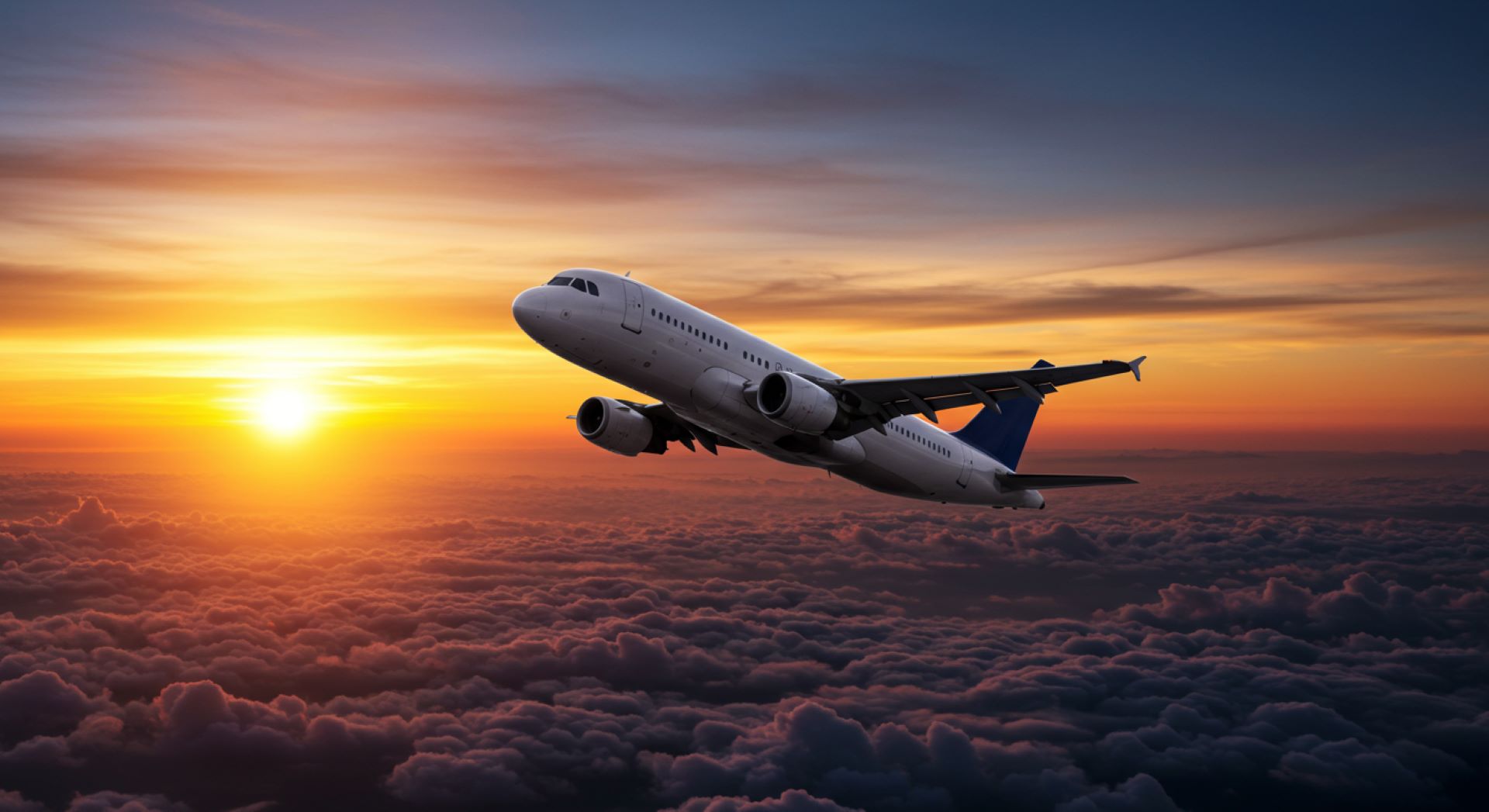
The Allure of Flight
The allure of flight is deeply rooted in our collective history and psyche. Long before the first airplane took off, humans were captivated by the idea of flight. Mythology is rich with tales of winged creatures, from the Greek Icarus to the powerful Egyptian gods who flew across the skies. These stories shaped our understanding of flight as something magical, a gateway to the heavens, a break from the mundane world below.
The actualization of flight, through the Wright brothers' pioneering journey in 1903, marked a new era—one that transformed not only transportation but also human ambition. To be able to defy gravity and soar like birds was nothing short of miraculous. And while the technology has evolved, that sense of awe remains intact.
For travelers today, flying is more than just a means of getting from one place to another. It’s a multisensory experience. The excitement begins the moment you step into the terminal: the hum of a bustling airport, the vibrant mix of languages and cultures, the anticipation of a new adventure. As the plane ascends, there’s the unmistakable sensation of weightlessness, the slight jolt of turbulence, and the quiet hum of the engines, all creating a unique atmosphere.
Perhaps it's the breathtaking view from the window that truly captivates the soul. The world below—an intricate tapestry of cities, landscapes, and oceans—becomes a distant and beautiful painting. For many, this moment of quiet solitude, high above the world, is transformative. It’s a chance to reflect, to see the world from a new perspective, to escape.
Travelers like Emily, who has been flying for years, often describe the sensation of being in the air as something that brings them peace. “It’s not just about getting to my destination,” she says. “It’s about the experience of flight itself. It feels like the world is at my feet, and for a few hours, I get to experience a version of freedom that’s hard to replicate.”
Psychological Motivations
Flight tourism taps into several deep-seated psychological needs and desires. These motivations go beyond simple curiosity or convenience; they speak to fundamental human emotions and experiences.
Fear and Mastery
For some, flight tourism is not just about exploration—it’s about confronting and overcoming a primal fear. For many people, the idea of flying is anxiety-inducing, linked to fears of loss of control or an innate discomfort with leaving solid ground. But for those who dare to board an airplane, the act of overcoming this fear can be profoundly empowering. It’s a test of bravery, and mastering this fear offers a sense of accomplishment that is both validating and liberating.
Psychologist Dr. Angela Harris notes that “conquering a fear like flying is often a deeply cathartic experience. It reinforces a sense of control over one's life, one’s destiny, and this contributes to a more positive psychological state.” For these travelers, each flight represents not only the physical journey but also an emotional victory.
Escape and Freedom
For others, flying represents a break from the constraints of daily life. In the air, the typical worries of work, family, and social obligations feel distant, if only for a few hours. The act of flight allows people to mentally and physically detach from the routines that bind them. It’s a temporary, albeit refreshing, escape from reality.
“The sky is a reminder that there’s more to life than the little things that seem so important when you’re grounded,” shares Liam, a frequent flyer who often chooses scenic flights to escape the pressures of his career. “Up there, it’s just me, the clouds, and the open horizon. There’s a sense of freedom I can’t find anywhere else.”
Flying creates an opportunity to recharge, to explore new places, and to break free from the monotonous rhythm of life. The ability to travel anywhere in the world is often seen as the ultimate form of liberation—both geographically and psychologically.
Nostalgia and Fantasy
Flying also triggers nostalgia and the fulfillment of long-held fantasies. For those who grew up flying during the golden age of aviation, the memories of childhood flights, the sense of wonder, and the excitement of air travel are forever etched in their minds. Many people dream of recreating these experiences, sharing them with their families or reliving them for themselves.
Moreover, flying is intertwined with a fantasy of exploration and adventure. The allure of distant places, exotic cultures, and new experiences is closely tied to our childhood dreams of adventure. Movies, books, and media often romanticize the idea of flight, imbuing it with a sense of mystery and excitement.
“The idea of flying has always been a symbol of adventure for me,” says Thomas, who is currently planning a trip to the far corners of the earth. “It’s about seeing the world from a different perspective. It’s about living out the fantasies I had as a kid.”
Connection and Belonging
On a deeper level, flight tourism fosters a sense of connection and belonging. Flights often bring together people from different walks of life, creating a shared experience. Whether it’s the thrill of meeting someone new at 30,000 feet or the quiet camaraderie shared by passengers on long-haul flights, there’s a unique bond that forms when people are airborne. The anonymity of air travel allows for fleeting connections that can be surprisingly intimate.
Flights, for all their isolation, also offer opportunities for social engagement. Many people form lasting connections during their travels, whether it’s a simple conversation with a fellow passenger or an invitation to explore a new destination together. For many, this sense of shared humanity contributes to their love of flight.
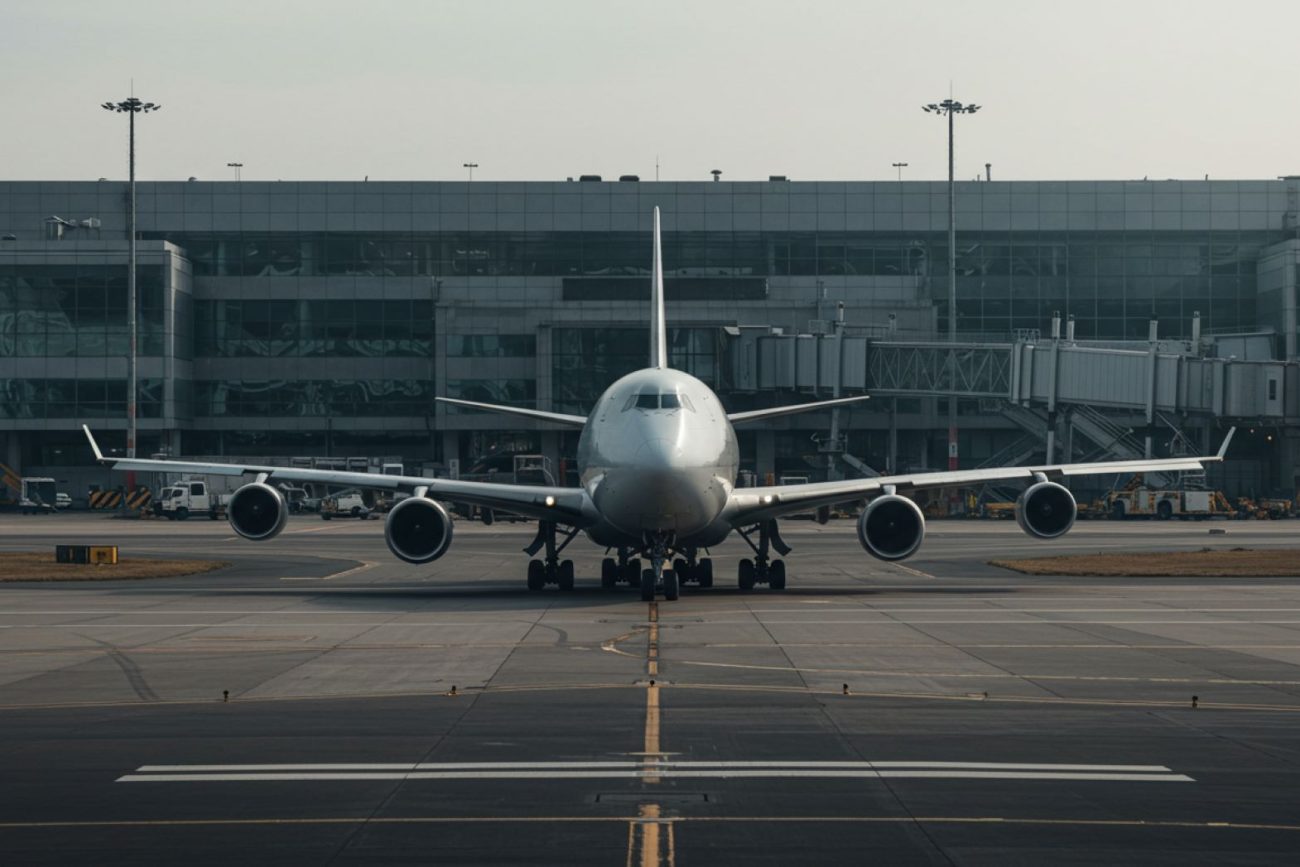
The Sociocultural Impact
Flight tourism does more than satisfy personal desires—it also reflects the broader sociocultural shifts of the modern world. With the rise of globalization, flying has become an integral part of our daily lives. The ability to visit different cultures, experience new traditions, and connect with people from all corners of the globe is a significant driver behind the increase in flight tourism.
The rise of low-cost airlines has democratized air travel, making it more accessible to a broader range of people. What was once the exclusive domain of the elite or the business traveler has now become a means of social mobility, allowing individuals to explore the world on a budget. At the same time, the luxury travel sector has exploded, offering bespoke flying experiences that cater to those seeking indulgence and exclusivity.
Instagram-worthy destinations, sunset flights, and curated air cruises have also tapped into our collective desire for unique experiences that can be shared with the world. The aesthetics of flight—capturing breathtaking views, the golden glow of a sunrise, or the vastness of the sky—are just as important as the journey itself.
Flight tourism, in this sense, is not only about the destination but also about curating a narrative, a visual story to share with others. For many, the allure of flying is heightened by the ability to document and share the experience on social media, adding layers of cultural significance to the personal enjoyment of the journey.
The Modern-Day Flight Experience
Technology has revolutionized the flight experience, turning it from a simple mode of transportation into a rich, multifaceted journey. Gone are the days of uncomfortable, cramped seats and bare-bones in-flight entertainment. Today’s airplanes are equipped with state-of-the-art amenities, from plush seating to high-speed internet, creating a level of comfort that was once unimaginable.
In addition to comfort, sustainability is becoming a key focus for modern aviation. As concerns about climate change mount, the aviation industry is investing in eco-friendly technologies, such as electric planes, biofuels, and carbon offset programs, to minimize its environmental footprint. These efforts reflect a growing awareness of the need to balance the joy of flight with the responsibility to protect the planet.
Challenges and Future Prospects
As with any growing industry, flight tourism faces challenges. The environmental impact of aviation is a pressing concern, with many travelers seeking more sustainable options. In addition, the increasing popularity of air travel has led to overcrowded airports, flight delays, and rising ticket prices, all of which can detract from the joy of flying.
However, the future of flight tourism is bright. Technological advancements promise to make air travel more efficient, more sustainable, and more immersive. Virtual reality flight experiences, electric planes, and innovative air travel solutions are on the horizon, offering new ways to experience the magic of flight.
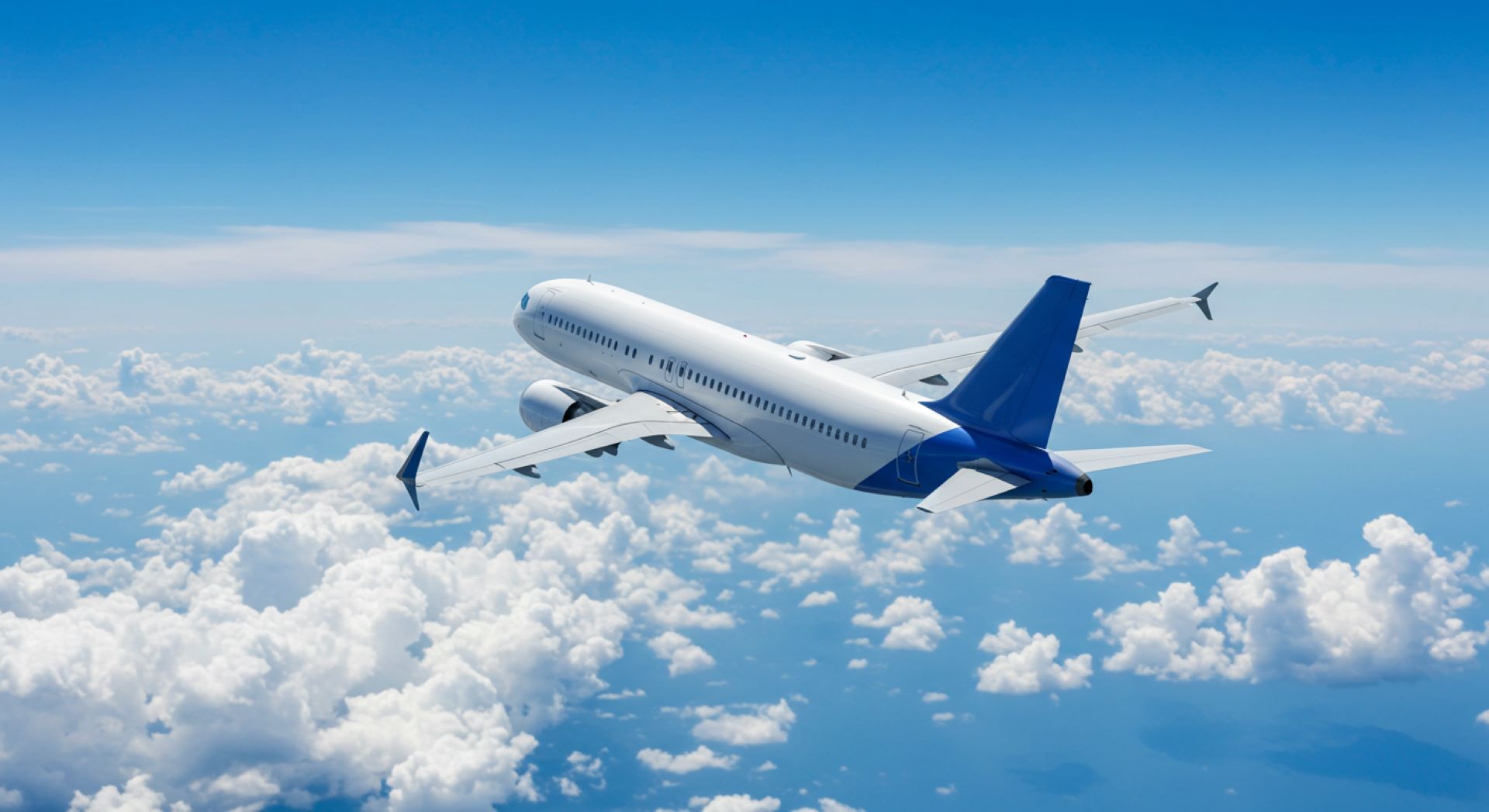
The allure of flight tourism is undeniable. It’s about more than just reaching a destination—it’s about the joy of the journey, the thrill of overcoming fears, the freedom of escape, and the connection to something greater than ourselves. In a world where we are increasingly divided by borders, flight reminds us of our shared humanity, of the adventures that await us beyond the horizon.
As technology advances and the world becomes even more interconnected, the experience of flight will continue to evolve. But one thing will always remain the same: our deep, primal desire to soar above the clouds and experience the world from a perspective few will ever know. And for many, that feeling of weightlessness, of being free, is worth the journey itself.
Gerald Ferreira
Our travel editorial desk specializes in uncovering the best flight deals and destination insights within South Africa. We bring you first-hand updates on airline industry moves and budget travel hacks.
More From Travel News
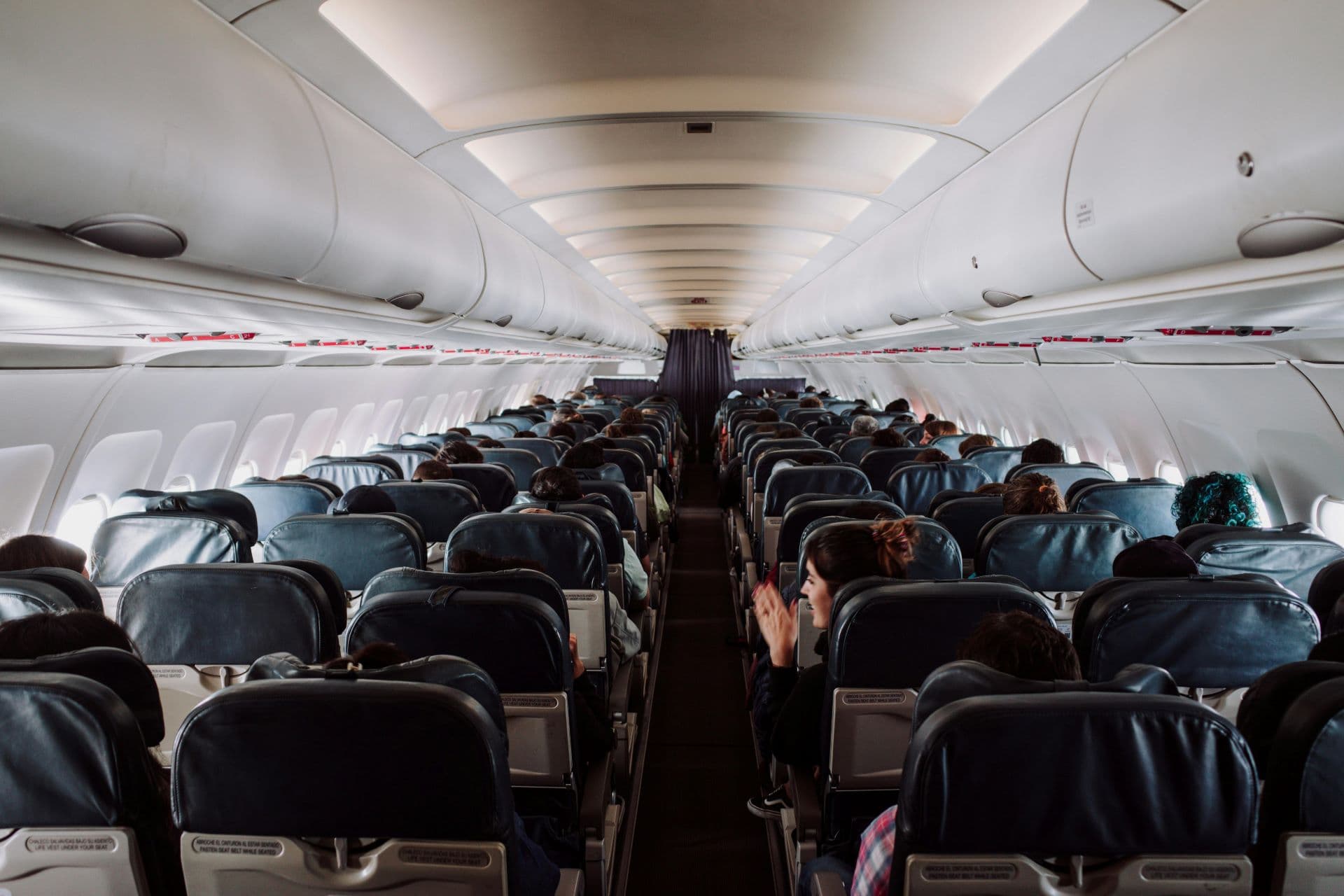
The Psychology of Seat Selection on Short Flights
Why do travellers choose window or aisle seats on short flights? Exploring passenger psychology in South African commercial aviation.
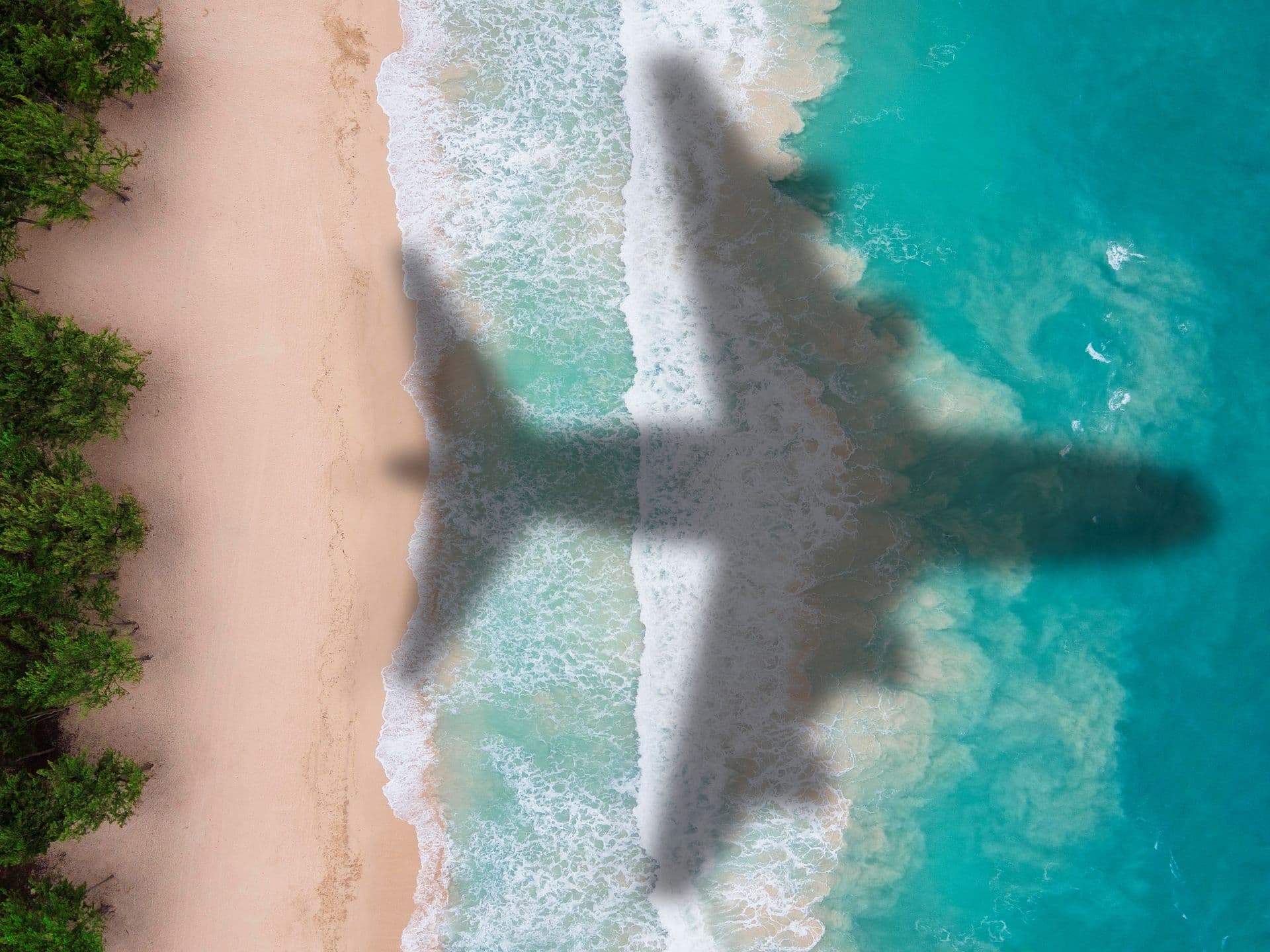
How Aviation Shapes South Africa’s Coastal Tourism
Aviation expands South Africa’s coastal tourism by redistributing seasonal travel, boosting beach destinations, and connecting global and domestic markets.
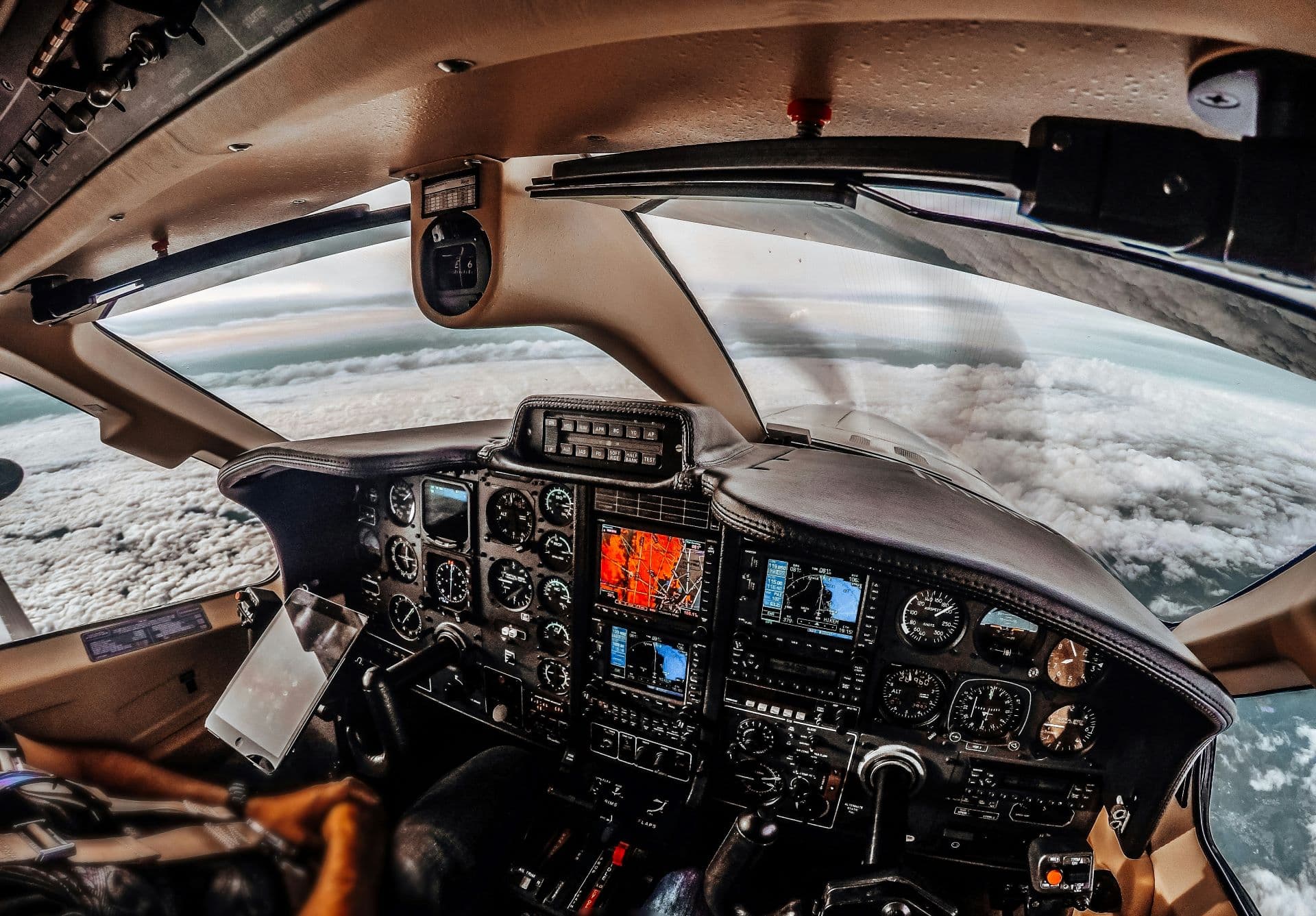
Inside Airline Pilot Training for Modern Aircraft
Discover how airlines train pilots for modern aircraft using advanced simulators, strict certification pipelines and continuous recurrent training.
Stay Informed, Stay
Ahead of the Curve
We don't just follow the headlines — we dive deeper. Our well-researched content is designed to empower you with the knowledge needed to navigate an industry shaped by innovation.
Seasoned Professionals
Industry stats and market performance metrics.