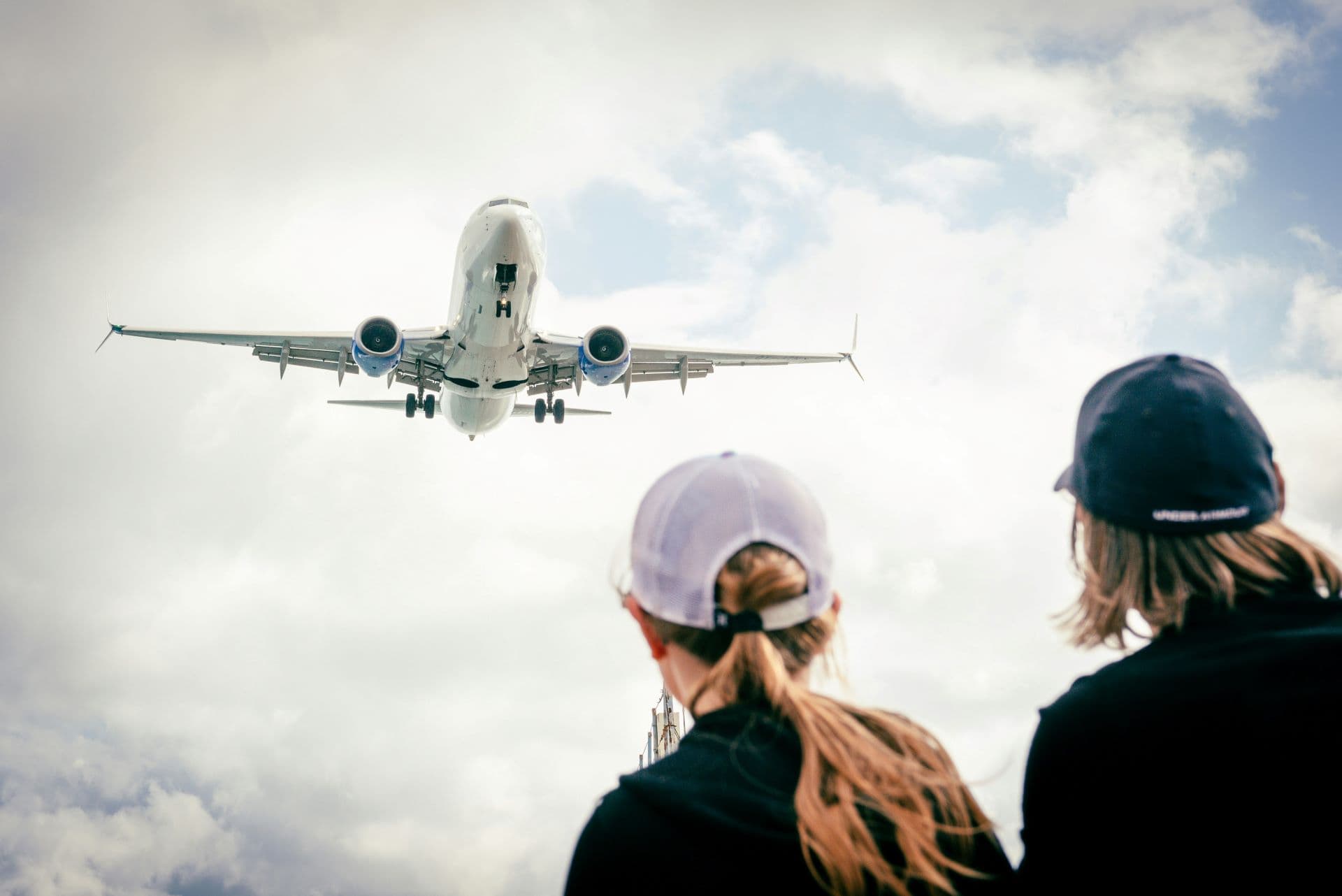
Elevating Travel Beyond Transit
In an era where travel has transformed from necessity into experience, airlines are no longer simply providers of transportation; they are gateways to discovery. The rise of adventure tourism—mountaineering, diving, safaris, and extreme sports—has reshaped how travellers select destinations. For the intrepid, the journey is as thrilling as the destination itself. Recognizing this, forward-thinking airlines are forming strategic partnerships with adventure tourism operators, positioning flights not merely as a route between cities, but as the initial chapter of a larger, adrenaline-charged narrative.
By integrating services with mountaineering expeditions, diving tours, or safari lodges, airlines can deliver a seamless, curated adventure from takeoff to touchdown. These collaborations offer mutual benefits: airlines enhance their brand as enablers of unique experiences, while adventure companies access a broader audience and streamlined logistics. More than convenience, these partnerships represent a paradigm shift—where the airline becomes an integral participant in the adventure, rather than a peripheral facilitator.
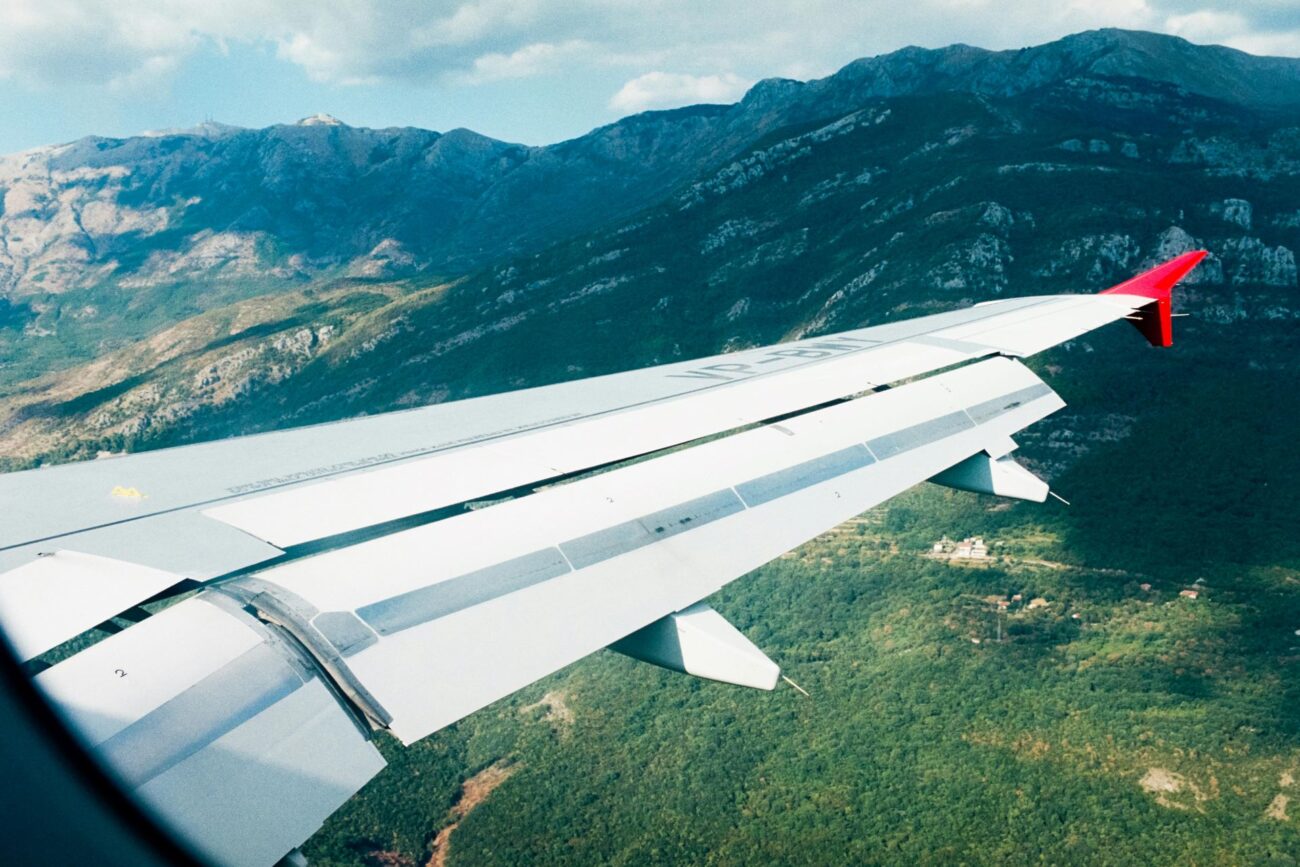
Redefining the Airline’s Role in Adventure Tourism
Historically, airlines occupied a transactional space: passengers purchased tickets and arrived at destinations, often unaware of the layers of experiences awaiting them. Today, the adventure-seeker demands more: curated experiences that extend beyond the airport terminal. Strategic airline partnerships fill this gap, merging aviation expertise with adventure logistics to deliver a holistic travel experience.
Take mountaineering tourism, for instance. Reaching peaks such as Kilimanjaro, Machu Picchu, or the Himalayas often involves complex itineraries, including flights to remote airstrips, connecting regional carriers, and specialized equipment transport. Airlines that partner with adventure operators offer comprehensive packages encompassing these variables, allowing travellers to focus on the thrill rather than the planning. The promise is simple but profound: from the moment of booking to the moment of summiting, the airline is a partner in adventure, reducing friction and elevating the overall experience.
Similarly, scuba diving enthusiasts benefit from airline-adventure collaborations that include seamless baggage handling for dive equipment, priority boarding, and even in-flight education on local marine ecosystems. The airline becomes a conduit not just for travel, but for anticipation and immersion.
Case Studies: High-Flying Collaborations
Mountaineering Expeditions
Several airlines have embraced partnerships with mountaineering companies, positioning themselves as essential components in high-altitude adventures. One prominent example is a European carrier teaming up with Himalayan trekking operators. Passengers can book flights, permits, and guided expeditions in a single package, with the airline ensuring smooth transfer of gear, acclimatization support, and even insurance coverage tailored to extreme sports.
This model benefits both parties. Adventure companies gain predictable, pre-qualified clientele, while airlines foster loyalty among travellers who might otherwise view flights as a mundane necessity. The narrative of adventure begins in-flight, with branded content, interactive guides, and safety briefings that double as inspiration for the upcoming climb.
Diving Adventures
In regions renowned for underwater exploration, such as the Maldives, Belize, and Indonesia, airlines are collaborating with diving resorts and operators to craft integrated experiences. This includes transport of fragile scuba equipment, priority transfers to liveaboard vessels, and curated itineraries highlighting the most biodiverse dive sites.
Airlines leveraging such partnerships market themselves not just as transportation providers but as facilitators of environmental engagement. Pre-flight communications might include educational modules on coral conservation or the ethics of marine tourism, subtly reinforcing brand value while fostering responsible exploration.
Safaris and Wildlife Encounters
Adventure tourism in Africa has witnessed a particularly innovative integration of airline services. Regional carriers partner with safari lodges to provide packages combining flights, transfers, and immersive wildlife experiences. Passengers can, for example, fly directly from Johannesburg to remote lodges near the Okavango Delta, bypassing the complexity of multi-leg road journeys.
These collaborations highlight another key advantage: time efficiency. For travellers with limited schedules, airlines positioned as adventure partners transform a potentially cumbersome logistical challenge into a seamless journey. More than mere convenience, it signals an understanding of the traveller’s desire for authenticity and ease, enhancing brand perception and loyalty.
Marketing the Experience: Airlines as Curators of Adventure
The success of these partnerships depends not only on operational execution but also on strategic storytelling. Airlines leverage digital marketing, social media campaigns, and in-flight content to communicate the unique experiences made accessible through these collaborations.
For instance, airlines might deploy immersive content campaigns featuring aerial footage of Himalayan peaks, underwater ecosystems, or African savannahs, transforming the ordinary act of booking a flight into the first step of an adventure narrative. Co-branding initiatives with adventure companies amplify this effect, allowing airlines to tap into established niche audiences while building credibility within the adventure tourism sector.
Beyond promotion, airlines can implement loyalty programs aligned with adventure experiences. Frequent flyer points could be redeemed for guided expeditions, dive courses, or safari upgrades, incentivizing continued engagement while reinforcing the perception of airlines as enablers of extraordinary experiences.
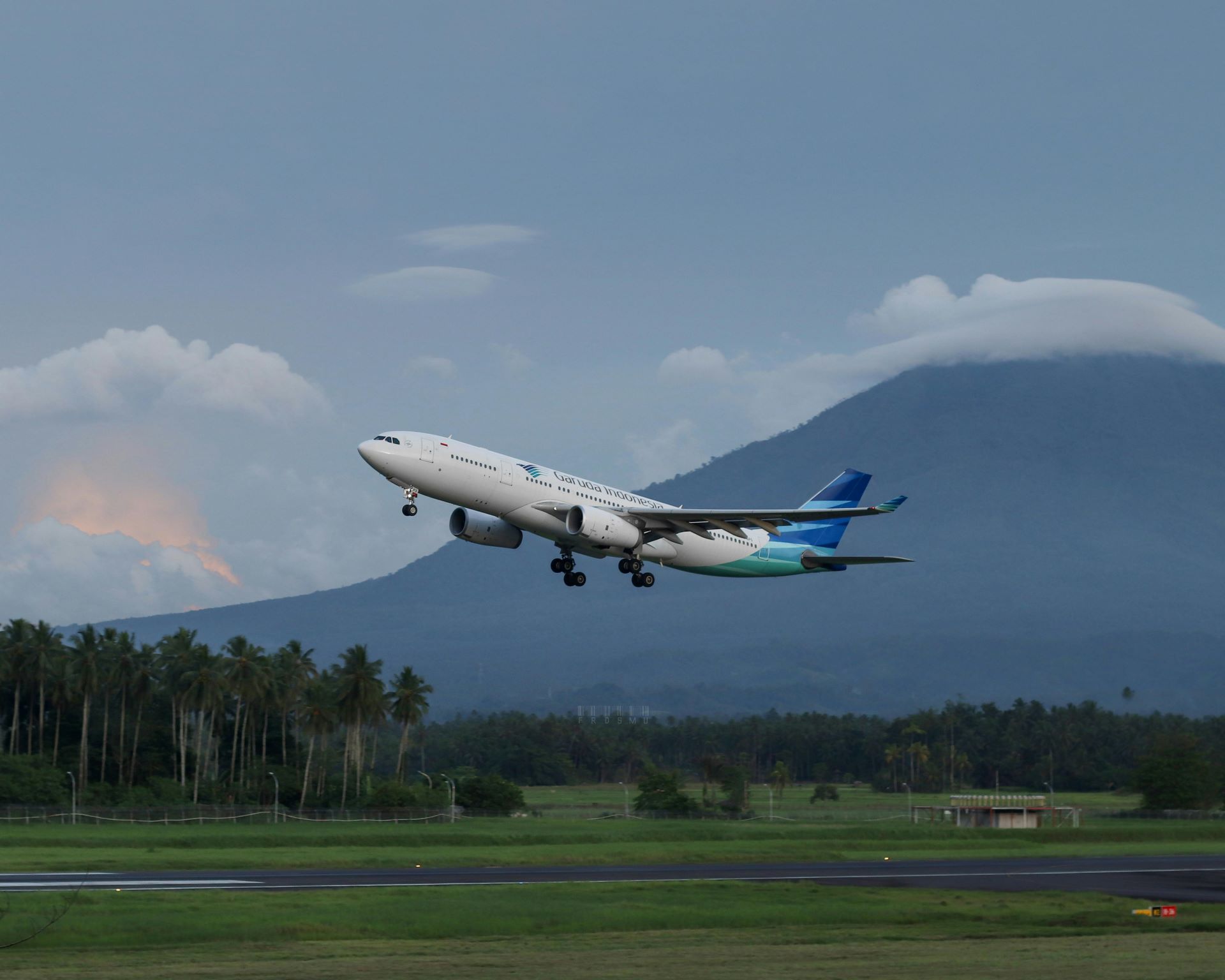
Operational Innovations Supporting Adventure Tourism
Effective airline-adventure partnerships rely on more than marketing—they demand operational innovation. Airlines are investing in cargo solutions capable of handling specialised adventure equipment, from climbing gear and diving tanks to photographic drones and lightweight camping supplies.
Moreover, bespoke scheduling accommodates seasonal adventure trends. Peak climbing seasons, migratory wildlife patterns, and marine activity calendars inform flight availability, ensuring that passengers arrive at the right place at the right time. Some airlines even introduce flexible ticketing policies for adventure travellers, allowing rescheduling without penalties in the event of weather disruptions or expedition changes.
Technology also plays a role. Mobile apps, AI-powered itinerary planners, and integrated booking platforms streamline the adventure booking process, enabling travellers to synchronise flights, guides, and local experiences with minimal friction. These innovations demonstrate the airline’s commitment to adventure tourism not as an ancillary offering but as a core operational priority.
Environmental and Ethical Considerations
Adventure tourism often takes travellers into fragile ecosystems, raising questions of sustainability and ethical engagement. Airlines participating in these partnerships are increasingly aware of their responsibility to mitigate environmental impact.
Collaborations frequently include carbon offsetting programs, support for local conservation initiatives, and promotion of low-impact travel practices. For example, airlines might partner with safari operators employing anti-poaching measures or marine operators engaged in coral restoration projects. By embedding sustainability into the travel experience, airlines enhance brand reputation while appealing to eco-conscious adventurers.
Additionally, these partnerships can elevate community engagement. Adventure tourism often intersects with rural or indigenous communities, offering economic opportunities and cultural exchange. Airlines that facilitate these interactions responsibly contribute to local development, positioning themselves as socially conscious collaborators rather than passive transport providers.
The Future: Airlines as Adventure Architects
Looking ahead, the convergence of aviation and adventure tourism will continue to accelerate. Airlines will increasingly act as architects of experiences rather than mere conduits, designing end-to-end journeys that anticipate every need of the adventure-seeker.
Emerging technologies, including augmented reality (AR) and virtual reality (VR), may allow passengers to preview climbs, dives, or safaris from their seats, enhancing anticipation and engagement. Predictive analytics could tailor adventure packages to individual preferences, ensuring that each journey feels uniquely curated.
Moreover, partnerships may expand beyond single-destination experiences. Multi-destination adventure circuits—combining mountain treks, diving expeditions, and wildlife encounters across continents—could be packaged as premium offerings, with airlines managing complex logistics and connecting flights seamlessly. The line between airline and adventure operator will blur, creating a new paradigm where the flight is an integral chapter of the adventure narrative.
Beyond the Horizon
Airline partnerships in adventure tourism exemplify the evolving role of airlines in modern travel. No longer limited to moving passengers between points A and B, airlines are increasingly positioned as facilitators of extraordinary experiences, providing both logistical support and inspirational storytelling.
By collaborating with adventure companies, airlines open doors to mountaintops, coral reefs, and untamed wilderness, ensuring that the thrill begins at booking and peaks long after touchdown. These partnerships blend operational excellence with experiential curation, appealing to the growing cohort of travellers seeking high-adrenaline, authentic adventures.
In the competitive landscape of modern tourism, airlines that embrace adventure tourism as a core offering not only enhance brand loyalty but redefine the very essence of flight. They transform journeys into narratives, itineraries into experiences, and passengers into explorers. In doing so, the humble flight transcends its conventional role, becoming a gateway to the extraordinary, and a testament to the limitless potential of collaboration between aviation and adventure.
Gerald Ferreira
Our travel editorial desk specializes in uncovering the best flight deals and destination insights within South Africa. We bring you first-hand updates on airline industry moves and budget travel hacks.
More From Travel Industry
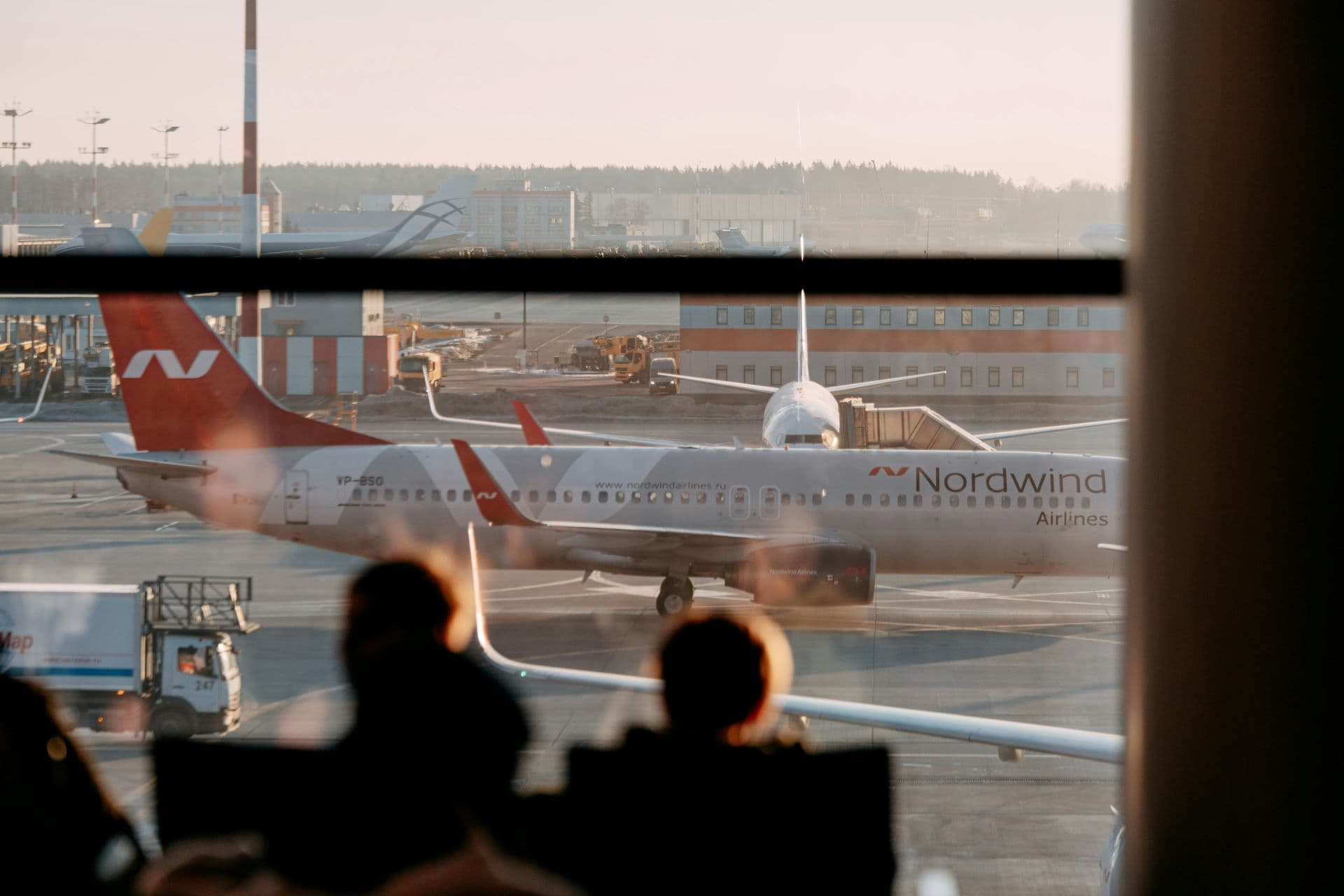
Why Airlines Care About Your Connection Time Windows
Airlines treat connection times as precision timing tools that drive network efficiency, schedule flow, and global hub synchronization.
How Flight Routes Drive Tourism Growth and Regional Prosperity
Discover how airline routes influence global tourism, boost regional economies, and improve destination accessibility worldwide.
How Airlines Are Shifting to Eco-Friendly Travel
Airlines respond to eco-conscious travelers with carbon offsets, fuel-efficient fleets, and green marketing strategies in commercial tourism.
Stay Informed, Stay
Ahead of the Curve
We don't just follow the headlines — we dive deeper. Our well-researched content is designed to empower you with the knowledge needed to navigate an industry shaped by innovation.
Seasoned Professionals
Industry stats and market performance metrics.