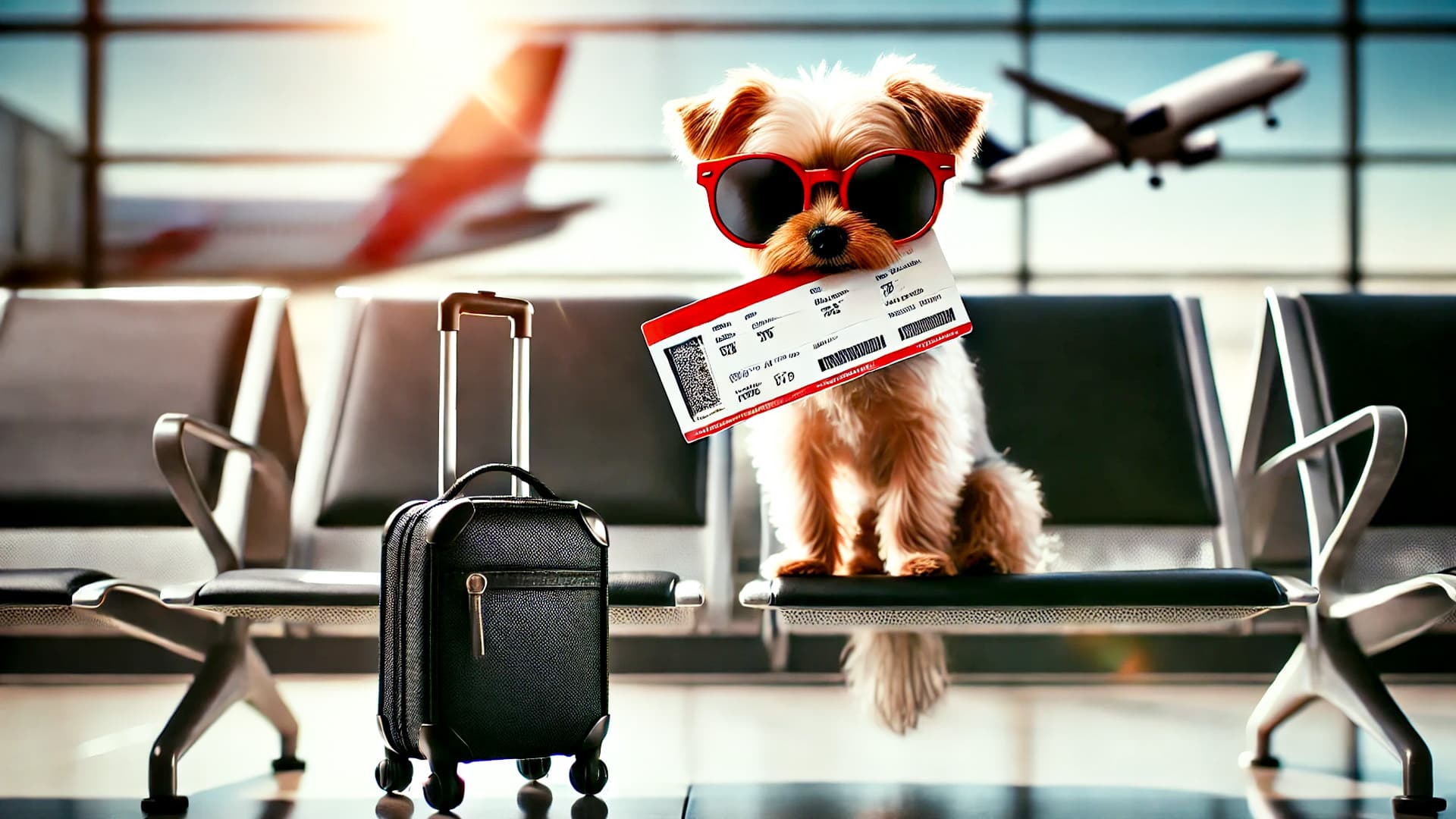
Understanding Airline Rules and Policies for Pet Travel
Flying with pets can be both exciting and stressful, as it opens the door to new adventures but also presents unique challenges. Whether you're relocating to a new home or taking your furry friend on vacation, understanding airline policies is crucial to avoid unexpected hurdles. Airlines categorize pet travel options differently, impose restrictions based on breed, and have varying requirements for international travel, making it essential to do thorough research beforehand.
Airline Categories: Cabin, Cargo, and Checked Baggage Options
Most airlines offer three main options for traveling with pets: in-cabin, cargo, or checked baggage. In-cabin travel is often the most desirable choice for pet owners, allowing smaller pets—typically cats, small dogs, or birds—to travel comfortably with you under the seat. Cargo, on the other hand, is designed for larger pets or those traveling independently; these animals are kept in temperature-controlled holds to ensure their safety. Checked baggage serves as an option for medium-sized pets that don't meet the in-cabin criteria but can still travel on the same flight in a specialized section. Each method presents its own pros and cons: while in-cabin travel is generally considered the safest option for pets, cargo may pose challenges related to temperature fluctuations, potential stress, and the animal's well-being during transit.
Breed Restrictions: Which Pets Airlines May Not Accept
Airlines also impose breed restrictions, mainly for safety reasons. Brachycephalic breeds—like Bulldogs, Pugs, and Persian cats—are particularly susceptible to breathing difficulties, which can render them ineligible for cargo travel. Furthermore, exotic animals and certain reptiles may not be accepted at all, as they fall outside the typical pet policies of many airlines. It’s essential to research your chosen airline's specific breed restrictions well in advance to avoid disappointment or last-minute surprises at the check-in desk.
Country-Specific Requirements: International Travel with Pets
Traveling internationally with pets requires meticulous planning, as regulations can vary widely from one country to another. Countries such as the UK, Australia, and Japan have stringent quarantine laws that may require your pet to stay in isolation for several weeks upon arrival, which can be a daunting prospect for pet owners. Additionally, some countries mandate microchipping, rabies titer tests, or additional vaccinations before allowing entry. To streamline the process, be sure to check both the pet import requirements of your destination and the airline's regulations simultaneously. This careful preparation will help ensure a smoother journey for both you and your beloved companion.
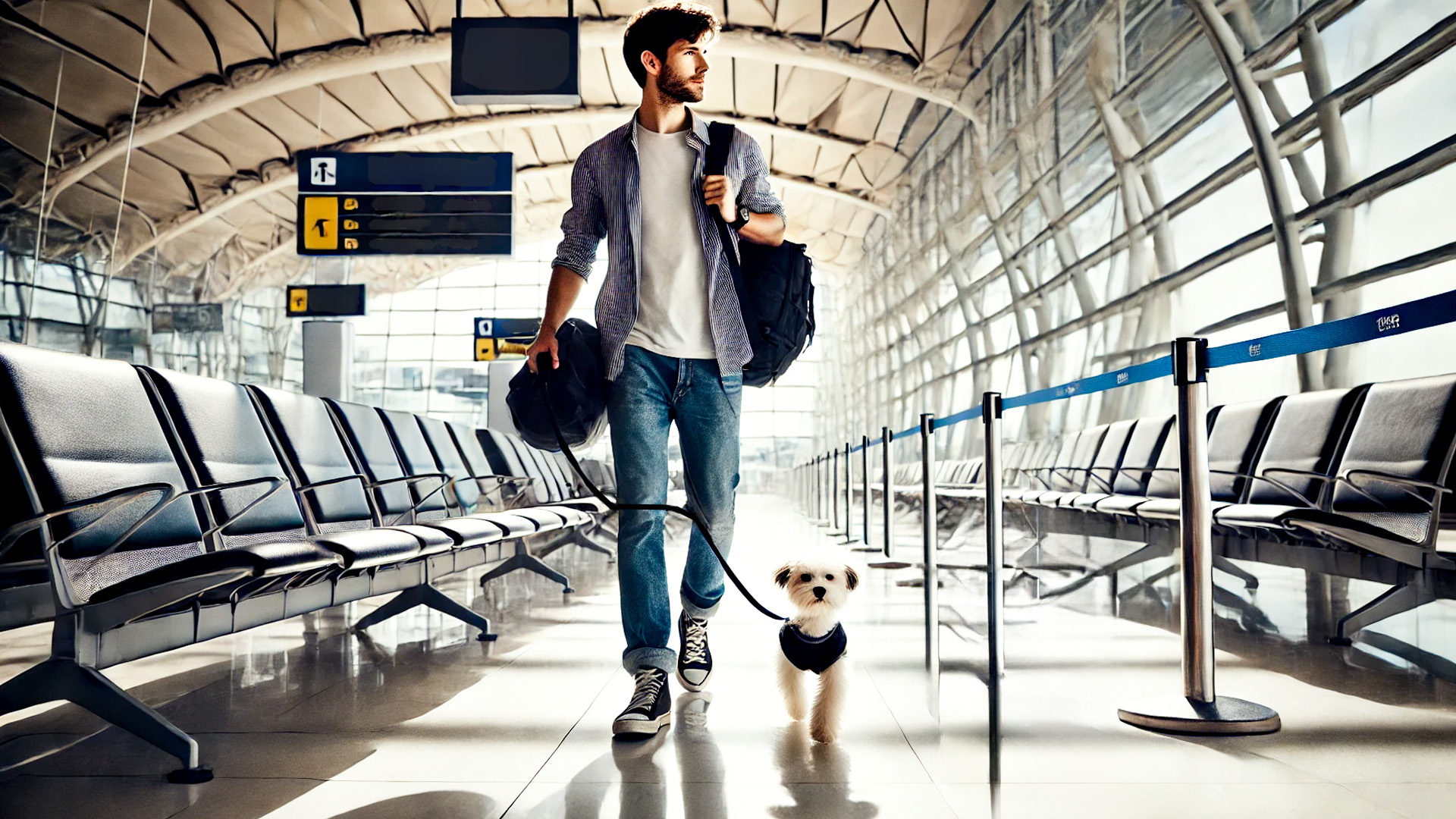
Preparing Your Pet for a Smooth Flight
Thorough preparation ensures a smoother journey for both you and your pet. From health checks to familiarization with travel carriers, getting ready in advance makes all the difference in creating a positive travel experience.
Vet Visits: Health Certificates, Vaccinations, and Pet Passports
Before embarking on your journey, many airlines require a health certificate issued by a licensed veterinarian within ten days of travel. This important document confirms that your pet is fit to fly and free from contagious diseases. It’s crucial to ensure that all vaccinations are up to date, particularly rabies, as some destinations require proof of this vaccination for entry. Additionally, check if your destination country mandates a pet passport or an international health certificate; this can include documentation of vaccinations and health status. If your pet has special medical needs, it’s essential to have a detailed discussion with your vet prior to departure. They can provide tailored advice to manage your pet’s health during the flight, ensuring a stress-free experience for both of you.
Crate Training and Comfort: Familiarizing Your Pet with the Carrier
A travel crate serves as more than just a transportation device—it’s your pet’s temporary refuge during travel. To help ease any anxiety, introduce your pet to the crate weeks before your departure. Make this process enjoyable by allowing them to explore and become accustomed to the space. Include familiar items, such as a favorite blanket or toy, which can provide comfort and reduce anxiety. The goal is to make the crate a familiar and safe environment, ensuring your pet feels secure during the journey. Consider short practice runs, such as taking them for car rides in the crate, to further build their confidence.
Exercise and Feeding: How to Prepare Your Pet on Flight Day
On the day of the flight, a tired pet is often a calmer pet. Engage your furry friend in physical activities, like a brisk walk or play session, to help burn off excess energy. Managing feeding schedules is also crucial; avoid large meals just before departure to minimize the risk of motion sickness. Instead, offer a light meal about four hours before the flight, ensuring that your pet remains hydrated throughout the day. Staying hydrated and having a proper feeding routine can contribute significantly to your pet's comfort and well-being during the journey, allowing for a more pleasant travel experience for both of you.
Airline-Approved Carriers: Choosing the Right Travel Crate
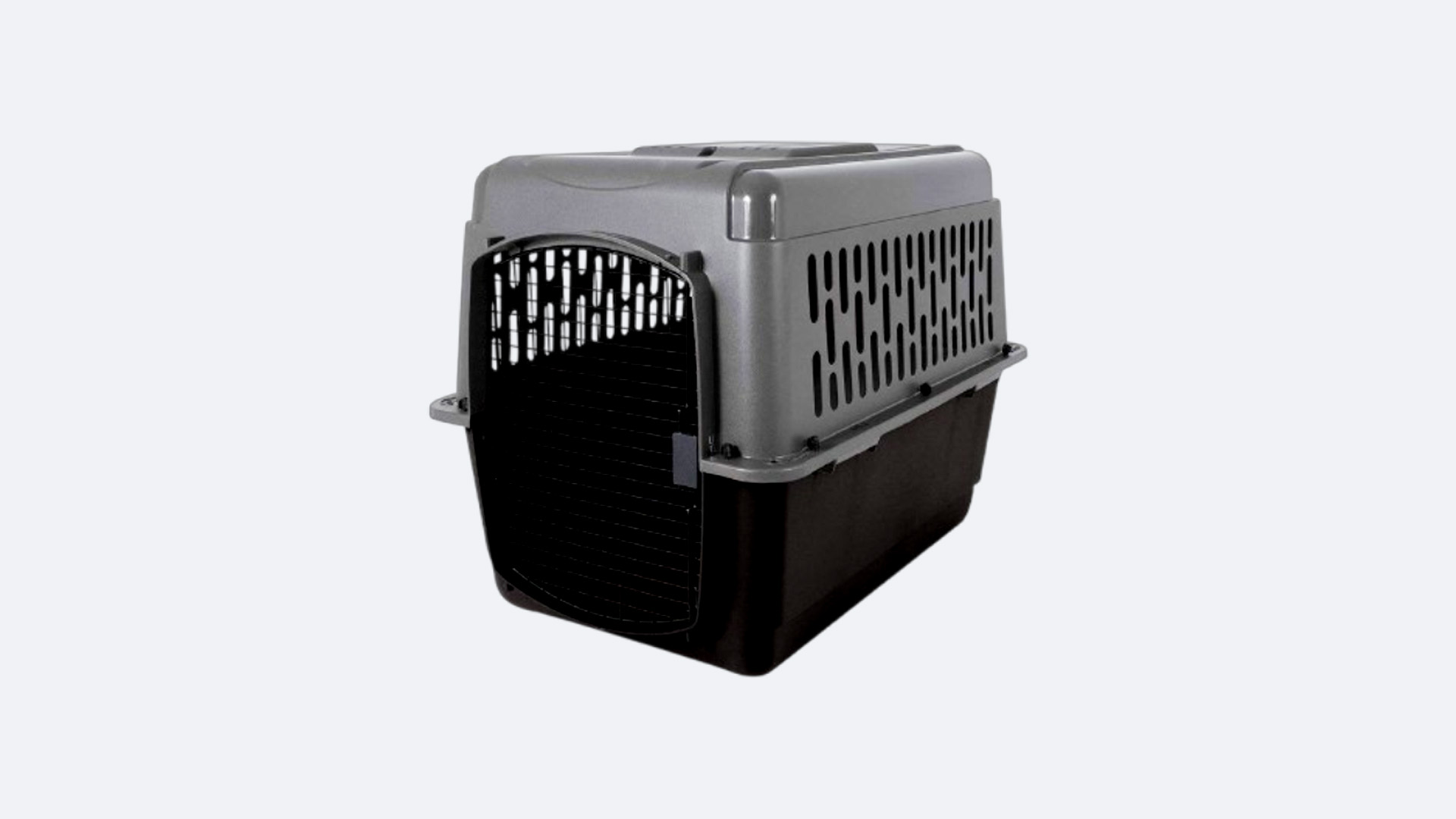
Choosing the right carrier is critical to ensuring a smooth check-in process when traveling with your pet. Airlines have specific requirements regarding size, ventilation, and labeling, making it essential to select a carrier that meets these standards.
Size Guidelines: Ensuring the Carrier Fits Airline Regulations
The size of the carrier is non-negotiable and must conform to airline regulations. Your pet should be able to stand, turn around, and lie down comfortably inside the carrier. For in-cabin travel, the carrier must fit securely beneath the seat in front of you, which can vary by airline. Since airlines are strict about their dimensional requirements, it is crucial to accurately measure your pet before purchasing a carrier. Take into account your pet’s height, length, and weight to choose an appropriately sized crate that complies with airline guidelines. Doing this can help you avoid the disappointment of being denied boarding due to an unsuitable carrier.
Ventilation and Comfort: Carrier Features to Look For
Proper ventilation is key to keeping pets comfortable during long flights. When selecting a carrier, look for those with mesh panels on at least three sides to ensure adequate airflow. This feature is particularly important in maintaining a comfortable temperature and reducing stress for your pet during transit. Additionally, the interior of the carrier should be padded to provide a soft and cozy resting space. A securely locking crate door is also essential for safety during the journey. Some carriers offer a top-loading option, which can be especially beneficial for managing nervous pets, making it easier to place them inside without causing additional anxiety.
Labeling Your Crate: Information Tags for Safety
Labeling the crate with essential information enhances safety and provides peace of mind. Clearly mark the carrier with your pet’s name, your contact details, and any special feeding instructions. This extra layer of information can be invaluable if your pet is traveling as cargo. In such cases, consider attaching a recent photo of your pet to the crate, along with clear handling instructions to assist airline staff. This not only helps ensure that your pet is cared for properly but also aids in their swift identification should any issues arise during the flight. Proper labeling and a well-chosen carrier can significantly enhance your pet's travel experience, making it smoother and less stressful for everyone involved.
Booking a Pet-Friendly Flight
Not all flights are equally accommodating for pets, so choosing the right airline and flight schedule is crucial to ensuring a smooth and stress-free travel experience.
Selecting Pet-Friendly Airlines and Routes
When planning your trip, it’s essential to research airlines that are known for their pet-friendly policies. Look for carriers that have established programs dedicated to ensuring pets travel safely and comfortably. These airlines often provide amenities such as specialized pet cabins, trained staff, and clear guidelines for pet travel. Additionally, prioritize airlines that offer direct flights with minimal layovers, as this reduces the overall travel time and stress for your pet. If you're flying internationally, seek out airlines that boast well-equipped pet transit facilities at major hubs, ensuring your pet receives appropriate care and attention during layovers.
Connecting Flights vs. Direct Routes: Minimizing Pet Stress
While direct flights are ideal for pet travel, they may not always be an option based on your itinerary. If you must book a connecting flight, it's crucial to allow ample time between connections. This extra time provides your pet the opportunity to rest and adjust before transferring to another flight. Short layovers can lead to increased stress levels, as pets may feel rushed and unsettled, making it difficult for them to acclimate to the new environment. Consider factors such as the duration of layovers and the layout of the airport to ensure your pet remains comfortable and calm throughout the journey.
Reserving Pet Travel in Advance: How and When to Book
Booking your pet's travel in advance is key, as airlines often limit the number of pets allowed per flight. To secure a spot for your furry companion, make your reservations as early as possible, ideally several weeks ahead of your travel date. When booking, be sure to inform the airline that you'll be traveling with a pet to confirm their availability and to understand any specific requirements or fees associated with pet travel. Last-minute bookings can lead to complications, especially during peak travel seasons when demand is high. By planning ahead, you can alleviate potential stress and ensure that both you and your pet are prepared for the journey ahead.
Tips for a Stress-Free Journey
Even with all the preparation, traveling can be overwhelming for pets. Implementing a few practical tips can significantly enhance their experience and help alleviate stress during the journey.
Calming Techniques: Keeping Your Pet Relaxed During Travel
To help keep your pet calm during the flight, consider utilizing calming techniques such as pheromone sprays, calming collars, or anxiety wraps designed specifically for pets. These products can create a sense of security and comfort in unfamiliar environments. Some pets may respond well to natural remedies like lavender, which is known for its soothing properties, while others might require vet-prescribed sedatives to manage anxiety. It’s important to test any calming products prior to the trip to gauge their effectiveness and ensure they don’t produce any adverse reactions. This way, you can find the best solution for your pet’s individual needs.
Feeding and Hydration: Managing Meals Before and During the Flight
Airline guidelines often restrict feeding pets during flights, which can be a challenge for pet owners. To prepare your pet, offer plenty of fresh water before departure to keep them hydrated. Consider using collapsible water bowls that are convenient for travel, allowing you to provide water without worrying about spills. For longer flights, pack some dry snacks in your pet’s carrier to help keep them comfortable and satisfied during the journey. Offering small treats or snacks can also provide a familiar source of comfort in an otherwise stressful situation.
Dealing with Delays: What to Do if Flights are Postponed
Flight delays can disrupt even the best-laid plans, adding an additional layer of stress for both you and your pet. If you encounter delays, promptly communicate with airline staff and inquire whether they can bring your pet to a quiet area or provide them with water. Many airports are now equipped with pet relief areas, so familiarizing yourself with their locations in advance can be beneficial. During stopovers or delays, having access to these areas allows you to ensure your pet can relieve themselves and stretch their legs. This proactive approach can significantly reduce stress for both you and your furry companion, making the travel experience more manageable.
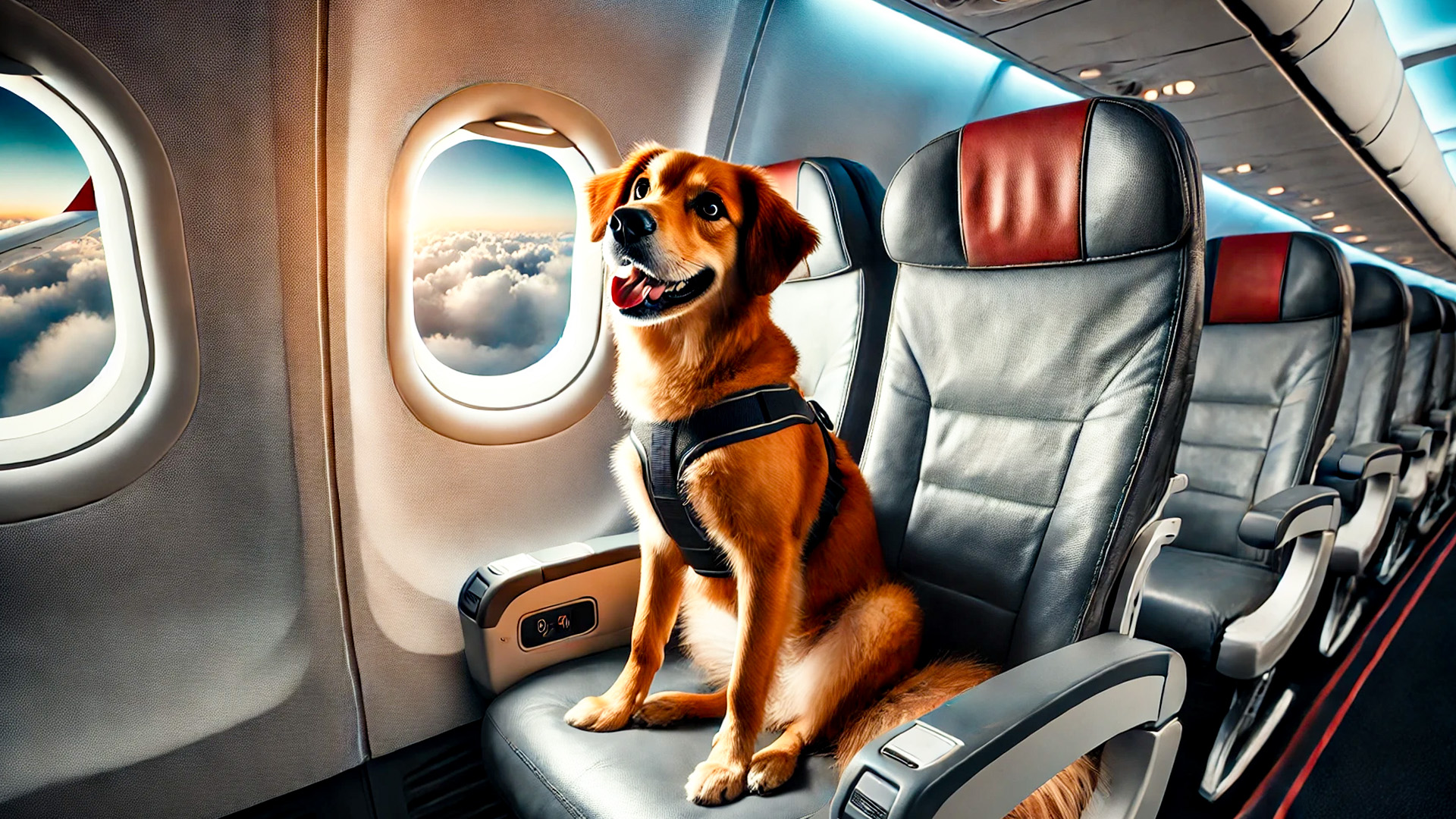
Post-Flight Care: Helping Your Pet Adjust After the Journey
Once the flight is over, your pet may need time to recover from the journey. Paying close attention to their behavior and needs during this phase is essential to ensure their well-being and comfort.
Signs of Travel Fatigue: How to Monitor Your Pet's Health
After landing, it’s important to monitor your pet for signs of travel fatigue, which can manifest as lethargy, excessive panting, or a noticeable loss of appetite. Some pets might also experience stress-related symptoms, such as diarrhea or vomiting. While these issues can be common and typically resolve within 24 hours, it’s crucial to keep a watchful eye on your pet's condition. If symptoms persist or worsen, do not hesitate to consult your veterinarian for advice. Your pet's health and comfort should always be a priority, especially after the stress of travel.
Re-establishing Routines: Getting Back to Normal After Flying
Pets thrive on routine, and returning to familiar patterns can help ease their transition after travel. As soon as you arrive at your destination, reintroduce regular routines, including consistent meal times, walking schedules, and playtime. This familiarity helps pets feel grounded and can significantly reduce post-travel anxiety. Maintaining a sense of normalcy is key to helping your pet adjust to their new surroundings and recover from the stresses of travel.
Handling Jet Lag: Managing Time Zone Changes for Your Pet
Just like humans, pets can experience jet lag, especially after long flights or significant time zone changes. To help your pet adjust to the new time zone, gradually modify their feeding and exercise schedules to align with local time. This may take a few days, but patience is essential as your pet acclimatizes. Make sure to give them plenty of time to adapt, offering comfort and reassurance throughout the process. By closely monitoring their needs and adjusting their routine, you can help your pet transition smoothly and comfortably into their new environment.
Common Mistakes to Avoid When Flying with Pets
Even the most seasoned pet owners can make mistakes when traveling, so avoiding common pitfalls is essential for a smoother journey.
Overlooking Airline Policies: Ensuring Your Pet Meets All Requirements
Every airline has its own set of unique policies regarding pet travel, and overlooking even a small detail can result in denied boarding and last-minute stress. To prevent this, take the time to carefully review all pet travel requirements well in advance. This includes crate specifications, size limits, ventilation needs, and necessary health documentation, such as health certificates and vaccination records. Being thorough in your research helps avoid unpleasant surprises at the airport and ensures a hassle-free check-in process for you and your furry friend.
Last-Minute Preparations: Why Early Planning Matters
Rushing through pet travel preparations is a recipe for disaster that can lead to unnecessary complications. Early planning allows you ample time to gather all necessary health certificates, book suitable flights, and train your pet for the trip. It also provides the flexibility needed in case plans change unexpectedly, whether it’s a delay in vaccinations or a last-minute change in travel itinerary. By organizing everything well in advance, you’ll minimize stress and enhance the overall experience for both you and your pet.
Inappropriate Crates: Consequences of Using Non-Compliant Carriers
Using a non-compliant carrier can jeopardize your pet’s safety and lead to rejection at the airport. Each airline has specific dimensions and features that must be met, so it’s crucial to double-check your carrier's specifications against airline policies. Look for features such as secure locking mechanisms, proper ventilation, and adequate padding. Failing to meet these requirements can not only endanger your pet but may also result in delays, added costs, or the need to purchase a new carrier on the spot.
Traveling with pets requires patience, planning, and meticulous attention to detail, but the reward of having your furry companion by your side makes it all worthwhile. With proper preparation and awareness of common pitfalls, you can ensure a safe and comfortable travel experience for both you and your beloved pet.
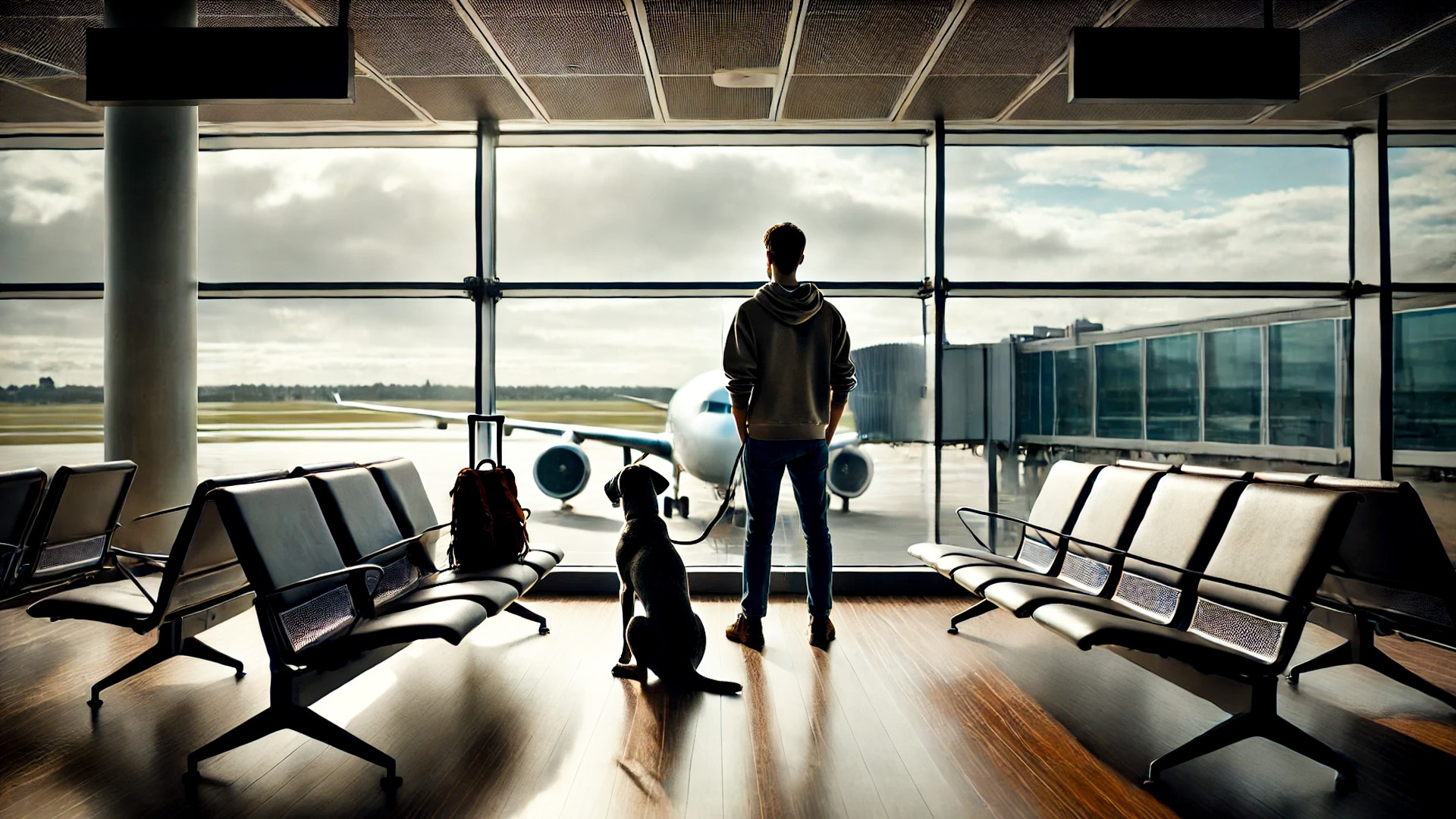
Common Mistakes To Avoid When Flying With Pets
Elisha Roodt
Our travel editorial desk specializes in uncovering the best flight deals and destination insights within South Africa. We bring you first-hand updates on airline industry moves and budget travel hacks.
More From Travel News
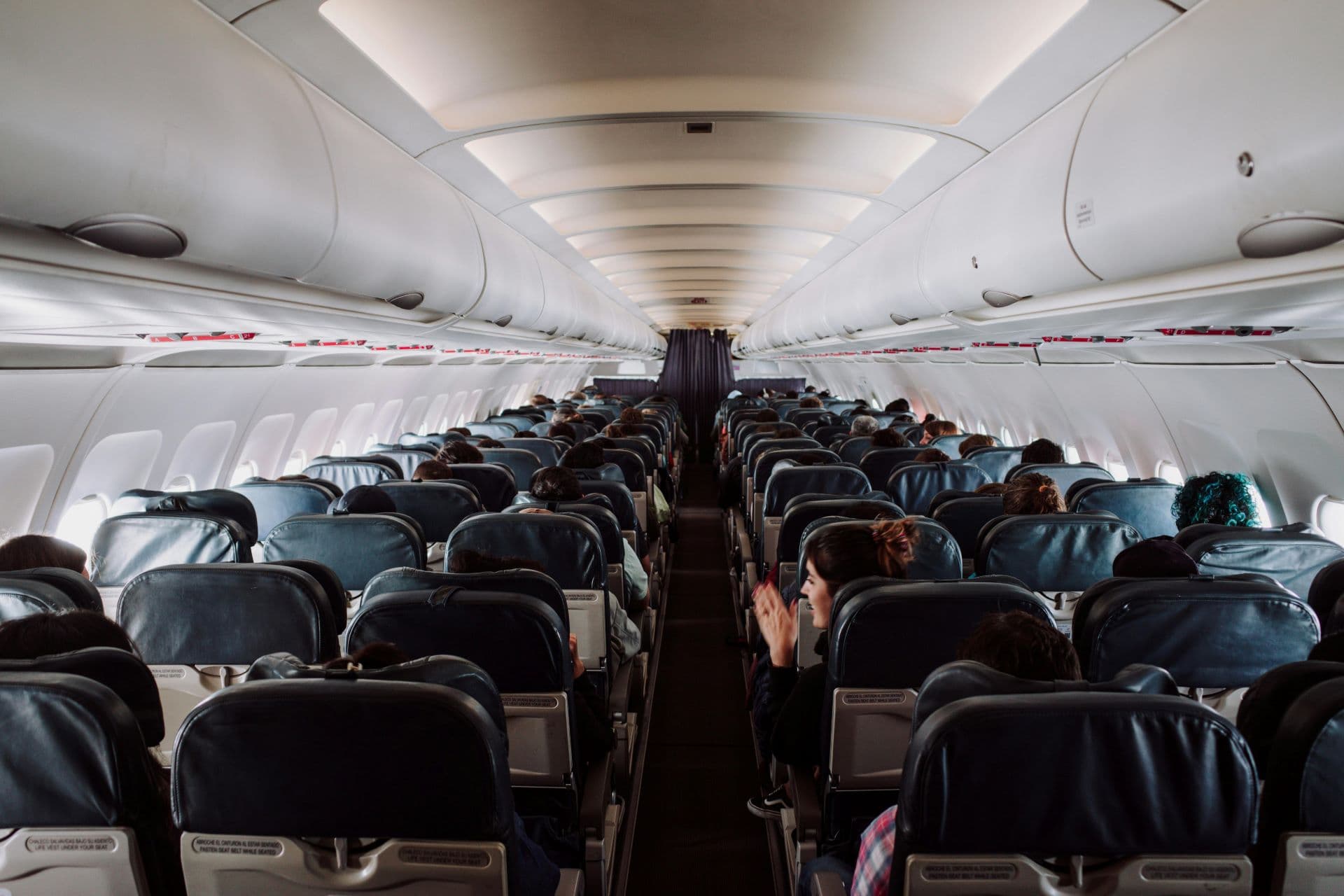
The Psychology of Seat Selection on Short Flights
Why do travellers choose window or aisle seats on short flights? Exploring passenger psychology in South African commercial aviation.
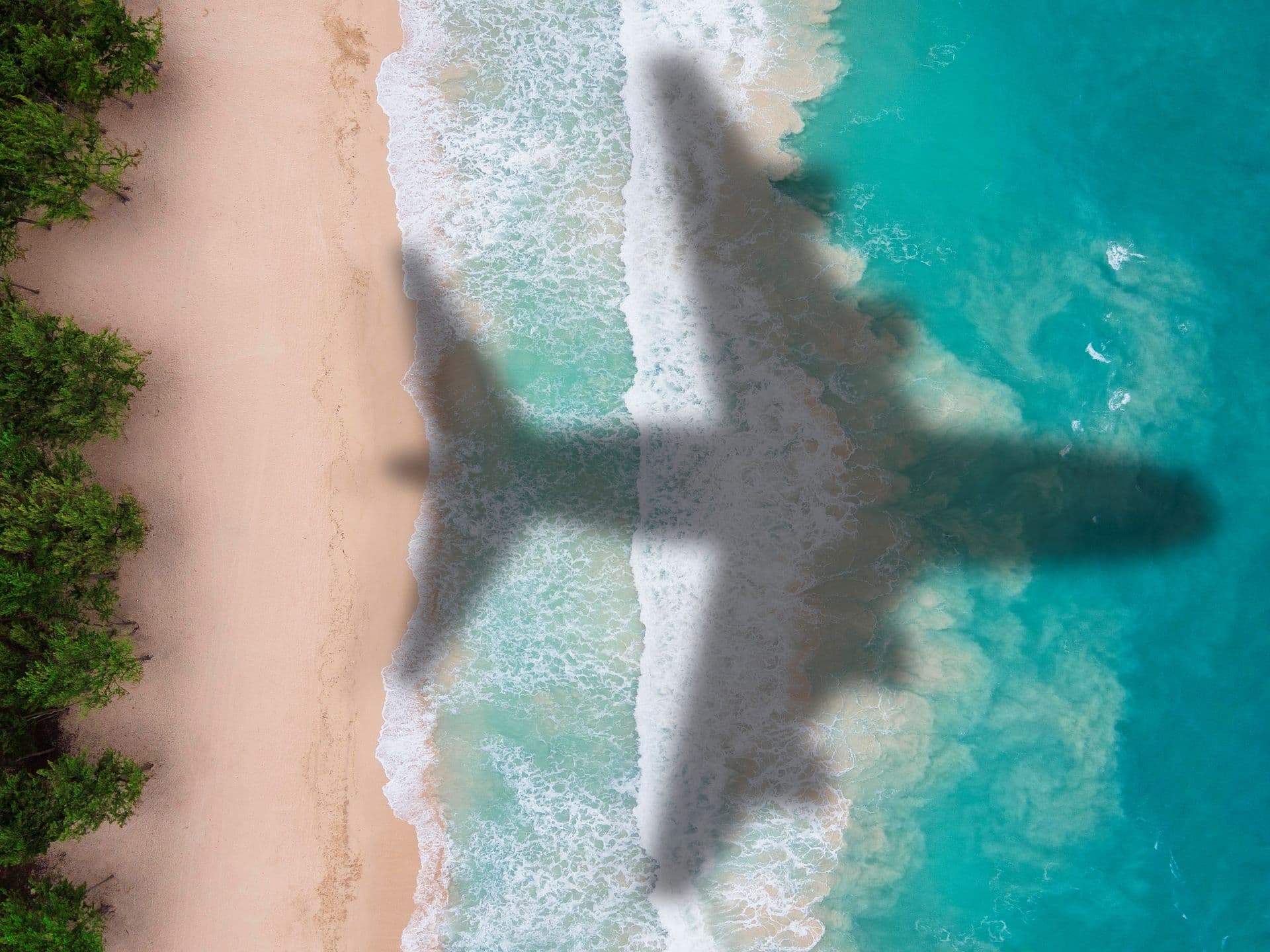
How Aviation Shapes South Africa’s Coastal Tourism
Aviation expands South Africa’s coastal tourism by redistributing seasonal travel, boosting beach destinations, and connecting global and domestic markets.
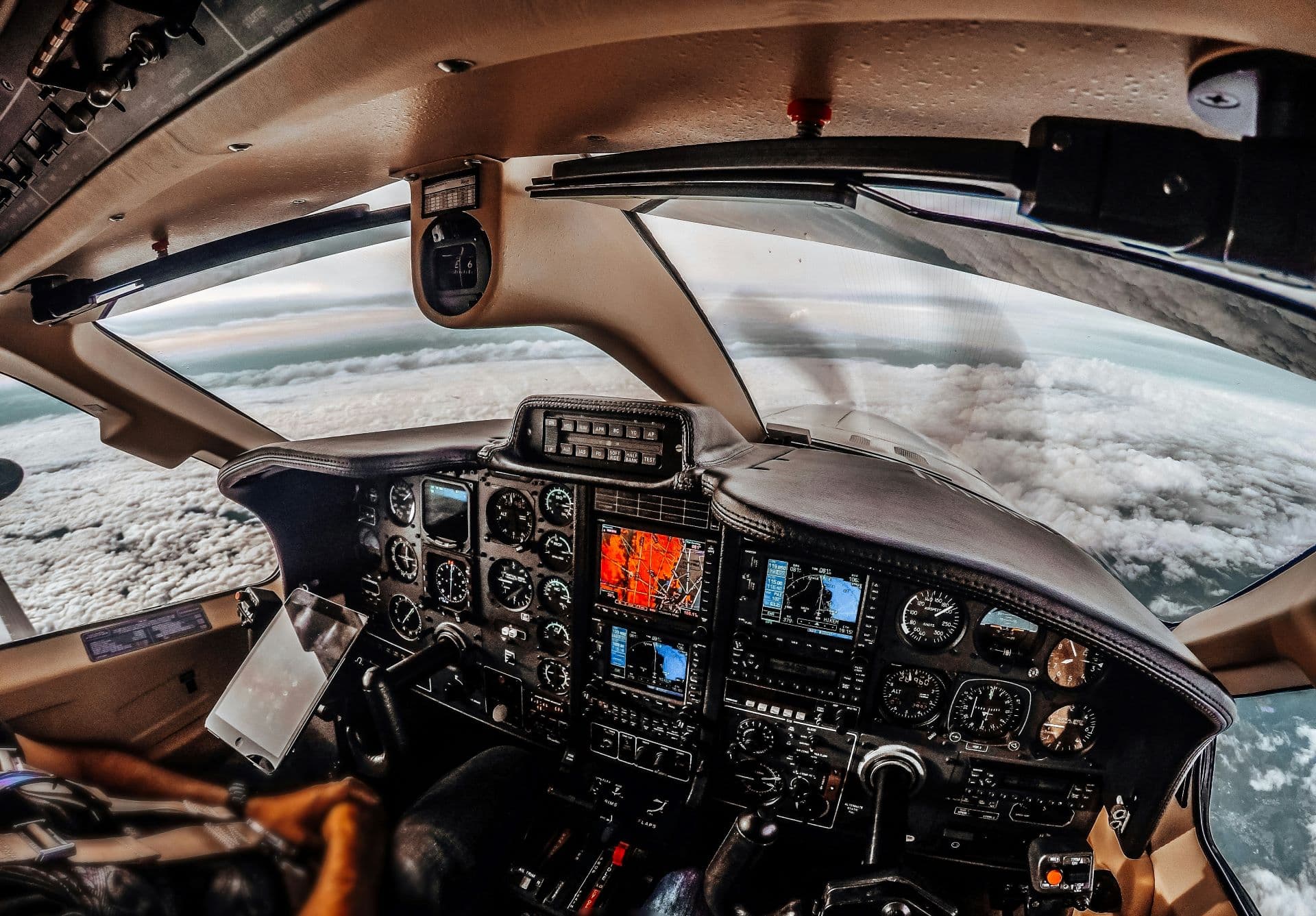
Inside Airline Pilot Training for Modern Aircraft
Discover how airlines train pilots for modern aircraft using advanced simulators, strict certification pipelines and continuous recurrent training.
Stay Informed, Stay
Ahead of the Curve
We don't just follow the headlines — we dive deeper. Our well-researched content is designed to empower you with the knowledge needed to navigate an industry shaped by innovation.
Seasoned Professionals
Industry stats and market performance metrics.