
The New Frontier of In-Flight Identity
In a world where global air travel has become as familiar as the morning commute, airlines are increasingly seeking ways to differentiate themselves beyond price, punctuality, and perks. While business-class beds and in-flight Wi-Fi once stole the spotlight, a new frontier is emerging in the race for traveller loyalty: cultural immersion.
Today’s most forward-thinking carriers are no longer simply ferrying passengers from one airport to another. Instead, they’re curating rich, sensory experiences that transport travellers into the heart of a destination—before the wheels even touch the tarmac. Whether it’s indigenous cuisine at cruising altitude, curated onboard entertainment featuring local artists, or announcements made in regional dialects, the flight itself has become a cultural ambassador. Welcome aboard the era of pre-landing storytelling.

Sky-High Storytelling: The Origins of Cultural Branding in the Air
The concept of airlines as cultural emissaries isn’t entirely new. Think of Air France’s understated elegance, Japan Airlines’ minimalism, or Emirates’ opulence—all subtle extensions of their home nations’ global identities. But what began as soft branding is now evolving into something more deliberate and immersive.
Post-pandemic travellers, increasingly hungry for authentic connection, have inspired airlines to rethink the role of their in-flight experience. No longer content with the sterile, neutral uniformity of the global travel experience, airlines are localising the journey—starting at 30,000 feet.
Culinary Altitude: Local Flavour on Global Routes
One of the most palpable ways airlines are showcasing culture is through the cabin menu. Airline meals were once a punchline—mass-produced, bland and barely edible. But today, menus are being reimagined as culinary stages where national identity is plated with care and pride.
Singapore Airlines has partnered with world-renowned chefs from the International Culinary Panel to present refined dishes that tell a story of Southeast Asia’s complex palate—from laksa to satay. Meanwhile, Air India leans into regional variety, offering state-specific menus that change based on the flight’s origin and destination.
South African Airways brings local produce and wines on board, allowing travellers to sample Chenin Blanc from Stellenbosch or Karoo lamb before they've even set foot on African soil. It’s not just about taste—it’s about storytelling through ingredients.
In 2023, Qantas revamped its menu to include First Nations-inspired dishes, integrating bush tucker elements such as lemon myrtle and wattleseed into the culinary narrative. This move not only honours indigenous culture but offers a moment of education and reflection mid-flight.
Soundscapes and Screens: Entertaining with Identity
The seatback screen has become another canvas for cultural display. Today’s inflight entertainment options go beyond blockbuster films and syndicated TV shows. Airlines are now licensing homegrown music, films, and documentaries that showcase the artistic heartbeat of their home countries.
Air New Zealand proudly features Kiwi indie musicians, Māori storytellers, and New Zealand-made cinema in its entertainment system, often updated monthly. The airline’s famously quirky safety videos—featuring everything from Lord of the Rings to the All Blacks—double as cultural snapshots that combine charm with education.
Turkish Airlines, similarly, offers a rich archive of Turkish cinema, documentaries on Ottoman history, and music spanning Anatolian folk to Istanbul’s thriving electronic scene. Passengers aren't just being entertained—they're being subtly immersed in the country’s cultural psyche.
Even Ethiopian Airlines, Africa’s largest carrier, includes Amharic poetry readings and Ethiopian jazz playlists in its in-flight media library, shining a light on one of Africa’s most vibrant creative cultures.
Language, Welcome, and Identity
Announcements in English may remain the standard across international flights, but regional greetings and local languages are making a return to the cabin speaker. This isn’t just a formality—it’s a subtle act of cultural affirmation.
Hawaiian Airlines offers greetings in ‘Ōlelo Hawai‘i and integrates traditional proverbs into its communications. This conscious effort to centre indigenous language not only honours the culture but gently familiarises passengers with the cadence and soul of the islands.
LATAM, South America’s largest airline group, has introduced Quechua into its announcements on select Peruvian routes, recognising the language’s cultural importance and normalising its use on a national platform.
Fiji Airways goes further, with crew members performing traditional meke songs upon landing, turning the arrival into a performance of cultural welcome.

Cabin as Canvas: Design and Uniforms with Local Flair
Design is a silent communicator—and airlines are increasingly using cabin aesthetics, crew uniforms, and textures to convey national identity. The visual language of a carrier has become a tool of soft power.
Aegean Airlines recently unveiled redesigned cabin interiors inspired by Athenian marble and Grecian blues, while RwandAir incorporates local fabrics and traditional embroidery into its crew attire.
Air Inuit, which services remote Canadian communities, integrates Inuit design into its aircraft livery, crew uniforms, and inflight materials—a moving tribute to the cultures that its routes help connect and sustain.
Uniforms, once stiff and impersonal, are increasingly becoming wearable representations of heritage. Vietnam Airlines outfits its female crew in áo dài, the traditional Vietnamese tunic, blending elegance with a quiet cultural pride.
In-Flight Retail as Cultural Sampling
Duty-free trolleys have long peddled global luxury brands, but some airlines are pivoting toward offering locally made goods and artisanal products.
Japan Airlines has introduced a “Made in Japan” series on board, featuring regional sweets, ceramics, and beauty products. These items aren’t just souvenirs—they’re curated experiences that extend the cultural journey into the tactile.
Kenya Airways similarly offers beaded jewellery, woven bags, and local crafts created in collaboration with women’s cooperatives, turning inflight retail into an act of cultural commerce and empowerment.
These gestures go beyond commercial transaction. They foster a sense of place, community and shared appreciation that transcends typical tourist consumption.
Hospitality Beyond Borders: Crew as Cultural Hosts
Perhaps the most underappreciated cultural ambassadors are the cabin crew themselves. For airlines committed to authenticity, crew members are trained not just in safety procedures and hospitality but in the deeper significance of cultural representation.
ANA (All Nippon Airways) crew receive etiquette training that incorporates Japanese hospitality principles such as omotenashi, which is less about service and more about anticipating needs with genuine care.
In Qatar Airways, the diverse crew often speak multiple languages and receive cultural immersion training to understand both the airline’s Qatari roots and the nuances of serving passengers from across the globe.
By engaging with passengers in culturally sensitive and informed ways, crew members act as bridge-builders, offering a human introduction to the places travellers are journeying toward.
Sustainability Meets Heritage: A Shared Future Vision
The cultural reorientation of in-flight experience dovetails with the growing sustainability movement. Airlines are now choosing to source sustainably and locally—reducing carbon footprint while uplifting communities.
Icelandair sources ingredients from Icelandic farms and fisheries and highlights regional biodiversity through short documentaries in their media offerings. Air Tahiti Nui uses biodegradable serviceware decorated with traditional Polynesian motifs, reflecting both environmental and cultural stewardship.
This fusion of sustainability and identity helps position airlines not just as travel facilitators, but as responsible global citizens.
From Arrival to Belonging: Why This Shift Matters
What does it mean to arrive in a place? Increasingly, it begins long before the plane lands. Through sound, taste, language, touch, and human connection, airlines are helping travellers feel their destination before they see it. It’s a shift from viewing flights as transactional to transformational—from “getting there” to “being there.”
For locals, this trend matters too. Airlines become flying embassies, carrying culture with dignity and pride across borders. For travellers, especially those on long-haul routes, the immersive journey builds anticipation, emotional resonance, and even empathy.
In a world teetering between global sameness and cultural revival, these sky-high gestures signal something more meaningful: a renaissance of place, pride, and story.
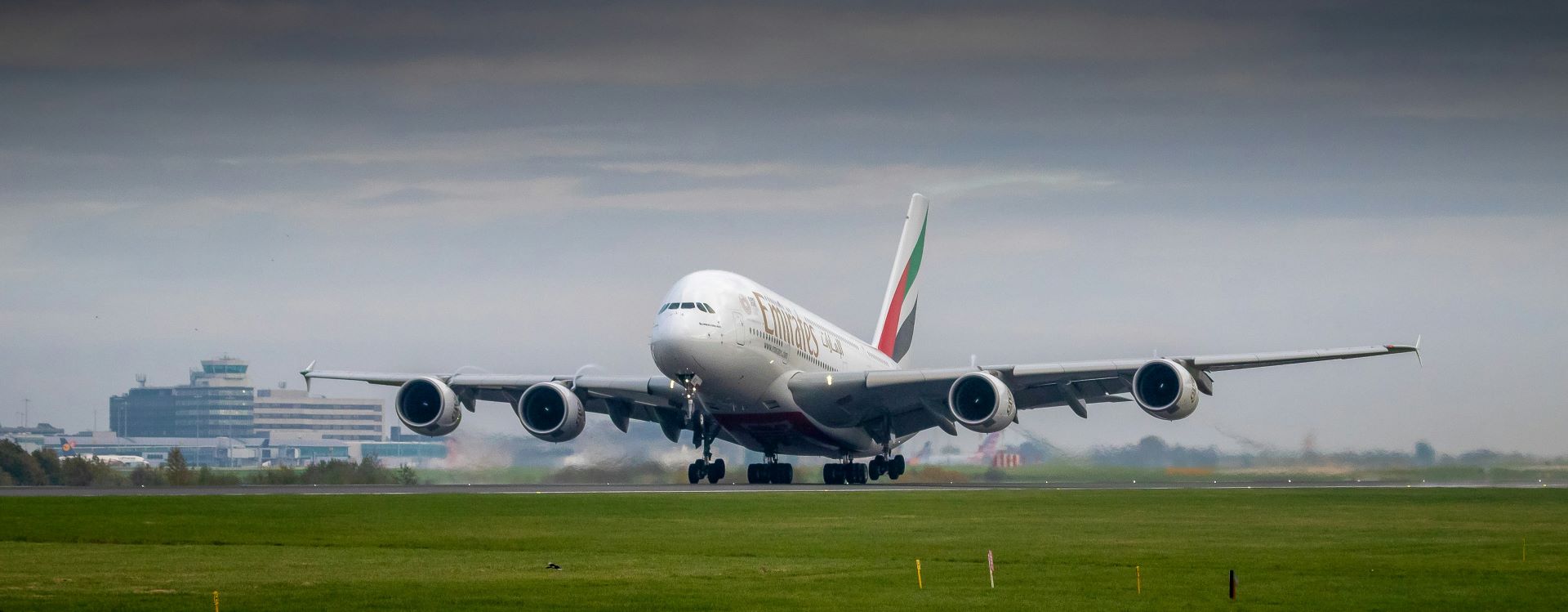
A New Altitude of Awareness
Airlines today are soaring beyond logistics and loyalty programs. They’re becoming storytellers of identity, interpreters of culture, and ambassadors of the intangible. Whether it’s a sip of rooibos tea en route to Cape Town, a Māori blessing before a touchdown in Wellington, or a Balinese batik pillow on a lay-flat seat, the message is clear:
Travel isn’t just about moving through space. It’s about arriving through story.
And in the best of flights, you don’t just land—you belong.
Elisha Roodt
Our travel editorial desk specializes in uncovering the best flight deals and destination insights within South Africa. We bring you first-hand updates on airline industry moves and budget travel hacks.
More From Travel News
The Psychology of Seat Selection on Short Flights
Why do travellers choose window or aisle seats on short flights? Exploring passenger psychology in South African commercial aviation.
How Aviation Shapes South Africa’s Coastal Tourism
Aviation expands South Africa’s coastal tourism by redistributing seasonal travel, boosting beach destinations, and connecting global and domestic markets.
Inside Airline Pilot Training for Modern Aircraft
Discover how airlines train pilots for modern aircraft using advanced simulators, strict certification pipelines and continuous recurrent training.
Stay Informed, Stay
Ahead of the Curve
We don't just follow the headlines — we dive deeper. Our well-researched content is designed to empower you with the knowledge needed to navigate an industry shaped by innovation.
Seasoned Professionals
Industry stats and market performance metrics.