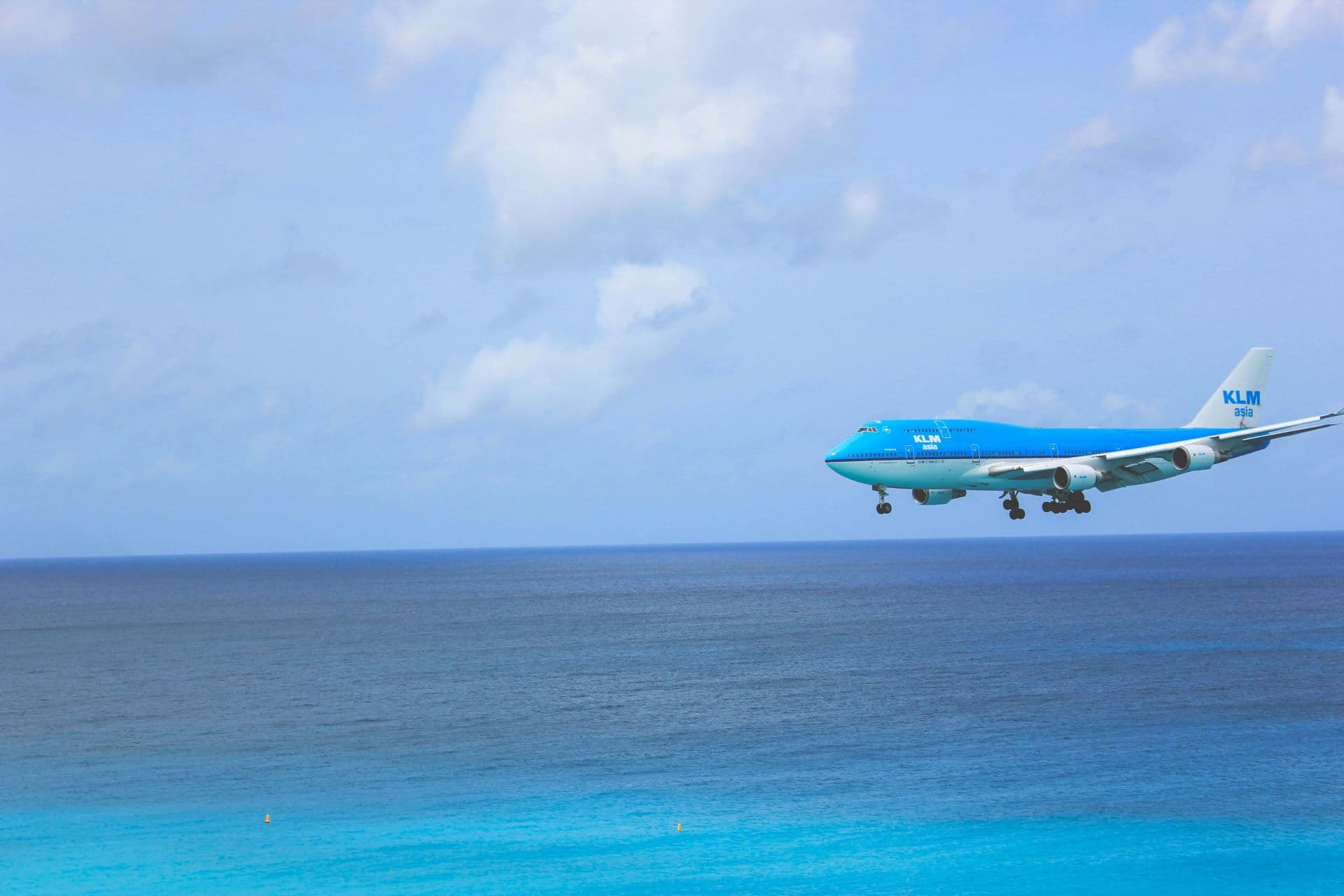
The era of ultra-long-haul travel is upon us. Airlines around the world are pushing the limits of aviation technology to connect distant corners of the globe in unprecedented non-stop journeys. From Sydney to New York to Singapore to Los Angeles, flights lasting 18 to 20 hours—or more—are no longer the stuff of fantasy. As aircraft performance improves, fuel efficiency rises, and passenger comfort innovations proliferate, the implications of these ultra-long-haul routes extend far beyond convenience. They are poised to reshape global business, tourism, urban development, and even human perceptions of distance.
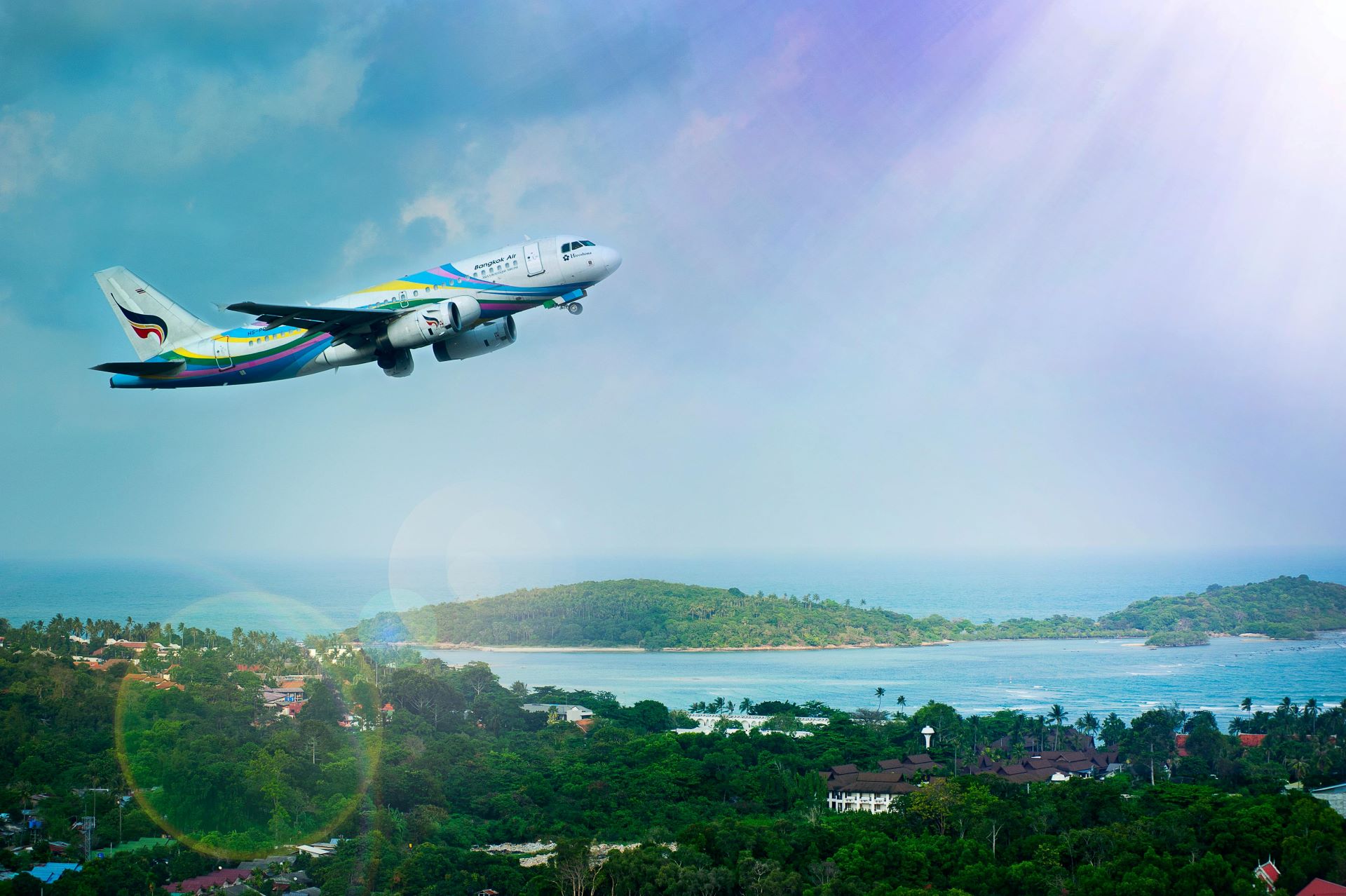
The Rise of the Ultra-Long-Haul Flight
Historically, long-haul aviation relied on a network of stopovers to refuel, transfer passengers, and manage crew rest. The classic “hub-and-spoke” model defined international travel, concentrating global connections in major metropolitan airports. However, recent advancements in aerodynamics, jet engine efficiency, and composite materials are enabling aircraft like the Airbus A350-900ULR and Boeing 777X to fly farther without interruption.
These ultra-long-haul flights now cover distances exceeding 15,000 kilometers in a single stretch. For airlines, this means cutting hours off traditional multi-stop routes. For passengers, it transforms what was once a day-long slog into a single, albeit lengthy, uninterrupted journey. But the impact of these flights extends far beyond simply shaving off a stopover; they are shifting the very way we conceptualize geography and accessibility.
Redefining Global Business Hubs
Ultra-long-haul connectivity has immediate implications for international commerce. Cities that were once considered peripheral to global trade networks are finding themselves just a 20-hour flight away from economic epicenters. Consider the potential of direct flights from Johannesburg to San Francisco or from Perth to London. For multinational corporations, these connections allow for same-day business meetings across continents, shrinking response times and facilitating more agile operations.
Investment patterns may shift as well. Real estate near airports with ultra-long-haul access will likely see appreciation, driven by demand from business travelers seeking to minimize travel fatigue while maintaining global reach. Regional airports previously overshadowed by mega-hubs could emerge as vital nodes in this new map of commerce, rewriting the logistics of supply chains and corporate travel planning.

Transforming the Tourism Landscape
Tourism, perhaps more than any other industry, stands to benefit from ultra-long-haul innovation. The ability to fly directly from a regional city in South America to a beach resort in Southeast Asia, or from a mid-sized European city to the heart of Australia’s Outback, changes the calculus of travel planning. Tourists no longer need to invest hours or days in connecting flights or long layovers, making exotic destinations more accessible.
Airlines are responding with cabin enhancements designed specifically for ultra-long flights: advanced seating ergonomics, noise-reducing technologies, in-flight wellness programs, and improved meal services. These measures are essential, as the human body must endure prolonged periods in confined spaces without compromising health or comfort. As the industry masters the art of sustained passenger well-being, destinations that were once considered too remote may now see a surge in tourism, stimulating local economies and cultural exchange.
Challenges of Human Endurance
No discussion of ultra-long-haul travel would be complete without acknowledging the physiological and psychological challenges it imposes. Sitting for 20 hours straight, even in the most spacious business-class seat, stresses circulation, posture, and circadian rhythms. Sleep disruption, dehydration, and jet lag become significant considerations, especially for frequent flyers. Airlines and airports are investing heavily in mitigating these impacts through technology and service innovations.
Flight crews face equally complex challenges. Regulations concerning duty hours, rest periods, and emergency readiness must adapt to ultra-long-haul realities. Airlines are experimenting with augmented crew rotations, strategic rest pods, and onboard wellness programs to ensure safety is never compromised. The success of these measures is critical to sustaining long-term operations and maintaining passenger confidence in journeys that test the limits of human endurance.
Environmental Considerations
Ultra-long-haul flights, despite technological advances, also introduce complex environmental questions. The longer an aircraft remains airborne, the greater its cumulative carbon footprint. While modern airframes are markedly more fuel-efficient than their predecessors, sustainability concerns remain a hot topic. Airlines are increasingly investing in sustainable aviation fuels, hybrid propulsion research, and carbon-offset programs to mitigate environmental impact.
The challenge is to balance the undeniable convenience and economic opportunity of ultra-long-haul travel with global commitments to decarbonization. Some experts suggest a future in which ultra-long-haul flights are the exception rather than the norm, reserved for strategic routes that deliver maximum societal or economic value, while shorter, regional flights embrace greener, more efficient technologies.
A New Cultural Geography
Beyond economics and tourism, ultra-long-haul flights subtly reshape cultural geography. Cities that were previously “far away” in both distance and mindset suddenly feel within reach. Business relationships, academic exchanges, and social networks are no longer constrained by a day of travel or the inconvenience of multiple stopovers.
This shift has implications for migration, urbanization, and even the global flow of ideas. Populations may choose to live in regions they previously considered too remote for career or lifestyle opportunities, confident in the knowledge that international travel is feasible, efficient, and increasingly comfortable. Cultural exchange accelerates, bridging divides and creating new hubs of cosmopolitan activity in unexpected locations.
The Economic Ripple Effect
Ultra-long-haul flights catalyze broader economic transformations. Airports become central engines of growth, stimulating jobs in logistics, hospitality, and urban infrastructure. Airlines see revenue potential from premium, long-haul fares, while ancillary businesses such as in-flight entertainment, travel insurance, and airport services adapt to meet changing consumer expectations.
Local economies benefit as well. Destinations previously overlooked may witness an influx of high-value travelers, while cities with enhanced connectivity can attract global conferences, cultural events, and multinational corporations. The economic ripple effect is profound, highlighting the power of connectivity in the 21st century.
Designing for the Future
To fully capitalize on ultra-long-haul potential, airports, airlines, and policymakers must rethink the traditional travel ecosystem. Airport lounges, ground transportation, immigration processes, and city connectivity must evolve in tandem with aircraft capability. Cities may need to invest in high-speed rail, autonomous vehicle infrastructure, or expanded hotel capacity to accommodate a new breed of traveler arriving from halfway across the globe.
Likewise, urban planners and tourism boards must anticipate the impact on local communities and ecosystems. Sustainable growth strategies will be essential to prevent overtourism, congestion, and environmental strain in regions suddenly thrust into the international spotlight.
A Smaller, More Connected World
Ultra-long-haul flights are more than an engineering marvel—they are a catalyst for reshaping global life. They redefine notions of distance, transform business and tourism opportunities, and alter the economic and cultural fabric of cities worldwide. As airlines continue to push the envelope, passengers gain not just a new route, but a new way of seeing the world: closer, more accessible, and deeply interconnected.
The map of human mobility is changing. Borders shrink, time zones blur, and the once-unreachable corners of the Earth draw nearer. For travelers, businesses, and entire communities, ultra-long-haul aviation promises a world without stops—where the journey, and the opportunities it unlocks, are limited only by imagination.
Gerald Ferreira
Our travel editorial desk specializes in uncovering the best flight deals and destination insights within South Africa. We bring you first-hand updates on airline industry moves and budget travel hacks.
More From Travel Industry
Why Airlines Care About Your Connection Time Windows
Airlines treat connection times as precision timing tools that drive network efficiency, schedule flow, and global hub synchronization.

How Flight Routes Drive Tourism Growth and Regional Prosperity
Discover how airline routes influence global tourism, boost regional economies, and improve destination accessibility worldwide.

How Airlines Are Shifting to Eco-Friendly Travel
Airlines respond to eco-conscious travelers with carbon offsets, fuel-efficient fleets, and green marketing strategies in commercial tourism.
Stay Informed, Stay
Ahead of the Curve
We don't just follow the headlines — we dive deeper. Our well-researched content is designed to empower you with the knowledge needed to navigate an industry shaped by innovation.
Seasoned Professionals
Industry stats and market performance metrics.