
The World Above the Clouds
For most travellers, booking a flight feels like a straightforward transaction: you choose a departure city, a destination, and a convenient time. Yet beneath the surface of this seemingly simple decision lies a complex network of partnerships, strategic alliances, and codeshare agreements that shape not only how airlines operate, but also how passengers experience air travel. Whether you are a seasoned business traveller or an occasional holidaymaker, understanding the mechanics of airline alliances offers insight into why your journey unfolds the way it does — from the price of your ticket to the lounge you’re invited into.

The Rise of Airline Alliances
Airline alliances emerged in the 1990s as the global aviation industry began to embrace liberalisation. Previously, national carriers operated largely within their borders, bound by restrictive bilateral agreements. But as globalisation gathered pace, passengers demanded greater connectivity, and airlines sought to extend their reach without the cost of acquiring new aircraft or establishing bases in foreign markets.
The solution came in the form of alliances. Instead of competing in isolation, airlines pooled resources, coordinated schedules, and shared routes. By doing so, they created vast, globe-spanning networks under shared branding umbrellas. Today, three major alliances dominate the skies: Star Alliance, SkyTeam, and Oneworld, collectively serving thousands of destinations across nearly every continent.
For passengers, alliances have become synonymous with convenience and flexibility. For airlines, they are strategic lifelines that open access to new markets and enable cost-sharing. Yet within this ecosystem lies another, often misunderstood, mechanism: the codeshare agreement.
Codeshares: A Ticket to More Than Meets the Eye
The term "codeshare" may sound technical, but in practice it touches almost every flight search. A codeshare agreement allows two or more airlines to market the same flight under their own designator code and flight number. For example, you might book a flight with American Airlines from Johannesburg to London, only to discover that the plane is actually operated by British Airways.
This practice benefits airlines by broadening their catalogue of destinations without having to physically fly there. For travellers, it opens access to a far larger global network when booking through a single airline. A codeshare effectively enables seamless connectivity: you can travel from Cape Town to Tokyo with one booking, even if your airline of choice never operates aircraft to Japan.
However, codeshares can sometimes cause confusion. Passengers may expect the onboard experience, baggage policy, or seat configuration of the airline they booked with, only to find subtle or even substantial differences when boarding an aircraft operated by a partner. This is where alliances play a role in smoothing the experience, aligning service standards and offering reciprocity on loyalty programmes.
The Mechanics of Global Alliances
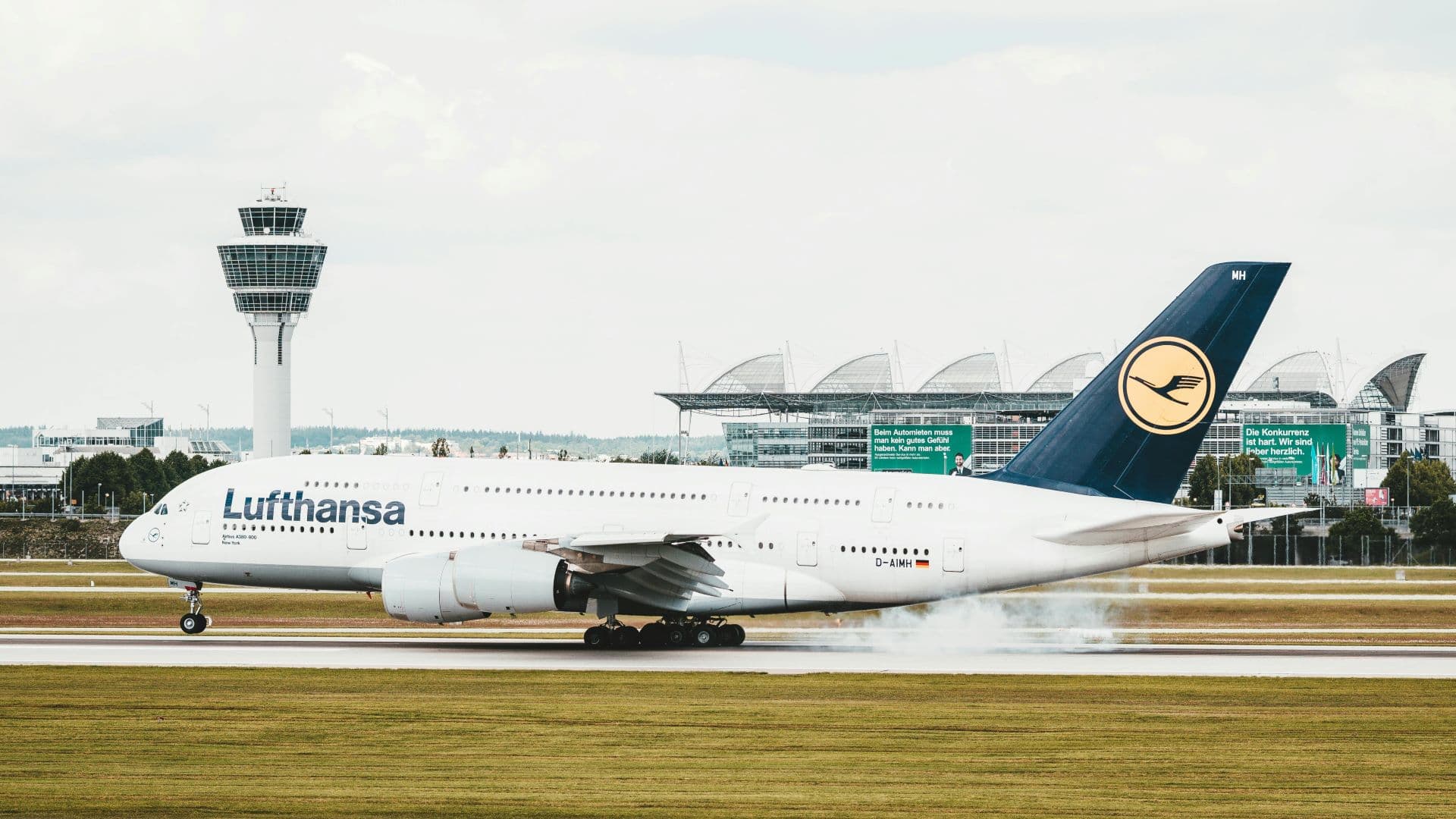
Each of the three major alliances has its unique character, shaped by its founding members and subsequent additions. Star Alliance, the largest and oldest, was established in 1997 with the aim of creating a truly global network. Its members include Lufthansa, Singapore Airlines, and United Airlines, making it a powerhouse for intercontinental connectivity.
SkyTeam, founded in 2000, leans heavily into collaboration across Europe, Asia, and the Americas, with members such as Delta Air Lines, Air France, and Korean Air. Meanwhile, Oneworld, also formed in 1999, includes airlines like British Airways, Cathay Pacific, and Qantas, known for strong presences in premium travel markets.
For travellers, the practical effect of these alliances comes into play in several key areas. A single ticket can cover multiple airlines within the same alliance, with checked baggage transferred smoothly across carriers. Elite status in one airline’s frequent flyer programme often translates into reciprocal benefits across all alliance partners. And crucially, alliances work to align schedules, so connecting flights are better timed and less prone to missed transfers.

Behind the Passenger Benefits
While airline alliances are marketed as tools for passenger convenience, they are first and foremost business strategies. Operating long-haul international routes is enormously expensive, often requiring high passenger loads to be profitable. By partnering, airlines share both the risks and the rewards of offering such services.
Joint ventures — deeper than codeshare agreements — allow airlines to coordinate pricing, share revenue, and jointly plan routes. For example, transatlantic flights between North America and Europe are dominated by a handful of airline joint ventures. This means your "choice" of carrier on certain routes may be less about competition and more about alliance-driven cooperation.
This has drawn scrutiny from regulators, who worry about reduced competition and artificially elevated prices. Yet the flip side is that alliances keep many routes viable that might otherwise vanish, ensuring passengers have continued access to key global hubs.
Frequent Flyer Programmes and Loyalty Interwoven
One of the most visible benefits for passengers lies in loyalty integration. Accumulating points or miles with one airline can often be redeemed across an alliance network. This is why a traveller loyal to Qatar Airways may enjoy lounge access when flying on Iberia, or why a South African Airways Voyager member can claim miles on a Singapore Airlines journey.
For frequent flyers chasing elite status, alliances amplify the value of their loyalty. Status perks — priority boarding, additional baggage allowances, premium check-in counters — extend across alliance partners. This makes it easier for passengers to maintain loyalty while still enjoying flexibility in route planning.
Yet the picture is not entirely seamless. Redemption opportunities and award seat availability vary between carriers. Some alliances are stronger in one region than another, and travellers may still encounter discrepancies in service levels despite alliance branding.
Hidden Complexities of Codeshares
For all their benefits, codeshares can occasionally frustrate. Passengers might find that customer service responsibilities blur when issues arise. If a flight operated by Airline A is marketed by Airline B, which company should handle a delay, refund, or baggage issue? Policies often differ, leaving passengers caught in a bureaucratic maze.
Furthermore, differences in in-flight service, seat comfort, and even safety records across airlines are not always immediately clear to passengers booking via codeshares. Alliances attempt to set minimum standards, but the reality can fall short. The glossy marketing of a "seamless journey" sometimes collides with the practical realities of international aviation.
How Partnerships Shape the Future of Travel
Looking ahead, alliances and codeshares are likely to evolve rather than disappear. The aviation industry is entering a new era shaped by sustainability concerns, technological innovation, and shifting passenger expectations. Alliances enable airlines to share investments in sustainable aviation fuels, digital booking platforms, and airport infrastructure, reducing costs and speeding up adoption.
The COVID-19 pandemic accelerated these shifts, highlighting the importance of resilience and flexibility. Airlines within alliances were able to reroute passengers, adjust capacity, and maintain at least partial connectivity when demand plummeted. As the industry recovers, those lessons are shaping a future where alliances are not just about market expansion, but also about stability in times of crisis.

Why This Matters to Every Traveller
Understanding airline alliances is more than an academic exercise. It explains why your journey may involve unfamiliar airlines, why your loyalty points carry weight in distant countries, and why flight options sometimes look eerily identical across multiple booking platforms. It also underscores the balance between cooperation and competition that defines modern aviation.
For travellers seeking to maximise comfort and value, knowledge of alliances and codeshares is empowering. It helps set expectations, informs smarter booking decisions, and clarifies the sometimes puzzling nature of global air travel. And for the industry, these networks remain the invisible architecture that keeps the world connected, one partnership at a time.
Elisha Roodt
Our travel editorial desk specializes in uncovering the best flight deals and destination insights within South Africa. We bring you first-hand updates on airline industry moves and budget travel hacks.
More From Uncategorized

Budget Airlines, Big Adventures: How Low-Cost Carriers Are Democratizing Global Travel
Budget Airlines vs Full-Service Carriers: Finding the Best Value

Aviation vs Conservation: The Tension Between Tourism Growth and Environmental Impact
Stay Informed, Stay
Ahead of the Curve
We don't just follow the headlines — we dive deeper. Our well-researched content is designed to empower you with the knowledge needed to navigate an industry shaped by innovation.
Seasoned Professionals
Industry stats and market performance metrics.