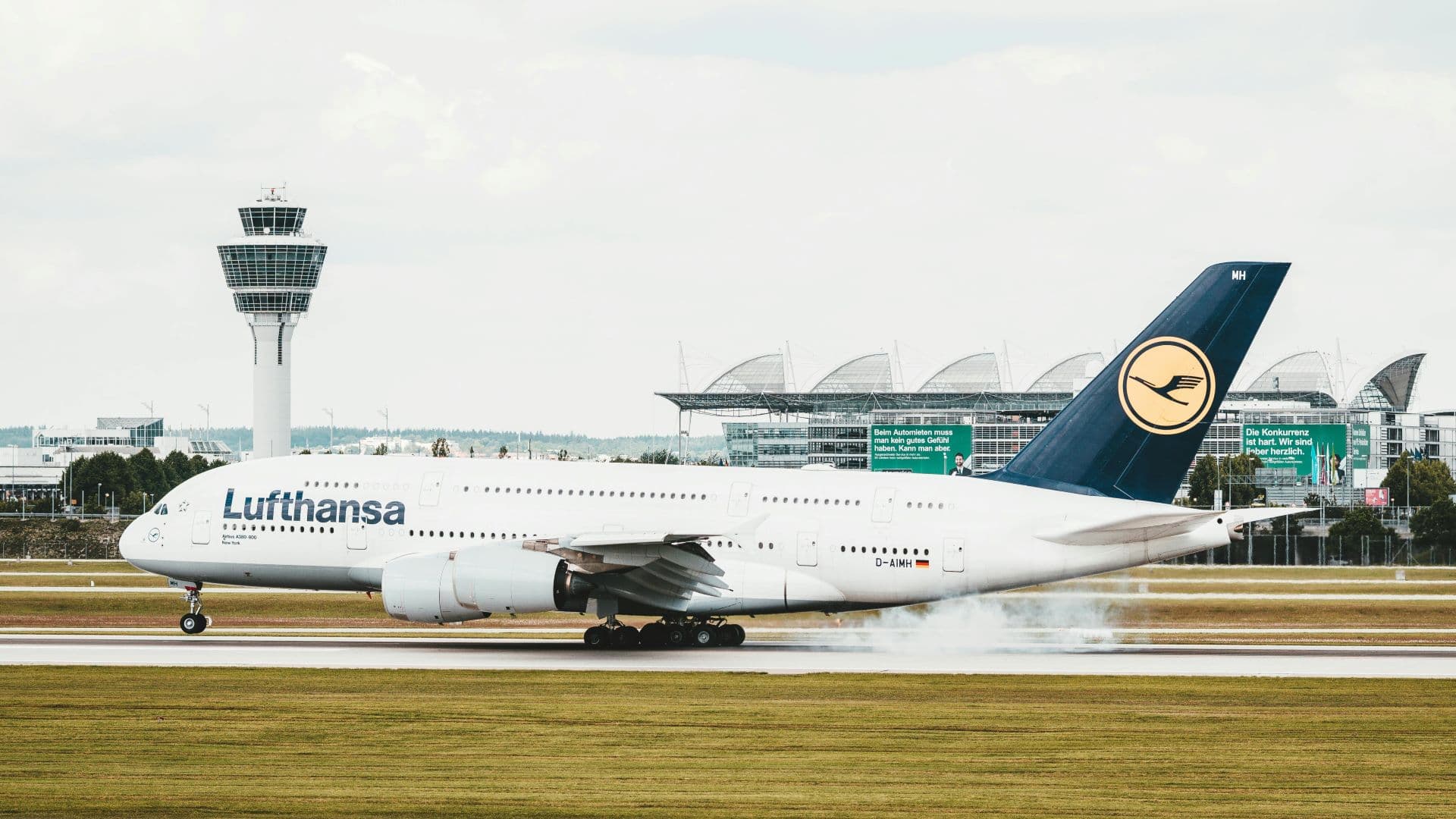
Redefining Value in Air Travel
Air travel, once a luxury reserved for the affluent, has evolved into a ubiquitous mode of transportation connecting continents, cultures, and commerce. The proliferation of airlines and the variety of service models have created an environment where choice is abundant, but clarity is elusive. Modern travelers are confronted with a fundamental question: does the lowest ticket price equate to the best value? Or does the comprehensive, all-inclusive experience offered by full-service carriers justify the premium?
Value in air travel is no longer a simple equation of dollars spent versus distance traveled. It is a multidimensional concept that encompasses time, comfort, reliability, ancillary costs, and even psychological satisfaction. The answer to which airline type provides the best value depends not only on price but on how a passenger defines their priorities. This analysis aims to dissect the complexities of budget and full-service carriers, offering insights to guide travelers toward informed decisions.

The Emergence and Appeal of Budget Airlines
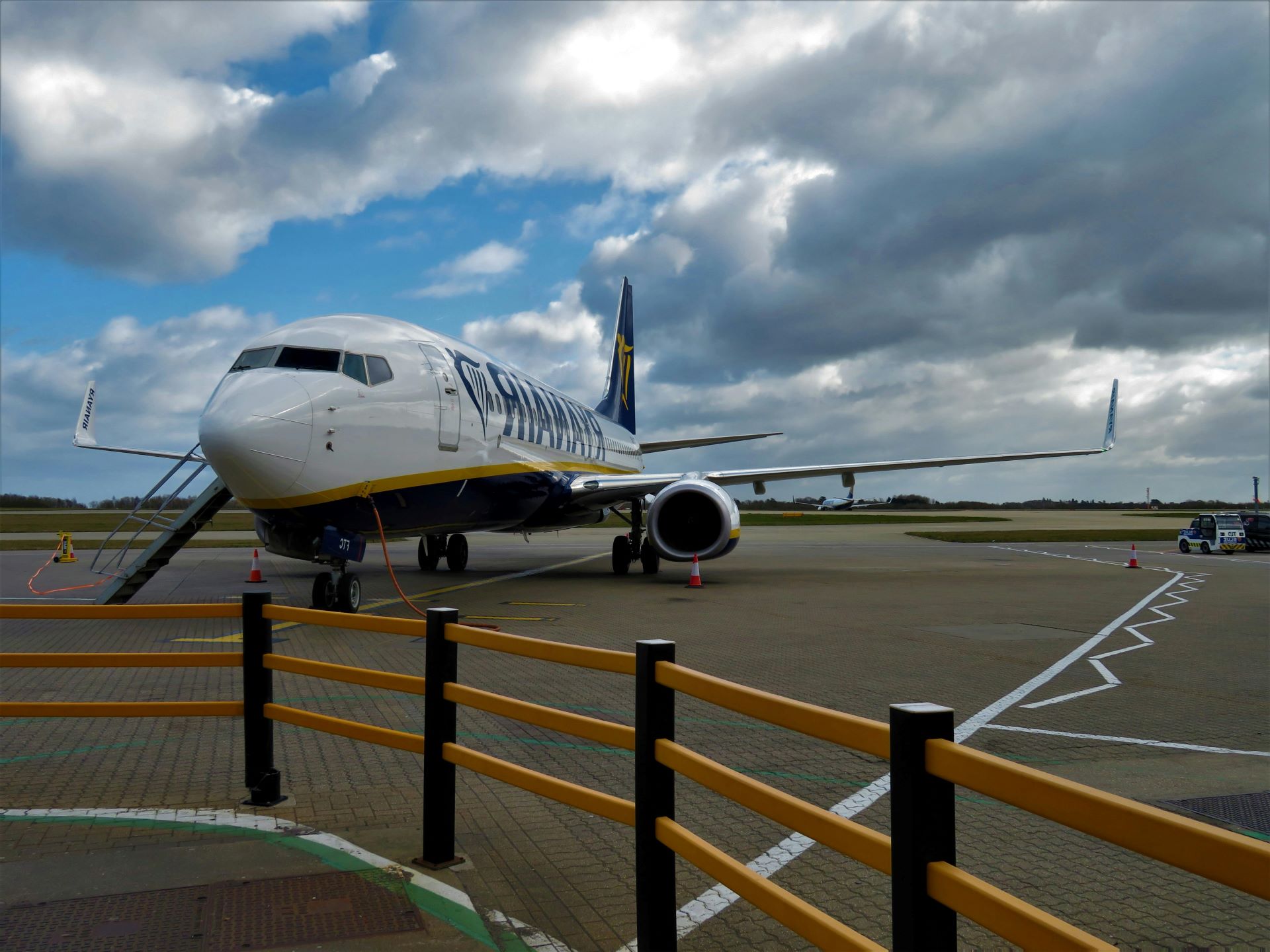
Budget airlines, also known as low-cost carriers (LCCs), have reshaped the aviation industry over the last two decades. Their rise is rooted in a fundamental promise: make flying accessible to the masses by offering low base fares and a minimalist service model. Pioneers like Southwest in the United States, Ryanair in Europe, and Kulula in South Africa demonstrated that cost-conscious travelers would embrace no-frills travel, provided the core service—air transportation—remains safe and reliable.
The operational model of budget airlines is a masterclass in efficiency. By maximizing aircraft utilization, operating single-type fleets, and prioritizing point-to-point routes over hub-and-spoke networks, these airlines reduce costs and simplify maintenance. Secondary airports, often less congested and cheaper than major hubs, enable rapid turnaround times, allowing a single aircraft to complete multiple flights per day.
This efficiency translates directly into low fares, making air travel attainable for students, young professionals, and first-time flyers who might otherwise rely on trains or buses. For instance, Ryanair’s business model enables trans-European flights for as little as €20, a price point unimaginable for traditional carriers. In South Africa, Kulula has popularized domestic and regional air travel by maintaining transparent base fares and optional add-ons, fostering a culture of DIY travel planning.
However, the appeal of low-cost carriers comes with caveats. Additional services that full-service carriers include as standard—checked luggage, seat selection, in-flight meals—often carry supplementary fees. Even seemingly minor conveniences, such as printing a boarding pass at the airport or carrying extra hand luggage, can substantially increase the final ticket cost. The savvy budget traveler must navigate these ancillary charges with diligence, strategically selecting add-ons that provide the greatest utility without eroding savings.
Despite these challenges, budget airlines continue to attract price-conscious passengers. They excel in short-haul routes, where the absence of extensive amenities is less consequential. A two-hour flight across Europe or a domestic South African hop is often indistinguishable from the full-service experience in terms of core transportation, but the fare difference can be dramatic. For travelers with flexible schedules and a willingness to plan meticulously, budget airlines offer unparalleled opportunities to explore new destinations without financial strain.
Full-Service Carriers and the Promise of Comfort
While budget airlines focus on efficiency and minimalism, full-service carriers position themselves as purveyors of comfort, reliability, and inclusivity. Their business model bundles a range of services into the ticket price, offering passengers a holistic journey from check-in to arrival. Checked luggage, in-flight meals, seat selection, entertainment, and loyalty program benefits are typically included, creating a seamless and predictable experience.
Full-service carriers also emphasize the quality of the travel experience. Aircraft cabins are designed to provide more space, amenities, and quiet, catering to both short- and long-haul travelers. On international flights, passengers may benefit from lie-flat seats in business class, gourmet meals, and sophisticated entertainment systems. Frequent flyer programs offer incentives for continued loyalty, translating accumulated points into upgrades, free flights, or exclusive airport lounge access.
Safety and operational reliability are additional advantages. Established full-service airlines often maintain higher staffing levels, robust training programs, and extensive contingency planning. These factors reduce the likelihood of disruptions and, when issues arise, provide passengers with greater recourse. For business travelers and those with tight schedules, the assurance that a full-service carrier can manage complications is invaluable.
The South African context illustrates the benefits of full-service carriers. South African Airways (SAA) has long served as the flag carrier, providing comprehensive domestic and international connections. The inclusion of amenities such as in-flight meals, baggage allowances, and coordinated transfer services ensures passengers experience minimal stress, even when traveling across multiple continents. Globally, carriers such as Emirates and British Airways similarly differentiate themselves through premium service, reliability, and brand trust.
However, this inclusivity comes at a cost. Full-service tickets are often significantly more expensive than budget options, particularly when booking during peak seasons or on high-demand routes. Passengers must weigh whether the additional expense justifies the enhanced experience and reliability. For those traveling on a tight budget or for short-haul purposes, the premium may not deliver proportional value.
The True Cost of Flying
A critical consideration in choosing between airline types is the total cost of travel. Budget airlines are attractive at first glance due to low headline fares, but these can be misleading when additional charges are included. Checked luggage, priority boarding, seat selection, in-flight meals, and even basic amenities such as water or blankets can quickly inflate the price.
Consider a medium-haul route, for example, Johannesburg to Cape Town. A budget carrier may offer a base fare of ZAR 1,200, but once two checked bags, seat selection, and refreshments are added, the total expenditure may rise to ZAR 1,800. Conversely, a full-service carrier might offer an inclusive ticket for ZAR 2,200. While the headline price appears higher, the all-inclusive nature of the ticket simplifies planning and avoids unpleasant surprises at the airport.
Indirect costs further complicate the comparison. Budget airlines often operate from secondary airports or require additional transfers, increasing travel time and expenses for ground transportation. Delays, missed connections, or strict baggage policies can lead to unforeseen costs, such as overnight hotel stays or last-minute rebookings. These hidden elements highlight the importance of evaluating the overall journey rather than focusing solely on the ticket price.
Full-service carriers, while more expensive upfront, mitigate these risks. Coordinated networks, efficient check-in procedures, and customer support infrastructure minimize disruption and provide reassurance, particularly for long-haul or complex itineraries. In evaluating value, travelers must account for these qualitative aspects, recognizing that the “true cost” encompasses more than monetary expenditure.
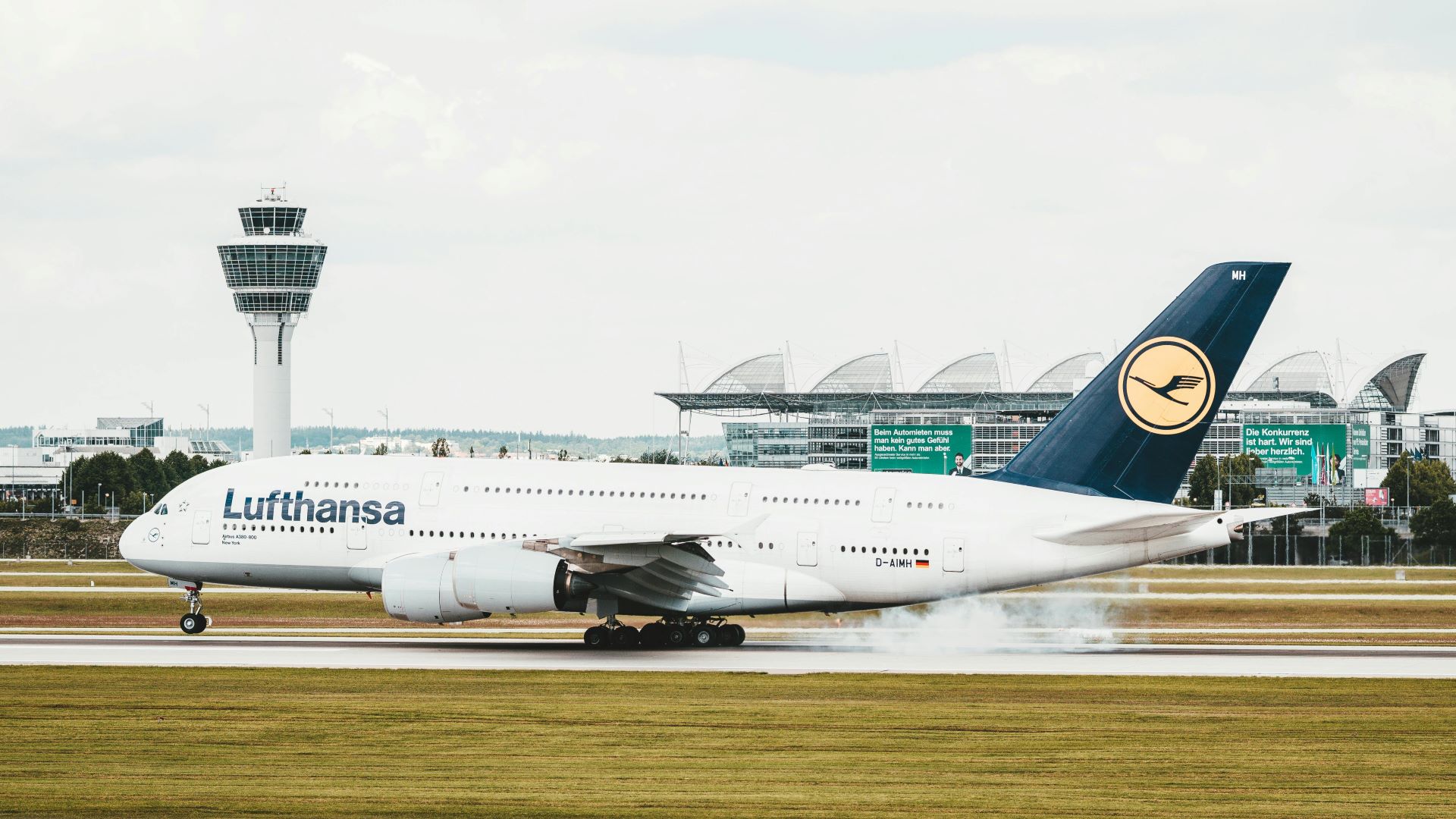
Convenience, Connectivity, and Flexibility
Convenience extends beyond airport proximity and flight schedules. It encompasses network connectivity, flexibility in handling disruptions, and the availability of support services. Budget airlines often excel in dense short-haul networks, enabling rapid point-to-point travel. Yet, their reliance on secondary airports, strict boarding procedures, and minimal staffing can create challenges during disruptions. A delayed flight can cascade into missed connections, leaving passengers to navigate rebooking independently.
Full-service carriers, by contrast, benefit from hub-and-spoke networks and code-sharing agreements, offering smoother connections and contingency options. If a flight is delayed, staff can rebook passengers on alternative routes, often without additional cost. For travelers bound by time constraints—whether for business meetings, academic schedules, or connecting flights—this reliability can outweigh the lower fare offered by budget airlines.
Scenario analysis illustrates the difference. A traveler flying from London to Johannesburg with a tight connection through a budget airline may face a cascade of fees and logistical challenges in the event of a delay. The same journey with a full-service carrier provides coordinated transfers, customer support, and the reassurance of a structured response, justifying the premium fare in terms of convenience and reduced stress.
Psychological Value and Passenger Experience
The perception of value is as much psychological as financial. Passenger comfort, predictability, and perceived quality profoundly influence satisfaction. Full-service carriers offer a consistent environment with attentive staff, spacious seating, and reliable amenities. This predictability reduces anxiety, allowing travelers to focus on work, leisure, or rest rather than logistics.
Budget airlines, while efficient, may induce stress in passengers unaccustomed to self-service check-ins, stringent baggage limits, or unexpected fees. Even small irritations—a cramped seat, a delayed flight, or a miscommunication about baggage—can diminish the perceived value of the journey, regardless of the initial cost savings.
Amenities that impact experience extend beyond tangible services. In-flight entertainment, legroom, meal quality, and cabin ambiance influence overall satisfaction. Passengers often report that small comforts—such as the ability to recline fully, enjoy a meal without charge, or access a lounge—significantly enhance the journey. These factors underscore that value is not solely financial but experiential.
Environmental Considerations and Emerging Trends
In recent years, environmental awareness has emerged as an important factor in evaluating airline value. Budget airlines, with high aircraft utilization and point-to-point networks, often boast fuel efficiency advantages on short-haul routes. However, the increasing popularity of long-haul low-cost flights raises concerns about carbon emissions per passenger.
Full-service carriers are responding with innovations such as fuel-efficient aircraft, sustainable aviation fuels, and carbon-offset programs. Meanwhile, hybrid models are emerging, blending low-cost efficiency with select full-service perks. Budget airlines increasingly offer premium add-ons, loyalty incentives, and environmentally conscious options, while full-service carriers refine à la carte offerings and premium economy solutions to capture diverse traveler segments.
These innovations illustrate that the aviation industry is evolving beyond a binary choice. Travelers are increasingly able to select options that align with cost, convenience, and environmental values, creating a more nuanced understanding of value in air travel.
Making the Right Choice
Ultimately, the choice between budget and full-service carriers is deeply personal. Traveler profiles help inform this decision:
Tools such as flight comparison engines, aggregator platforms, and airline websites allow travelers to calculate total costs, evaluate services, and plan strategically. Awareness of hidden fees, careful consideration of route efficiency, and understanding personal priorities empower travelers to maximize value, balancing cost with convenience and experience.
Value is Contextual
Air travel is no longer a question of price alone. Budget airlines offer extraordinary affordability and flexibility, while full-service carriers deliver comfort, reliability, and a comprehensive journey. The true measure of value lies in aligning choices with personal priorities, considering both tangible and intangible factors, and recognizing that the lowest fare does not always equate to the best experience.
As the aviation landscape continues to evolve—with hybrid models, environmental considerations, and innovative service structures—the discerning traveler is best served by an analytical, strategic approach. By evaluating the full spectrum of costs, conveniences, and experiences, passengers can navigate air travel confidently, securing journeys that satisfy both the wallet and the soul.
Gerald Ferreira
Our travel editorial desk specializes in uncovering the best flight deals and destination insights within South Africa. We bring you first-hand updates on airline industry moves and budget travel hacks.
More From Uncategorized

Budget Airlines, Big Adventures: How Low-Cost Carriers Are Democratizing Global Travel

Airline Alliances Explained: How Codeshares and Partnerships Shape Your Journey

Aviation vs Conservation: The Tension Between Tourism Growth and Environmental Impact
Stay Informed, Stay
Ahead of the Curve
We don't just follow the headlines — we dive deeper. Our well-researched content is designed to empower you with the knowledge needed to navigate an industry shaped by innovation.
Seasoned Professionals
Industry stats and market performance metrics.