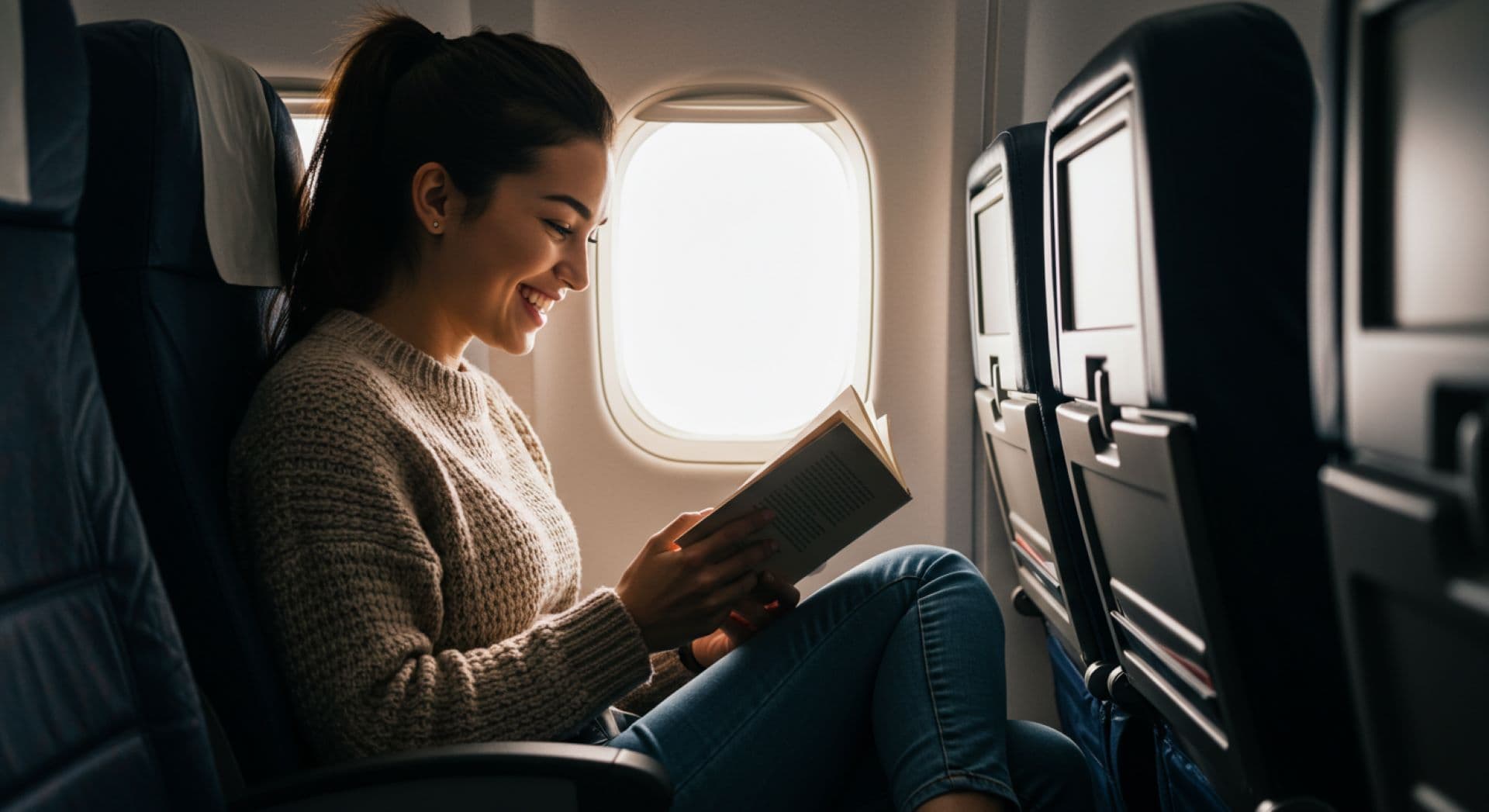
Travel has become an increasingly integral part of modern life. Whether it’s for business, leisure, or personal discovery, hopping onto a plane and exploring a new destination is an experience that many crave. However, for decades, the cost of air travel posed a significant barrier for those with limited budgets. Traditional airlines, with their higher fares and extensive add-on costs, often made traveling by air seem like a luxury rather than a right.
Enter the budget airline model—a game-changer that has transformed the travel landscape by offering more affordable flights to a wider range of destinations. Budget airlines have opened the skies to millions who might otherwise remain grounded, providing greater choice and flexibility. From quick domestic getaways to international adventures, these carriers are making it possible to explore the world without breaking the bank.
In this comprehensive guide, we’ll delve into the rise of budget airlines and examine why they’ve become so popular. We’ll explore their advantages, address potential challenges, and highlight practical tips to help you get the most out of your low-cost travel experience. We’ll also compare budget carriers to their traditional counterparts and discuss what the future might hold for this continually evolving sector. By the end, you’ll be equipped with a deeper understanding of the budget airline phenomenon—and the confidence to book your next trip knowing exactly what to expect. Whether you’re a seasoned traveler or just starting to take your first steps abroad, budget airlines can help make your dream destinations more accessible and affordable than ever before.
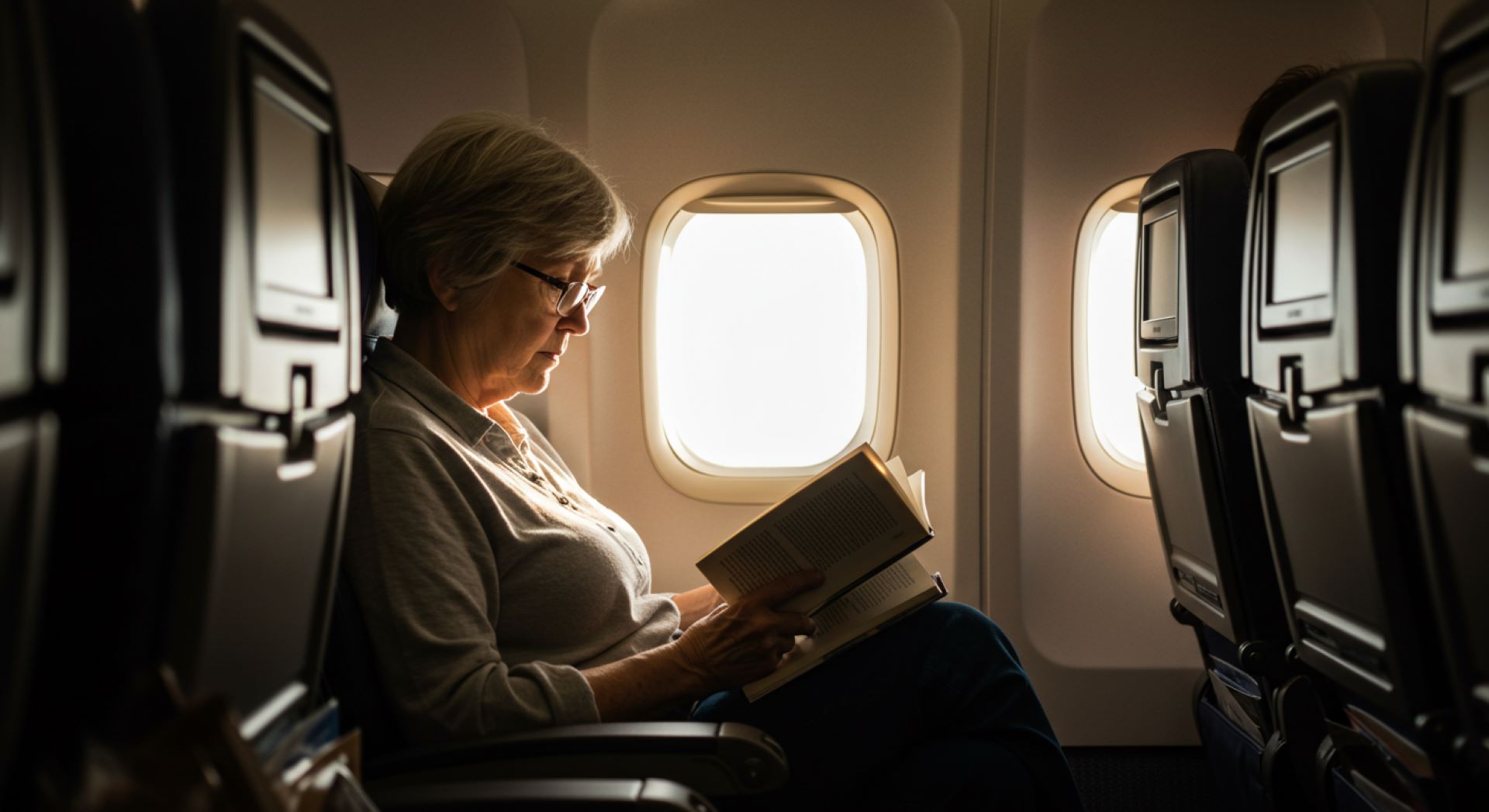
The Rise of Budget Airlines
Budget airlines, also known as low-cost carriers (LCCs), have reshaped the aviation industry in a relatively short span of time. To understand how they became so influential, it helps to look back at their origins. While there were earlier attempts at offering cheaper flights, Southwest Airlines in the United States is often credited with pioneering the modern low-cost model in the early 1970s. By focusing on short-haul routes and a simplified, no-frills service, Southwest demonstrated that airlines could offer significantly lower fares if they kept operating costs to a minimum.
Following Southwest’s success, the budget airline model spread across continents. Europe saw the rise of carriers like Ryanair and easyJet in the 1990s, which capitalized on deregulation within the European Union. This deregulation allowed airlines to fly freely between member states, unleashing fierce competition and driving down ticket prices. In Asia, AirAsia and other regional low-cost carriers emerged, tapping into the continent’s rapidly growing demand for affordable travel. Their expansion introduced a generation of first-time flyers to air travel, providing connectivity to smaller airports that were previously overlooked by traditional airlines.
Several factors contributed to the popularity of budget airlines. First, shifting consumer behavior demonstrated that many passengers were willing to forgo certain luxuries in exchange for lower fares. This gave airlines the freedom to drop costly extras like in-flight meals or complimentary luggage allowances. Second, operational efficiencies—such as quicker turnaround times, streamlined fleets, and point-to-point route structures—reduced overhead expenses, making flights cheaper to operate. These savings were then passed on to the customer in the form of lower ticket prices.
Additionally, aggressive marketing campaigns and an emphasis on online ticket sales helped budget airlines outmaneuver more established competitors. By promoting flash sales and limited-time deals, they generated buzz among price-conscious travelers. The ability to book flights directly from an airline’s website also eliminated third-party distribution costs, further reducing fares.
As a result, budget airlines have not only disrupted traditional carriers but have also expanded the overall market for air travel. People who once found air travel prohibitively expensive now consider it a viable option. Today, low-cost carriers operate on nearly every continent, bridging distances and connecting travelers to new experiences—sometimes in locations that were difficult or expensive to reach before. This global rise of budget airlines has democratized travel, making it more accessible and inspiring an entire generation of explorers to take flight.
Advantages of Choosing Budget Airlines
Budget airlines have enjoyed phenomenal success largely because of the tangible benefits they offer to travelers. For many, the most compelling advantage is affordability. Traditional carriers often charge premium fares that include various extras—like complimentary checked luggage or in-flight meals—even for passengers who may not want them. In contrast, budget airlines operate under an à la carte pricing model, allowing you to pay only for the services you actually use. This often means a base fare significantly lower than that of full-service airlines, and travelers can add on extras if and when they desire.
Cost benefits also extend beyond the initial ticket purchase. Budget airlines frequently run promotions, flash sales, and seasonal discounts to fill seats and boost revenue. These promotions can be great opportunities for travelers willing to keep an eye on fare alerts or plan spontaneous getaways. It’s not uncommon to find round-trip flights for a fraction of what traditional airlines charge, especially if you’re flexible with dates and destinations.
Another key advantage is flexibility. Because of their lower fares, budget carriers make it easier for travelers to plan short-notice trips or weekend getaways without a hefty financial commitment. This spur-of-the-moment travel culture appeals to young adventurers, students, and even busy professionals looking for a quick escape. The widespread network of routes offered by many low-cost airlines can open up destinations that aren’t always served by major carriers—particularly smaller cities or less trafficked airports that can be ideal for unique travel experiences.
Additionally, by operating lean and focusing on point-to-point routes rather than complex hub-and-spoke systems, budget airlines often offer more direct flights to secondary airports. This can be especially appealing if you’re traveling to a region that’s off the usual tourist trail. Less crowded airports can mean shorter lines at security and passport control, as well as easier connections to nearby towns or cities.
Lastly, budget airlines frequently contribute to increased tourism in areas they serve, benefiting local economies and further enhancing the travel experience with new attractions, accommodations, and services for incoming visitors. With lower costs, broader route networks, and an evolving service model, budget airlines have changed the mindset around air travel—shifting it from a costly luxury to a more routine and accessible option.
Challenges and Considerations
Despite their clear advantages, budget airlines also come with a set of challenges and considerations that travelers should be aware of. One common misconception is that a cheap ticket means inferior service or less reliable operations. While it’s true that budget airlines maintain low fares by reducing expenses in certain areas—like free checked baggage or in-flight entertainment—it doesn’t necessarily mean they compromise on safety. In fact, they operate under the same regulatory requirements as traditional carriers and often utilize newer aircraft fleets to maintain efficiency and reliability.
However, potential downsides do exist. Hidden fees are among the most frequent complaints. What starts as a low base fare can quickly add up if you opt for extras such as reserved seating, on-board meals, priority boarding, or multiple checked bags. Passengers may also face strict baggage policies with weight and size limits that, if exceeded, result in hefty surcharges at the airport. It’s crucial to read the airline’s policies in advance and plan accordingly to avoid any surprise costs.
Comfort is another factor to consider. Budget airlines often use high-density seating layouts to maximize the number of passengers on each flight, which can mean less legroom and fewer onboard amenities. For short-haul flights, many travelers find this acceptable, but longer journeys might be more challenging. Additionally, budget airlines sometimes operate out of secondary or more remote airports to lower their overhead costs. While this can be an advantage if you’re visiting a lesser-known area, it can also mean longer ground transfers and limited transport options to city centers.
To navigate these challenges and get the most value out of your budget airline experience, a bit of strategic planning goes a long way. Start by carefully reading all fare rules and baggage allowances before booking. Pack efficiently using compression bags or minimalist packing lists, and weigh your suitcase at home to ensure you meet the airline’s requirements. Consider whether you really need extras like seat selection, especially for short flights where you might be willing to accept a random seat. Lastly, always arrive at the airport early—budget airlines are often strict about check-in and boarding deadlines to ensure their flights depart on time.
By staying informed and proactive, you can sidestep many of the pitfalls associated with low-cost carriers and focus on the main objective: traveling affordably and exploring new destinations with fewer financial constraints.
How Budget Airlines Make Travel More Accessible
Budget airlines have fundamentally altered the travel ecosystem by making flying a feasible option for a broader spectrum of people. For starters, their lower fares are particularly appealing to individuals and families on tight budgets, such as students, retirees, and young professionals. Rather than allocating a significant portion of their income to transportation, these travelers can now distribute their funds across accommodations, dining, or cultural experiences at their destination. This shift not only makes travel more inclusive but also enriches each trip by allowing adventurers to participate in a wider array of activities upon arrival.
Moreover, the expanded route networks of many low-cost carriers bring air travel closer to communities that traditional airlines may overlook. Secondary or regional airports, often ignored by major carriers, become new gateways to both domestic and international adventures. This development revitalizes local economies, as incoming tourists spend money on lodging, dining, and attractions. At the same time, local residents gain access to global destinations without having to trek to a distant major airport. The ripple effects of this enhanced accessibility can be profound—communities can cultivate stronger cultural ties, increase commerce, and enjoy a host of fresh business and employment opportunities in the tourism sector.
Travelers’ personal stories highlight these transformative effects. Take, for instance, the case of a student who used a budget airline to take a short weekend trip from Germany to Italy for as little as the cost of a nice dinner. Or consider a group of friends in Southeast Asia who, thanks to budget carriers like AirAsia, were able to hop between tropical islands at a fraction of the usual price. These anecdotes illustrate how low-cost airlines are breaking down traditional barriers to travel, empowering people to explore continents, immerse themselves in different cultures, and build unforgettable memories.
Budget airlines have also sparked a cultural shift in the way people view air travel. Flying is no longer reserved for special occasions or once-in-a-lifetime journeys; it can be as commonplace as taking a bus or train in many parts of the world. This normalization of flying fosters a generation that is more global in outlook—one that readily embraces cross-border collaboration, cultural exchange, and international friendships.
In essence, budget airlines serve as enablers, fueling a newfound sense of wanderlust and possibility. By significantly lowering costs and improving access, these carriers don’t just offer cheaper tickets; they open doors to dream destinations, personal growth, and life-changing experiences for a much wider audience.

Comparison with Traditional Airlines
As budget airlines continue to redefine the air travel landscape, comparisons with traditional (full-service) airlines become inevitable. Traditional carriers often build their reputation on comprehensive services that cater to passengers’ comfort and convenience. From spacious seating and complimentary checked luggage to in-flight meals and entertainment, these perks come bundled into the fare. For frequent flyers, especially those traveling long distances or on business, these amenities can enhance the overall experience, making the higher ticket price worthwhile.
In contrast, budget airlines typically follow an unbundled pricing strategy, where the base ticket cost covers transportation from point A to point B, and extras come at an additional charge. This approach can be extremely cost-effective if you’re willing to forego certain luxuries. Passengers who don’t mind a tighter seat pitch or who prefer to bring only a carry-on can secure rock-bottom fares that full-service airlines generally can’t match. Furthermore, because budget carriers focus on point-to-point routes, they often reduce layovers and shorten total travel times for certain city pairs that are less likely to be served directly by traditional airlines.
However, the service gap between budget and traditional carriers can be significant in some areas. Travelers who value comfort—such as families with young children, seniors, or business professionals—might prefer the extras that come standard with traditional airlines. Priority boarding, lounge access, and loyalty programs that accumulate miles toward free flights or upgrades can be a strong draw for those who fly frequently. Traditional airlines also tend to have a more robust route network and stronger global partnerships, making them more reliable for complicated itineraries or destinations requiring multiple connections.
Ultimately, the choice between budget and traditional airlines often hinges on the nature of the trip, personal preferences, and budget constraints. For a quick weekend getaway, a no-frills ticket might be all you need. If it’s a long-haul flight or an important business trip, the comfort, services, and even the reliability of a traditional airline might justify the extra expense. Many travelers opt for a hybrid approach: using low-cost carriers for short-haul or leisure flights while choosing traditional carriers for business or when in-flight comfort is paramount.
In the end, the existence of both models widens the range of options available. Travelers are free to select what best fits their needs—whether that’s an ultra-low fare or a more premium experience—and this freedom of choice is a win for anyone seeking to explore the world on their own terms.
Tips for Traveling with Budget Airlines
If you’re new to flying low-cost or simply looking for ways to get more bang for your buck, a few strategic steps can help you maximize savings and comfort when traveling with budget airlines. Below are some practical tips:
Book Early and Set Fare AlertsBudget airlines frequently release promotional fares in advance, making early booking a reliable method to snag the best deals. Subscribing to fare alerts or newsletters ensures you’re among the first to know about flash sales and limited-time offers.
Be Flexible with Dates and AirportsAirfares can vary significantly depending on the day of the week and the airport you depart from. If your schedule permits, experiment with different travel dates to find the cheapest options. Likewise, consider flying into or out of secondary airports if they’re conveniently located near your destination.
Understand the Baggage PolicyEach low-cost carrier has its own rules regarding carry-on and checked luggage. Familiarize yourself with weight limits and dimensions to avoid costly fees at the airport. Weigh your bags at home and be prepared to pack efficiently, using space-saving techniques like rolling clothes or using packing cubes.
Opt for Online Check-InSome budget airlines charge for airport check-in or printing boarding passes. Complete your check-in online and store your boarding pass on your phone or print it at home to save both time and money.
Pack Your Own SnacksWhile many budget airlines offer food for purchase onboard, the prices can be marked up. Bringing your own snacks and empty water bottle (to fill after security) can help you save while ensuring you have refreshments of your choice.
Be Aware of Seating OptionsSeat selection usually comes at a premium, but if you’re flexible, you can opt for random assignment at no extra cost. If sitting together is a priority—especially for families—factor in seat-selection fees when budgeting for your trip.
Arrive EarlyBudget airlines adhere to strict boarding policies and close check-in counters earlier than some traditional carriers. Arriving well before your flight departure ensures you won’t be caught off guard by any last-minute issues, like a crowded check-in area or longer-than-expected security lines.
By following these tips, you can mitigate common drawbacks associated with low-cost carriers and focus on the advantages: affordable fares, broad route networks, and the freedom to explore new destinations without straining your finances. A bit of preparation is all it takes to make budget airline travel both economical and enjoyable.
The Future of Budget Airlines and Accessible Travel
The budget airline model has already made a significant mark on global travel, and industry trends suggest it will continue to grow, shaped by advancing technologies and evolving consumer preferences. One area of rapid development is digital innovation. Airlines are investing in user-friendly websites and mobile apps that offer personalization, easy booking, and real-time updates. In the near future, expect to see more dynamic pricing algorithms that tailor fares to individual purchasing behaviors, as well as enhanced loyalty programs aimed at enticing return customers.
Aircraft technology is another frontier that promises to impact the budget airline sector. Manufacturers like Airbus and Boeing are introducing new designs and engine improvements that increase fuel efficiency and extend flight range. For example, next-generation aircraft can potentially open up long-haul, low-cost routes that were previously unfeasible. This could lead to more flights between continents at a fraction of current prices, further democratizing international travel.
However, with expanding reach comes new challenges. Environmental concerns are at the forefront, as aviation contributes to global carbon emissions. Many budget airlines are experimenting with measures to reduce their carbon footprint, such as offset programs, more efficient flight paths, and the use of sustainable aviation fuels. Travelers are increasingly mindful of their environmental impact, and this may influence flight choices and push airlines to adopt greener practices.
Competition will also intensify in the coming years. Legacy carriers, recognizing the success of low-cost models, have launched their own budget subsidiaries. In turn, established low-cost airlines are enhancing their offerings—like adding premium seats or partnerships with other carriers—to entice a broader customer base. Regulatory changes and airport slot availability will continue to play a role in dictating which routes budget airlines can serve, potentially leading to consolidation in the market.
Despite these challenges, the core appeal of budget airlines remains strong: affordable access to an ever-growing range of destinations. As more travelers embrace the concept of exploring without hefty financial burdens, it is likely that budget carriers will remain a driving force in aviation. They will need to balance cost-cutting measures with passenger comfort and environmental responsibilities, but their track record of innovation suggests they are well-positioned to adapt. Looking ahead, budget airlines are set to become even more deeply intertwined with the global travel fabric, ensuring that wanderlust remains within reach for millions of people around the world.

Budget airlines have reshaped the way we view travel. Once considered a luxury, flying has become a more attainable mode of transportation for students, families, and adventurers of every background. By operating lean business models and focusing on point-to-point routes, budget carriers have carved out a significant niche in the aviation industry, offering lower fares and access to destinations that might otherwise remain out of reach.
Throughout this article, we’ve examined the compelling history that led to the rise of budget airlines, explored their advantages, and outlined the potential pitfalls and how to avoid them. We’ve also compared their offerings to those of traditional airlines, providing insight into when and why each option might make sense for a particular trip. Finally, we looked ahead to the promising future of budget airlines—one shaped by technological advances, competitive challenges, and a global commitment to more sustainable travel solutions.
If you’re considering your next journey, don’t hesitate to explore the world of low-cost carriers. A bit of research, strategic planning, and awareness of airline policies can unlock affordable adventures that were once beyond the reach of many. Budget airlines continue to expand their routes, refine their operations, and open doors to new experiences—proving that travel doesn’t have to be a privilege reserved for the few. Embrace the possibilities, pack smart, and let the allure of accessible travel take you to places you’ve always wanted to see, all while staying firmly within your budget. Safe travels, and enjoy the freedom that budget airlines bring to modern exploration.
Elisha Roodt
Our travel editorial desk specializes in uncovering the best flight deals and destination insights within South Africa. We bring you first-hand updates on airline industry moves and budget travel hacks.
More From Cheap Flights

The Corridor Between Ordinary Life and Extraordinary Places
Exploring how commercial flights act as psychological transitions, shifting travellers from daily routine into a mindset of discovery.
Future of Sustainable Aviation Fuel Explained
Airlines are investing in sustainable aviation fuel, but scalability and cost remain major challenges for tourism and global flight networks.

The Evolution of Airline Loyalty: Tourism in the Age of Frequent Flyer Programs
Stay Informed, Stay
Ahead of the Curve
We don't just follow the headlines — we dive deeper. Our well-researched content is designed to empower you with the knowledge needed to navigate an industry shaped by innovation.
Seasoned Professionals
Industry stats and market performance metrics.