
Long-haul air travel has become an integral part of modern tourism, enabling explorers to reach far-flung destinations with relative ease. However, the experience of extended time spent in an aircraft cabin presents unique challenges to travellers’ health and wellbeing. Understanding these challenges and adopting strategies to mitigate their effects is essential not only for a more comfortable journey but also for maintaining long-term health. This article delves into the multifaceted relationship between flight tourism and health, focusing on how to manage wellbeing during long-haul travel.
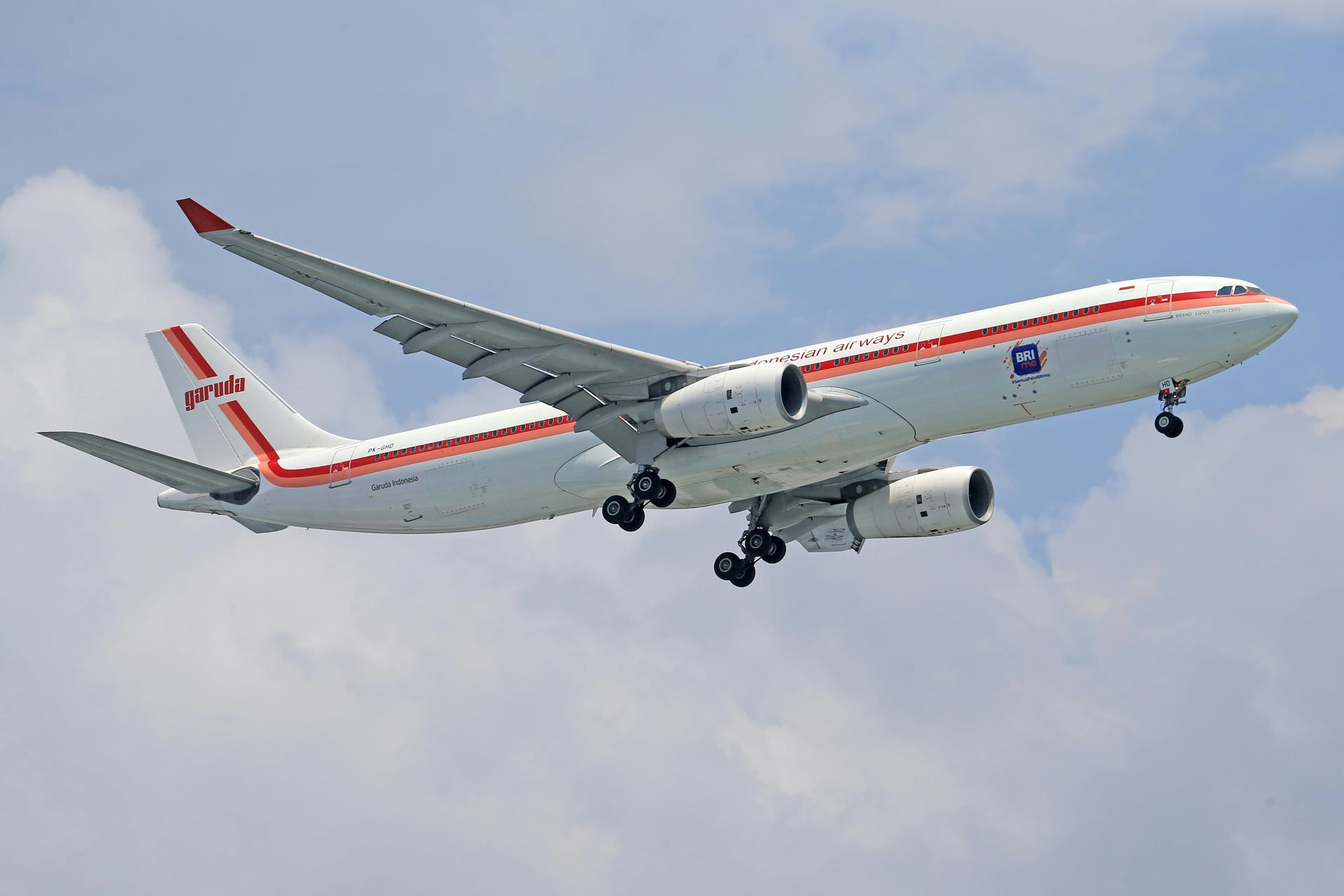
The Rise of Long-Haul Flight Tourism
Globalisation, advancements in aviation technology, and the desire to explore diverse cultures have all contributed to the boom in long-haul tourism. Flights crossing multiple time zones are now commonplace for holidaymakers, business travellers, and adventure seekers alike. Destinations once considered remote or difficult to reach are now accessible within a single day of travel, transforming the travel landscape.
Yet, the benefits of convenience come with physiological and psychological challenges that demand attention. Air travel environments are inherently unnatural to the human body, and long durations spent in confined spaces, often with limited mobility and altered schedules, can have tangible impacts on health.
The Physical Challenges of Long-Haul Flights
One of the most commonly discussed health concerns during long-haul flights is Deep Vein Thrombosis (DVT). This condition occurs when blood clots form in the deep veins, typically in the legs, due to prolonged immobility. The risk increases with flight durations exceeding four hours, as the stagnant blood flow can lead to clot formation. Though DVT is rare, its seriousness warrants preventive measures, such as periodic leg movement and hydration.
Beyond DVT, the low cabin pressure and reduced oxygen levels in aircraft can cause mild hypoxia, leading to symptoms such as fatigue, headaches, and dizziness. While healthy travellers usually adapt without severe consequences, those with pre-existing respiratory or cardiovascular conditions may experience exacerbated symptoms.
Dehydration is another common issue during long-haul flights. The low humidity inside aircraft cabins, often less than 20%, promotes fluid loss through the skin and respiratory tract. Without adequate hydration, passengers can experience dry skin, nasal irritation, and increased tiredness, all of which detract from the travel experience.
Jet Lag and Circadian Rhythm Disruption
Crossing multiple time zones disrupts the body’s internal clock, or circadian rhythm, a phenomenon widely recognised as jet lag. This desynchronisation results in sleep disturbances, impaired cognitive function, digestive issues, and mood changes. The severity of jet lag depends on factors such as the number of time zones crossed, direction of travel, and individual susceptibility.
Jet lag does not only affect comfort; it can impair decision-making and increase vulnerability to illness. For frequent travellers, the cumulative effects of repeated circadian disruption can have more profound health consequences, including metabolic and cardiovascular risks.
Psychological Impacts of Extended Air Travel
The confined space, lack of privacy, and limited social interaction during long-haul flights can contribute to stress and anxiety. For some, the anticipation of travel combined with these factors can lead to feelings of claustrophobia or travel-related stress disorders.
Moreover, the sensory environment within the cabin — including background noise from engines, bright lighting, and the absence of natural daylight — can strain passengers mentally. For sensitive travellers, these factors may amplify fatigue and reduce the capacity to relax or sleep effectively during the flight.
Strategies to Manage Physical Health During Long-Haul Travel
While long-haul flights pose challenges, many of the associated health risks can be managed proactively through practical strategies. Mobility is key: passengers are encouraged to stand, stretch, and walk the aisles periodically to promote circulation. Even simple seated leg exercises, such as ankle rotations or calf raises, can help prevent blood pooling.
Hydration should be prioritised by consuming water regularly and avoiding excessive caffeine or alcohol, both of which can exacerbate dehydration. Moisturising the skin and using saline nasal sprays can also alleviate dryness caused by low cabin humidity.
Selecting appropriate clothing can improve comfort and circulation. Loose-fitting attire and compression stockings are recommended for those at higher risk of circulation issues, while layering allows adaptation to changing cabin temperatures.
Additionally, planning meals with consideration to salt intake and avoiding heavy, fatty foods may help reduce bloating and digestive discomfort during and after the flight.
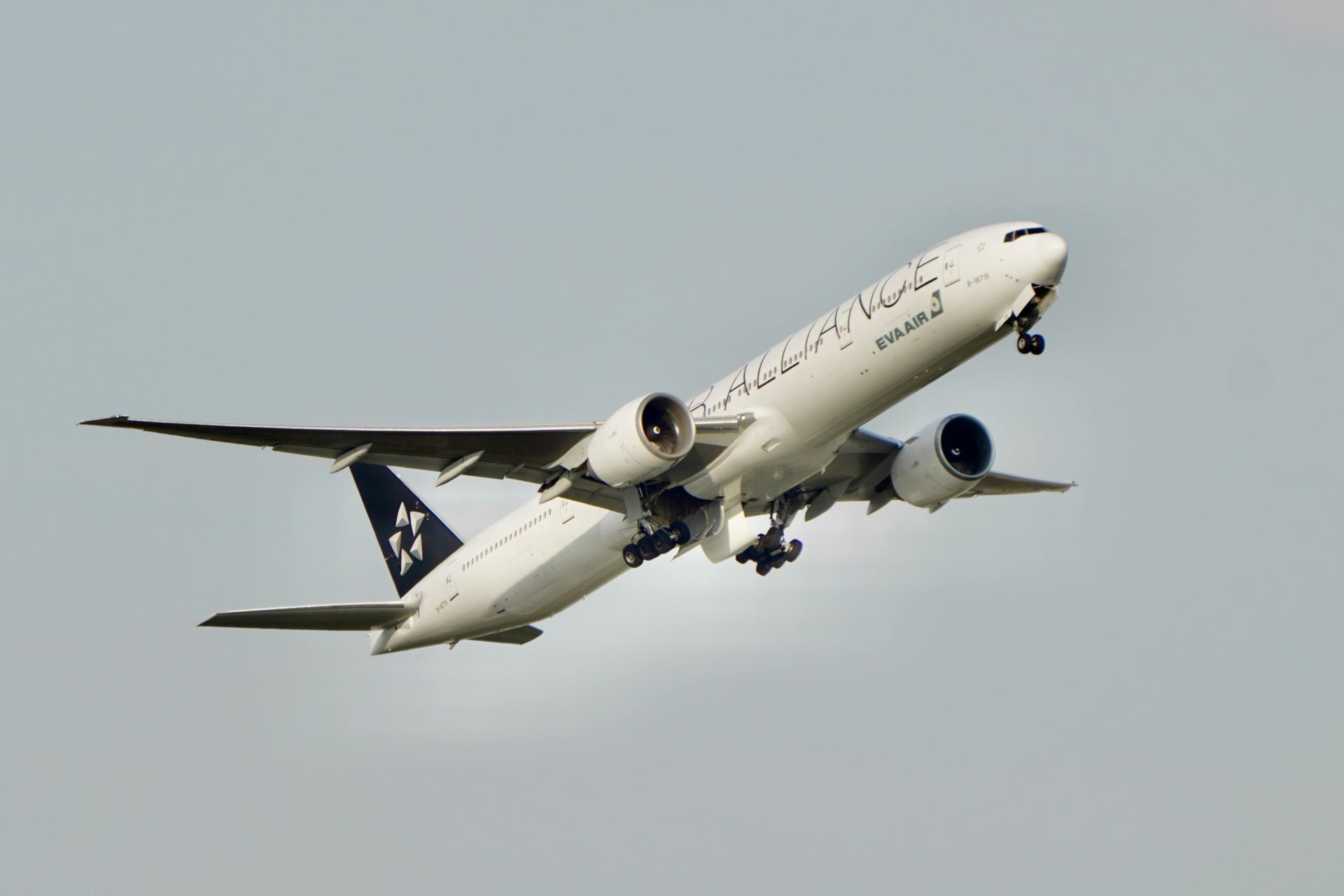
Coping with Jet Lag: Preparing Before, During, and After Travel
Managing jet lag requires a strategic approach encompassing preparation, in-flight behaviour, and post-arrival practices. Before departure, gradually adjusting sleep and wake times to align with the destination’s time zone can ease the transition. Exposure to natural light at the destination upon arrival helps reset the internal clock, with morning light advancing the circadian rhythm for eastward travel and evening light delaying it for westward journeys.
During the flight, passengers can adopt sleep aids such as eye masks, neck pillows, and noise-cancelling headphones to improve rest. Short naps may be beneficial but should be timed to avoid interfering with adjustment to the new time zone.
On arrival, staying hydrated, eating balanced meals, and resisting the urge to sleep during the day help the body acclimate. Light physical activity outdoors can combat fatigue and accelerate circadian adaptation.
Psychological Wellbeing: Enhancing Comfort and Reducing Stress
Mitigating psychological strain during flight tourism begins with preparation. Selecting seats that suit personal comfort preferences—whether aisle for mobility, window for resting, or bulkhead for extra legroom—can significantly improve the travel experience.
Mindfulness techniques and controlled breathing exercises help reduce anxiety and promote relaxation. Many travellers find meditation apps or calming music valuable tools in managing stress.
Engaging with fellow passengers or flight crew in a positive manner may also alleviate feelings of isolation. Meanwhile, entertainment options ranging from movies to puzzles offer distractions that keep the mind occupied during lengthy flights.
Innovations in Aviation to Support Passenger Wellbeing
The aviation industry is increasingly aware of health concerns associated with long-haul flights and has begun implementing design and service innovations to enhance passenger wellbeing. Newer aircraft models feature improved cabin pressurisation, higher humidity levels, and advanced air filtration systems that reduce fatigue and improve comfort.
Airlines are also investing in ergonomic seating designs and wellness-focused in-flight services, including better meal options and guided stretching routines. Premium cabins often offer sleep-enhancing amenities such as lie-flat seats, high-quality bedding, and noise reduction technologies.
Moreover, digital health technologies integrated into travel apps provide personalised advice on hydration, sleep, and activity, helping passengers proactively manage their health.
The Role of Travel Health Advisories and Pre-Travel Preparation
Travel health advice plays a pivotal role in preparing tourists for the physical and psychological demands of long-haul flights. Medical consultation prior to travel is advisable for individuals with underlying health conditions or concerns about specific risks such as DVT.
Vaccinations, medications, and preventive measures tailored to the destination and individual health profiles contribute to safer travel experiences. Travel insurance that covers health emergencies provides an additional layer of security, allowing travellers to enjoy their journey with greater peace of mind.
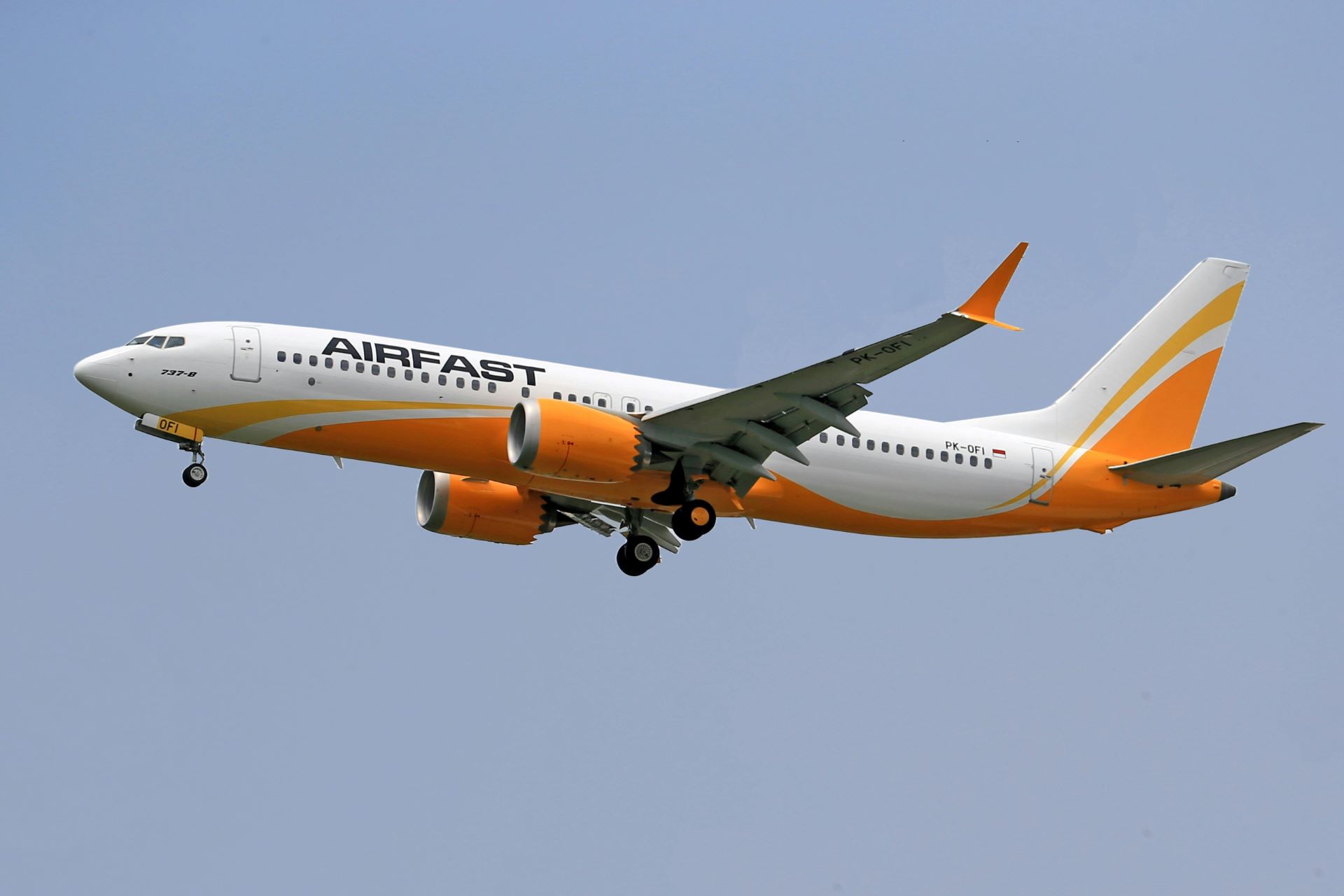
Embracing Healthy Flight Tourism
As flight tourism continues to connect people and places on an unprecedented scale, attention to health and wellbeing during long-haul travel remains paramount. Through informed preparation, mindful behaviours, and embracing industry innovations, travellers can minimise health risks and enhance their overall experience.
Balancing the excitement of exploration with prudent health management turns long-haul flights from a necessary challenge into a comfortable and even enjoyable part of the travel adventure. Ultimately, managing wellbeing at 35,000 feet allows travellers to arrive ready to immerse themselves fully in the destination and the experiences that await.
Elisha Roodt
Our travel editorial desk specializes in uncovering the best flight deals and destination insights within South Africa. We bring you first-hand updates on airline industry moves and budget travel hacks.
More From Travel Tips
How to Find Cheap Flights in South Africa
Learn how booking windows, timing strategies, and fare trends can help South Africans consistently find cheaper domestic and international flights.

Scenic Flight Tourism: Routes That Are Destinations
Explore how scenic flight routes turn commercial aviation into tourism experiences across mountains, coastlines and sunsets.

Flying Into Remote Coastal Wildlife Reserves: How Aviation Supports Ecotourism and Conservation
Discover how aviation connects travelers to remote coastal wildlife reserves, supporting ecotourism while safeguarding marine ecosystems.
Stay Informed, Stay
Ahead of the Curve
We don't just follow the headlines — we dive deeper. Our well-researched content is designed to empower you with the knowledge needed to navigate an industry shaped by innovation.
Seasoned Professionals
Industry stats and market performance metrics.