
Opening the Skies to Nature
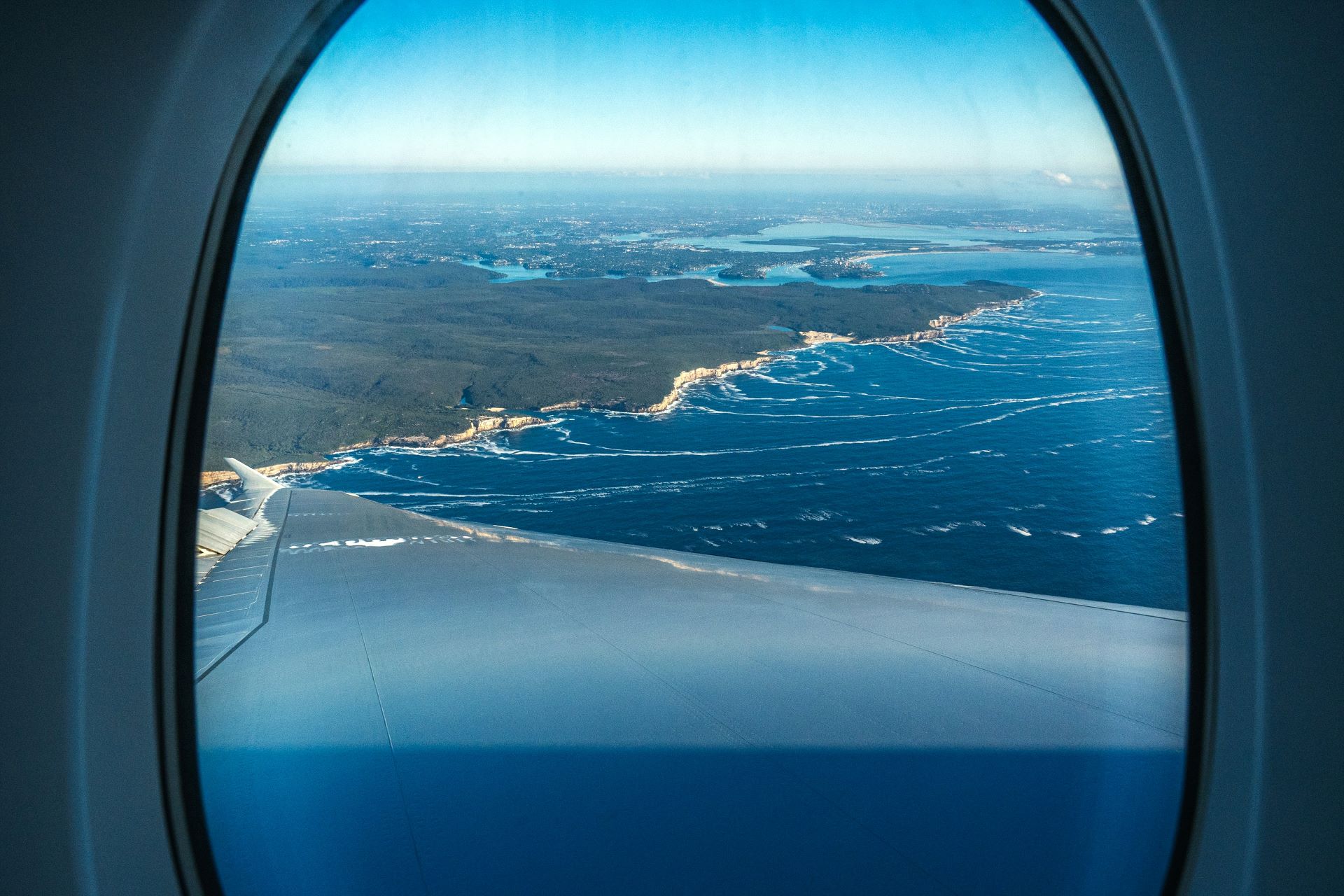
The hum of a propeller, the shimmer of sunlight across turquoise waters, and the first glimpse of a rugged coastline from above – flying into remote coastal wildlife reserves is more than just travel; it’s an immersion into the pulse of untouched ecosystems. Aviation has quietly become an indispensable tool for ecotourism, linking travelers to some of the world’s most isolated marine and coastal habitats. These flights, often over waters teeming with life or alongside cliffs hosting rare seabirds, offer passengers an unparalleled perspective on nature’s grandeur while simultaneously supporting conservation efforts.
Small aircraft operators, dedicated regional airlines, and charter flights have bridged the gap between urban hubs and remote reserves, transforming once-inaccessible destinations into viable ecotourism experiences. For conservationists, aviation is a lifeline. It enables rapid deployment of researchers and supplies, provides aerial monitoring of wildlife populations, and facilitates emergency interventions in fragile ecosystems. Tourism and conservation, often perceived as opposing forces, find harmony in these elevated pathways above the ocean.

The Role of Aviation in Ecotourism
Ecotourism thrives on access without intrusion. By enabling small groups to reach remote reserves efficiently, aviation reduces the environmental footprint compared to prolonged overland travel, which can damage habitats through construction, vehicle traffic, and human encroachment. Airlines focusing on eco-conscious operations prioritize fuel efficiency, limit passenger numbers, and often partner with conservation organizations to create holistic travel experiences that leave minimal ecological impact.
Travelers today seek more than a vacation; they crave experiences that resonate with purpose. Flying to a secluded coastal reserve offers exactly that – a journey where every takeoff and landing contributes to the understanding and protection of marine and coastal life. Pilots often double as eco-guides, pointing out breeding colonies, dolphin pods, or the migratory patterns of whales from the air, weaving education seamlessly into adventure.
Supporting Marine Protection Through Flight
Remote marine reserves present logistical challenges that are difficult to overcome without aviation. Surveying coral reefs, monitoring shark populations, and protecting endangered species require rapid access to specific coastal zones. Aircraft equipped with aerial imaging and GPS mapping allow conservationists to track changes in habitats over time, identify threats such as illegal fishing, and coordinate protective measures with local authorities.
Tourism flights often carry a dual purpose: passengers experience the majesty of nature firsthand, while a portion of ticket revenues flows into reserve management, anti-poaching initiatives, and habitat restoration projects. In this way, aviation acts as both a bridge and a backbone, enabling economic viability for remote communities while sustaining conservation priorities.
Case Studies in Coastal Ecotourism
Consider the isolated reserves along South Africa’s Wild Coast, where small charter flights bring travelers to sandy coves lined with endemic flora and nesting sites for rare seabirds. Here, aviation reduces the need for road construction that could fragment habitats and introduces visitors to local conservation projects.
Similarly, in parts of Namibia and Mozambique, regional airlines facilitate access to marine reserves known for their whale populations and coral reefs. Aerial tours allow for whale sightings and reef inspections without disturbing fragile ecosystems. These operations are increasingly designed to be low-impact, with strict noise regulations, limited daily flights, and environmentally responsible landing strips that preserve the natural landscape.
The Future of Aviation in Conservation Tourism
Technological advances in aviation, from hybrid-electric aircraft to drone-assisted surveys, are opening new possibilities for remote reserve access. Airlines are exploring ways to further reduce emissions and partner with ecotourism operators to offer immersive experiences that prioritize sustainability. Passenger engagement is also evolving, with pre-flight briefings on conservation challenges, onboard educational content, and the integration of citizen science initiatives, such as real-time wildlife monitoring apps.
As climate change and human encroachment threaten coastal ecosystems, aviation’s role in conservation becomes even more critical. The future of ecotourism lies in these symbiotic relationships, where travelers can explore remote wildlife havens while directly supporting the protection of marine and coastal biodiversity.
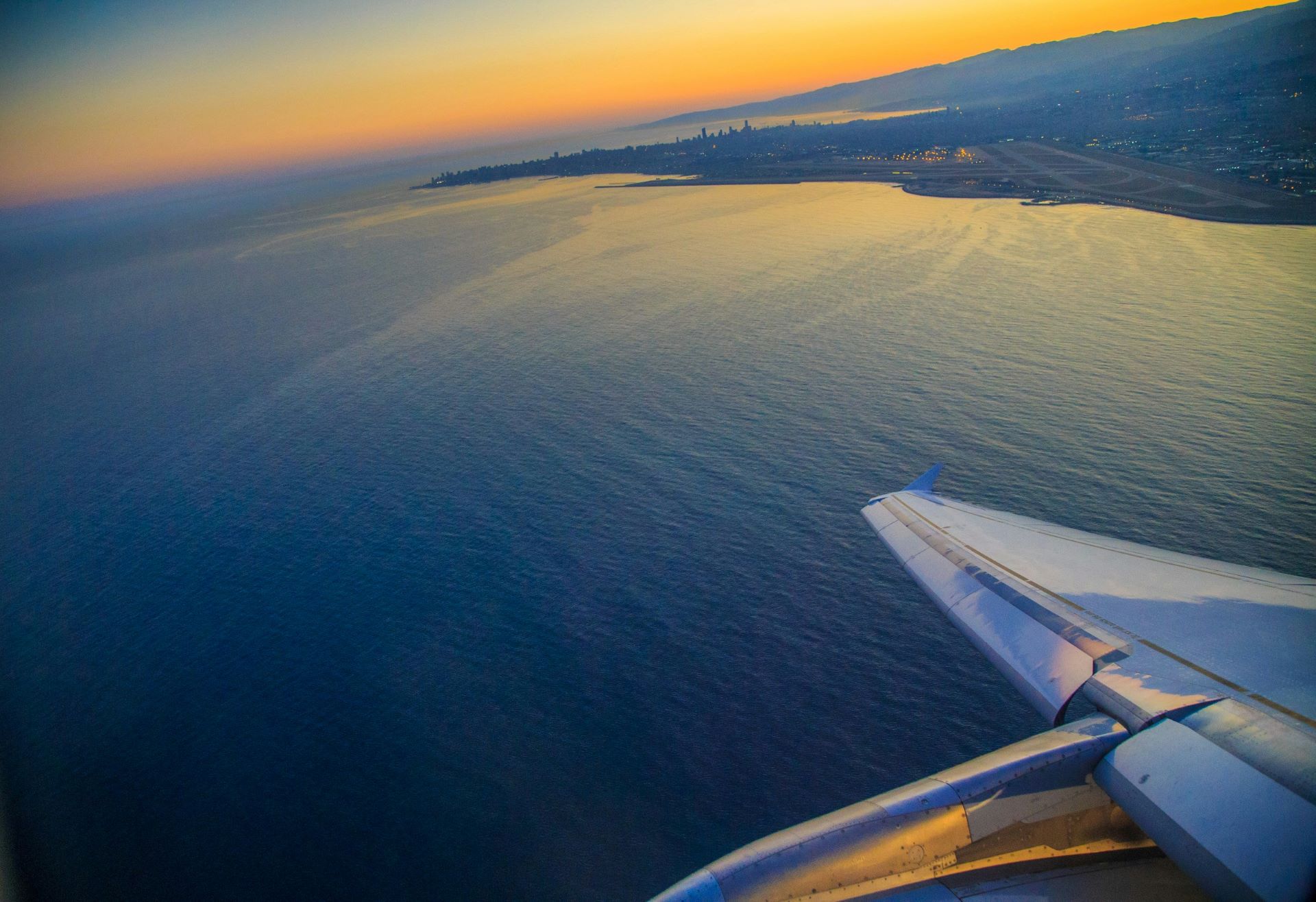
Flying into remote coastal wildlife reserves transcends ordinary travel. It is a journey that combines adventure with responsibility, offering glimpses of unspoiled nature while fostering the conservation of marine life. By integrating aviation with ecotourism strategies, these flights enable not only access but also stewardship, ensuring that future generations can marvel at these ecosystems from both sky and shore.
Through careful planning, sustainable operations, and meaningful partnerships between airlines, local communities, and conservation bodies, aviation proves that tourism and environmental protection can coexist. Every flight over a sparkling coastline or a hidden lagoon is a testament to a vision where exploration uplifts, educates, and preserves the natural world.
Elisha Roodt
Our travel editorial desk specializes in uncovering the best flight deals and destination insights within South Africa. We bring you first-hand updates on airline industry moves and budget travel hacks.
More From Travel Tips

Check Passenger Details Before Paying for Flights
Check passenger names, travel documents, contact details and each traveller in the booking before payment, so avoidable typing errors are caught early.

How to Find Cheap Flights in South Africa
Learn how booking windows, timing strategies, and fare trends can help South Africans consistently find cheaper domestic and international flights.

Scenic Flight Tourism: Routes That Are Destinations
Explore how scenic flight routes turn commercial aviation into tourism experiences across mountains, coastlines and sunsets.
Stay Informed, Stay
Ahead of the Curve
We don't just follow the headlines — we dive deeper. Our well-researched content is designed to empower you with the knowledge needed to navigate an industry shaped by innovation.
Seasoned Professionals
Industry stats and market performance metrics.