
Commercial air travel is the butterfly in the travel ecosystem whose flutter makes everything else possible. Every year millions of passengers around the world embark on journeys that thread together cities, cultures, coastlines and wild landscapes. Whether it’s a city‑hop through Europe’s capitals, a safari in the savannah followed by days on the beach, or a curated cultural circuit spanning continents, flights are the connective tissue that turns itineraries on paper into lived experiences.
This is more than the movement of passengers from point A to point B. For tour operators and airlines alike, strategically planned flights are a critical lever. They unlock new itineraries, elevate traveller comfort, expand market reach and ultimately define the very essence of modern multi‑destination tourism.
In this article, we explore how commercial airlines enable seamless multi‑destination tourism — from operational choreography and route networks to technology integration and evolving consumer expectations. We situate air travel not as a mere logistical detail, but as a cornerstone of experiential travel.

The Growth of Multi‑Destination Tourism
Multi‑destination tourism — where travellers visit two or more distinct destinations within a single trip — has become a defining trend of the 21st century. The rise of affordable air travel, globalisation of leisure time, and the proliferation of experiential travel narratives have changed how people plan and book holidays.
In the past, long stays in a single resort or city defined holidays. Today’s traveller is driven by curiosity and variety, seeking to combine landscapes, activities, and cultures. They might start in a cosmopolitan capital, traverse national parks for wildlife encounters, and finish with sun‑drenched days by the sea — all in one seamless itinerary.
Airlines play a central role in this evolution. Their route networks, frequency of flights, transit hubs and code‑share partnerships determine not only how many places a traveller can visit, but how efficiently, comfortably and affordably they can connect between them.
Route Networks as Frameworks for Exploration
The backbone of multi‑destination tourism is a reliable and extensive route network. Airline routes aren’t drawn randomly on a map. They are the outcome of commercial analysis, tourism demand forecasting, airport infrastructure capabilities and geopolitical considerations.
For the commercial airline, every new route is an investment. It must balance anticipated passenger demand with operational cost, competitive dynamics, and strategic value. But for the traveller and the tour operator, route networks determine the practical feasibility of complex itineraries.
Consider the archetypal “safari plus beach” package. To work smoothly:
• A passenger might fly internationally into a gateway city, then connect to a regional flight to an inland safari destination,
• Spend days exploring wildlife reserves,
• Then transition by air to a coastal destination for relaxation.
Without efficient inter‑regional flights and well‑timed connections, such tourism packages either become prohibitively long or logistically cumbersome.
Leading commercial airlines have built route ecosystems that make these journeys realistic. Hub‑and‑spoke systems, for instance, concentrate flights at central airports where passengers can transit between long‑haul international flights and regional services with minimal layover stress. Code‑share agreements and alliances further extend networks, enabling travellers to book a single ticket across multiple carriers and destinations.
Alliances and Partnerships: Expanding the Tourism Canvas
No airline is an island. In today’s aviation landscape, alliances and partnerships are critical enablers of multi‑destination tourism.
Airline alliances such as Star Alliance, oneworld and SkyTeam interlink carriers from different regions into cohesive networks. These relationships make ticketing simpler and more flexible, allowing tour operators to plan itineraries that span carriers and continents while maintaining a single booking reference.
For example, a cultural circuit spanning major cities in Africa and Europe might involve legs with multiple airlines. Without alliance integration, passengers would face separate bookings, potential baggage re‑check requirements, and disconnected customer service touchpoints. With alliances, frequent flyer benefits, coordinated schedules and streamlined baggage handling all contribute to a more seamless experience.
Beyond formal alliances, bilateral partnerships between airlines often unlock niche routes or seasonal services that are crucial for tourism. These arrangements can connect lesser‑served destinations to major hubs during peak travel periods, enriching the options available to travel designers and adventurous itineraries.
Scheduling: The Art of Timing Journeys
Flight timing matters as much as destinations. For multi‑destination tours, especially those that involve multiple legs within a short timeframe, airline scheduling becomes a form of choreography.
A traveller moving between three or four destinations in a 10‑day journey needs flights that align with sensible arrival and departure times. Long layovers, overnight waits, or schedule mismatches can turn excitement into fatigue.
Commercial airlines increasingly align schedules with tourism patterns. Seasonal route adjustments, early morning departures for popular connections and late‑night arrivals to leisure hubs are all part of making multi‑stop journeys more attractive and convenient.
For instance, the safari and beach combination itinerary thrives on timing. Guests might prefer morning arrivals at safari lodges to make the most of game‑viewing windows, followed by afternoon or sunset flights to beach destinations to maximise relaxation time. Airlines attuned to these preferences can adjust schedules accordingly, making packages more appealing.

Technology Integration: Booking Ecosystems and Travel Platforms
Airline technology platforms have matured far beyond simple reservation systems. Today’s commercial carriers invest heavily in digital ecosystems that integrate booking, ancillary services, customer communication, and loyalty programs.
For travel agents and tour operators, advanced airline technology means greater flexibility in packaging and selling multi‑destination trips. Tools like multi‑city booking engines, real‑time availability, dynamic pricing, and API integrations give operators the ability to assemble journeys that respond to traveller preferences and budget constraints.
Multi‑city flight search tools on airline websites and partner platforms reflect demand for complex itineraries. They allow travellers to explore combinations — for instance, Johannesburg to Nairobi, Nairobi to Zanzibar, and Zanzibar to Cape Town — in one seamless transaction. This technology not only simplifies the booking process for the traveller but also empowers tour designers to innovate with confidence.
In addition, mobile apps and digital notifications enhance the passenger experience by providing real‑time flight updates, gate changes, and connection reminders — all of which are critical in maintaining confidence when navigating multiple flights across borders.
Ancillary Services: Comfort and Convenience
Airlines increasingly recognise that multi‑destination travellers value comfort, convenience and predictability. As a result, ancillary services — from baggage handling to preferred seating and lounges — play a role in the attractiveness of airline tourism products.
Take baggage. In complex itineraries with multiple legs, the risk of lost or delayed luggage increases without integrated handling. Airlines and partners have responded with smart tagging, tracking options and transfer guarantees that reassure travellers and tour operators alike.
Similarly, premium services like expedited security, lounge access during long layovers and in‑flight amenities contribute to a more comfortable journey — turning what could otherwise be a series of airport waits into a more relaxed travel rhythm.
Case Study: Connecting Culture Capitals
Imagine a 14‑day cultural circuit that begins in Cape Town, travels to Marrakech, stops in Lisbon and ends in Barcelona. Each city has its unique allure — wine regions, historic medinas, artistic heritage and culinary landscapes.
Without efficient airline connections, such a journey might be logistically daunting. But commercial airlines with well‑timed hub connections and interline agreements can make this itinerary not only possible but commercially viable.
Passengers flying from Cape Town to Marrakech might transit through a European hub like Madrid or Paris. Well‑coordinated schedules ensure short layover times and predictable connections, enabling travellers to move between continents without stress.
In this scenario, airlines do more than move people. They knit together cultural experiences, create patterns of accessibility, and support the narrative arc of a rich, multi‑layered journey.
Sustainability and the Future of Air‑Based Tours
Air travel’s role in multi‑destination tourism comes with its share of environmental scrutiny. As global awareness of climate impact grows, airlines and tour operators face pressure to innovate responsibly.
Fuel efficiency, carbon offset programs, sustainable aviation fuels and operational improvements are all part of the industry’s response. While flights remain central to multi‑destination tourism, the ways in which carriers manage efficiency and emissions are increasingly relevant to travellers’ choices.
Tour operators are also responding by designing itineraries that balance flight segments with surface travel where feasible, encouraging longer stays in each destination, and partnering with carriers committed to sustainability initiatives.
The future of flights in tourism will likely be shaped not just by connectivity, but by how that connectivity aligns with environmental and social responsibility. Integration of sustainability into route planning, pricing and customer communication will be part of the narrative travellers expect.
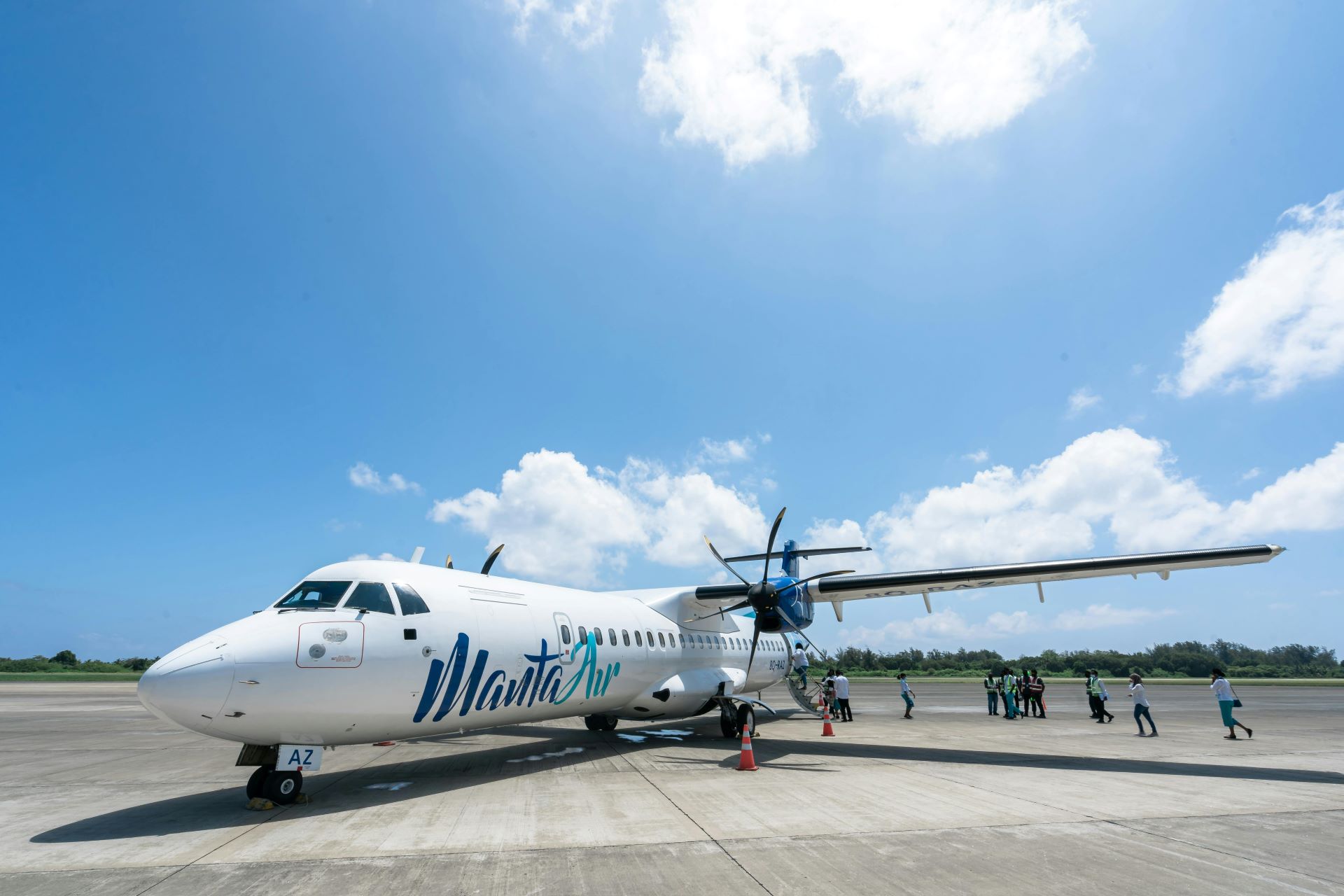
Flights as the Heartbeat of Multi‑Destination Itineraries
At its core, commercial air travel transforms the geography of possibility. It extends the reach of human curiosity and fuels tourism that spans continents and cultures. From the detailed planning of route networks and alliances to the seemingly small but impactful conveniences of modern flight technology, airlines are indispensable partners in crafting multi‑destination experiences.
Travel designers, tour operators and travellers themselves understand that the quality of air travel — its reliability, scheduling, comfort and connections — often defines the quality of the entire journey. In the evolving landscape of global tourism, flights are more than a service; they are the threads that tie together the tapestry of unforgettable multi‑destination adventures.
Gerald Ferreira
Our travel editorial desk specializes in uncovering the best flight deals and destination insights within South Africa. We bring you first-hand updates on airline industry moves and budget travel hacks.
Stay Informed, Stay
Ahead of the Curve
We don't just follow the headlines — we dive deeper. Our well-researched content is designed to empower you with the knowledge needed to navigate an industry shaped by innovation.
Seasoned Professionals
Industry stats and market performance metrics.