
Airlines no longer sell only seats. They sell anticipation, emotion and the promise of somewhere else. In a digital era where a single image can spark wanderlust and a short video can send bookings surging, social media has become one of the aviation industry’s most powerful tools. Platforms like Instagram, TikTok and YouTube have transformed how travellers discover destinations, perceive airlines and ultimately decide where and how to fly.
For airlines, social media is not just a marketing channel. It is a living showcase of experiences, a visual catalogue of destinations and a direct line into the imagination of future passengers. From cinematic route launches to influencer-led cabin tours, airlines are learning that inspiration often comes before intention. By the time a traveller searches for a fare, the dream has already been planted.
This article explores how airlines leverage social media to inspire travel, focusing on Instagrammable experiences, influencer partnerships and viral content that turns scrolling into booking behaviour.
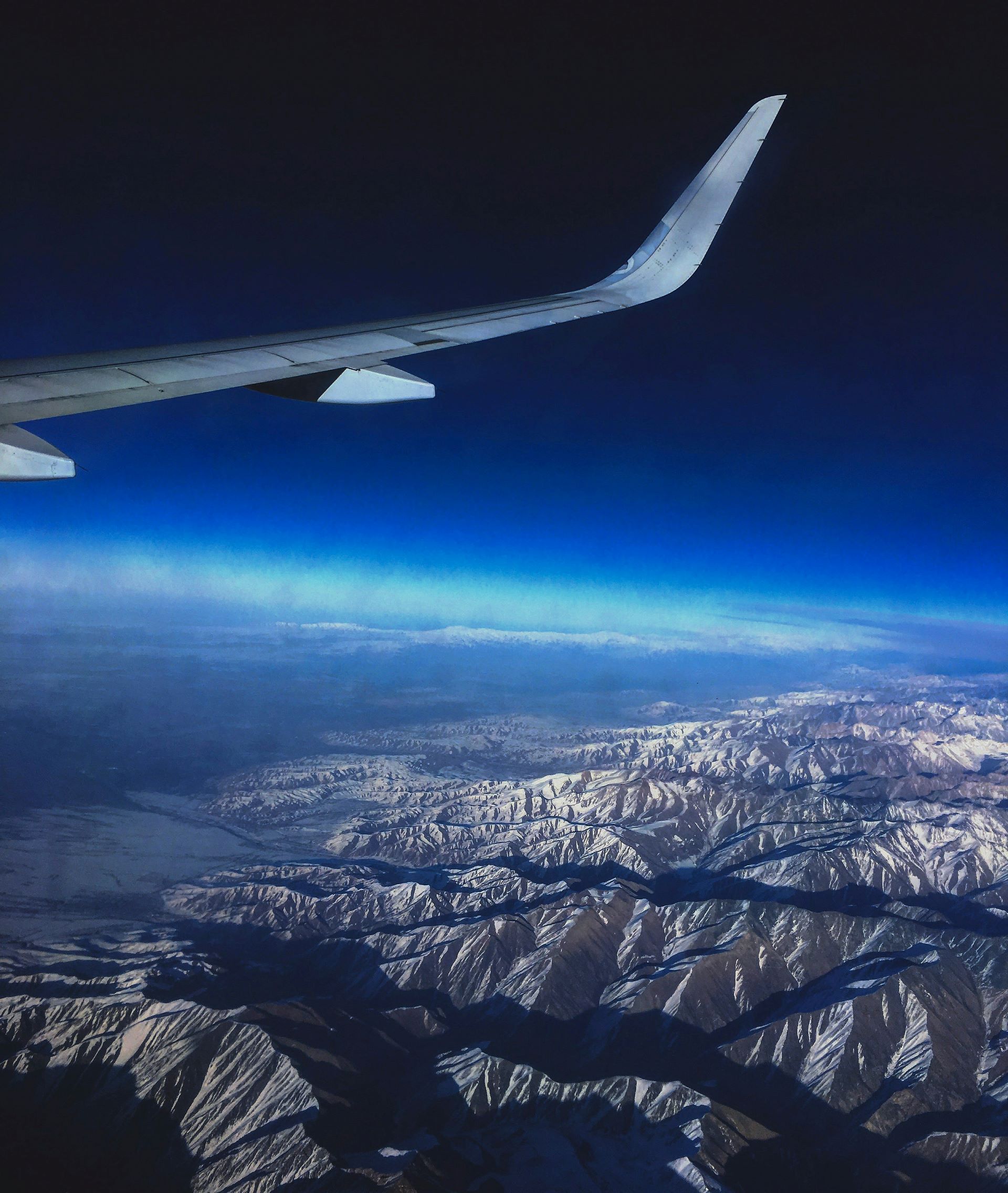
The Rise of Visual Travel Inspiration
Travel has always been aspirational, but social media has accelerated how aspiration spreads. A single photograph of a wing slicing through a cotton-soft sunset or a cabin bathed in warm mood lighting can reach millions within hours. For airlines, this shift has been profound.
Instagram in particular has reshaped the way destinations and journeys are marketed. Instead of glossy brochures or traditional ads, airlines now compete for attention in crowded feeds, where visual impact matters more than taglines. The most effective airline content rarely feels like advertising. It feels like discovery.
Airlines have responded by curating feeds that blend destinations, onboard experiences and lifestyle imagery. The aircraft is no longer just transport. It is part of the story. A window seat becomes a frame for landscapes. A meal tray becomes a design object. A business class suite becomes a private sanctuary in the sky.
This visual-first approach aligns perfectly with modern travel behaviour. Many travellers now choose destinations based on what they have seen online. A dramatic approach into Queenstown, a low-altitude island hop in the Maldives or a night arrival into Tokyo viewed from above can be enough to spark a desire to go. Airlines that capture these moments position themselves not only as carriers, but as gateways to unforgettable experiences.
Instagrammable Cabins as a Booking Trigger
One of the most significant shifts in airline social media strategy has been the focus on the onboard environment. Cabins have become content.
Airlines invest heavily in photographing and filming new seats, lighting systems and interior details, knowing these images often travel further than route announcements. A well-shot image of a lie-flat seat with a city skyline beyond the window can communicate comfort, luxury and destination appeal in a single frame.
Premium cabins have long dominated airline social media, but the approach has broadened. Economy class is increasingly presented as stylish, spacious and thoughtfully designed. Airlines highlight seat pitch, mood lighting, window views and even the texture of fabrics. These details resonate with travellers who want reassurance that the journey itself will be enjoyable.
The rise of the “cabin tour” has been particularly influential. Short-form videos walking viewers through an aircraft interior have become highly shareable. They demystify the experience and reduce uncertainty, especially for long-haul or first-time flyers. For airlines, these videos function as both inspiration and education, subtly nudging viewers closer to booking.
Lighting plays an outsized role in this visual strategy. Airlines carefully design and showcase cabin lighting that transitions from warm tones to daylight hues, creating images that feel calm and premium. When these visuals circulate on Instagram or TikTok, they reinforce the idea that flying with a particular airline is part of the holiday, not just a means to reach it.
Destinations Through an Airline Lens
Airlines occupy a unique position in the tourism ecosystem. They connect places, but they also frame how those places are seen. Social media allows airlines to act as storytellers, shaping destination narratives through their own perspective.
Rather than relying solely on tourism boards, airlines create destination content that feels personal and experiential. Cockpit views on approach, aerial shots of coastlines and time-lapses from the air offer angles travellers cannot easily access themselves. This perspective adds authority and novelty.
Airlines often align destination content with specific routes or seasons. A new summer service might be promoted with sun-drenched imagery, while a winter route is framed through snowy landscapes and cosy cabin shots. This contextual storytelling helps travellers imagine not just where they will go, but when and why.
Importantly, airlines rarely present destinations in isolation. The journey is woven into the narrative. A sunrise departure, a smooth climb and a gentle descent become part of the destination experience. This reinforces the airline’s role as an enabler of adventure and discovery.
In many cases, destination content also serves a strategic purpose. Routes that are newer or less familiar benefit from visual storytelling that reduces perceived risk. When travellers see real images of landscapes, cities and experiences shared by an airline they trust, unfamiliar destinations feel more accessible.
Influencer Partnerships in the Sky
Influencer marketing has become a cornerstone of airline social media strategies, but its execution requires nuance. Travellers are quick to spot inauthentic endorsements, especially in a sector where trust and safety are paramount.
The most effective airline influencer partnerships focus on storytelling rather than promotion. Influencers are invited to experience routes, cabins or destinations and share their journey in a way that aligns with their usual content style. The airline becomes part of the narrative, not the headline.
Travel influencers, photographers and aviation enthusiasts each play a distinct role. Travel influencers highlight lifestyle and destination appeal, photographers focus on aesthetics and composition, while aviation creators bring credibility and technical insight. By working with a mix of voices, airlines reach diverse audiences without repeating the same message.
Influencer content often performs well because it feels personal. A viewer watching an influencer settle into a seat, comment on legroom or react to a meal experiences the journey vicariously. This emotional connection can be more persuasive than traditional advertising.
Airlines also benefit from the secondary life of influencer content. A single sponsored trip can generate weeks of posts, stories and videos across multiple platforms. Each piece of content reinforces brand visibility and keeps the airline top of mind during the traveller’s decision-making process.
Crucially, many airlines now prioritise long-term relationships over one-off collaborations. Ongoing partnerships build familiarity and trust, making endorsements feel more genuine. When an influencer repeatedly flies with the same airline, audiences begin to associate that airline with reliability and quality.
Viral Travel Content and the Power of Shareability
Virality is unpredictable, but airlines increasingly design content with shareability in mind. Short, emotionally resonant videos perform particularly well, especially on platforms like TikTok and Instagram Reels.
These videos often focus on moments rather than messages. A dramatic take-off over water, a perfectly timed window view or a smooth landing in challenging conditions can capture attention instantly. The lack of overt branding makes such content feel organic, increasing the likelihood of sharing.
Some airlines lean into humour and relatability. Light-hearted content about boarding rituals, window seat preferences or travel anticipation resonates with frequent flyers. While subtle, this approach humanises the brand and encourages engagement.
Others focus on spectacle. Ultra-long-haul flights, polar routes or approaches into visually striking airports provide ready-made viral material. When shared widely, these clips not only entertain but also raise awareness of the airline’s network and capabilities.
Importantly, viral content often influences travel decisions indirectly. A viewer may not book immediately after watching a video, but the image or moment lodges in memory. Weeks or months later, when planning a trip, that airline feels familiar and appealing.
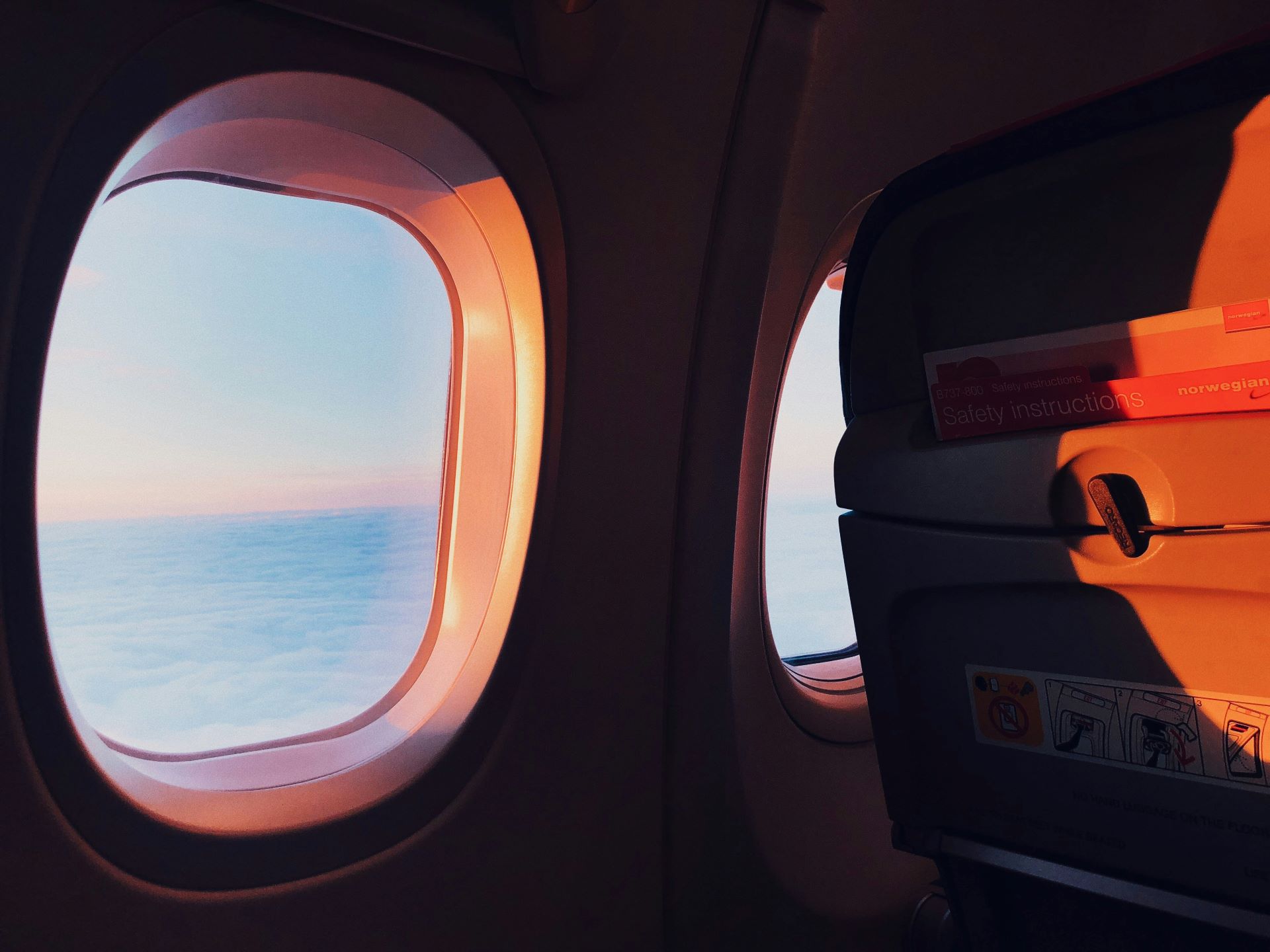
User-Generated Content as Social Proof
Airlines increasingly amplify content created by their passengers. User-generated content offers authenticity that brand-produced material cannot always replicate.
Reposting passenger photos and videos serves multiple purposes. It validates the traveller’s experience, encourages others to share their own content and creates a sense of community around the brand. It also provides airlines with a steady stream of diverse visuals from across their network.
From a consumer perspective, user-generated content functions as social proof. Seeing real people enjoying a flight, admiring a view or praising service builds confidence. It answers unspoken questions about what the experience is really like.
Many airlines actively encourage this behaviour through branded hashtags or campaigns inviting travellers to share their journey. When curated thoughtfully, these campaigns turn passengers into ambassadors and extend the airline’s reach far beyond its own channels.
User-generated content also allows airlines to showcase destinations in a more organic way. A candid sunset photo taken from a window seat or a spontaneous clip of a city arrival feels less staged and more aspirational.
Short-Form Video and the Compression of Inspiration
The rise of short-form video has changed how inspiration is delivered. Where once airlines relied on long-form promotional films, they now distil experiences into seconds.
This compression demands clarity. The opening moments must capture attention immediately, often with a striking visual or unexpected angle. For airlines, this has led to more experimental content, including rapid cuts, vertical framing and immersive perspectives.
Short-form video excels at conveying mood. Music, movement and light combine to evoke feelings associated with travel: calm, excitement, freedom. Even without sound, these videos can communicate atmosphere.
Airlines use this format to highlight everything from destination highlights to subtle cabin details. A few seconds of a seat recline or a meal being served can convey comfort more effectively than paragraphs of text.
Because these videos are easily shared, they spread quickly across platforms, reaching audiences who may not actively follow airline accounts. This passive exposure is particularly valuable for inspiring future trips rather than immediate bookings.
Aligning Social Media With the Booking Funnel
While inspiration sits at the top of the funnel, airlines increasingly connect social media content to measurable outcomes. The challenge lies in doing so without disrupting the emotional flow.
Many airlines use subtle calls to action embedded in captions or stories. A swipe-up link or a softly worded prompt directs interested viewers to explore routes or fares. When timed well, this approach captures intent without feeling intrusive.
Retargeting also plays a role. Users who engage with destination content may later see fare promotions for the same route. This continuity reinforces interest and shortens the path from inspiration to conversion.
Importantly, airlines recognise that not all social media content should sell. Some posts exist purely to inspire, build brand affinity or maintain presence. Over time, this consistency nurtures trust, making promotional messages more effective when they do appear.
Authenticity, Sustainability and Modern Values
Modern travellers are increasingly values-driven, and social media is where airlines communicate their stance. Content around sustainability, innovation and community engagement shapes brand perception alongside destination imagery.
Airlines highlight newer aircraft, more efficient routes and responsible tourism initiatives through visual storytelling. Rather than technical explanations, they focus on outcomes: quieter cabins, smoother flights and reduced impact.
When presented authentically, this content complements inspirational travel imagery. It reassures travellers that pursuing adventure does not mean ignoring responsibility.
However, authenticity is crucial. Audiences are quick to question claims that feel superficial. Airlines that integrate sustainability naturally into their storytelling, rather than treating it as a separate campaign, tend to resonate more strongly.
Measuring Inspiration in a Digital World
Quantifying inspiration is complex, but airlines increasingly use engagement metrics as proxies. Likes, shares, saves and comments indicate resonance, while follower growth reflects long-term brand appeal.
More sophisticated analysis links social media interactions to search behaviour and bookings. Spikes in route searches following viral content provide insight into what inspires action.
Airlines also monitor sentiment closely. Comments and messages reveal how content makes people feel, offering qualitative feedback that informs future campaigns.
This data-driven approach allows airlines to refine their strategies, doubling down on content that sparks curiosity and adjusting what falls flat. Over time, inspiration becomes a measurable, optimisable asset.
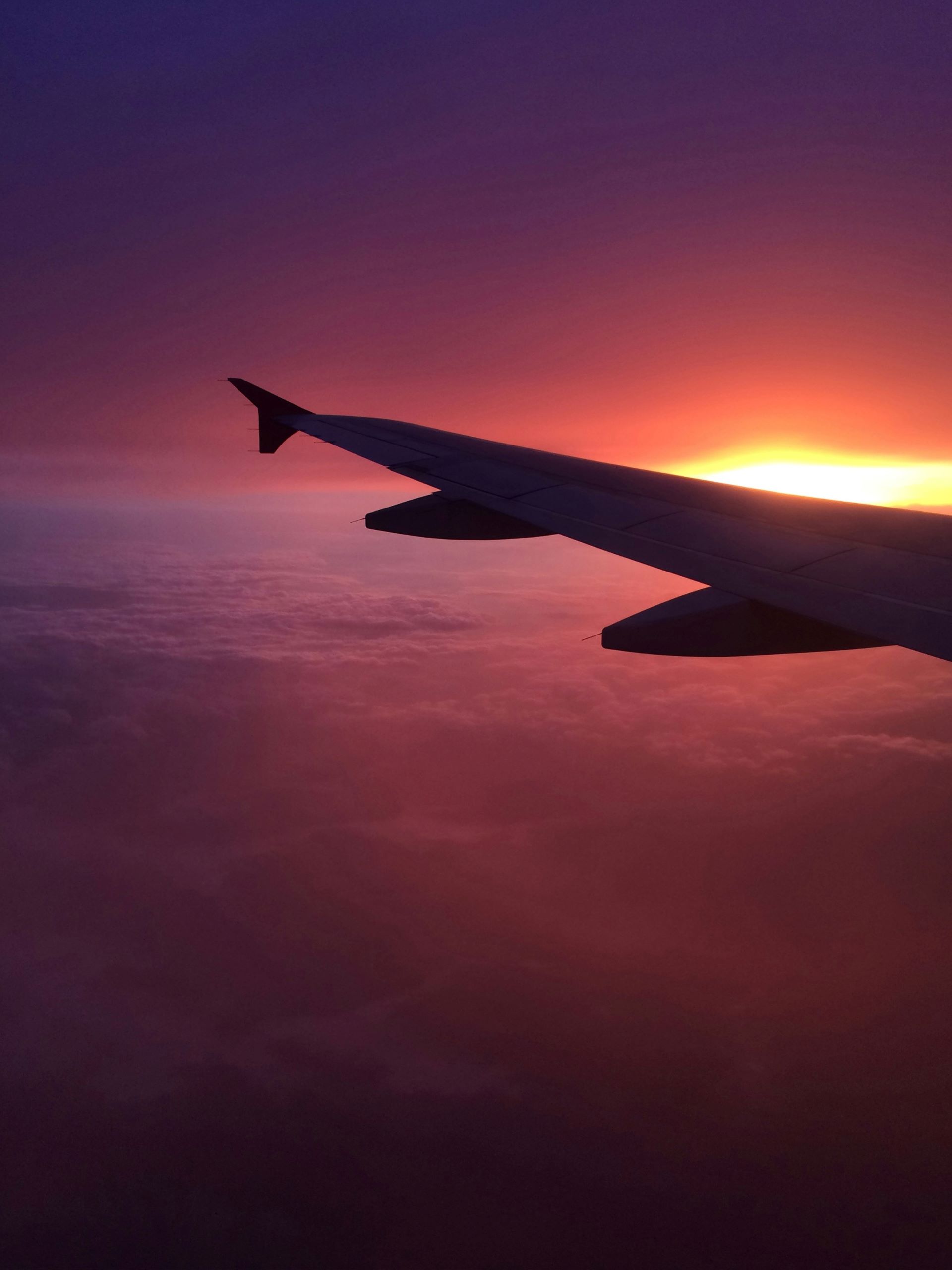
The Future of Airline Inspiration on Social Media
As platforms evolve, airlines will continue experimenting with new formats and technologies. Immersive video, augmented reality previews and interactive storytelling promise deeper engagement.
Yet the core principle will remain unchanged. Travel inspiration is about emotion, imagination and connection. Social media simply provides the stage.
Airlines that succeed are those that understand their role in the traveller’s story. They do not shout about schedules and prices. They whisper possibilities. They invite audiences to picture themselves somewhere else, looking out of a window at a place they have not yet been.
In a world where dreams often begin on a screen, airlines that master social media do more than market flights. They spark journeys.
Elisha Roodt
Our travel editorial desk specializes in uncovering the best flight deals and destination insights within South Africa. We bring you first-hand updates on airline industry moves and budget travel hacks.
More From Travel Trends
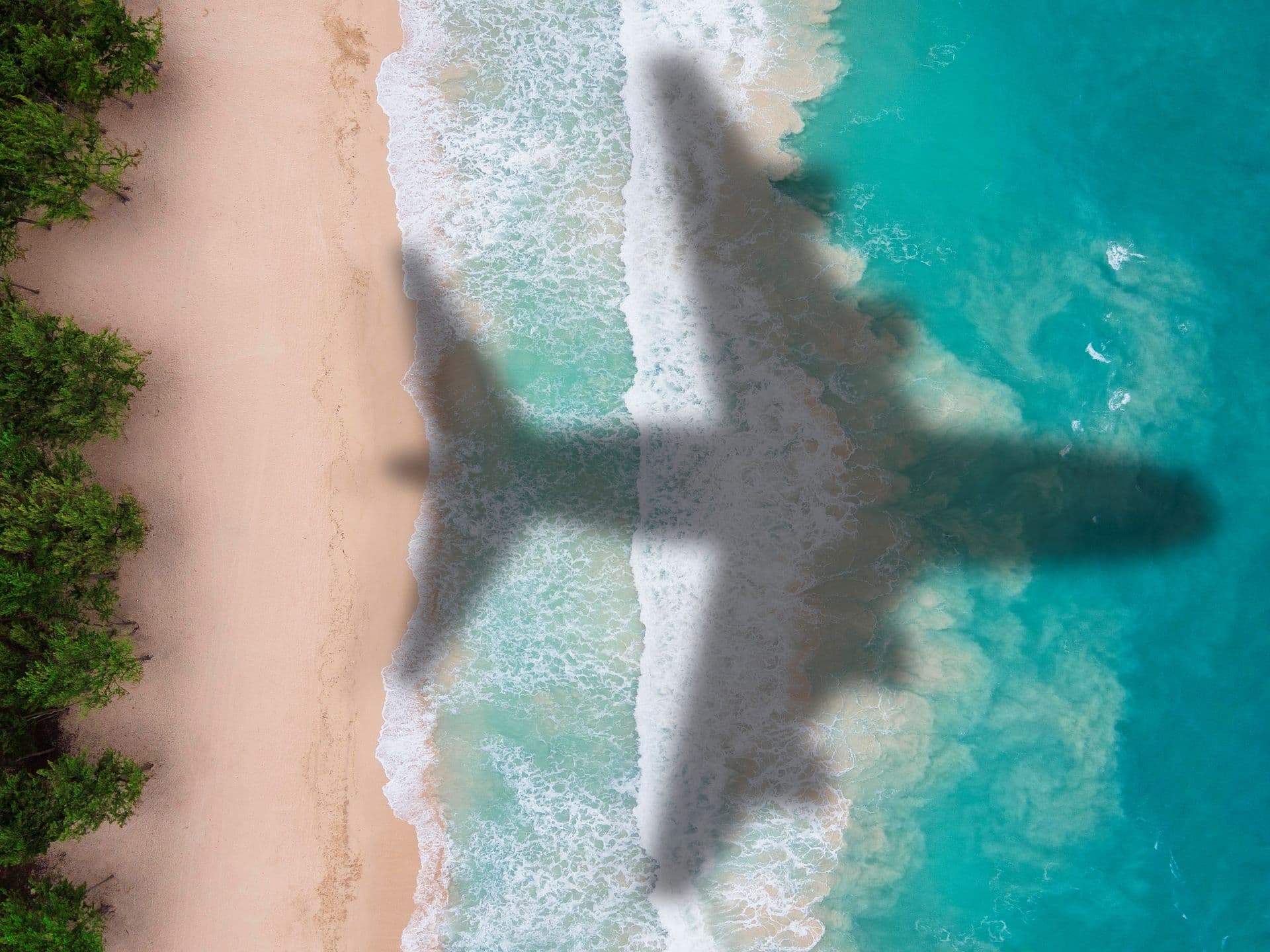
How Aviation Shapes South Africa’s Coastal Tourism
Aviation expands South Africa’s coastal tourism by redistributing seasonal travel, boosting beach destinations, and connecting global and domestic markets.

Weather-Proof Skies: Airlines and Tourism Continuity
Explore how airlines navigate extreme weather, ensuring safe travel and uninterrupted tourism, even when climates turn unpredictable.
Stay Informed, Stay
Ahead of the Curve
We don't just follow the headlines — we dive deeper. Our well-researched content is designed to empower you with the knowledge needed to navigate an industry shaped by innovation.
Seasoned Professionals
Industry stats and market performance metrics.