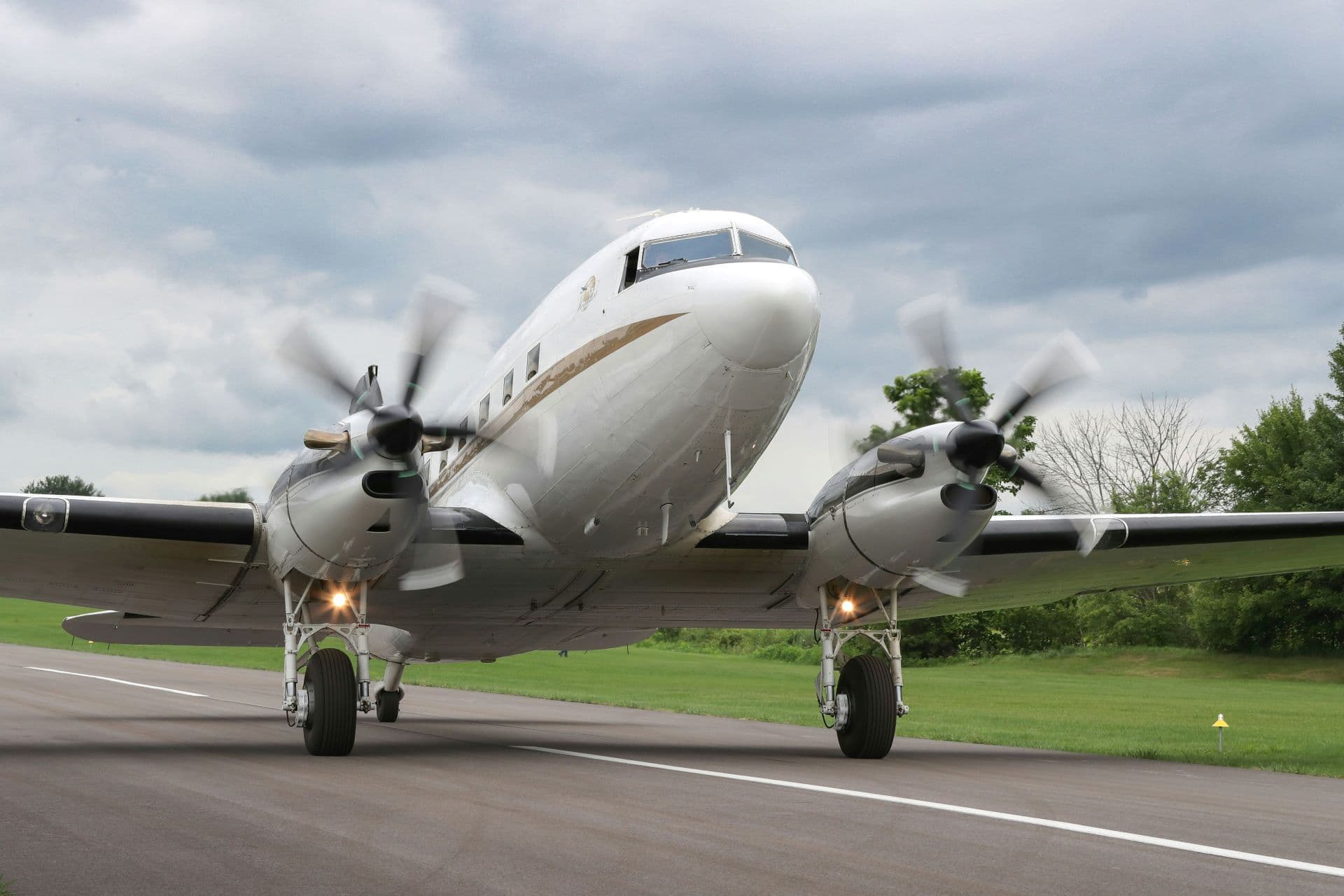
In a world where the sky is no longer the limit, aviation routes are the invisible threads that connect continents, cultures, and communities. We often take for granted the intricate choreography that allows us to travel from Johannesburg to Tokyo, from London to Buenos Aires, or from Cape Town to New York with relative ease. But behind every commercial flight path lies a story of economics, politics, geography, and human ambition.
The global aviation network is a living system, in constant flux and evolution. Routes open, close, or shift in response to demand, conflict, technological innovation, and environmental concerns. In doing so, these aerial highways not only serve the pragmatic purpose of getting people from A to B — they profoundly influence the way we see the world, the destinations we deem "accessible," and even the pace and patterns of global tourism, commerce, and cultural exchange.
This article explores the historical foundations, contemporary dynamics, and future directions of aviation routes — and how they continue to shape the way we explore the world.

The Historical Blueprint: From Imperial Airways to Intercontinental Access
The earliest aviation routes were more than just lines on a map — they were instruments of empire, trade, and political power. During the early 20th century, colonial powers like Britain, France, and the Netherlands used fledgling air routes to connect their overseas territories. Imperial Airways, for instance, launched in 1924, established connections between London and far-flung outposts in Africa, Asia, and the Middle East. These routes were slow, involving numerous stops, and only available to the elite, but they laid the groundwork for a global aviation network.
With the dawn of the jet age in the 1950s, the introduction of aircraft like the Boeing 707 revolutionized long-haul travel. Transatlantic flights became more frequent, faster, and safer. This enabled a broader section of the population to travel internationally and reshaped perceptions of distance and time. Suddenly, the "other side of the world" didn’t feel so far away.
What began as an elite pursuit of business and politics gradually morphed into a mode of mass travel. Aviation routes, once dictated by imperial necessity, began responding to consumer demand. Airlines became both commercial entities and cultural connectors, reflecting global aspirations and, increasingly, leisure.
The Geography of Connectivity: Why Some Places Are More "Connected" Than Others
Aviation routes are as much a reflection of geography as they are of demand. Certain cities — often referred to as aviation hubs — hold geographic advantages that allow them to connect regions efficiently. Take Dubai, for instance. Strategically located between Europe, Asia, and Africa, it has leveraged its position to become one of the world’s busiest international transit points.
Similarly, Singapore’s Changi Airport acts as a vital gateway between Australasia and the rest of the world. These hubs aren’t merely stopover points — they’ve become destinations in their own right, attracting investment, tourism, and prestige.
Conversely, many cities remain underserved by direct air links. The reasons vary: geopolitical instability, limited economic clout, remote geography, or insufficient infrastructure. For instance, large swathes of Central Africa, Central Asia, and parts of the South Pacific remain difficult to access via direct international flights. This lack of connectivity can stifle tourism, limit economic development, and perpetuate global inequalities.
Aviation routes thus reinforce global hierarchies: the more connected a place is, the more likely it is to benefit from tourism dollars, global business, and cultural exchange.
Political Airspace: How Diplomacy Shapes Flight Paths
It’s not just geography or economics that determine where planes can fly. Politics plays a critical role.
Airlines must obtain overflight rights from sovereign states, and those rights can be revoked or denied altogether. For instance, ongoing tensions in the Middle East and Eastern Europe frequently result in rerouted flights. When Russia invaded Ukraine in 2022, multiple nations closed their airspace to Russian aircraft, and vice versa. This prompted a massive reconfiguration of routes between Europe and Asia.
In other instances, certain countries charge significant fees for overflight rights, nudging airlines to take longer or more expensive paths. This affects not just ticket prices but also which destinations are seen as viable or desirable from a business standpoint.
Open Skies agreements — international treaties that liberalise the rules for international aviation — have attempted to mitigate these barriers. The U.S., the EU, and other major aviation players have signed dozens of such agreements to encourage competition and connectivity. However, in regions where protectionism prevails, aviation routes remain entangled in political red tape.
The Hub-and-Spoke vs. Point-to-Point Debate
Two dominant models shape the design of aviation routes: the hub-and-spoke model and the point-to-point model.
The hub-and-spoke system, used by legacy carriers like Lufthansa, Emirates, and British Airways, concentrates flights in a central hub from which passengers connect to their final destinations. This model maximizes efficiency for the airline and enables smaller cities to link to global networks via major transit points.
The point-to-point model, championed by low-cost carriers like Southwest and Ryanair, offers direct connections between smaller cities without routing through a hub. This approach has democratized air travel, especially within regions like Europe and North America, where short-haul flights are feasible and profitable.
Each model affects how we experience travel. The hub-and-spoke system often extends journey times but offers greater global reach, while the point-to-point model enhances convenience and affordability but may limit international access from smaller cities.
Tourism and the Path of Least Resistance
The destinations we travel to are often not just the places we want to visit — they’re the places we can visit, affordably and conveniently. Airline route availability plays a silent but powerful role in shaping global tourism trends.
Consider Iceland, which saw an exponential rise in tourism after low-cost transatlantic flights positioned Reykjavik as a layover point between North America and Europe. Or look at Bali, whose tourism industry flourished once direct flights from China and Australia became frequent and affordable.
Conversely, many stunning destinations remain under-visited simply because reaching them is a logistical challenge. Think of Madagascar’s limited flight access or the underdeveloped aviation links to the interior of South America. Tourism boards and governments have learned to lobby aggressively for better air links, often subsidizing routes or forming partnerships with carriers to stimulate visitor growth.
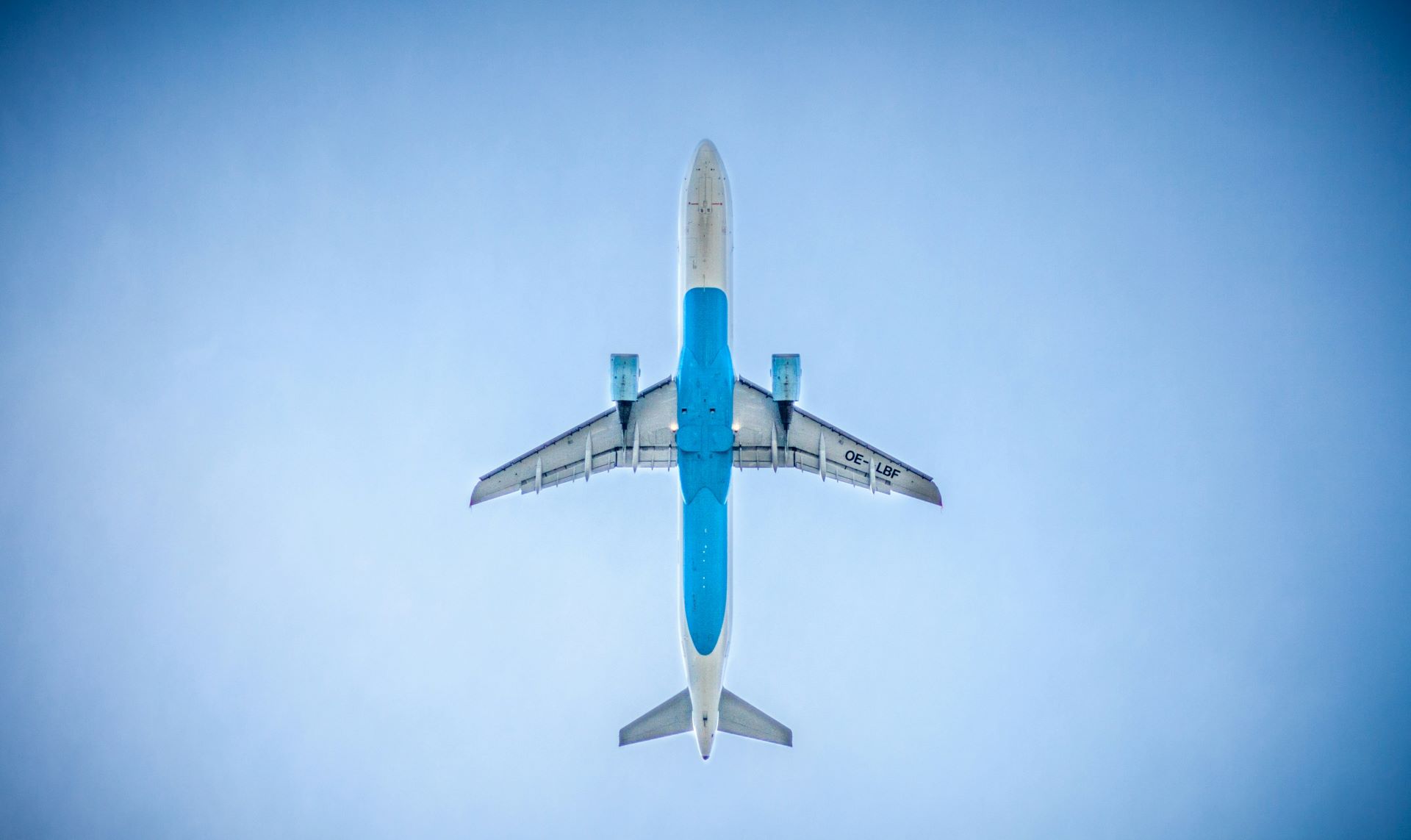
Aviation’s Response to Global Events: Pandemics, Wars, and Climate Change
The COVID-19 pandemic provided the most dramatic demonstration of how fragile and dynamic aviation routes can be. Virtually overnight, the world’s interconnected air routes collapsed, leaving stranded travelers, grounded fleets, and a tourism industry in freefall. Entire regions were cut off, and airlines had to rethink their route networks in real-time.
In the aftermath, some routes returned stronger than ever — often those serving VFR (Visiting Friends and Relatives) traffic or high-demand leisure routes. Others, particularly long-haul business routes, have been slower to recover, reshaping how we conceptualize global mobility.
Environmental concerns have also begun to influence route planning. Airlines face mounting pressure to reduce emissions, and consumers are increasingly scrutinizing their travel choices. This has led to an uptick in direct routes (to reduce fuel-burning layovers), the adoption of sustainable aviation fuels (SAFs), and, in some regions, the reintroduction of overnight trains as an alternative.
The aviation industry stands at a crossroads: how to maintain global connectivity without exacerbating the climate crisis. Route design will be central to this balancing act.
The Rise of Secondary Cities: Decentralising Travel
Historically, major capitals and economic centers dominated international air traffic. But in recent years, a quiet revolution has been underway. Secondary cities — places like Chengdu, Manchester, Durban, and Austin — are emerging as international aviation players.
This trend is fueled by several factors: the growth of regional economies, decentralization of business hubs, and the spread of tourism interest beyond the usual suspects. Direct flights to and from secondary cities not only alleviate pressure on major hubs but also distribute the economic benefits of tourism and trade more equitably.
This development has also fostered more authentic travel experiences. Travelers increasingly seek to bypass the over-touristed icons in favor of smaller, culturally rich destinations. Aviation routes — by enabling such journeys — are actively shaping this shift.
Cargo Routes and Economic Corridors
Passenger traffic may get the headlines, but cargo routes are the unsung heroes of global commerce. From COVID-19 vaccines and smartphone components to fresh flowers and high-end fashion, goods crisscross the globe in the bellies of passenger planes and dedicated freighters.
Just as with passenger routes, cargo corridors follow logic dictated by demand, cost, and infrastructure. Airports like Memphis (FedEx), Doha (Qatar Airways Cargo), and Hong Kong are global cargo powerhouses. Emerging cargo routes — especially those aligned with China's Belt and Road Initiative — are reshaping trade flows and regional economies.
For smaller economies and landlocked countries, being plugged into the global cargo network can mean the difference between marginal relevance and global participation.
What the Future Holds: Supersonic, Suborbital, and Smart Routing
Looking ahead, the aviation routes of the future may not just connect cities but redefine how we perceive space and time.
Startups like Boom Supersonic and SpaceX are exploring technologies that could reduce transcontinental travel times to a matter of hours — or even minutes. Imagine flying from Johannesburg to London in just under four hours. Such breakthroughs would compress global distances in unprecedented ways.
Simultaneously, AI and big data are being deployed to optimize route efficiency, forecast demand, and reduce environmental impact. Smart routing — using algorithms to choose paths that minimize fuel use or avoid turbulence — is becoming standard practice.
Autonomous and electric aircraft, while still in early stages, promise new paradigms for regional connectivity. Think zero-emission air taxis that can bypass congested ground infrastructure or drone cargo flights servicing remote outposts.
While these innovations are exciting, they also come with equity and environmental questions. Who benefits from these advancements? Who gets left behind? As ever, the design of aviation routes will reflect — and shape — our broader societal values.
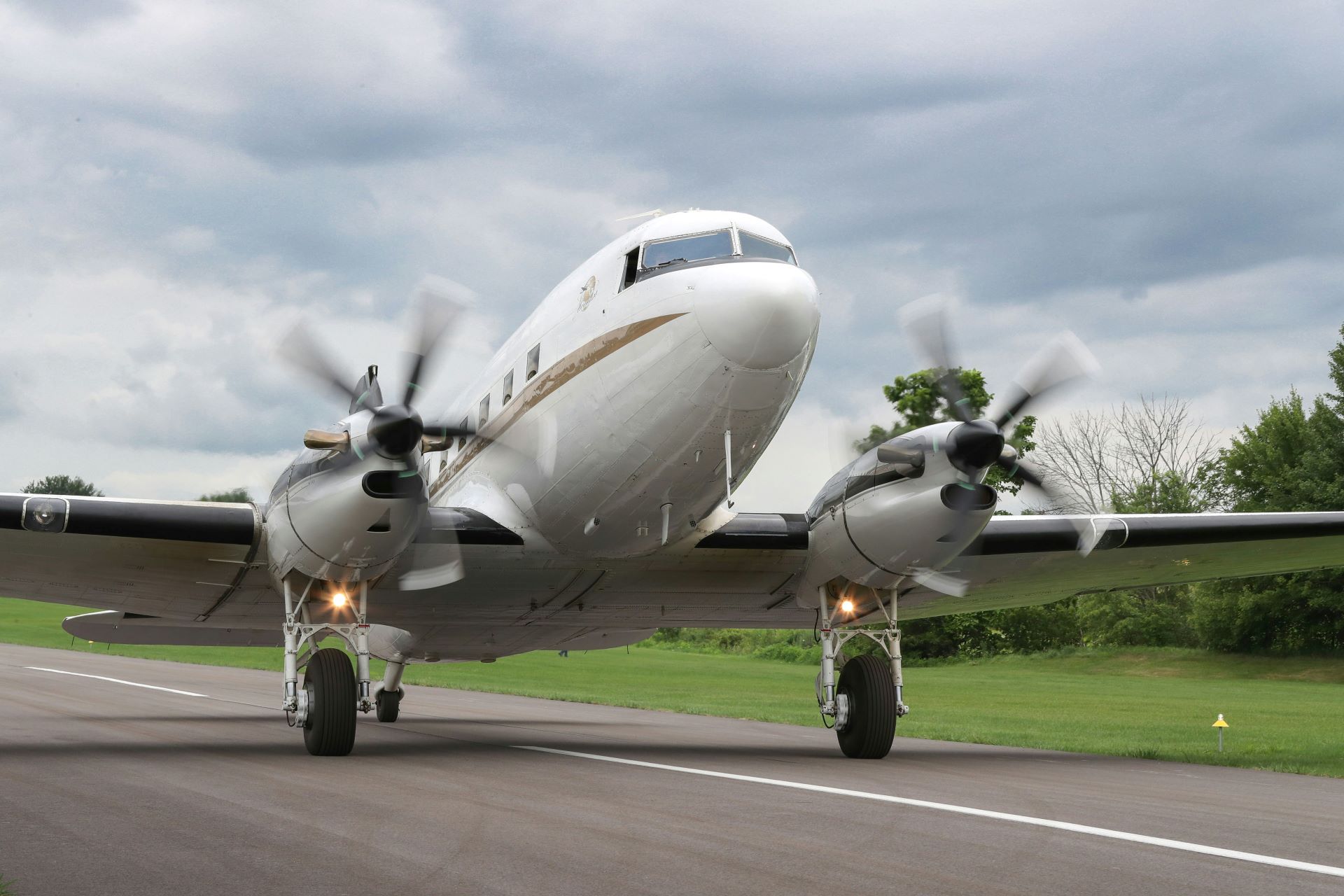
The Sky Is a Mirror
Aviation routes are more than logistical solutions — they are a mirror to our world. They reveal our priorities, prejudices, aspirations, and fears. They reflect the uneven flows of capital, culture, and connection. They shape where we go, how we get there, and what we experience along the way.
In a time when borders seem increasingly contested yet curiosity remains undiminished, flight paths offer a form of global continuity — a web that, despite its vulnerabilities, continues to draw the world closer together.
As we face the challenges of the 21st century — climate change, economic inequality, geopolitical tension — how we map our skies may well determine how we live on Earth.
Because in the end, to chart a route in the sky is to chart a path through the future of our global society.
Gerald Ferreira
Our travel editorial desk specializes in uncovering the best flight deals and destination insights within South Africa. We bring you first-hand updates on airline industry moves and budget travel hacks.
More From Cheap Flights

Set a Flight Search Window Around Your Leave Dates
Turn approved leave and fixed commitments into a useful flight search window, then compare workable date combinations without sacrificing the trip itself.

The Corridor Between Ordinary Life and Extraordinary Places
Exploring how commercial flights act as psychological transitions, shifting travellers from daily routine into a mindset of discovery.
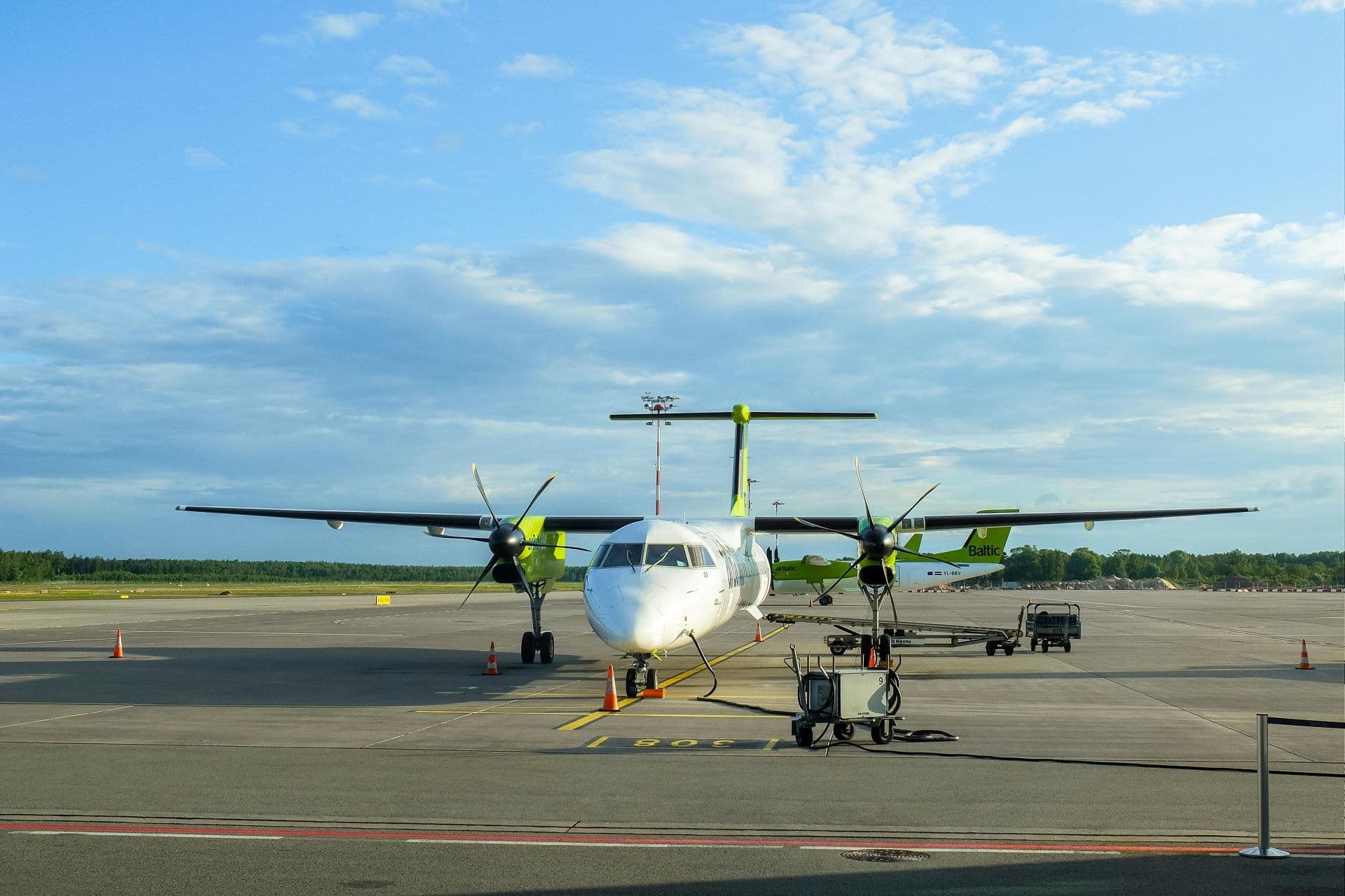
Future of Sustainable Aviation Fuel Explained
Airlines are investing in sustainable aviation fuel, but scalability and cost remain major challenges for tourism and global flight networks.
Stay Informed, Stay
Ahead of the Curve
We don't just follow the headlines — we dive deeper. Our well-researched content is designed to empower you with the knowledge needed to navigate an industry shaped by innovation.
Seasoned Professionals
Industry stats and market performance metrics.