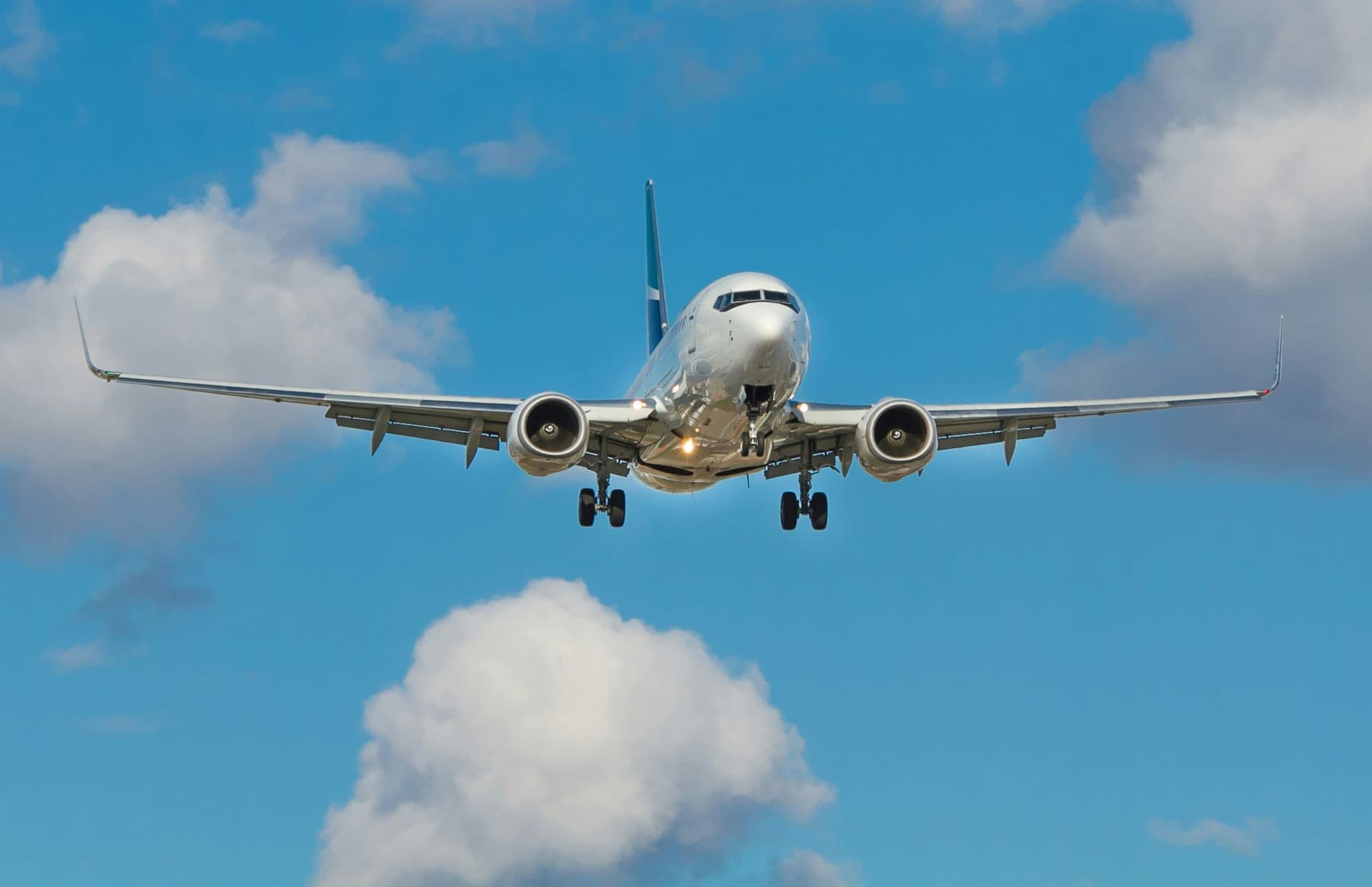
The Deal-Driven Travel Era
In an age where the click of a button can unlock exotic getaways and bucket-list adventures, flight deals have become the new compass guiding global travel decisions. The democratization of air travel, propelled by budget airlines, flash sales, fare comparison engines, and social media influencers promoting error fares, has fundamentally altered how—and why—we travel.
Gone are the days when destination dictated cost. In 2025, cost often dictates destination.
This shift isn’t just a matter of saving money. It's a reshaping of priorities, behaviours, and global tourism patterns. From the spontaneous weekend trip to cities once considered out of reach, to long-term digital nomads chasing affordable routes, the availability of low-cost flights is reframing our relationship with time, value, and the world.
This article takes an earnest and comprehensive look at how flight deals are influencing global travel habits. We’ll explore the economic and psychological underpinnings, new booking behaviours, environmental debates, and the societal impacts of this flight-first mindset.
The Evolution of the Flight Deal
From Travel Agent to Algorithm
Once upon a time, booking a flight required consultation with a travel agent, considerable planning, and an even more considerable budget. Then came the internet, and with it, transparency. Sites like Expedia, Skyscanner, and Kayak opened up fare comparison. Then came alerts, aggregators, and now AI-driven deal predictors that recommend not just when to book, but even where to go, based on price drops.
Apps like Hopper and Google Flights use machine learning to suggest optimal booking times. Subscription services like Going (formerly Scott’s Cheap Flights) scour the globe for mistake fares and flash sales. Instagram pages such as @SecretFlying or @TheFlightDeal have turned deal-hunting into a lifestyle.
A flight that once cost $1,200 now appears for $450 if you time it right. For many, that changes everything.
Budget Airlines and the Rise of Hyperconnectivity
How Low-Cost Carriers Opened the Skies
AirAsia, Ryanair, easyJet, Wizz Air, Spirit Airlines, and Frontier may not offer champagne or business class seats, but they have offered millions something far more valuable: access.
These low-cost carriers have enabled an entire demographic—particularly millennials and Gen Z—to travel internationally on tight budgets. Routes once limited to major cities are now connecting second-tier and even third-tier urban centres across continents.
For instance, a traveller in Barcelona might choose a weekend in Kraków not for the culture or cuisine (at least not initially), but because Ryanair was offering €19 tickets.
Suddenly, the impulse buy isn't a handbag or a gadget. It’s a ticket to another country.
Destination Indifference: The Rise of Flexible Travelers
"Where Can I Go for $300?"
Flight-first planning is now a mainstream behaviour. Rather than deciding where to go and then figuring out the cost, many travellers start with the deal and then build their plans around it. This "deal-first travel" creates a psychological shift—adventure begins with curiosity, not a checklist.
Search tools now include options like "Everywhere" (Skyscanner) or "Explore" (Google Flights) which show users the cheapest destinations during a specific timeframe.
Travel bloggers and Reddit forums like r/TravelHacks have helped popularize phrases like “book now, think later” and “flexibility is the new luxury.”
This flexibility also enables more sustainable, off-season, or lesser-known destination travel—sometimes unintentionally reducing pressure on over-touristed cities.
A Cultural Shift in Value Perception
From Luxury to Access
Flight deals have begun to blur the lines between luxury and accessibility. Visiting Paris is no longer considered elite; it’s a seasonal opportunity if you catch the right fare. Instead, the idea of when and how you travel determines value.
There’s a growing emphasis on experiential wealth—prioritising meaningful, spontaneous experiences over planned prestige. That impulsive trip to Iceland to see the Northern Lights because you found a $299 return fare from New York? It’s worth more than a five-star stay somewhere predictable.
Value is also redefined in terms of time. If you can fly from London to Marrakech for £45, spending just a weekend there feels acceptable—even optimal.
The Psychology of the Deal
FOMO, Dopamine, and Scarcity
The flight deal is not just a financial win—it’s a psychological trigger. Scarcity marketing (“Only 2 seats left!”), dynamic pricing, and countdown clocks play on fear of missing out (FOMO), delivering a dopamine rush similar to gaming or flash sale shopping.
Travel deal platforms have, perhaps unintentionally, gamified global exploration. There’s satisfaction in scoring a flight to Tokyo for under $500, and even more in sharing that deal with others—sparking social currency in digital communities.
In fact, it’s not uncommon for people to buy flights with no concrete plans to travel, just to hold the deal. Some platforms have introduced 24- to 48-hour free cancellation windows to capitalise on this behaviour.
Impacts on Travel Duration and Frequency
Microtrips, Long Stays, and Return Journeys
Flight deals have changed how long people travel, not just where. The weekend trip—a direct result of accessible flights—has exploded in popularity. Conversely, remote work and digital nomadism have inspired long-stay trips where cheap flights help establish flexible, rotating home bases.
Some travellers now take multiple trips per year instead of one big vacation. In South Africa, for instance, international trips to destinations like Thailand, the UAE, and Türkiye are increasingly common among young professionals who fly during airline promo seasons.
And return visits? They're up too. Falling in love with a place no longer means bidding it farewell forever—it means monitoring fare alerts and booking a revisit for a steal.
Emerging Hubs and Hidden Gems
How Deal Culture Is Diversifying Global Tourism
Traditional hotspots like Paris, New York, and Bangkok continue to draw crowds, but flight deals are helping divert traffic to new and emerging destinations. Consider the following shifts:
These new hubs benefit from tourism dollars while also reducing overtourism strain on traditional cities.
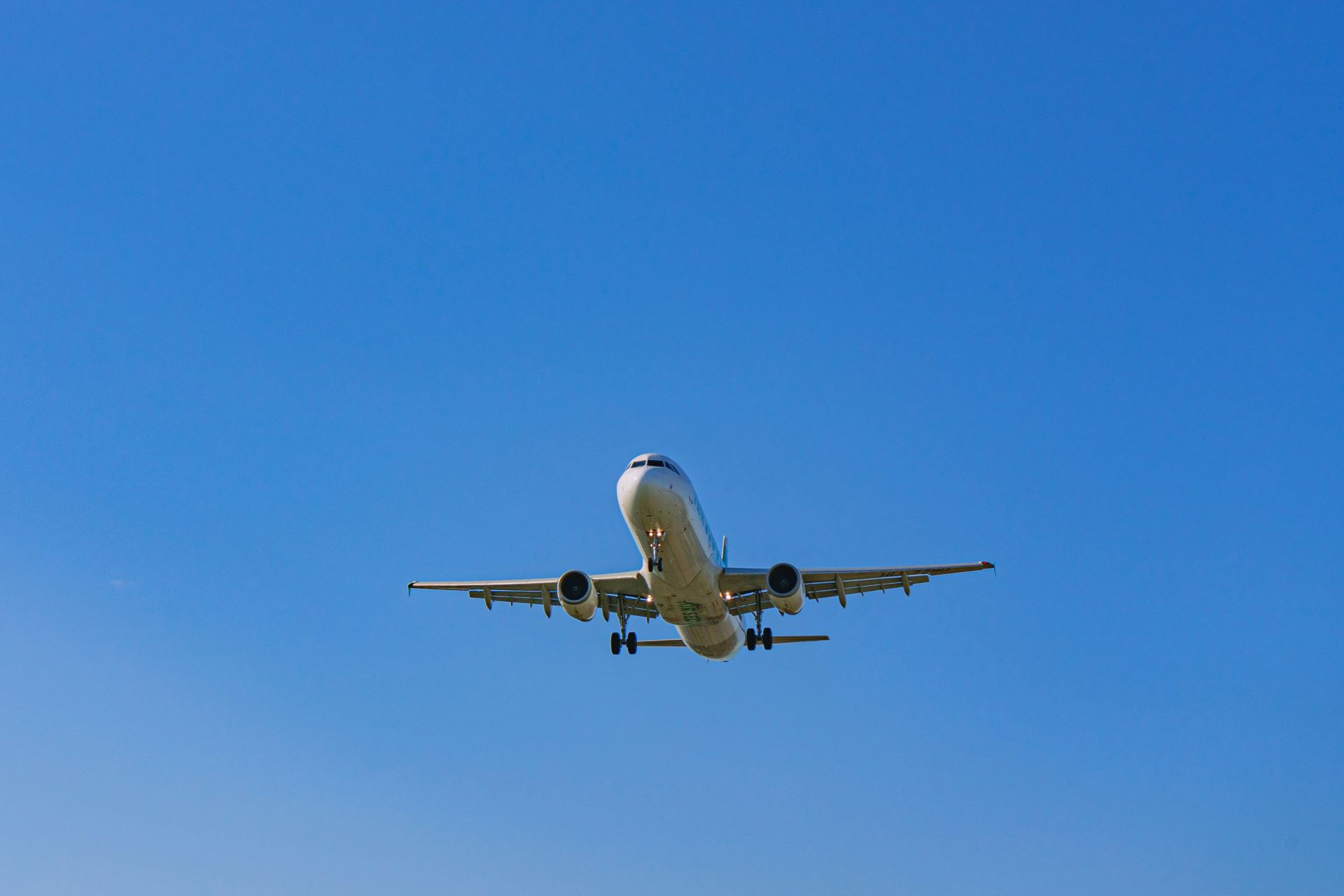
The Environmental Cost
Flying More for Less—At What Price?
While the accessibility revolution is a win for inclusivity, it poses serious questions for the planet. Aviation is responsible for about 2.5% of global carbon emissions, and rising passenger numbers aren't helping.
The irony is stark: flight deals encourage more travel, which increases emissions. Many airlines are investing in Sustainable Aviation Fuel (SAF) and carbon offset programs, but adoption is slow and consumer education inconsistent.
Some travellers are beginning to factor sustainability into their decisions—opting for non-stop flights (which are less polluting), using carbon offset platforms, or choosing rail alternatives where possible.
But the broader conversation around cheap flights and environmental ethics is just beginning. As awareness rises, there may be growing pressure on both airlines and deal platforms to incorporate carbon transparency into flight pricing.
The Role of Social Media
Sharing Deals, Shaping Desires
Social media is both deal-finder and deal-amplifier. Influencers, travel content creators, and viral deal posts often trigger a surge in interest for a location—transforming once-sleepy towns into international hotspots almost overnight.
Communities like TikTok’s #TravelHacks and Instagram’s travel reels create a feedback loop: a deal is discovered, it’s shared widely, and demand spikes. In some cases, this drives local economies. In others, it overwhelms them.
The influence is especially strong among Gen Z, who prioritise experience over possession and use social platforms as travel search engines more than Google.
The Future of Deal-Driven Travel
What Comes Next?
If we look ahead, several trends seem likely:
Ultimately, the future of travel may not belong solely to the rich, the retired, or the vacationing few. It may belong to anyone with an internet connection, a sense of adventure, and a knack for seizing the right deal.
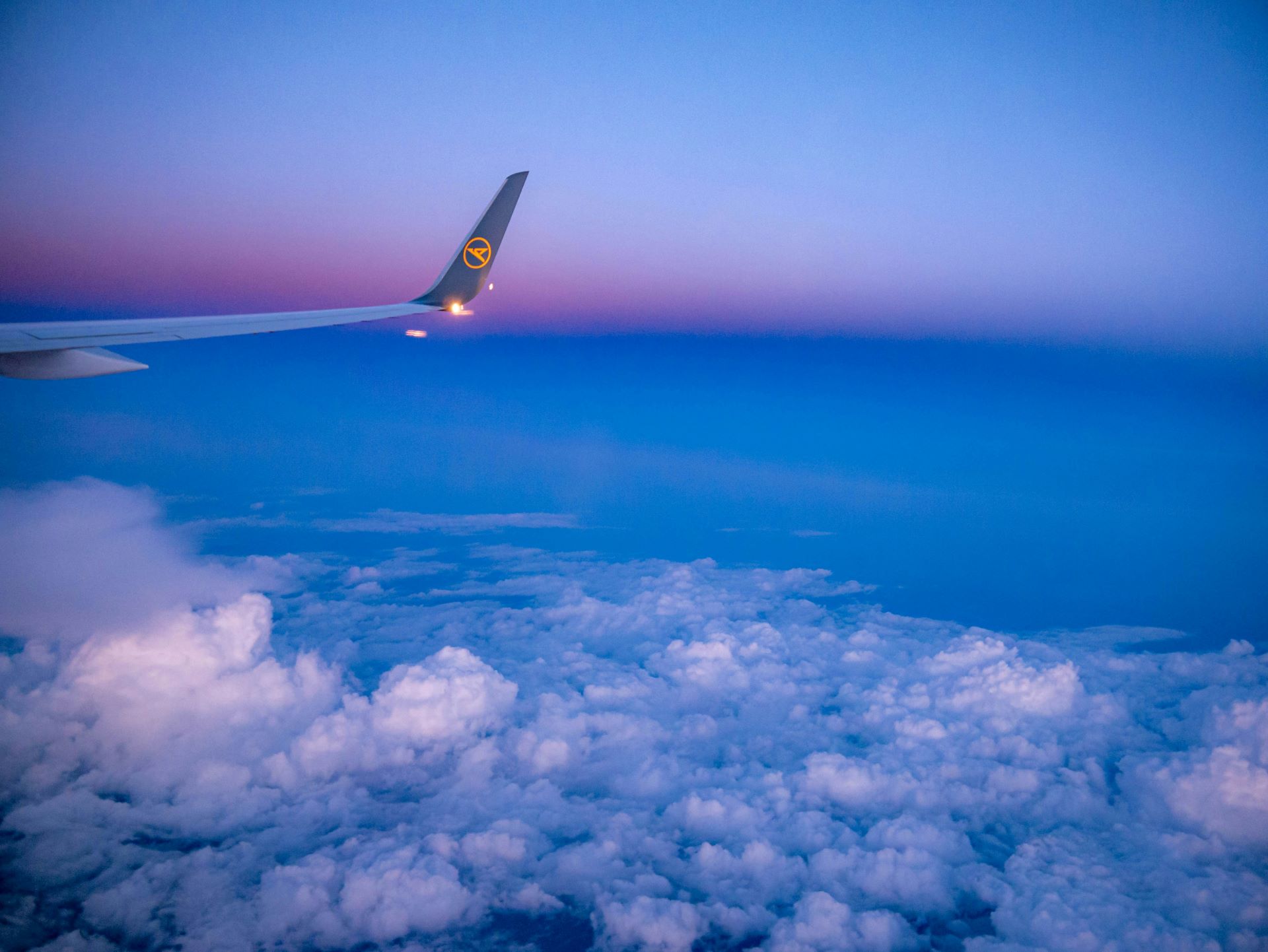
A World on Sale
Flight deals have become more than savings—they're an invitation. An invitation to explore differently, live more spontaneously, and see the world not as a distant dream but as a tangible, affordable reality.
We live in a time when your next journey might not begin with a map or a guidebook, but with an email subject line that reads, “Europe from $199—Today Only.”
And while that may seem impulsive or even chaotic, it also represents a profound shift: travel is no longer a luxury. It’s a lifestyle—and it’s increasingly within reach.
Gerald Ferreira
Our travel editorial desk specializes in uncovering the best flight deals and destination insights within South Africa. We bring you first-hand updates on airline industry moves and budget travel hacks.
More From Cheap Flights

Set a Flight Search Window Around Your Leave Dates
Turn approved leave and fixed commitments into a useful flight search window, then compare workable date combinations without sacrificing the trip itself.

The Corridor Between Ordinary Life and Extraordinary Places
Exploring how commercial flights act as psychological transitions, shifting travellers from daily routine into a mindset of discovery.
Future of Sustainable Aviation Fuel Explained
Airlines are investing in sustainable aviation fuel, but scalability and cost remain major challenges for tourism and global flight networks.
Stay Informed, Stay
Ahead of the Curve
We don't just follow the headlines — we dive deeper. Our well-researched content is designed to empower you with the knowledge needed to navigate an industry shaped by innovation.
Seasoned Professionals
Industry stats and market performance metrics.