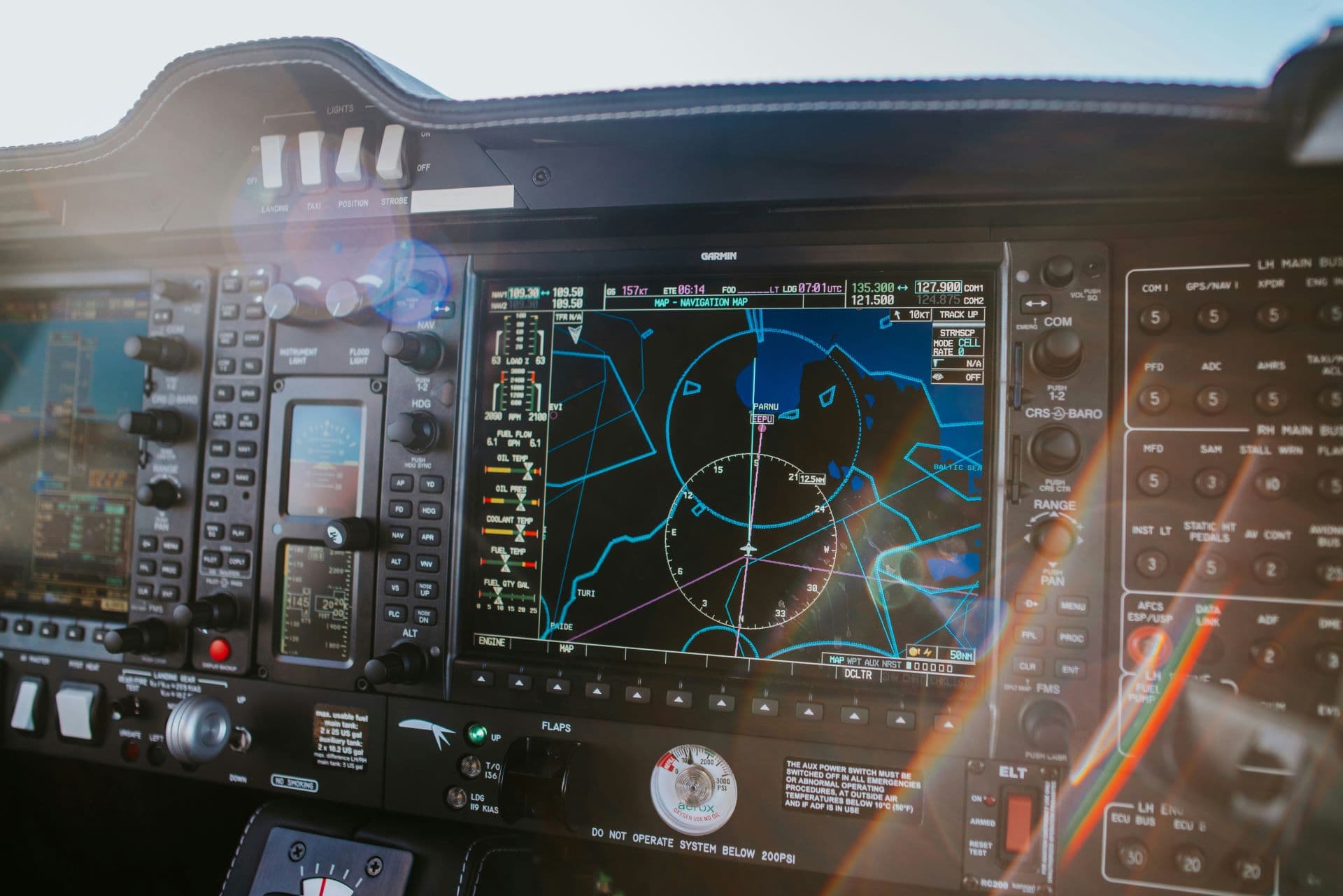
The invisible challenge of modern air travel
For many travellers, turbulence is the single most unsettling aspect of flying. The seatbelt sign illuminates, drinks wobble in their cups, and the aircraft seems to momentarily defy the smooth logic passengers expect from modern aviation. Yet turbulence is not a failure of technology or pilot skill. It is an inherent feature of the atmosphere itself, a dynamic and ever-shifting medium through which aircraft must pass.
In airline tourism, where comfort, predictability and confidence are integral to the passenger experience, turbulence represents both a physical and psychological hurdle. Airlines cannot eliminate it entirely, but they have become remarkably adept at forecasting where and when it is most likely to occur. What was once a matter of educated guesswork has evolved into a sophisticated blend of meteorology, data science, real-time monitoring and cockpit decision-making.
The science behind turbulence forecasting is not only about keeping aircraft safe. It plays a crucial role in minimising discomfort, reducing flight anxiety, protecting cabin crew and preserving the seamless travel experience that underpins global tourism. Understanding how pilots anticipate bumps reveals just how much unseen work goes into making air travel feel effortless.

What turbulence actually is and why it matters to passengers
Turbulence occurs when an aircraft encounters irregular air movement, causing sudden changes in altitude, speed or direction. These disturbances can range from gentle ripples to abrupt jolts, but they are rarely dangerous to the aircraft itself. Modern commercial jets are engineered to withstand forces far greater than those experienced during even severe turbulence.
From a passenger perspective, however, turbulence is deeply sensory. The unpredictability of movement triggers instinctive anxiety, particularly for infrequent flyers. In airline tourism, where passengers often associate travel with relaxation or excitement, discomfort can quickly undermine the overall journey.
Different forms of turbulence affect flights in different ways. Convective turbulence arises from thunderstorms and rising warm air. Mechanical turbulence forms when wind flows over mountains or buildings. Clear-air turbulence, the most challenging to predict visually, occurs at high altitudes near jet streams and can strike without warning in otherwise clear skies.
Airlines focus heavily on forecasting not because turbulence threatens flight safety, but because it affects service quality, punctuality and customer satisfaction. A smoother flight improves sleep on long-haul routes, reduces injuries caused by unexpected movement and supports the perception of airline professionalism.
The evolution from pilot intuition to predictive science
In the early days of commercial aviation, turbulence forecasting relied largely on pilot experience and post-flight reports. Crews learned which regions, altitudes and weather patterns were more likely to produce rough air, passing this knowledge informally from one generation to the next.
While experience remains valuable, modern airline operations depend on precise, data-driven forecasting. Advances in meteorology, satellite imaging and computational modelling have transformed turbulence prediction into a measurable science.
Airlines now integrate global weather models, historical turbulence databases and real-time aircraft data into their flight planning systems. These tools allow dispatchers and pilots to anticipate turbulence hours or even days before departure, adjusting routes and altitudes accordingly.
This shift has had a direct impact on airline tourism. Long-haul flights are smoother on average than they were decades ago, and sudden, severe turbulence encounters have become less frequent. The industry has moved from reacting to turbulence to actively avoiding it whenever possible.
Meteorology at cruising altitude
At the heart of turbulence forecasting lies atmospheric science. The atmosphere is layered, dynamic and influenced by temperature differences, pressure gradients and planetary rotation. At cruising altitude, aircraft often fly near jet streams, fast-moving rivers of air that circle the globe.
Jet streams are a primary source of clear-air turbulence. Where fast-moving air meets slower surrounding air, shear zones develop, creating invisible disturbances that aircraft can feel but not see. Meteorologists model these interactions using global circulation models that simulate wind speed, direction and temperature across multiple altitudes.
Thermal instability is another critical factor. When warm air rises and cold air sinks, vertical air movement intensifies. This is common near weather fronts and tropical systems, both of which are closely monitored by airline meteorologists.
Airline tourism routes, particularly transatlantic and transpacific flights, pass through regions where these atmospheric forces are strongest. Accurate forecasting allows airlines to choose altitudes that balance fuel efficiency with passenger comfort, even if it means flying slightly higher or lower than optimal fuel burn levels.
Satellites, sensors and the global weather picture
Satellites play a central role in modern turbulence forecasting. Weather satellites continuously scan the atmosphere, capturing data on cloud formation, temperature gradients, moisture levels and wind patterns. While turbulence itself is not always directly visible, the conditions that create it often are.
Infrared imaging helps identify temperature contrasts, while water vapour imagery reveals areas of rising and sinking air. These datasets feed into numerical weather prediction models used by meteorological agencies worldwide.
Airlines subscribe to specialised aviation weather services that interpret this data specifically for flight operations. These services translate complex atmospheric behaviour into turbulence probability maps, highlighting regions of light, moderate or severe expected turbulence along planned routes.
For airline tourism, this means flights are planned with comfort in mind long before passengers board. The aim is not merely to avoid storms, but to anticipate subtle atmospheric changes that could affect the onboard experience hours later.
Aircraft as moving weather stations
One of the most powerful tools in turbulence forecasting is the aircraft itself. Modern commercial jets are equipped with sensors that measure airspeed fluctuations, vertical acceleration and wind changes in real time. When an aircraft encounters turbulence, that data is recorded and shared across airline networks.
Programs such as aircraft-based turbulence reporting systems allow pilots to automatically transmit turbulence data to central databases. Other aircraft flying behind or near that route can then adjust altitude or trajectory to avoid the rough air.
This continuous feedback loop has revolutionised turbulence awareness. Instead of relying solely on forecasts, airlines build a live, three-dimensional picture of atmospheric conditions across major air corridors.
For passengers, this means that if one aircraft experiences unexpected bumps, subsequent flights can often avoid the same conditions altogether. It is a quiet example of collaborative technology improving the travel experience without passengers ever noticing.
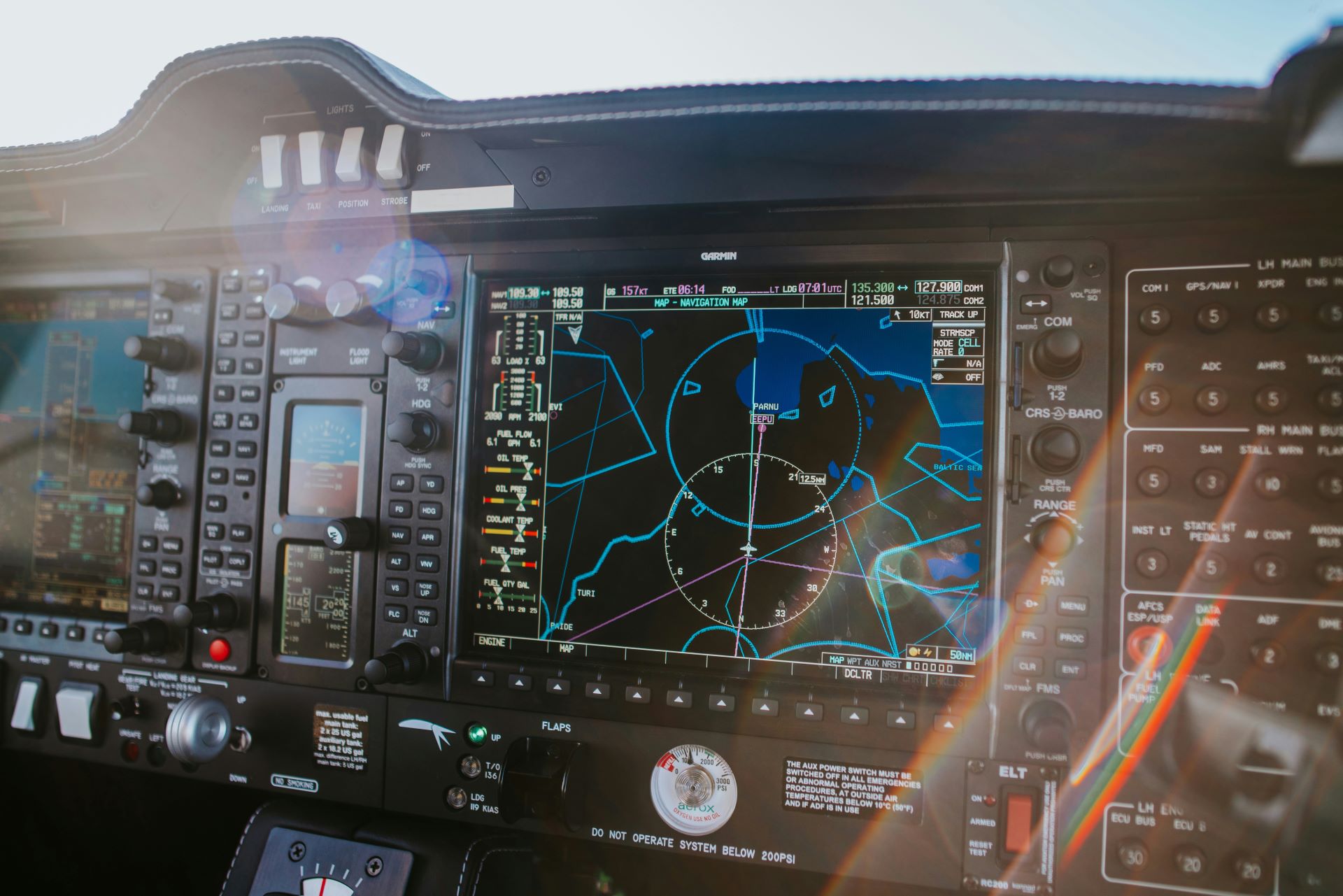
Flight planning with passenger comfort in mind
Before a flight departs, dispatchers and pilots work together to analyse weather conditions along the route. This includes reviewing turbulence forecasts at multiple altitudes and time windows. In airline tourism, especially on long-haul leisure routes, comfort considerations often influence these decisions.
A slightly longer route that avoids predicted turbulence may be chosen over a shorter but bumpier option. Similarly, pilots may plan step climbs or altitude changes during the flight to stay within smoother air layers as conditions evolve.
These decisions are dynamic. Weather changes constantly, and forecasts improve as the flight progresses. Modern flight management systems allow crews to update their plans mid-flight based on new data, balancing fuel efficiency, schedule adherence and passenger comfort.
For travellers, this adaptability contributes to a more predictable journey. Even when turbulence cannot be avoided entirely, it is often shorter in duration and less intense than it would have been without proactive planning.
Clear-air turbulence and the limits of prediction
Clear-air turbulence remains the most challenging form to predict. It occurs without visible clouds or storms and is often associated with jet streams or mountain waves. Despite advanced modelling, it can still surprise pilots and passengers alike.
However, prediction accuracy has improved significantly. High-resolution atmospheric models now detect smaller-scale wind shear zones that were previously invisible. Machine learning techniques are also being applied to identify patterns in historical turbulence data, improving future forecasts.
Airlines increasingly integrate probabilistic forecasts rather than binary predictions. Instead of declaring whether turbulence will or will not occur, models estimate the likelihood and potential intensity. This allows pilots to make informed decisions about route adjustments and passenger advisories.
While clear-air turbulence cannot be eliminated, its impact on airline tourism has been softened by better anticipation and communication.
The role of pilots in real-time turbulence management
Even with advanced forecasting, pilots remain central to turbulence management. They interpret data, assess aircraft behaviour and make immediate decisions when conditions change.
Pilots continuously monitor ride reports from other aircraft, weather radar displays and onboard sensors. When turbulence is encountered, they may request altitude changes or adjust speed to reduce its effects. Slowing slightly can reduce the severity of vertical movement, improving passenger comfort.
Communication with cabin crew is also critical. Pilots provide advance warning when turbulence is expected, allowing crew members to secure the cabin and suspend service if necessary. This coordination reduces injuries and maintains calm onboard.
From a tourism perspective, professional handling of turbulence reinforces passenger trust. Calm announcements and smooth adjustments remind travellers that turbulence is anticipated, managed and temporary.
Cabin crew safety and service continuity
Turbulence forecasting is not only about passenger comfort but also crew safety. Cabin crew are particularly vulnerable during unexpected turbulence, as they move through the cabin while the aircraft is in motion.
By forecasting turbulent areas accurately, pilots can time cabin service to avoid rough air. This ensures meals are served safely and reduces the need for abrupt service interruptions.
Airlines increasingly emphasise this aspect in their operational planning. A smoother cabin experience contributes to positive travel memories, especially on long-haul leisure flights where onboard service is a key part of the journey.
Passenger communication and perception
How turbulence is communicated matters almost as much as how it is managed. Studies show that passengers feel less anxious when they understand what is happening and why.
Pilots often explain that turbulence is expected, monitored and safe. When forecasting allows crews to warn passengers in advance, the experience feels controlled rather than alarming.
Airlines are also exploring in-flight displays and app-based updates that show weather conditions along the route. While still limited, these tools aim to demystify turbulence and reassure travellers that it is a known and manageable part of flight.
In airline tourism, where repeat business and brand loyalty are crucial, managing perception is as important as managing physics.
Future innovations in turbulence prediction
The future of turbulence forecasting lies in greater precision and personalisation. Advances in artificial intelligence are enabling models that learn from vast datasets, identifying subtle indicators of turbulence formation.
Higher-resolution satellites, improved atmospheric sensors and expanded aircraft data sharing will continue to refine predictions. Some research initiatives are exploring lidar-based systems capable of detecting air disturbances ahead of the aircraft, offering real-time warnings seconds or minutes in advance.
While such systems are still emerging, their potential impact on passenger comfort is significant. Even incremental improvements can reduce anxiety and enhance the sense of smoothness that defines modern air travel.

Why turbulence forecasting matters to airline tourism
Airline tourism depends on reliability, comfort and trust. Travellers may accept delays or long journeys, but discomfort and fear can overshadow even the most exciting destination.
Turbulence forecasting represents a quiet triumph of science in service of experience. It allows airlines to honour their promise of safe, comfortable travel while navigating an inherently unpredictable environment.
Every smoother flight is the result of countless calculations, observations and decisions made far from the passenger cabin. The bumps may still come, but they are no longer a mystery. They are anticipated, measured and managed, ensuring that the journey remains as enjoyable as the destination itself.
Gerald Ferreira
Our travel editorial desk specializes in uncovering the best flight deals and destination insights within South Africa. We bring you first-hand updates on airline industry moves and budget travel hacks.
More From Travel Industry
Why Airlines Care About Your Connection Time Windows
Airlines treat connection times as precision timing tools that drive network efficiency, schedule flow, and global hub synchronization.

How Flight Routes Drive Tourism Growth and Regional Prosperity
Discover how airline routes influence global tourism, boost regional economies, and improve destination accessibility worldwide.

How Airlines Are Shifting to Eco-Friendly Travel
Airlines respond to eco-conscious travelers with carbon offsets, fuel-efficient fleets, and green marketing strategies in commercial tourism.
Stay Informed, Stay
Ahead of the Curve
We don't just follow the headlines — we dive deeper. Our well-researched content is designed to empower you with the knowledge needed to navigate an industry shaped by innovation.
Seasoned Professionals
Industry stats and market performance metrics.