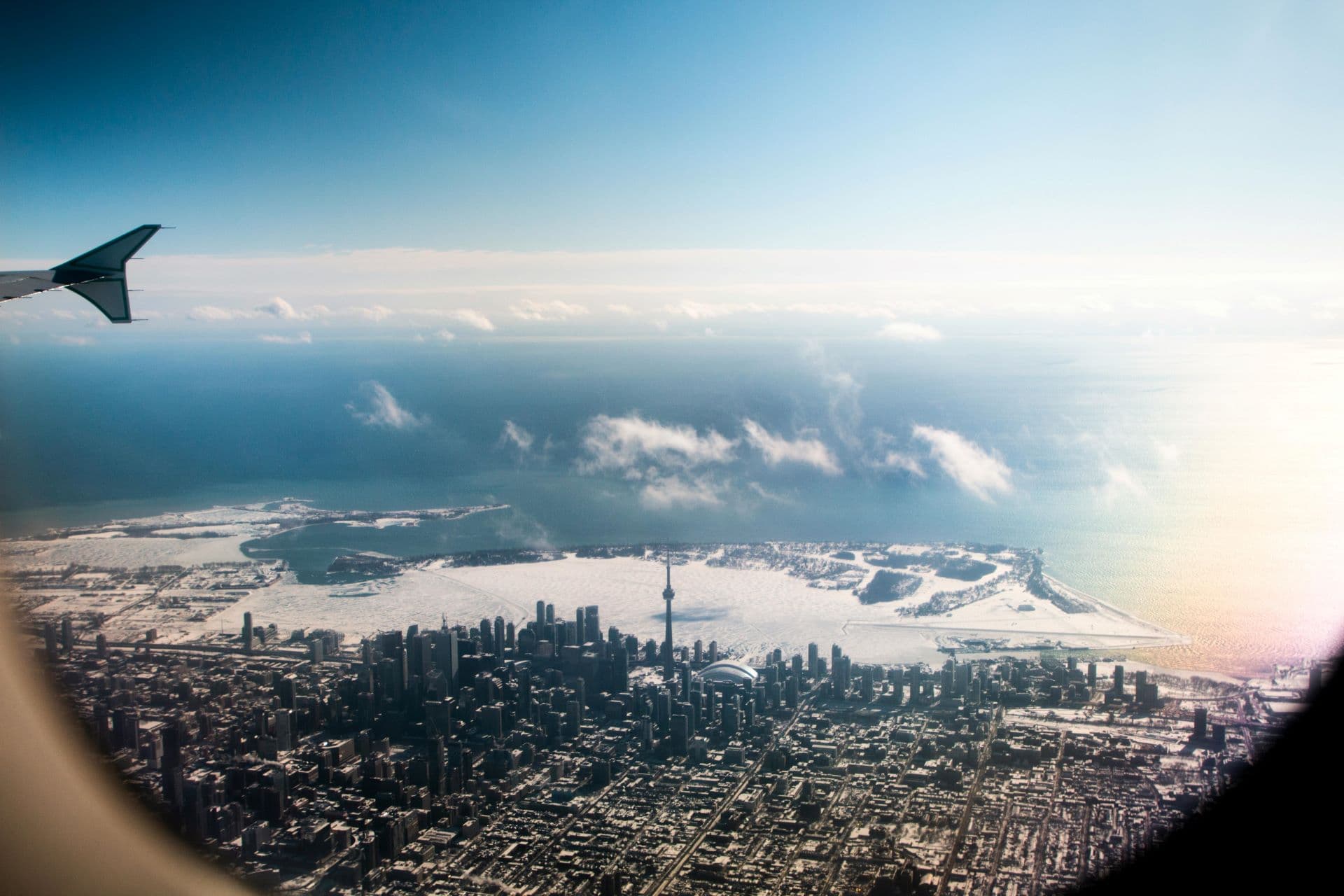
Flying often reduces landscapes to fleeting glimpses through small airplane windows, but with a bit of planning, air travel can become a portal to some of the most beautiful scenery on Earth. Rivers winding like silver threads, mountains rising like ancient fortresses, and coastlines stretching endlessly are all waiting for the patient and prepared traveler. Booking flights for scenic routes is less about convenience and more about orchestrating an experience where the sky itself becomes a stage for nature’s wonders.
Understanding how to plan for views from above begins with appreciating the factors that influence what you’ll see and when. Aircraft type, seat selection, route alignment, time of day, and even weather conditions all play a role. Unlike traditional tourism where you move at ground level, aerial sightseeing requires foresight. Every decision you make before boarding—from the airline you choose to the flight path you book—directly affects the panorama that unfolds outside your window.
Why Scenic Routes Matter
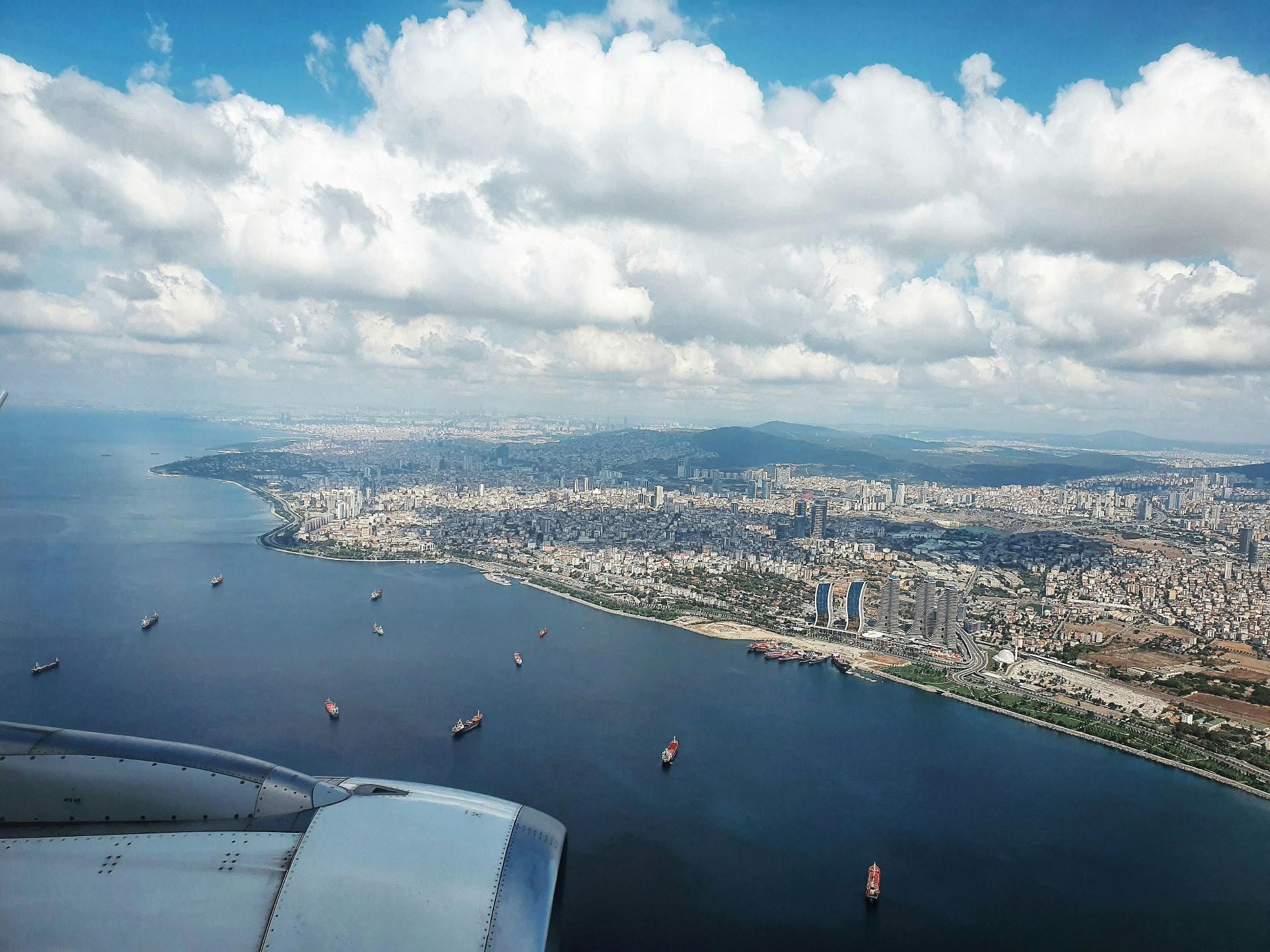
Traveling by air is often considered merely functional: a means to reach a destination quickly. Yet, the visual experience of flight offers a unique form of storytelling. Watching a river carve valleys, or seeing a coastline shimmer under the sun, provides perspective on geography, culture, and the sheer scale of our world. For many travelers, these aerial vistas are as memorable as the destinations themselves. Some enthusiasts even plan entire vacations around flights designed for optimal scenery. In this context, understanding how to identify and book these flights transforms the act of flying into a curated experience rather than mere transportation.
Choosing the Right Airline and Aircraft
Not all flights are equal when it comes to scenic viewing. Narrow-body aircraft such as the Airbus A320 or Boeing 737 often provide sufficient window access, but larger wide-body jets may offer higher vantage points and larger windows, enhancing the overall view. Regional carriers flying smaller aircraft can sometimes offer more intimate scenery as they travel closer to the ground over rivers and mountains.
In addition, some airlines operate specific routes known for their scenic qualities. For instance, Alaska Airlines in the U.S. advertises its coastal flights along the Inside Passage with aerial views of glaciers, fjords, and rainforests. Similarly, flights over Switzerland or the Canadian Rockies offer naturally cinematic experiences. Checking airline route descriptions or reviews from other travelers can help identify these opportunities before booking.
Picking Your Seat Strategically
A common mistake many travelers make is leaving seat selection to chance. Even the most scenic flight can be disappointing if your view is obstructed by wings, engine nacelles, or other passengers. Understanding which side of the aircraft offers better views is crucial.
For flights along coastlines, rivers, or mountain ranges, the window seat opposite the sun is generally preferable to reduce glare and improve photography opportunities. In many cases, the side of the aircraft closer to the geographic feature will offer the clearest vantage. Airlines’ seating maps and passenger review platforms often provide guidance on which seats provide the best views, and some booking engines even indicate window locations relative to scenery.
Timing Your Flight for Optimal Views
Time of day can dramatically affect how scenery appears from above. Early morning light often casts a soft glow over landscapes, accentuating contours in mountains and valleys. Evening flights can offer golden-hour brilliance, with coastlines and rivers reflecting the sun. Conversely, midday light tends to flatten features, reducing depth and visual interest.
Seasonality is also important. Snow-capped peaks in winter, autumnal foliage, or spring blooms can transform an ordinary flight into a spectacular panorama. Understanding seasonal patterns in the regions you plan to fly over allows you to schedule flights during periods when landscapes are at their most visually striking.
Understanding Flight Paths and Geography
Airlines do not always take the most scenic routes. Flight paths are primarily designed for efficiency, weather, and air traffic management. However, some destinations naturally require routes over dramatic terrain. For example, flights into Queenstown, New Zealand, or Cape Town, South Africa, often provide breathtaking aerial experiences due to topography alone.
Pilots sometimes share route insights on airline blogs or social media, and specialized aviation forums can provide tips on which flights, altitudes, and approaches yield the best views. Even if a flight does not officially advertise scenic value, knowledge of the route can help travelers plan to sit on the side of the aircraft that faces mountains, rivers, or coastlines.
Weather and Visibility Considerations
A scenic flight is highly dependent on weather conditions. Cloud cover, haze, or precipitation can obscure views entirely, while clear skies can reveal distant mountains, lakes, and valleys. Flight planning websites and apps that track weather patterns along specific routes can be invaluable.
Beyond clouds, the clarity of the atmosphere matters. Dry seasons often offer crisper vistas, while humid or rainy periods may obscure details. Morning flights are often preferable because winds and thermals later in the day can create turbulence or haze, reducing visibility.
Photography Tips for Scenic Flights
For travelers who want to capture their aerial views, preparation is key. A window seat is just the beginning—using a camera with a polarizing filter or adjusting exposure settings can reduce glare and enhance landscape contrast. Keeping lenses close to the window prevents reflections from cabin lights, and using burst mode can compensate for turbulence that causes movement.
Additionally, shooting during golden hour or under dramatic cloud formations can turn a standard aerial shot into a stunning image. Simple steps like cleaning the airplane window before taking photos or adjusting camera angle to avoid wing interference can make a significant difference.
Special Considerations for Coastal and River Flights
Coastlines and rivers offer unique scenic opportunities but require careful planning. Flights parallel to coastlines often provide long stretches of visual interest, whereas perpendicular approaches can offer dramatic but brief glimpses. Rivers, especially those winding through valleys or urban centers, offer dynamic visual stories of geography and human settlement.
For river or coastline views, choosing flights that approach from a direction that allows extended sightlines is crucial. Researching approach and departure paths in advance, especially for regional or smaller airports, can maximize exposure to these natural features.
Scenic Stopovers and Connecting Flights
Sometimes, multiple legs offer unexpected scenic advantages. Stopovers in regions known for natural beauty can allow passengers to book flights on either side of a connecting hub, extending opportunities to experience aerial landscapes. For example, connecting flights in Norway, Switzerland, or New Zealand can be strategically chosen to pass over fjords, glaciers, or mountain ranges.
Being flexible with flight options and layover durations can transform an ordinary transfer into a miniature sightseeing journey, giving travelers a taste of scenery even without landing at multiple destinations.
Using Technology to Plan Scenic Flights
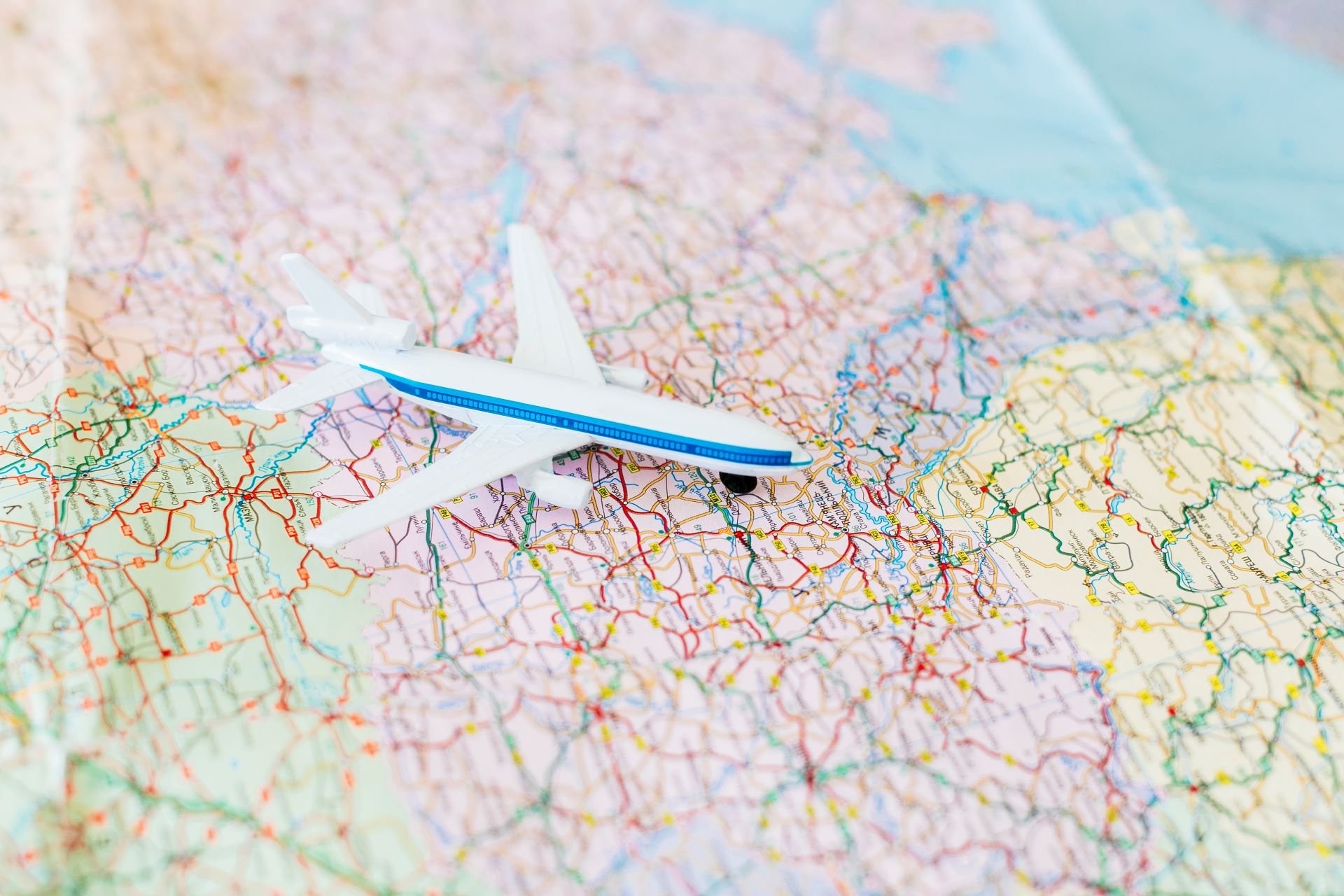
Online tools and apps now allow travelers to preview flight routes and even approximate views from above. Satellite imagery, 3D terrain maps, and travel blogs can help determine which routes maximize scenic potential. Many airline booking engines integrate route maps and seat selection tools, enabling travelers to choose flights aligned with preferred scenery.
Additionally, apps that track altitude, trajectory, and points of interest along flight paths allow passengers to anticipate moments of interest and prepare cameras or simply enjoy the view.
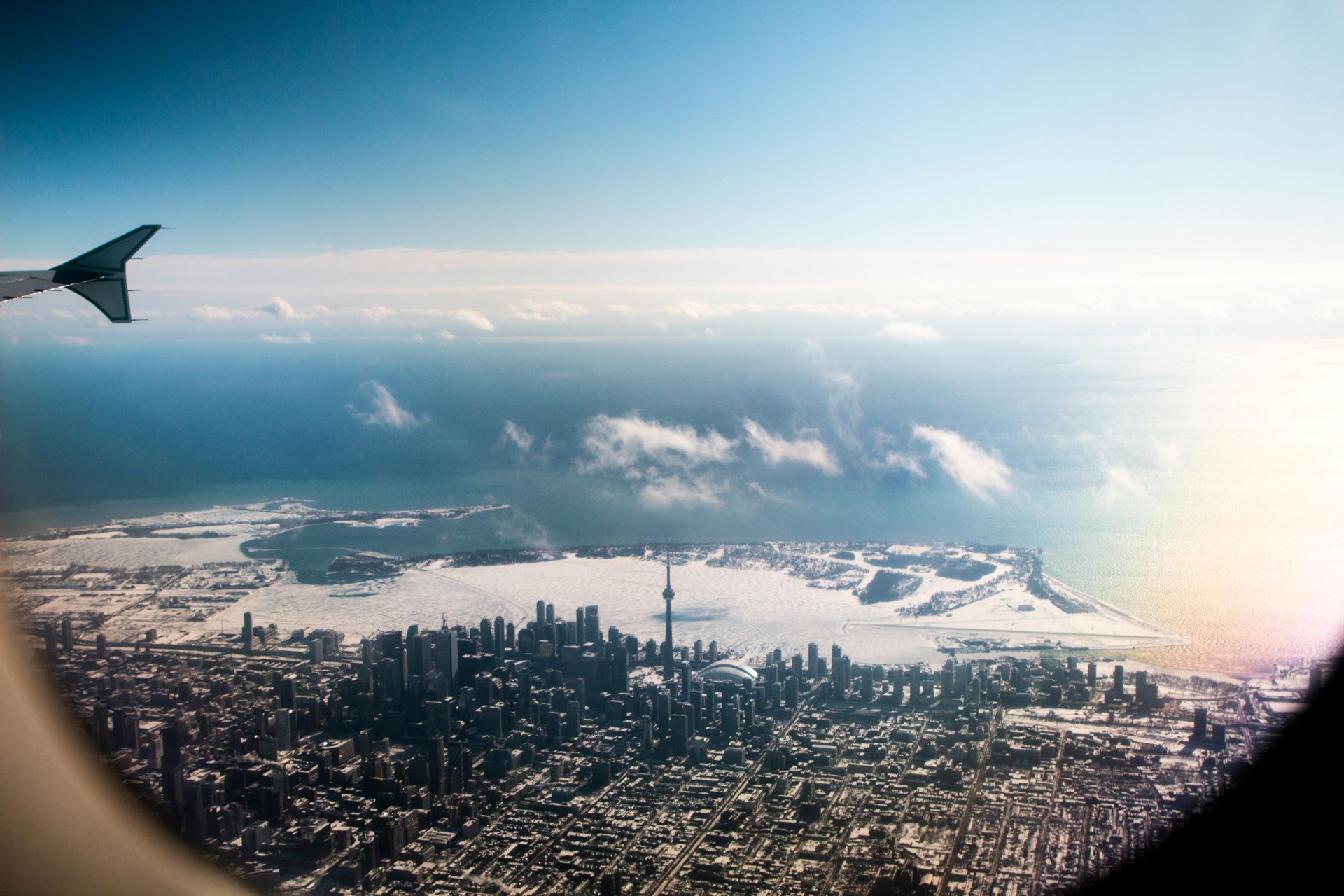
Booking flights for scenic routes is as much about research and timing as it is about the act of flying itself. By carefully considering airline selection, aircraft type, seat placement, time of day, weather, and geography, travelers can transform an ordinary flight into an immersive journey through some of the world’s most stunning landscapes. From winding rivers to soaring mountains and endless coastlines, aerial vistas offer a perspective on our planet that few other experiences can match. With a little preparation, every flight can be more than a commute—it can be an unforgettable adventure in the sky.
Gerald Ferreira
Our travel editorial desk specializes in uncovering the best flight deals and destination insights within South Africa. We bring you first-hand updates on airline industry moves and budget travel hacks.
Stay Informed, Stay
Ahead of the Curve
We don't just follow the headlines — we dive deeper. Our well-researched content is designed to empower you with the knowledge needed to navigate an industry shaped by innovation.
Seasoned Professionals
Industry stats and market performance metrics.