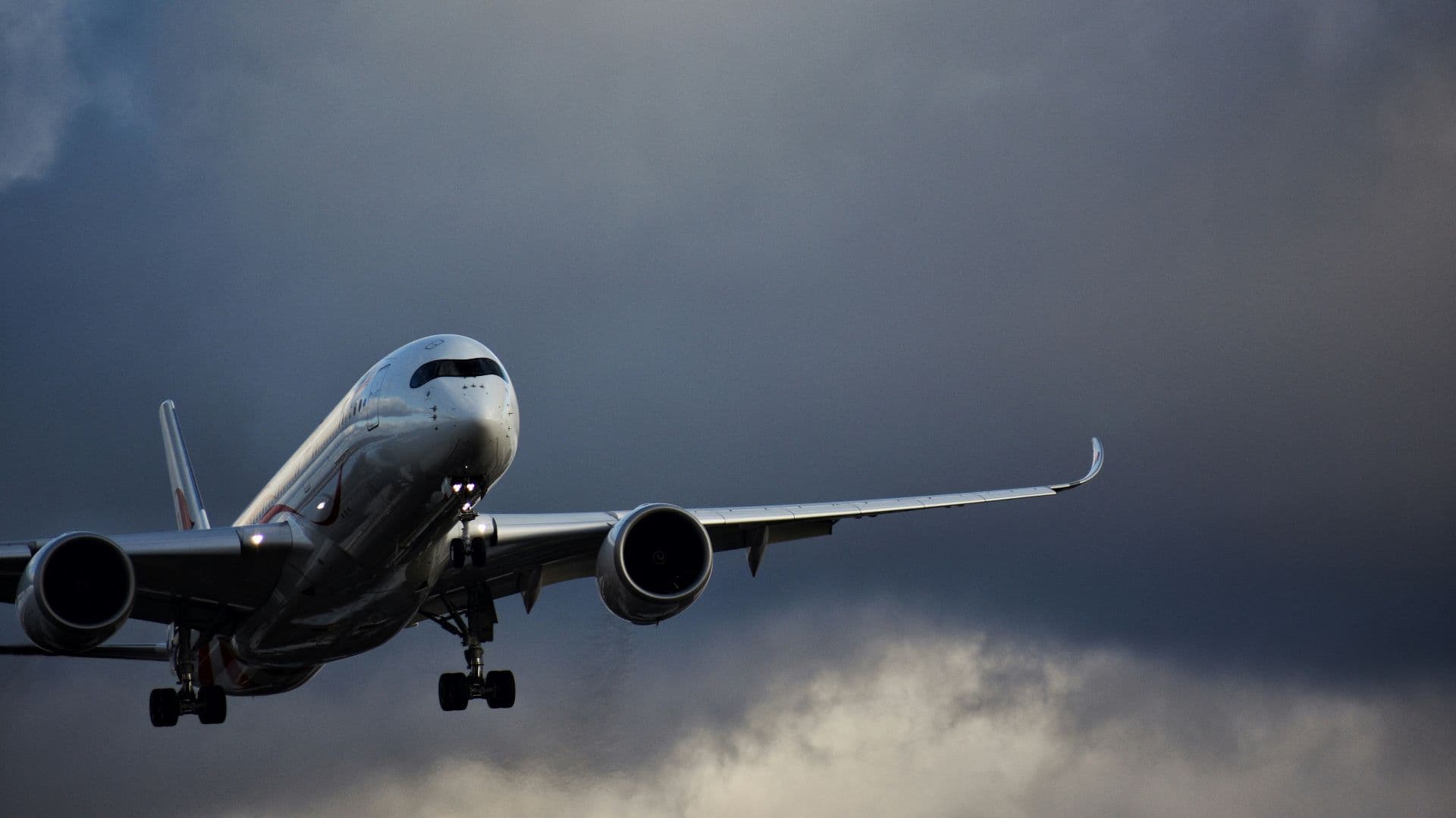
Flying. That magical, maddening marvel of modernity that lets us cross time zones while bingeing reruns at 35,000 feet, snacking on pretzels in a pressurised metal tube, only to stumble off the aircraft several hours later feeling like we’ve just fought a polite but exhausting battle with space-time itself.
Whether you're a seasoned jet-setter chasing sunsets or a once-a-year adventurer flying to your cousin’s wedding in Phuket, you’ve likely felt the peculiar cocktail of fatigue, disorientation, and giddy elation that accompanies air travel. But what actually happens to our minds and bodies when we soar above the clouds? Why does flying sometimes make us feel euphoric and other times like we’ve been hit by a metaphysical bus?
In this exploration, we delve into the science of flight's impact on the human condition — from the quirks of cabin air to the emotional whirlwinds of wanderlust. Buckle your seatbelt. It’s going to be an enlightening ride.
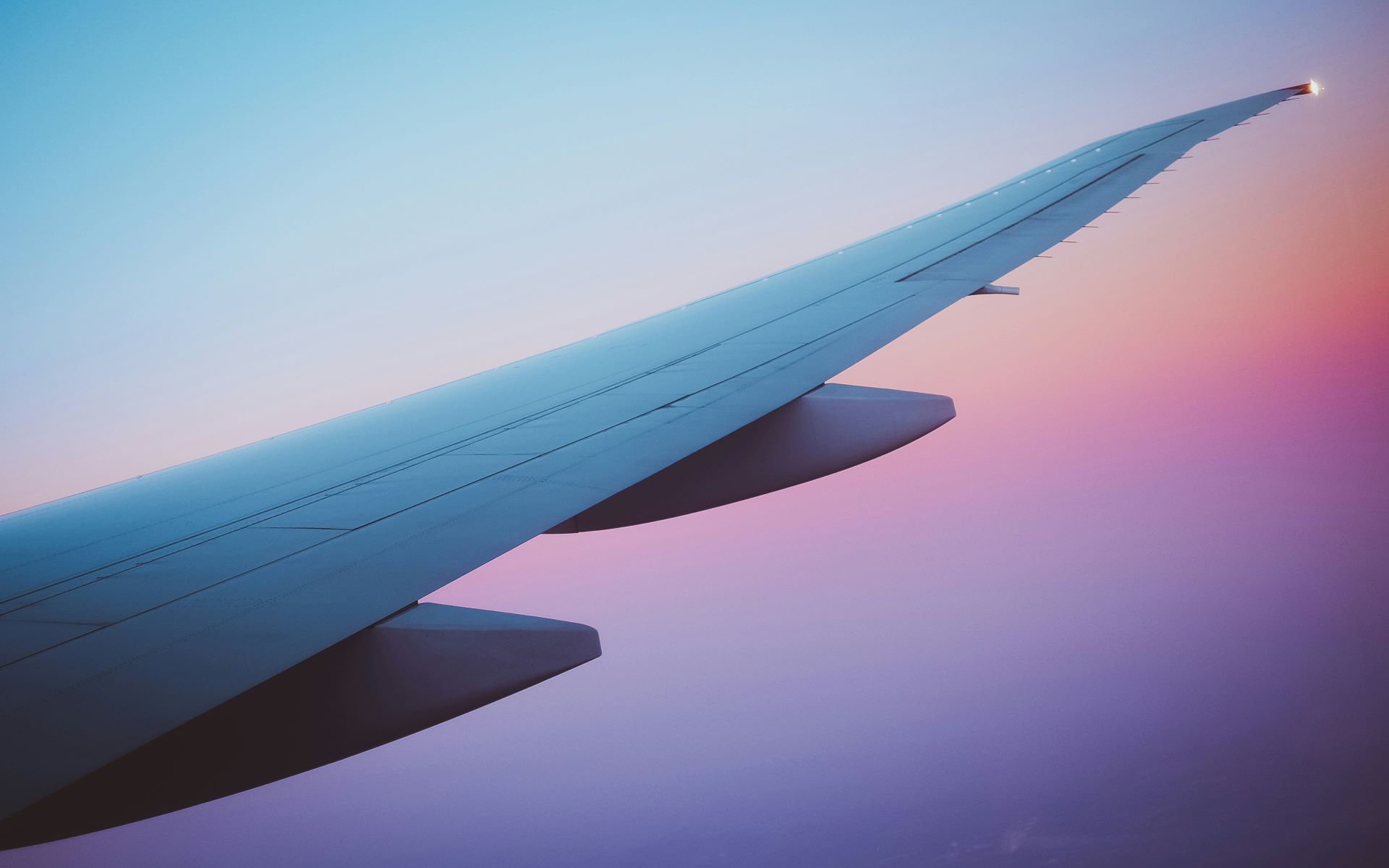
The High Cost of High Altitude
Let’s start with the obvious: airplanes are not natural habitats. Cruising at altitudes where the outside air pressure is akin to that atop a Himalayan mountain, commercial aircraft are pressurised to mimic a comfortable altitude — but only up to a point. Most cabins are set to simulate conditions of 6,000 to 8,000 feet above sea level.
At this level, the reduced oxygen can lead to mild hypoxia. Don’t panic — this won’t cause your body to shut down (unless you’re already dealing with a serious health condition), but it will affect your alertness, cognition, and mood. Think of it as your brain being put on dimmer lighting.
What You May Feel:
This oxygen deficiency, paired with dry cabin air — often with humidity levels lower than the Sahara Desert — also dehydrates your body, shrinks your mucous membranes, and dulls your sense of taste and smell. That’s why tomato juice is oddly appealing mid-air and your in-flight meal tastes like vaguely seasoned cardboard.
Jet Lag: When Your Circadian Rhythm Gets Jet-Lagged
Let’s talk about jet lag — the villain of the frequent flyer. Officially known as desynchronosis, jet lag occurs when your body’s internal clock is thrown off by rapid time zone changes. It’s not just about feeling tired at the wrong time. Jet lag is a complex neurochemical mismatch that affects everything from hormone levels to digestion and even emotional regulation.
Your circadian rhythm, that ancient internal metronome, is orchestrated by your suprachiasmatic nucleus — a name that sounds like it belongs in a Marvel film. This structure lives in your brain’s hypothalamus and is influenced by environmental cues like light and temperature.
Fly East, Suffer More
Crossing time zones eastward shortens your day, making it harder to adjust. Flying west lengthens it, which your body can handle more easily. That’s why red-eye flights to Europe often hit harder than those back to the States.
Symptoms of Jet Lag Include:
There’s no magic cure, though strategies like gradually adjusting your sleep schedule pre-flight, exposing yourself to bright natural light upon arrival, and even melatonin supplements can help.
The Psychological Impact of Flight
The mental effects of flying aren’t confined to biology. Air travel can stir up a surprising brew of emotions — not all of them unpleasant.
The “Airplane Effect”
There’s a fascinating phenomenon researchers call the “airplane effect” — an emotional vulnerability that makes people cry during movies on planes. Anecdotal evidence abounds (just ask Twitter), and while conclusive studies are limited, factors like altitude, fatigue, and isolation likely play a role.
Flying puts us in a liminal space — disconnected from daily routines and grounded expectations. Psychologically, it resembles a kind of floating catharsis, a rare pocket of enforced stillness where emotions simmer to the surface.
Translation? You might find yourself tearing up over a Ryan Reynolds rom-com at 36,000 feet and questioning your life choices while sipping a Diet Coke.
Love, Loneliness, and the Romance of Travel
Beyond the physiology, there’s something deeply emotional about flight — a blend of anticipation, vulnerability, and detachment that can be oddly romantic or melancholic.
Why We Romanticise Air Travel
Despite the long lines and airport indignities, flying still carries echoes of glamour and transformation. It’s a kind of modern pilgrimage. You're neither here nor there, suspended between destinations — both physically and metaphorically.
Travel psychologists have explored how airports and planes serve as “non-places” where identity becomes fluid. You’re no longer bound by your day job or the roles you play in your social circles. In this identity limbo, people often feel more open to introspection, connection, even reinvention.
That’s also why strangers occasionally spill their life stories mid-flight. There’s an unspoken understanding that you’re both passing through — together yet apart — with nothing to lose by revealing a little too much.
A Body in Transit: Physical Side Effects of Flying
So what exactly happens to your body during and after a long-haul flight?
Swollen Legs and DVT
Hours of sitting can cause fluid to pool in your lower extremities, leading to swollen ankles or the more serious risk of deep vein thrombosis (DVT) — blood clots that can form in the legs.
Prevention Tips:
Gut Trouble
Cabin pressure can cause gas in your intestines to expand by up to 30%. Translation? That burrito you had before boarding might not have been your best idea. Bloating, flatulence, and discomfort are all common complaints.
Immune System Funk
Between recycled air, dry conditions, and proximity to hundreds of passengers, flying can lower your body’s immune defences. That’s why post-flight colds are so common.
Arm Yourself With:
The Neuroscience of Wanderlust
Travel — and the anticipation of it — can quite literally change your brain. The excitement of novelty stimulates dopamine production, rewarding the brain for exploration and risk-taking.
But there’s more. Research in cognitive neuroscience shows that travel enhances creativity, reduces mental rigidity, and even improves problem-solving skills. When you navigate unfamiliar environments, your brain is forced to make new connections, rethink assumptions, and stay present — a powerful antidote to autopilot living.
Travel as Cognitive Enrichment
Long-term travel has even been linked to higher levels of open-mindedness and resilience. It’s no wonder digital nomads often describe travel not just as escape, but evolution.
Landing Gently: Tips to Minimise the Fallout
While we can’t yet teleport or bypass time zones, there are practical steps you can take to ease the physical and psychological turbulence of travel.
Smart Traveler’s Checklist:
Is It Worth It? The Joy Beyond the Jet Lag
Despite the aches, yawns, and bloated bellies, we keep flying. Why?
Because flying remains one of the last truly awe-inducing acts of the modern age. It’s easy to forget, in the din of safety announcements and armrest jostling, that you’re actually hurtling through the sky in a metal tube at nearly 900 km/h, watching cities shrink and cloudscapes unfold like living art.
Flying collapses distance, compresses time, and expands your world. It's uncomfortable, yes. Sometimes infuriating. But also — in its own unglamorous way — miraculous.
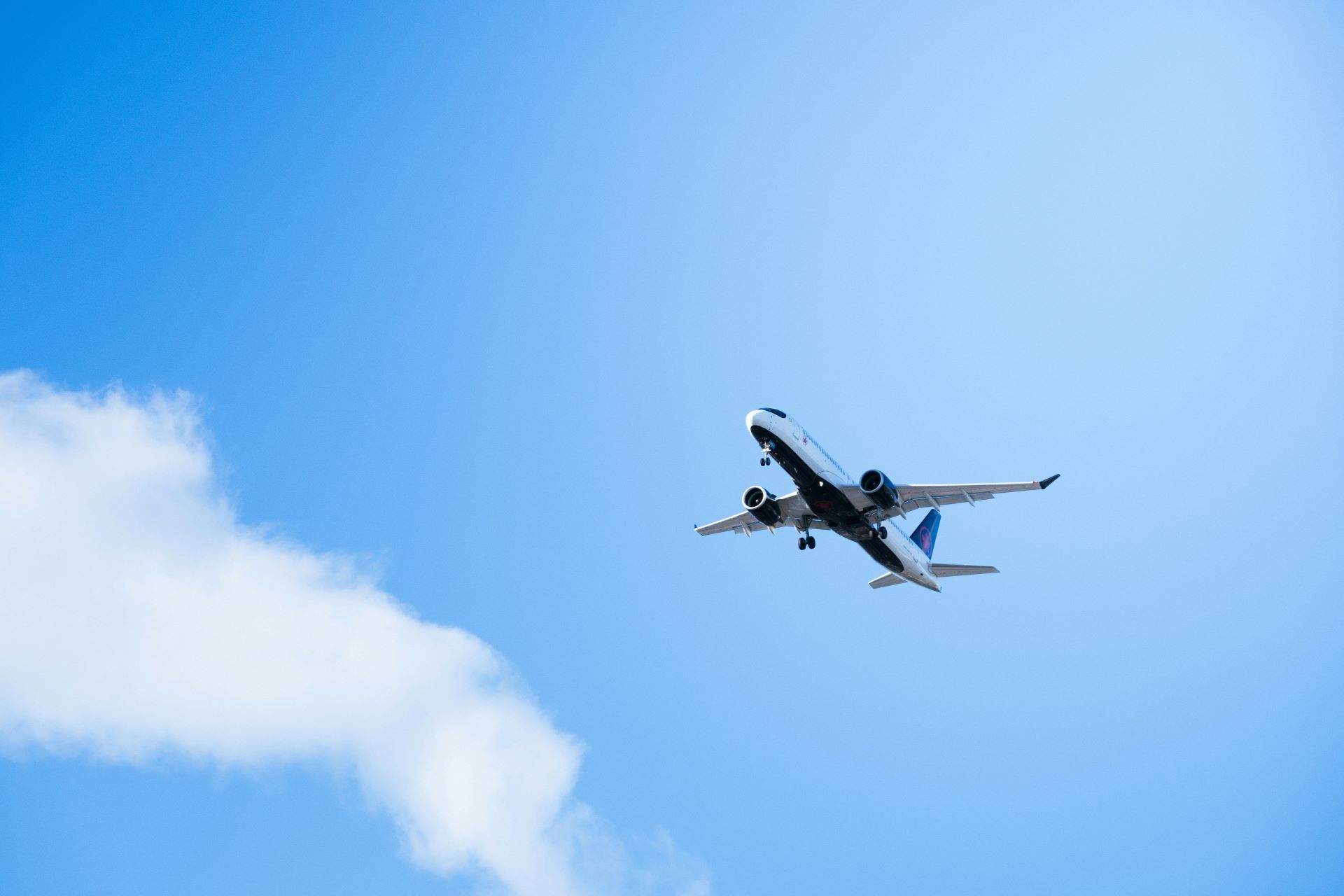
Final Descent: The Meaning of Movement
As the wheels touch down and the cabin lights flicker on, something subtle shifts inside you. You’re no longer the person who boarded the plane. You’ve passed through altitude, emotion, discomfort, and discovery. You’ve been momentarily unmoored, and now, reanchored — with jet lag, yes, but also with stories, memories, and a wider view of the world.
Because in the end, the strange beauty of flight isn’t just about getting from A to B. It’s about who you are in that in-between space — and who you become on the other side.
Bon voyage.
Gerald Ferreira
Our travel editorial desk specializes in uncovering the best flight deals and destination insights within South Africa. We bring you first-hand updates on airline industry moves and budget travel hacks.
Stay Informed, Stay
Ahead of the Curve
We don't just follow the headlines — we dive deeper. Our well-researched content is designed to empower you with the knowledge needed to navigate an industry shaped by innovation.
Seasoned Professionals
Industry stats and market performance metrics.