
A Region Reawakens
The COVID-19 pandemic brought global air travel to a near standstill. In Southern Africa, a region heavily reliant on aviation to bridge vast distances and support both business and leisure travel, the effects were particularly pronounced. From grounded fleets and shuttered terminals to the collapse of national carriers, the reverberations cut across economies and communities alike.
Now, more than four years since the initial outbreak, Southern Africa’s aviation industry is slowly rebuilding itself — route by route, partnership by partnership. As airlines recalibrate and tourism boards reignite interest in the region’s multifaceted travel offerings, a complex narrative of recovery is taking shape. This is the story of how air travel in Southern Africa is evolving — driven by necessity, resilience, and a reimagined vision for regional integration.

The Pre-Pandemic Landscape: A Regional Snapshot
Before the pandemic, Southern Africa’s airspace was a tapestry of domestic connections, international routes, and cross-border corridors linking economic hubs, safari lodges, island getaways, and emerging urban destinations.
South African Airways (SAA) once dominated the regional network, acting as both a continental bridge and a feeder into global markets via Johannesburg. Air Namibia, TAAG Angola Airlines, and LAM Mozambique Airlines played critical roles in connecting their respective countries to the wider region.
Key airports like OR Tambo International (Johannesburg), Hosea Kutako International (Windhoek), and Kenneth Kaunda International (Lusaka) were bustling gateways, linking Southern Africa to Europe, the Middle East, and Asia. Low-cost carriers such as FlySafair and Kulula.com complemented legacy airlines by stimulating demand among price-sensitive travellers.
Then came the pandemic — and with it, border closures, travel bans, and a cascade of airline suspensions.
The Fallout: Grounded Ambitions
Southern Africa’s aviation infrastructure proved vulnerable to external shocks. SAA entered business rescue in December 2019, even before the pandemic’s full impact. By mid-2020, the airline had suspended most operations, forcing passengers to rely on international carriers or find costly alternatives.
Namibia's national carrier, Air Namibia, was liquidated in early 2021 after years of financial instability. Comair, the parent of Kulula and British Airways (South Africa), ceased operations in 2022. Meanwhile, airport revenues plummeted, and thousands of aviation and tourism workers lost their livelihoods.
Tourism-dependent economies such as Namibia, Zimbabwe, Botswana, and Zambia saw visitor arrivals collapse. The loss of connectivity hit hard, particularly in remote regions where air access was essential for safari tourism and trade.
Navigating the Turbulence: Government and Industry Response
Amid the downturn, governments, private sector players, and tourism bodies began crafting strategies for recovery. In South Africa, the state prioritised the restructuring of SAA, which resumed limited operations in late 2021 under a new, leaner business model.
Namibia introduced FlyNamibia — a privately-owned airline now operating key domestic and regional routes, including Windhoek to Cape Town and Johannesburg. FlyNamibia, in partnership with Airlink, is steadily filling the gap left by Air Namibia's demise.
Airlink itself has emerged as a dominant force in the region, leveraging its independence from state funding and its flexible network model to expand into previously underserved markets. From Lubumbashi to Beira, Airlink’s network now connects more Southern African cities than any other carrier.
FlySafair, South Africa’s leading low-cost carrier, expanded internationally with new routes to Harare, Livingstone, and Windhoek in 2023. Its efficient, no-frills model has proven resilient in the face of rising costs and shifting travel behaviours.
Across the region, governments have offered varying levels of support. Zambia has liberalised its skies, attracting new investment and fostering the growth of local operators. Botswana’s Air Botswana has received fresh investment to revitalise its ageing fleet. Zimbabwe is betting on tourism growth through fastjet Zimbabwe, a privately operated regional carrier with routes into South Africa and Mozambique.
Route Revival: Mapping the New Airspace
The resurgence of routes across Southern Africa is uneven but promising. While some pre-pandemic services remain suspended or scaled down, others are being launched with strategic intent.
Key Route Developments:
There’s also an encouraging uptick in intra-regional connectivity. Cross-border links that bypass Johannesburg are slowly taking shape, such as Windhoek–Livingstone and Lusaka–Harare — often operated by nimble regional carriers.
However, challenges remain. Visa regimes, high airport taxes, and limited interline agreements still hinder seamless multi-country travel.

Tourism in Focus: The Backbone of Regional Recovery
Tourism is central to Southern Africa’s economic revival, and air connectivity is its lifeblood. From Namibia’s desert lodges to Zambia’s waterfall excursions and Botswana’s delta safaris, the recovery of air routes is directly tied to the return of international travellers.
Namibia saw a 66% increase in tourist arrivals between 2022 and 2023, driven by improved connectivity and aggressive marketing campaigns in Germany, France, and South Africa.
Zimbabwe is investing in Victoria Falls Airport and rolling out incentives to boost air access, while Zambia has partnered with Emirates and Ethiopian Airlines to improve long-haul connections.
South Africa, the region’s largest tourism hub, is leveraging its status as an air transit centre to promote multi-destination packages — encouraging travellers to extend their trips beyond the country’s borders.
Eco-tourism and luxury travel remain key pillars, but affordable regional tourism is also gaining traction. The growth of budget carriers is lowering the cost of cross-border travel, supporting weekend trips and pan-African adventures among middle-income travellers.
Strategic Alliances and Multilateral Coordination
The road to full recovery lies not only in airline operations but also in regional collaboration.
Key developments include:
Private-sector alliances are also evolving. Tour operators, hotels, and airlines are bundling offerings, while tech platforms are enabling multi-country itineraries with greater ease.
The Role of International Carriers
Middle Eastern, European, and East African carriers continue to play a critical role in connecting Southern Africa to the world.
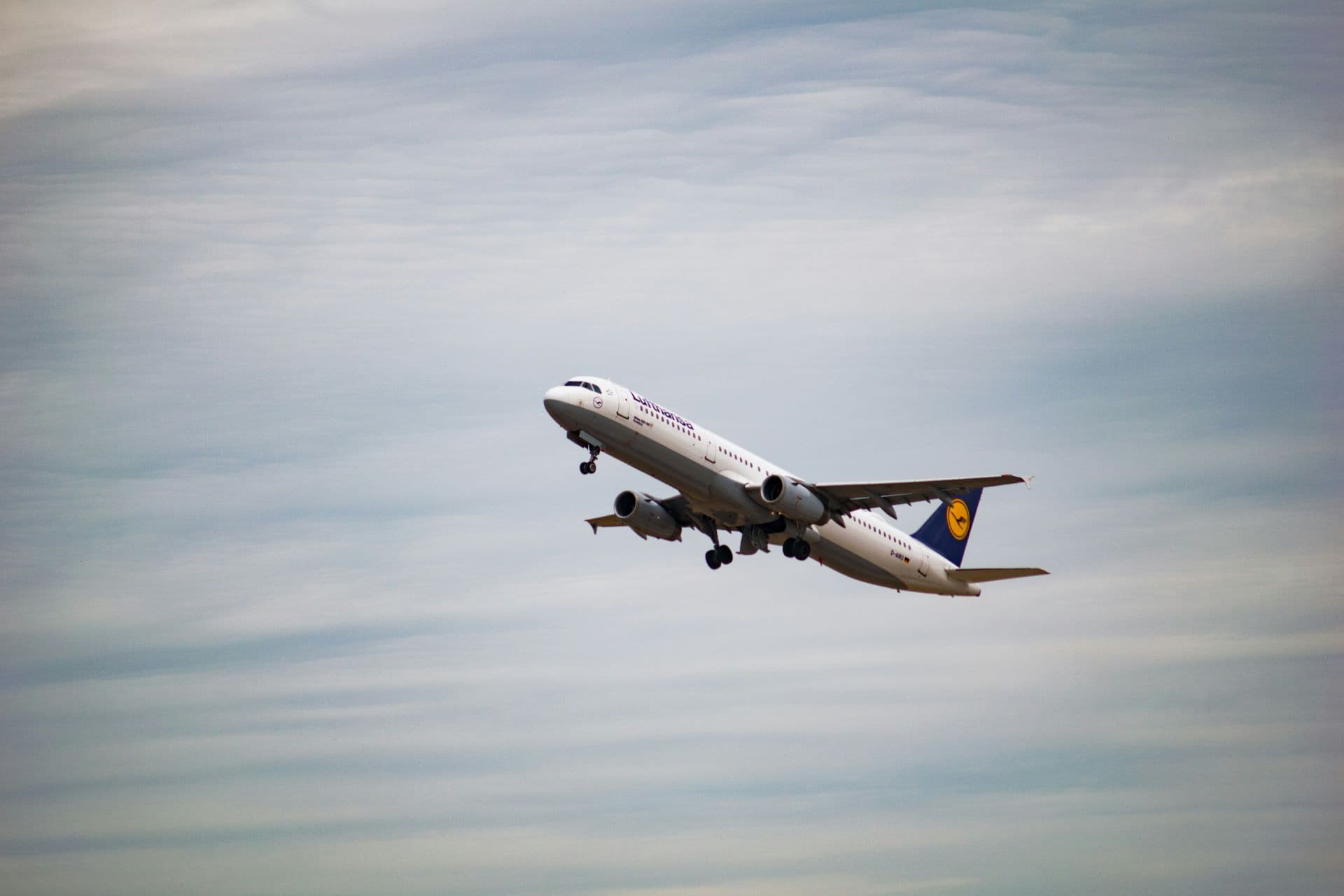
Ethiopian Airlines has expanded its Lusaka and Victoria Falls routes. Qatar Airways and Emirates have added frequencies and upgraded aircraft on key trunk routes. KLM, Lufthansa, and Turkish Airlines offer consistent service into Johannesburg and Cape Town, with seasonal extensions to Windhoek and Maun.
These carriers are essential for long-haul tourism and cargo logistics, but their dominance raises questions about local competitiveness and the risk of over-reliance on external hubs.
Challenges and Headwinds
Despite the progress, several headwinds persist:
Opportunities for Innovation
Recovery is also an opportunity for reinvention. Digital ticketing, contactless processing, and enhanced data analytics are improving the passenger experience. Airlines are investing in fleet modernisation, with smaller aircraft that can economically serve thin routes.
Sustainability is gaining momentum. FlyNamibia is exploring carbon offset programs, and Johannesburg’s OR Tambo International is installing solar arrays to reduce its energy footprint. Green aviation — still in its infancy — is part of the longer-term vision.

Looking Ahead: The Next Chapter in Southern African Aviation
Southern Africa’s aviation recovery is more than a return to the skies — it’s a reimagining of how air travel can underpin economic growth, regional integration, and sustainable tourism.
With the right mix of policy reform, private investment, and coordinated marketing, the region can unlock a more connected, accessible, and resilient airspace. The lessons of the pandemic have made one thing clear: air travel is not a luxury for Southern Africa — it is a necessity.
As new routes open, partnerships deepen, and travellers return, the sector’s revival offers hope not only to the aviation industry but to the broader vision of a unified, thriving Southern African region.
Gerald Ferreira
Our travel editorial desk specializes in uncovering the best flight deals and destination insights within South Africa. We bring you first-hand updates on airline industry moves and budget travel hacks.
More From South Africa

How to Find Cheaper Domestic Flights in South Africa Without Missing the Important Extras
A lower fare is only useful when it still suits your travel plans. Learn how to compare South African domestic flights by travel date, airport, baggage, seat selection and total trip cost.

How to Find Cheap Flights in South Africa
Learn how booking windows, timing strategies, and fare trends can help South Africans consistently find cheaper domestic and international flights.
Luxury in the Skies: Are Premium Cabins the New Travel Destinations?
Stay Informed, Stay
Ahead of the Curve
We don't just follow the headlines — we dive deeper. Our well-researched content is designed to empower you with the knowledge needed to navigate an industry shaped by innovation.
Seasoned Professionals
Industry stats and market performance metrics.