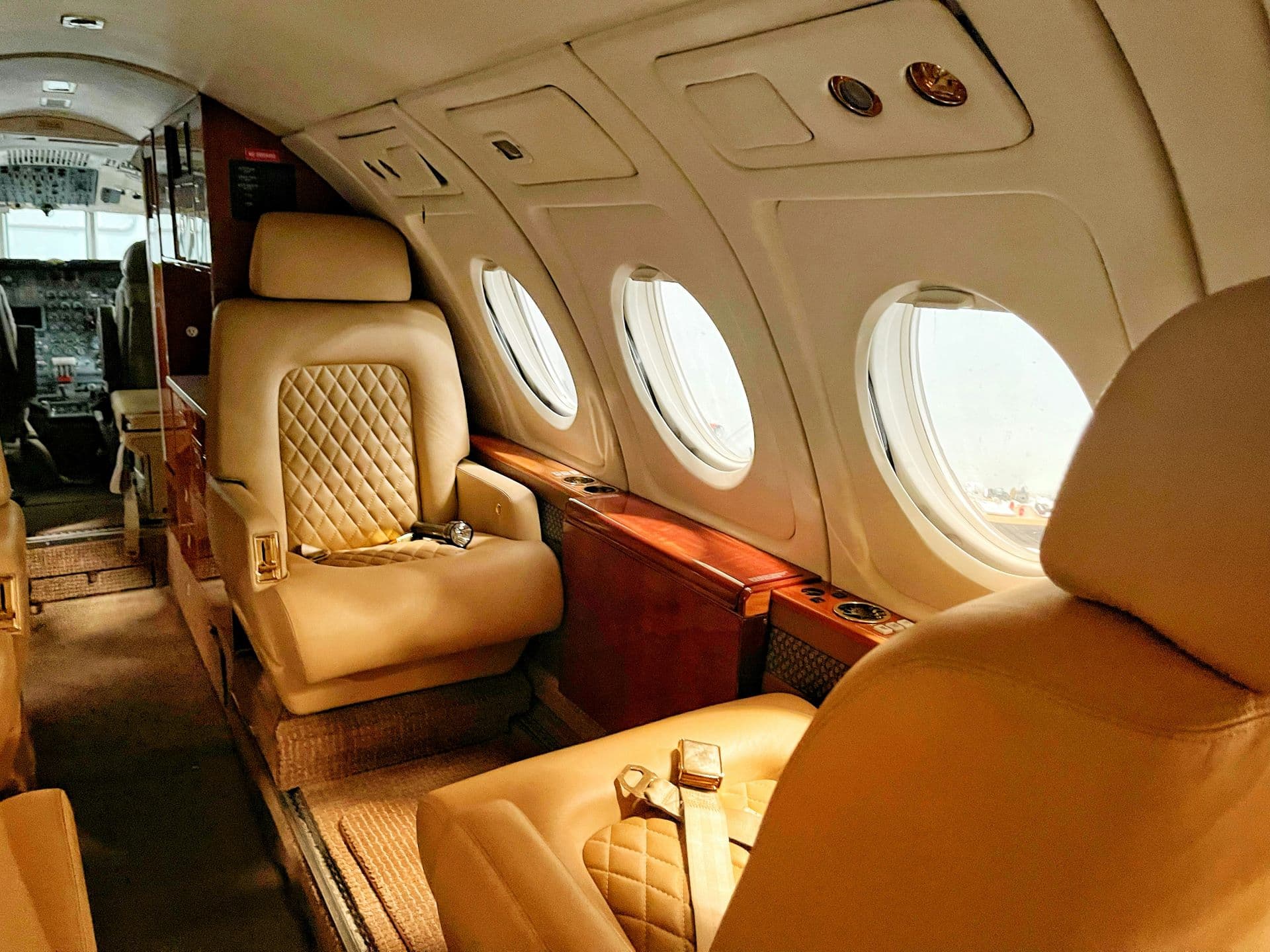
A Changing Sky
Air travel was once the domain of the privileged few, a pursuit marked by exclusivity, glamour, and the promise of refinement at 30,000 feet. Over the decades, however, aviation became more accessible, with the arrival of budget airlines and competitive pricing models transforming it into a necessity rather than a novelty. In this shift, many assumed that luxury would become an afterthought. Yet, as global competition intensified, airlines began to recognise that their advantage lay not merely in pricing or punctuality, but in the quality of the experience they could offer. In-flight luxury has, in many ways, become the new battleground—a means of cultivating loyalty, elevating brand prestige, and shaping perceptions of what it means to fly.
The journey from function to indulgence has been gradual but deliberate. Today, in-flight luxury represents far more than plush seats and silver cutlery. It encapsulates a philosophy: that the journey itself should be as memorable as the destination.

From Glamour to Utility and Back Again
The golden age of aviation, particularly in the mid-20th century, is often romanticised as a time when air travel was imbued with sophistication. Passengers dressed in their finest attire, stewardesses embodied elegance, and airlines like Pan Am and TWA cultivated reputations as symbols of modernity. Champagne flowed freely, gourmet meals were standard, and space—both personal and atmospheric—was abundant.
This era, however, gave way to a new reality. The deregulation of airlines in the late 1970s, followed by the expansion of budget carriers, made air travel accessible to the masses. While affordability became a triumph of democratisation, it also meant that comfort and luxury were sacrificed in the pursuit of efficiency. The perception of flying shifted from glamorous privilege to utilitarian necessity, characterised by crowded cabins, shrinking legroom, and standardised services.
Yet the pendulum has swung again. As markets matured and customer expectations evolved, airlines recognised an opportunity to differentiate themselves not solely through affordability but by rekindling the essence of indulgence. Modern travellers, especially business executives and premium leisure passengers, are no longer satisfied with merely reaching their destination—they expect to arrive rejuvenated, enriched, and even inspired. Luxury, once considered an accessory, is now a strategic necessity.
The Rise of Premium Cabins
One of the most visible manifestations of this renaissance has been the transformation of premium cabins. What was once a simple step above economy has evolved into a world of immersive comfort. Lie-flat beds, once the preserve of a select few, are now an expectation in business class. First class has taken the concept further, with private suites complete with closing doors, designer bedding, and personalised service akin to a five-star hotel.
Airlines such as Singapore Airlines, Emirates, and Qatar Airways have pushed boundaries with innovations like enclosed cabins, in-flight showers, and private dining experiences. The aim is not only to provide physical comfort but to create a sense of exclusivity—a personal sanctuary in the sky where passengers feel removed from the constraints of commercial travel.
At the same time, premium economy has emerged as a middle ground for discerning travellers who seek enhanced comfort without the full extravagance of business class. Wider seats, superior catering, and additional space reflect a recognition that luxury does not need to be absolute—it can also be incremental.
The evolution of premium cabins illustrates a broader truth: luxury in the air is not static. It adapts to market segments, cultural expectations, and technological possibilities, ensuring that passengers of varying budgets can access different gradations of indulgence.
Dining Above the Clouds
In-flight dining has long been a focal point of differentiation, though for many years it suffered under the limitations of altitude and logistics. Today, airlines are investing heavily in transforming meals from perfunctory sustenance into gourmet experiences.
Collaborations with Michelin-starred chefs have become commonplace, with airlines tailoring menus to reflect both global sophistication and local flavours. Presentation is as important as preparation, with tableware designed by luxury brands, artisanal wines curated by expert sommeliers, and multi-course dining experiences that rival those of ground-based restaurants.
Moreover, technology has played a role in elevating in-flight dining. Advanced galley equipment allows for more precise cooking methods, while innovations in packaging and preservation ensure freshness at altitude. Airlines also recognise the growing importance of dietary preferences and health-conscious options, offering plant-based menus, low-sodium dishes, and customisable meals that reflect contemporary wellness trends.
The goal is no longer to make dining tolerable but to make it memorable—an indulgence that passengers anticipate rather than endure.
Technology as a Gateway to Luxury
Luxury in the modern age is not defined solely by material comforts but by seamless integration of technology. Passengers expect connectivity, entertainment, and convenience that mirror, if not surpass, their ground-based lifestyles.
In-flight entertainment systems have evolved into expansive platforms offering hundreds of films, television shows, live programming, and interactive features. High-definition screens, noise-cancelling headphones, and intuitive interfaces ensure immersion, while the latest developments in virtual and augmented reality hint at new possibilities.
Wi-Fi connectivity, once an extravagance, is now becoming ubiquitous, with some airlines even offering complimentary high-speed internet in premium cabins. This is not merely about productivity for business travellers—it also represents continuity of lifestyle. The ability to stream content, connect with family, or manage digital portfolios mid-flight underscores the merging of luxury with practicality.
Technology also extends to the subtle aspects of the passenger journey. Smart lighting that adjusts to circadian rhythms, app-based control over seats and cabin features, and AI-driven personalisation of entertainment content all contribute to a sense of considered luxury. It is not about adding more, but about creating an ecosystem in which everything works effortlessly.
Wellness in the Sky
Another facet of modern in-flight luxury lies in wellness. Travellers are increasingly health-conscious, and airlines have responded with measures that address the physical toll of flying.
Cabin pressurisation has been adjusted on new aircraft such as the Boeing 787 Dreamliner and Airbus A350 to reduce fatigue, while advanced air filtration systems improve cabin atmosphere. Humidity levels are monitored and enhanced to combat dehydration, and LED lighting is programmed to ease jet lag.
Wellness-focused amenities extend further. Some airlines offer in-flight exercise routines, guided meditations, and mindfulness content on entertainment systems. Partnerships with luxury wellness brands have resulted in curated amenity kits featuring hydrating skincare, aromatherapy, and even sleep-enhancing products.
The message is clear: luxury today is inseparable from wellbeing. To provide comfort without considering health is no longer sufficient; airlines must help passengers step off the plane feeling refreshed, not drained.
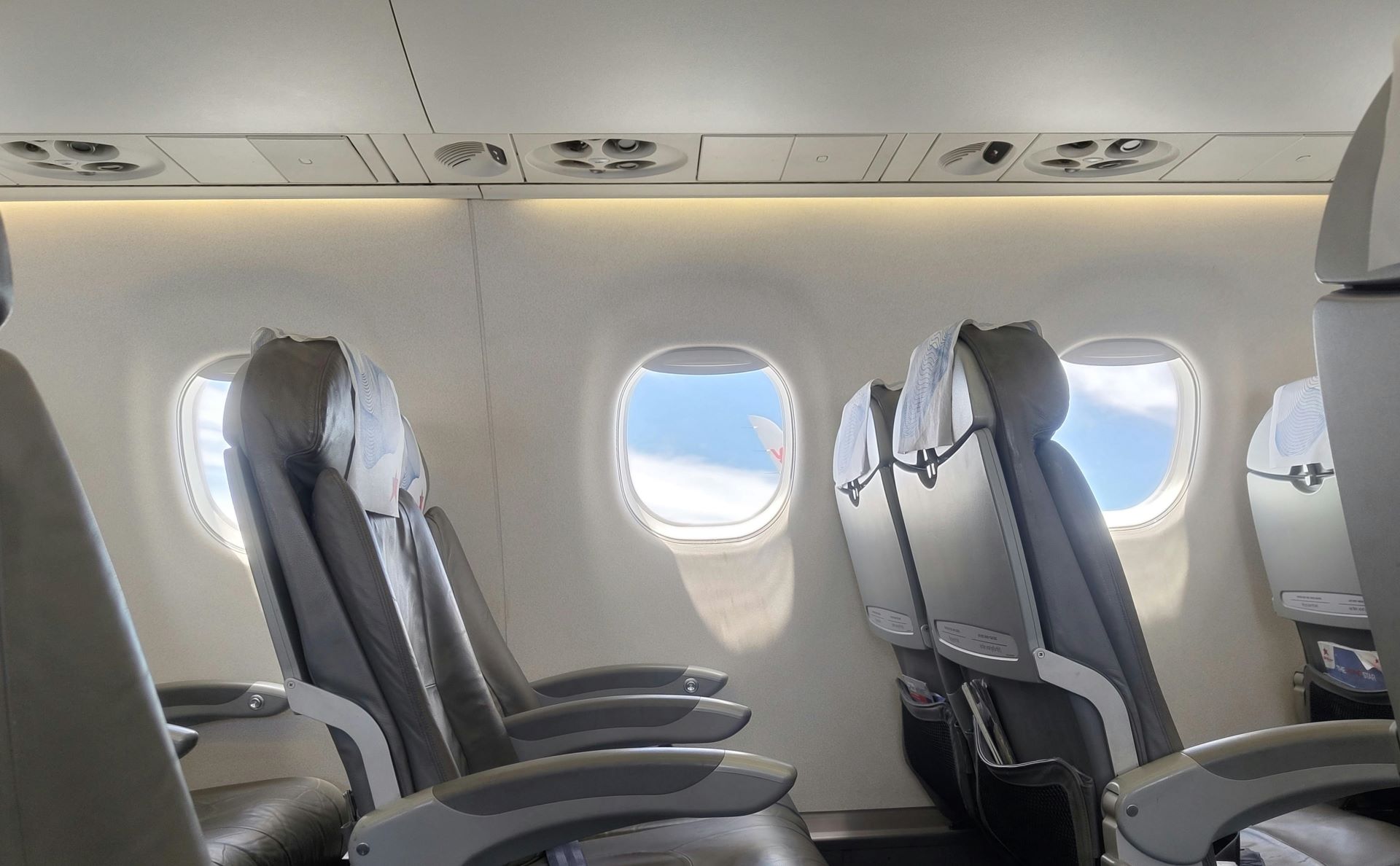
Personalisation as the New Luxury
In a world where mass travel is inevitable, true luxury is increasingly defined by the ability to personalise. Airlines are investing in data-driven systems to anticipate passenger preferences and tailor experiences accordingly.
From remembering dietary restrictions to greeting frequent flyers by name, these touches convey a sense of recognition that transcends transactional service. Digital platforms allow passengers to pre-select meals, customise entertainment, and even control aspects of their environment. For high-value customers, concierge-style services extend beyond the cabin, with bespoke ground transfers, private lounges, and seamless baggage handling.
Personalisation also reflects cultural sensitivity. Airlines cater to diverse passenger bases by offering menus, entertainment, and service styles that resonate with different regions. This adaptability transforms a standardised journey into a uniquely humanised experience, where each passenger feels seen rather than processed.
Luxury Lounges and the Ground Experience
In-flight luxury cannot be viewed in isolation—it begins and ends on the ground. Airline lounges have evolved into destinations in their own right, offering spa treatments, private suites, fine dining, and even art installations. For premium passengers, the journey is curated from check-in to arrival, with private security lanes, chauffeur services, and dedicated staff ensuring smooth transitions.
Airlines like Lufthansa, Emirates, and Qantas have elevated their lounge offerings into brand statements, showcasing national identity and corporate philosophy through design, gastronomy, and service. These lounges act as extensions of the in-flight experience, ensuring consistency in luxury from start to finish.
The holistic view of luxury underscores the shift from compartmentalised perks to a seamless journey. The true measure of indulgence lies not just in the quality of a seat or meal, but in the orchestration of the entire travel narrative.
Sustainability and the Future of Luxury
No discussion of modern aviation can overlook the pressing issue of sustainability. As environmental awareness grows, passengers increasingly associate luxury with responsibility. Airlines are responding by investing in sustainable aviation fuels, lighter materials, and waste-reduction initiatives.
In premium cabins, sustainability manifests through biodegradable amenities, responsibly sourced dining ingredients, and carbon offsetting programmes. Luxury is no longer about excess—it is about refinement, discernment, and alignment with values.
The future of in-flight luxury will likely be shaped by this ethos. Opulence must coexist with conscience, ensuring that indulgence does not come at the expense of the planet. For airlines, the challenge will be to demonstrate that sustainability and luxury are not mutually exclusive but mutually reinforcing.
The Competitive Edge
In the crowded skies of the 21st century, airlines are finding that price and punctuality are no longer sufficient differentiators. Luxury, once considered peripheral, has become central to strategy. It cultivates loyalty, generates premium revenue, and defines brand identity.
Whether through private suites, curated dining, seamless technology, or sustainable innovation, airlines are investing in experiences that transcend transport. They are not merely moving people from point A to point B—they are crafting journeys that enrich the human experience.
The evolution of in-flight luxury reflects a broader truth about contemporary travel: passengers no longer measure value purely in time and money, but in the quality of moments lived along the way. The sky has become not just a space of transit, but a canvas for indulgence, comfort, and imagination.
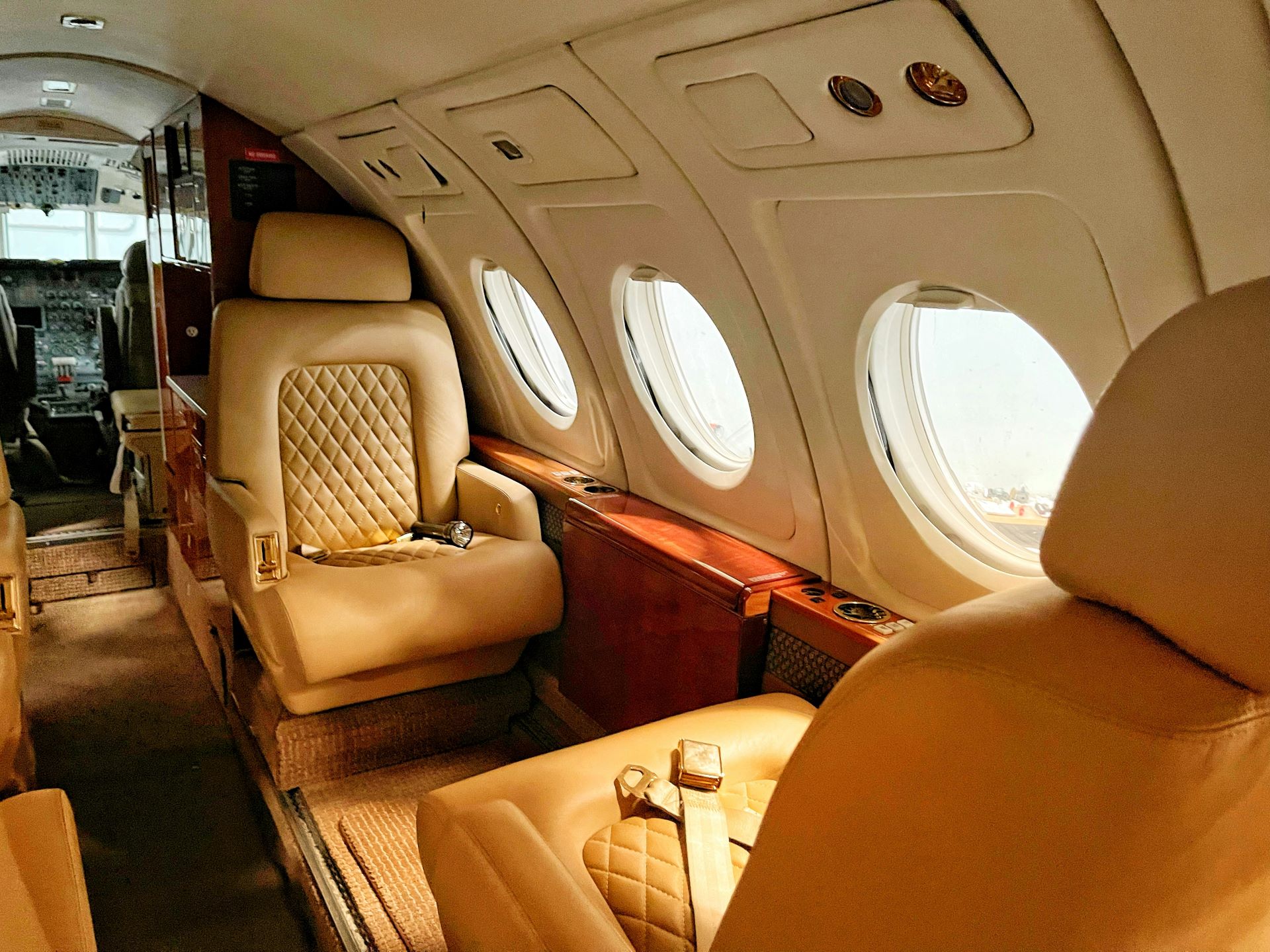
A Horizon of Possibility
As airlines continue to redefine luxury, one truth remains constant: the pursuit of excellence is never static. Passenger expectations will continue to rise, technology will continue to advance, and global challenges such as sustainability will continue to reshape the landscape.
The future of in-flight luxury will likely see even greater integration of personalisation, wellness, and responsibility. Concepts such as biometric boarding, AI-driven cabin experiences, and sustainable design will become part of the narrative. Yet at its heart, the essence of luxury will remain the same—the promise of turning necessity into delight, and a journey into an experience.
In a world where speed and affordability have become commonplace, it is the pursuit of luxury that ensures flying retains its magic. Beyond price and schedule, airlines compete for something far more enduring: the memory of how it felt to soar.
Elisha Roodt
Our travel editorial desk specializes in uncovering the best flight deals and destination insights within South Africa. We bring you first-hand updates on airline industry moves and budget travel hacks.
More From Travel Industry
Why Airlines Care About Your Connection Time Windows
Airlines treat connection times as precision timing tools that drive network efficiency, schedule flow, and global hub synchronization.
How Flight Routes Drive Tourism Growth and Regional Prosperity
Discover how airline routes influence global tourism, boost regional economies, and improve destination accessibility worldwide.
How Airlines Are Shifting to Eco-Friendly Travel
Airlines respond to eco-conscious travelers with carbon offsets, fuel-efficient fleets, and green marketing strategies in commercial tourism.
Stay Informed, Stay
Ahead of the Curve
We don't just follow the headlines — we dive deeper. Our well-researched content is designed to empower you with the knowledge needed to navigate an industry shaped by innovation.
Seasoned Professionals
Industry stats and market performance metrics.