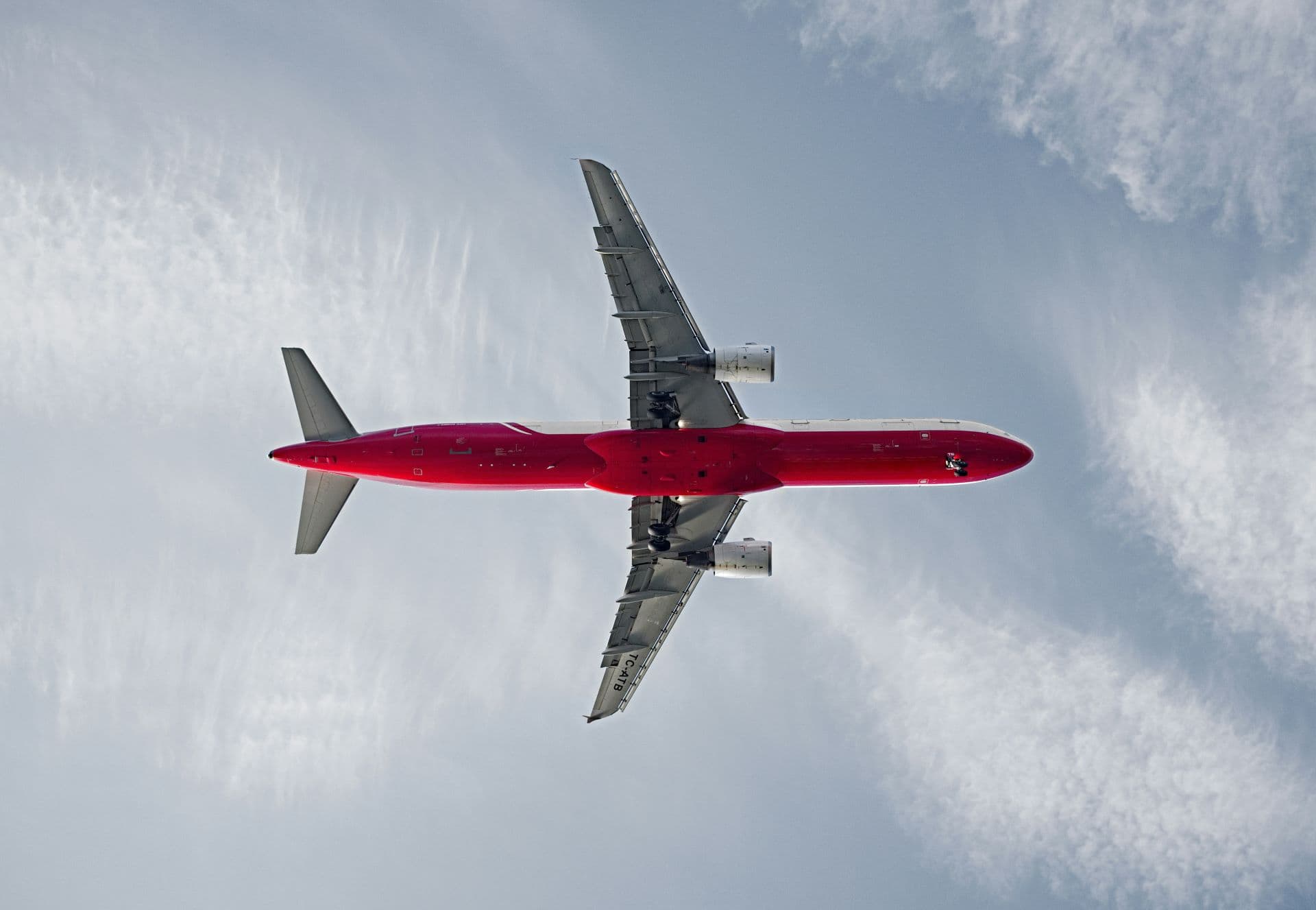
Flying high above the clouds, sipping on a mini bottle of wine, and gazing at the patchwork quilt of fields below—there’s something almost magical about air travel. But why, exactly, do we love to fly? For some, it’s the rush of takeoff; for others, it’s the serene detachment from the world below. Whether you're a frequent flyer or just dream of boarding a plane, this article will delve into the quirky psychological reasons behind our fascination with aerial tourism. From the thrill of adventure to the comforts of modern travel, we’re about to explore the skies from a whole new perspective.
Did you know that there’s a special term for people who are addicted to flying? “Aerophiles” are those who simply can’t get enough of the rush of soaring through the skies. Whether they’re chasing that adrenaline-fueled takeoff or seeking peace in the clouds, these modern-day Icaruses aren’t afraid to fly close to the sun—well, not literally, but close enough.
In this article, we’ll unravel the psychological threads that make flying so irresistible to many. Is it the joy of adventure? The freedom of seeing the world from 30,000 feet? Or is it the luxurious comforts that keep us coming back for more? Let’s dive into the mental mechanics of why we love to fly.
We’ll explore everything from the thrill of takeoff to the satisfaction of airplane rituals. Whether it’s the adrenaline rush or the aerial views, you’ll soon discover why humans have a love affair with flying that’s more than just practical—it’s psychological.
The Thrill of Adventure
Adrenaline Rush
Ah, takeoff—the moment where you’re pressed back into your seat, engines roaring beneath you, and the ground slowly slips away. It’s an exhilarating sensation that gets the heart racing, and for some travelers, it’s the best part of the journey. Psychologists call this phenomenon the “adrenaline rush,” where the body releases dopamine and adrenaline, creating feelings of excitement and euphoria.
For many thrill-seekers, this is the ultimate high—no roller coaster or skydiving experience compares. Studies show that novelty-seeking individuals are more likely to enjoy the challenges and unpredictability of air travel. Every flight is a new adventure, a chance to embrace the unknown and push the boundaries of comfort.
Novelty Seeking
Novelty seeking is a psychological trait where people actively pursue new and exciting experiences. Flying offers exactly that—new horizons, new perspectives, and the possibility of adventure at every destination. Research shows that novelty-seekers are particularly drawn to travel, especially aerial tourism, because it taps into their innate desire for exploration and discovery.
Story
Take Mark, for example, a seasoned traveler and self-professed adrenaline junkie. Mark has flown on 50 different airlines, has tackled the most nerve-wracking airports (we’re looking at you, Paro Airport in Bhutan), and swears that no amount of turbulence can shake his love for flying. For him, each takeoff is a new thrill, a burst of energy that keeps his wanderlust burning bright.
The Love of New Perspectives
Aerial Views
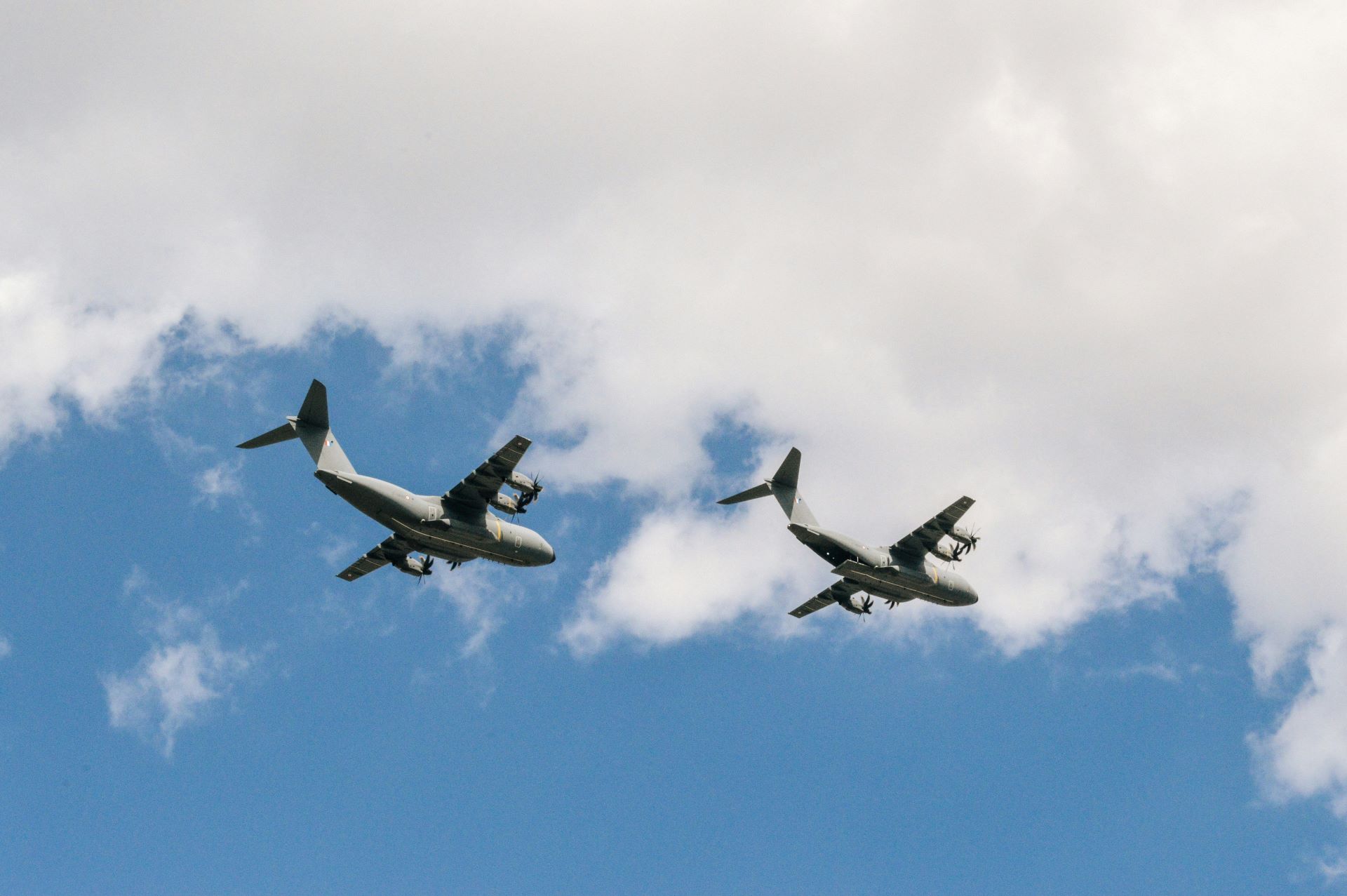
Is there anything more humbling than looking out of an airplane window and seeing the world from above? The tiny cars, the sweeping landscapes, the oceans stretching endlessly into the horizon—it’s a bird’s-eye view that can be both awe-inspiring and strangely comforting. Seeing the world from such heights gives us a perspective we can’t get on land. Psychologically, it offers a sense of “overview effect”—the cognitive shift that astronauts experience when they see Earth from space. For everyday travelers, it’s a taste of that same wonder.
Sense of Escape
Air travel also taps into our desire for escapism. Boarding a plane, we leave behind the mundane routines of daily life, stepping into a world that is quite literally above it all. The feeling of liberation that comes with flying, even for a short while, creates a psychological buffer from the stresses of the ground-bound world below.
Visual Appeal
Photographers and social media influencers will tell you that aerial views are some of the most stunning and Instagram-worthy shots you can capture. There’s something undeniably captivating about seeing landscapes from above, whether it’s the bright coral reefs of the Maldives or the sprawling urban grid of New York City. Psychologists believe this fascination with aerial visuals is rooted in our brain’s love for patterns and symmetry—qualities that are often highlighted in landscapes seen from the sky.
Fun Fact
Did you know that Mount Everest, the highest point on Earth, can actually be seen from certain flight paths? Himalayan sightseeing flights from Kathmandu often treat passengers to a once-in-a-lifetime glimpse of this legendary peak, making it one of the most scenic—and bucket-list-worthy—flights in the world.
The Comforts of Modern Air Travel
In-Flight Amenities
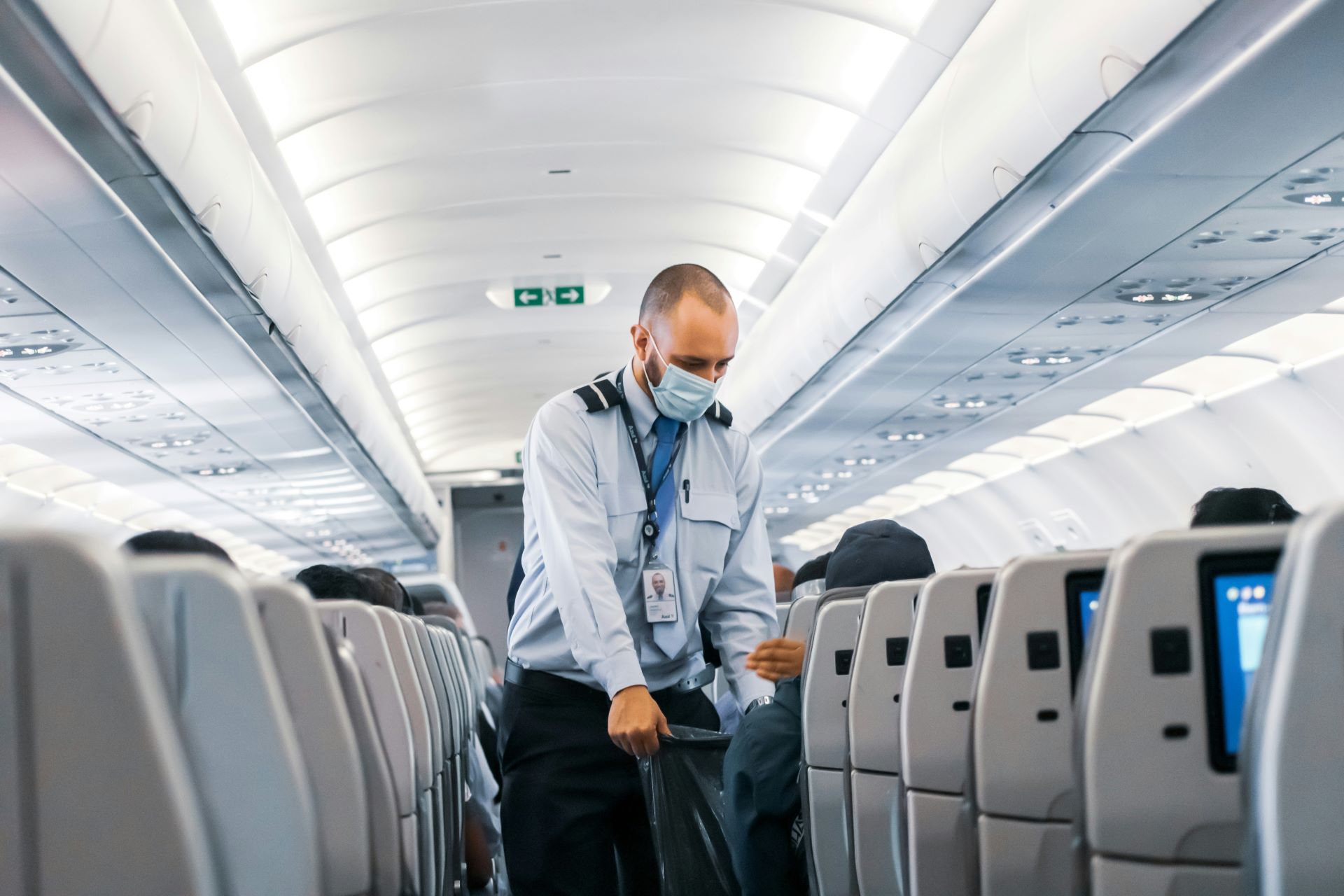
Gone are the days of cramped seats and bland meals (well, mostly). Today’s air travel comes with a suite of modern luxuries designed to make the experience as comfortable as possible. From lie-flat beds in first class to mood lighting, gourmet meals, and even in-flight Wi-Fi, airlines have transformed flying into an experience that’s as much about comfort as it is about speed.
Convenience
There’s a certain psychological satisfaction in the efficiency of air travel. What other mode of transport can take you from Paris to Tokyo in a matter of hours? It’s this incredible convenience that makes flying so appealing to the modern traveler. The mere thought of cutting down days of travel to just a few hours is enough to make even the most hesitant flyers appreciate the practical benefits.
Rituals and Routines
Humans are creatures of habit, and many find comfort in the rituals of flying. From the familiar “ding” of the seatbelt sign to the reassuring hum of the engines during cruising altitude, these small details create a sense of structure. Even the in-flight meal, no matter how simple, taps into our love for routine—there’s something oddly satisfying about peeling back the foil on your tray table and settling in for your meal at 35,000 feet.
Comparison
Let’s not forget how far air travel has come. Back in the 1950s, commercial flights were a bumpy, noisy affair, with limited seating and even more limited legroom. Compare that to the plush, tech-laden experience of today, and it’s easy to see why we’ve fallen in love with flying all over again.
Social and Cultural Impact
Community
Air travel has revolutionized the way we see the world. It has brought cultures closer together, allowing people to connect across continents in ways previously unimaginable. This sense of global interconnectedness fosters a psychological feeling of belonging to a larger community. Every flight is not just a trip from Point A to Point B—it’s a step towards greater cultural understanding and cooperation.
Cultural Exposure
One of the greatest joys of air travel is the exposure to new cultures. For many, flying represents an opportunity to broaden their horizons, literally and figuratively. The psychological benefits of cultural exposure are well-documented—travelers often return from their journeys with newfound empathy, curiosity, and a more open-minded perspective on life.
Personal Growth
Traveling by air isn’t just about seeing new places—it’s also about self-discovery. Whether it’s navigating a foreign airport or adapting to a new time zone, flying pushes us out of our comfort zones. Psychologists suggest that this kind of challenge promotes personal growth, boosting our confidence and expanding our understanding of the world.
Overcoming Fear of Flying
Common Fears
Of course, not everyone loves flying. For some, the mere thought of being in the air can trigger intense anxiety. Yet, despite these fears, many still choose to fly. Why? Because the psychological benefits of travel often outweigh the fear. Whether it’s the promise of a new adventure or the desire to see loved ones, the motivation to fly often surpasses the anxiety that comes with it.
Psychological Strategies
Thankfully, there are plenty of strategies to help manage the fear of flying. From deep-breathing exercises to cognitive behavioral techniques, travelers have developed quirky yet effective ways to keep their anxiety at bay. One popular tip? Treating the flight like a mini spa day—noise-cancelling headphones, essential oils, and a good book can work wonders.
Success Story
Take Maria, for instance, who once couldn’t even step foot on a plane without breaking into a cold sweat. After working with a therapist and practicing mindful meditation, she not only overcame her fear but now looks forward to her annual solo trips across the globe. Her secret? Turning the flight into “me-time,” a few hours of relaxation and reflection while cruising above the clouds.
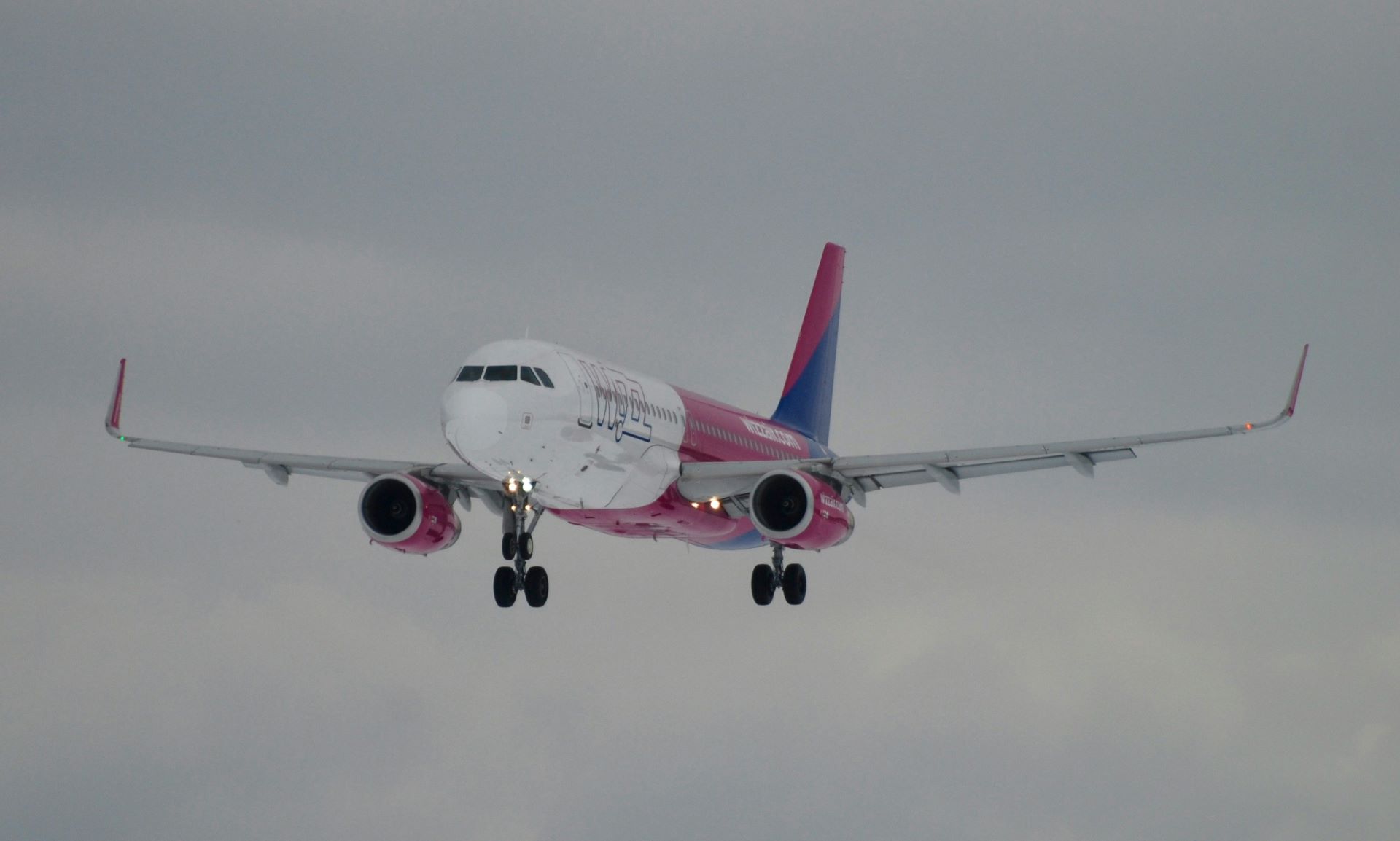
From the adrenaline rush of takeoff to the serene views from the window seat, flying taps into some of our deepest psychological needs. It offers adventure, novelty, comfort, and personal growth, making it an irresistible experience for many. So, the next time you find yourself daydreaming about your next trip, don’t just think about the destination—embrace the journey itself. After all, the sky’s not the limit, it’s just the beginning. As the legendary aviation pioneer Amelia Earhart once said, “The most effective way to do it, is to do it.” So go ahead, book that flight, and let your love for flying take you places you’ve never imagined.
Elisha Roodt
Our travel editorial desk specializes in uncovering the best flight deals and destination insights within South Africa. We bring you first-hand updates on airline industry moves and budget travel hacks.
More From Cheap Flights
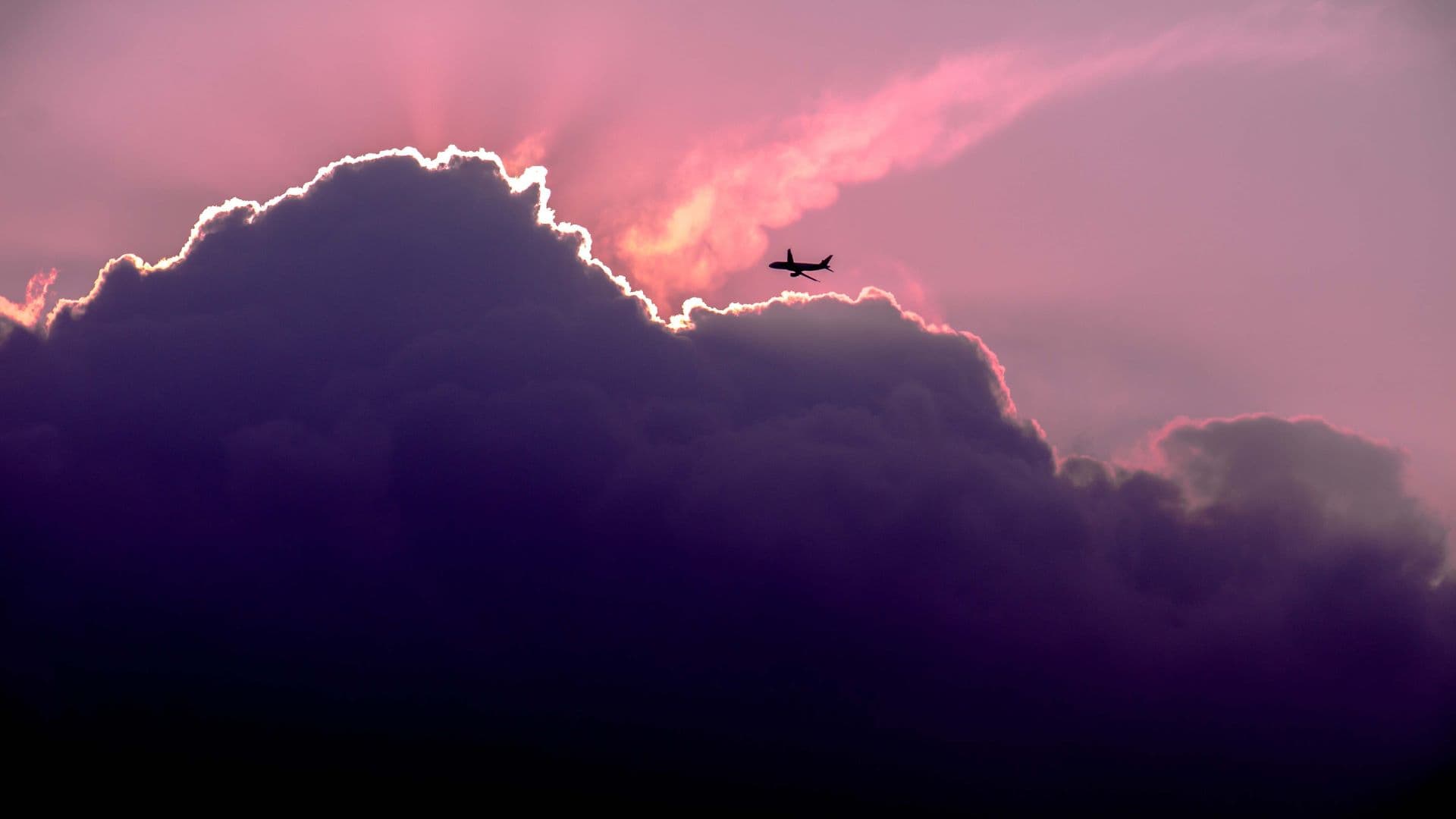
The Corridor Between Ordinary Life and Extraordinary Places
Exploring how commercial flights act as psychological transitions, shifting travellers from daily routine into a mindset of discovery.
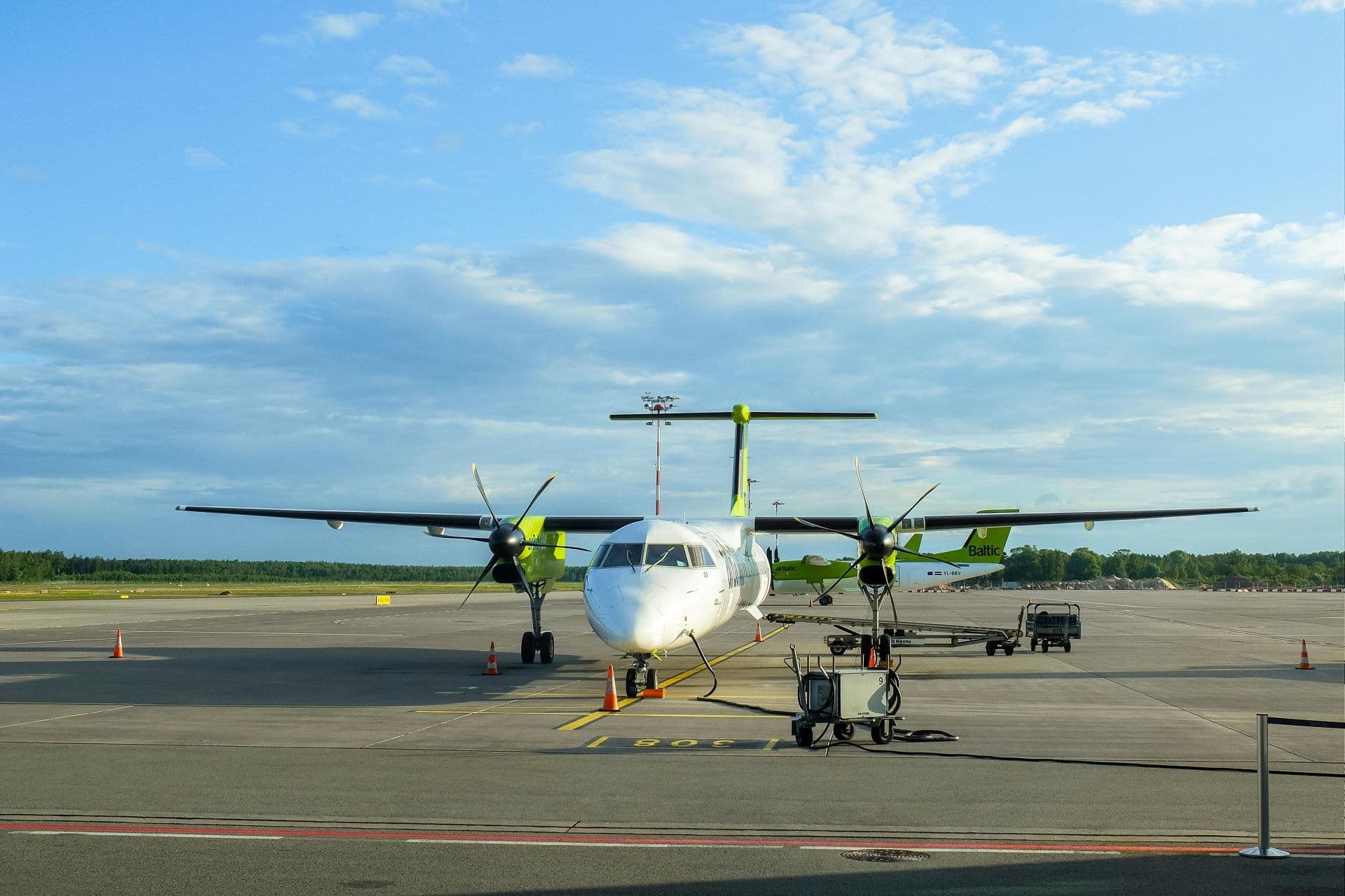
Future of Sustainable Aviation Fuel Explained
Airlines are investing in sustainable aviation fuel, but scalability and cost remain major challenges for tourism and global flight networks.
The Evolution of Airline Loyalty: Tourism in the Age of Frequent Flyer Programs
Stay Informed, Stay
Ahead of the Curve
We don't just follow the headlines — we dive deeper. Our well-researched content is designed to empower you with the knowledge needed to navigate an industry shaped by innovation.
Seasoned Professionals
Industry stats and market performance metrics.