
A New Era of Culinary Storytelling at 35,000 Feet
Long gone are the days when airline meals were a perfunctory necessity, plated for sustenance more than for delight. Today’s travellers board with heightened expectations, not only for comfort and service but for a sense of place the moment the wheels lift off the runway. As tourism boards and airlines seek to differentiate themselves in a crowded global market, one movement is emerging as both a marketing coup and a sensory revelation: collaborations between airlines and local chefs to bring the flavours of the destination directly onto the in-flight menu. This culinary strategy is not merely about upgrading taste; it is about creating an anticipatory journey in which the first bite offers a preview of the culture waiting beyond the arrivals hall.
These partnerships are reshaping the relationship between airlines and their passengers. No longer is the meal a logistical afterthought. Instead, it becomes a narrative tool—an edible postcard—that tells the story of terroir, tradition, and innovation. By curating dishes that capture the essence of a region, airlines invite passengers to begin their travels before their feet touch the tarmac.

From Token Dishes to Immersive Culinary Experiences
In decades past, an “ethnic” dish on a menu was often an afterthought—perhaps a vaguely spiced curry or a watered-down pasta claiming Italian heritage. Today’s regional collaborations are far more ambitious and authentic. Airlines are turning to celebrated chefs and emerging local talents, engaging them not just as consultants but as co-creators of an airborne dining experience. These culinary partnerships go beyond lending a name or a recipe. They involve months of testing to ensure that flavours remain vivid despite the palate-dulling effects of altitude and pressurised cabins.
Consider how flavours behave in the sky: humidity is low, cabin air is dry, and taste buds are less responsive to sweetness and saltiness. This scientific reality challenges chefs to adapt traditional recipes without diluting their cultural essence. For many culinary artisans, the challenge is an opportunity to rethink their signature dishes—adjusting spice levels, experimenting with texture, or using alternative cooking methods that hold up in reheating. The result is a menu that not only showcases a region’s identity but also demonstrates culinary ingenuity.
Regional Showcases: When Airlines Become Ambassadors of Place
Across continents, airlines are recognising that in-flight cuisine can serve as an introduction to the landscapes and traditions of their destinations.
Japan Airlines and the Kaiseki TraditionJapan Airlines has long drawn upon the centuries-old art of kaiseki dining, collaborating with renowned chefs from Kyoto and Tokyo to present meals that honour seasonal ingredients and meticulous presentation. Passengers on long-haul routes to Europe and the Americas are served multi-course meals where each dish—whether a delicate sashimi or a simmered vegetable medley—reflects Japan’s regional micro-seasons. The result is an airborne introduction to the cultural philosophy of harmony and balance.
Air New Zealand’s Taste of AotearoaAir New Zealand has elevated its menu by working with Māori chefs and local producers to incorporate indigenous ingredients such as kawakawa and horopito. The airline’s “Taste of Aotearoa” initiative offers passengers dishes like lamb with a native herb crust or desserts infused with manuka honey. These ingredients speak to New Zealand’s natural bounty and the cultural stories of its first peoples. For many visitors, this is their first sensory connection to the land they are about to explore.
South African Airways and the Rainbow Nation on a PlateSouth African Airways has similarly partnered with a rotating roster of local chefs to bring the nation’s culinary diversity to life. From Cape Malay curries with fragrant spices to Karoo lamb slow-cooked with fynbos herbs, the airline’s menus hint at the complex fusion of African, European and Asian influences that shape the country’s food culture. A glass of Stellenbosch Chenin Blanc completes the narrative, ensuring that passengers are greeted by the country’s famed winelands long before they arrive.
These examples are more than marketing flourishes. They represent a deliberate positioning of airlines as cultural ambassadors, aligning the brand with national identity and tourism goals.
The Business of Taste: Why Culinary Partnerships Matter
Airline executives are quick to note that these collaborations are not mere indulgences. They are strategic investments with tangible returns. High-quality regional menus can command premium fares, reinforce brand loyalty and generate valuable media coverage. Travellers—especially those in premium cabins—are increasingly influenced by the promise of exceptional cuisine when choosing carriers.
For tourism boards and local chefs, the benefits are equally compelling. A chef whose menu flies internationally enjoys global visibility that would be difficult to achieve from a single restaurant. Meanwhile, a tourism board gains a powerful marketing channel: every passenger becomes a potential visitor, primed by the flavours of the region. This symbiosis fosters a virtuous cycle in which culinary excellence promotes tourism, and tourism fuels culinary innovation.
Lightly summarised, the incentives line up neatly:• Airlines differentiate themselves in a competitive market.• Chefs gain international recognition and new audiences.• Destinations receive an evocative pre-arrival marketing boost.
Challenges of the Sky Kitchen
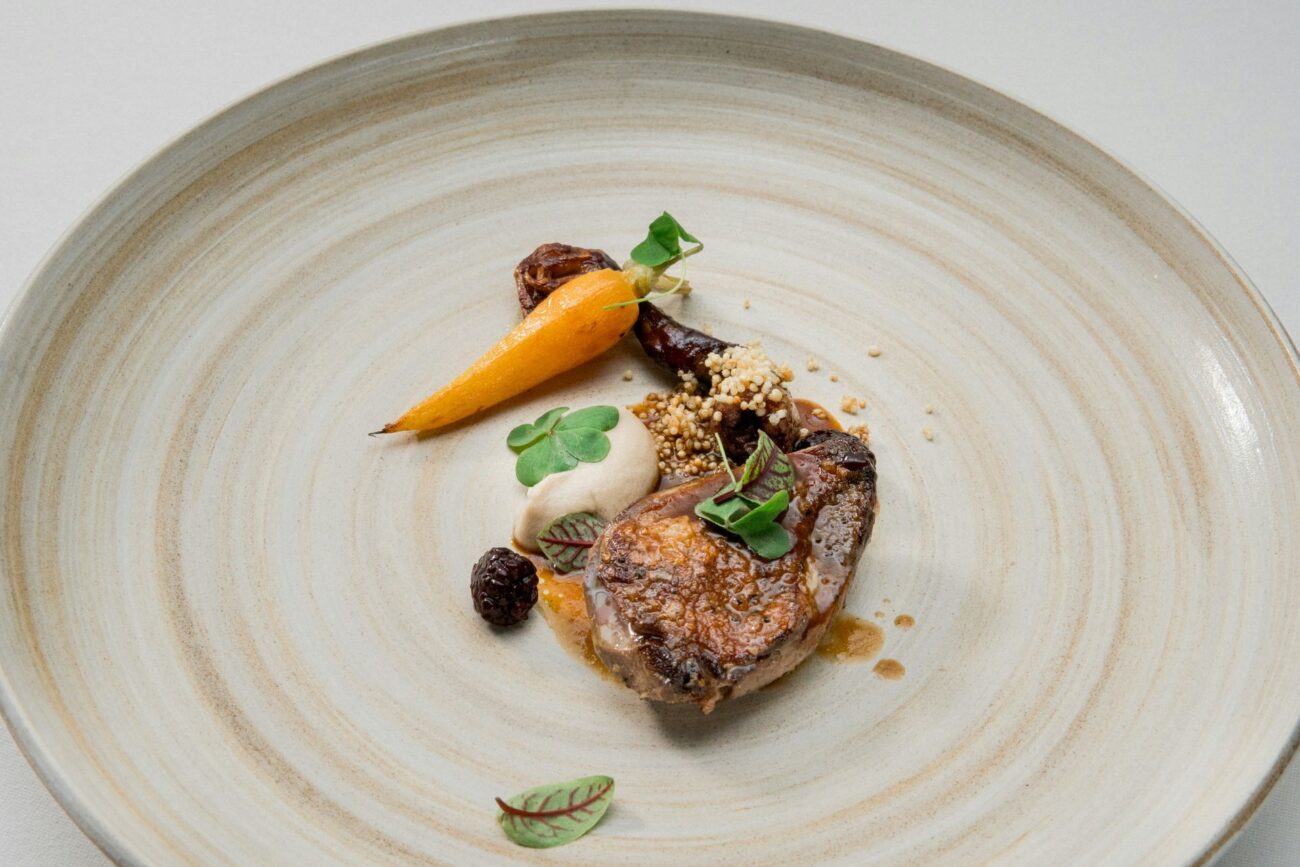
Yet behind the glamour of Michelin-starred names and elegantly plated entrées lies a complex logistical ballet. Aircraft galleys are small and subject to strict safety regulations. Meals must be prepared hours in advance, chilled, transported, and reheated without compromising quality. The supply chain must accommodate local ingredients while adhering to international food-safety standards.
Chefs accustomed to the controlled environment of their own kitchens often find the airline world daunting. Altitude and cabin pressure, as mentioned, blunt taste perception, requiring a recalibration of seasoning and texture. Dishes must be designed to withstand reheating without losing moisture or visual appeal. Even the plating must consider turbulence and limited workspace.
Successful collaborations rely on close teamwork between the airline’s catering department, cabin crew, and the chefs themselves. Trial flights, tasting sessions, and countless iterations precede the final menu launch. It is a process that marries artistry and engineering—proof that culinary storytelling at altitude is as much science as it is art.
Sustainability Takes a Seat at the Table
As the aviation industry faces growing scrutiny over its environmental impact, culinary partnerships are also reflecting a commitment to sustainability. Many airlines now prioritise locally sourced ingredients to reduce the carbon footprint of transporting food. Menus highlight seasonal produce and promote lesser-known regional farmers and fisheries.
For example, Scandinavian carriers have championed Nordic food philosophies by emphasising wild berries, sustainably caught fish, and organic grains. This approach not only supports local ecosystems but also reinforces the authenticity of the in-flight dining experience. Passengers savour a meal that tells a story of the land while knowing that the ingredients were chosen with care for the planet.
Beyond First Class: Democratizing Destination Flavours
While premium cabins often grab headlines, the movement toward regional culinary collaborations is slowly permeating economy class as well. Recognising that brand loyalty is built across all segments, some airlines now offer destination-inspired options as part of their standard meal service or through pre-order menus.
This democratization of taste broadens the impact of culinary partnerships. A backpacker flying to Bangkok can experience a fragrant tom yum soup mid-flight, while a family bound for Provence might enjoy a rustic ratatouille. In each case, the meal becomes a first impression, an edible overture to the trip ahead.
A Cultural Bridge in the Sky
Ultimately, these collaborations accomplish something deeper than marketing or gastronomy. They serve as cultural bridges, offering passengers an introduction to the values, traditions and histories of a place. Food has always been a universal language, and at 35,000 feet it becomes a powerful medium for storytelling.
When a traveller bites into a dish infused with regional character, they are not just satisfying hunger—they are participating in a narrative of place and people. The aromas, textures and flavours prepare them emotionally for the destination. By the time they land, the first chapter of their journey has already been savoured.
Looking Ahead: The Next Frontier of In-Flight Culinary Experiences
As technology evolves and passenger expectations grow, the future of regional menu collaborations looks even more dynamic. Airlines are experimenting with immersive dining experiences: augmented reality menus that explain the provenance of ingredients, live video messages from the collaborating chefs, and in some cases, interactive tasting flights paired with local wines or spirits.
There is also growing interest in plant-forward menus that reflect both sustainability goals and the culinary trends of key markets. Expect to see more partnerships with chefs known for innovative vegetarian or vegan cuisines, offering passengers a taste of the future of regional gastronomy.
The First Bite of the Journey
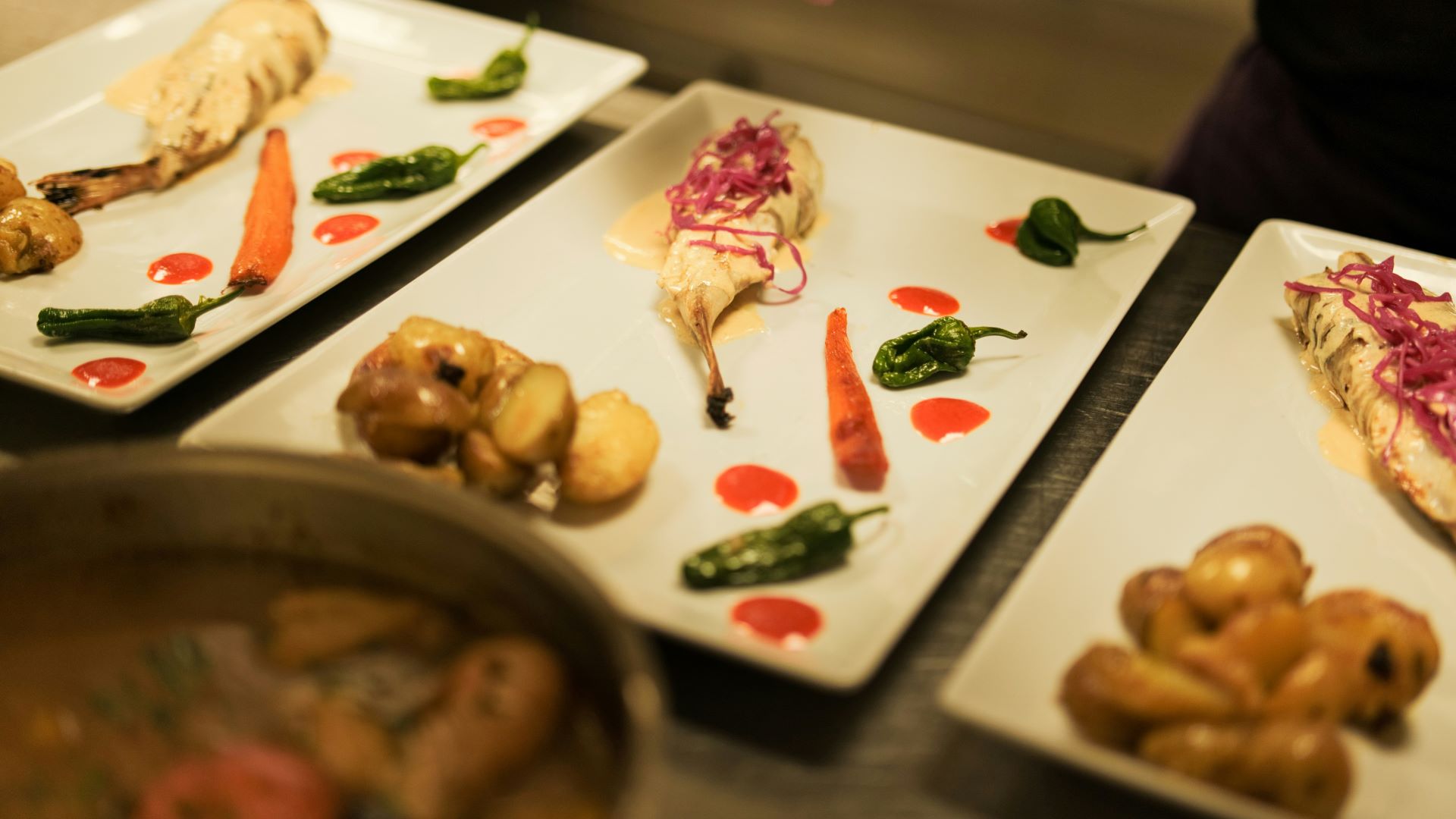
Airlines have long promised to transport travellers to new worlds. With regional chef collaborations, they now deliver the first encounter with those worlds through flavour. Each dish served in the sky becomes more than a meal; it is a cultural handshake, a sensory welcome, and a promise of the experiences to come.
In a travel landscape where every touchpoint matters, the in-flight menu is no longer an afterthought. It is the taste of arrival—a delicious beginning to the adventure that awaits beyond the runway.
Gerald Ferreira
Our travel editorial desk specializes in uncovering the best flight deals and destination insights within South Africa. We bring you first-hand updates on airline industry moves and budget travel hacks.
More From Travel Industry
Why Airlines Care About Your Connection Time Windows
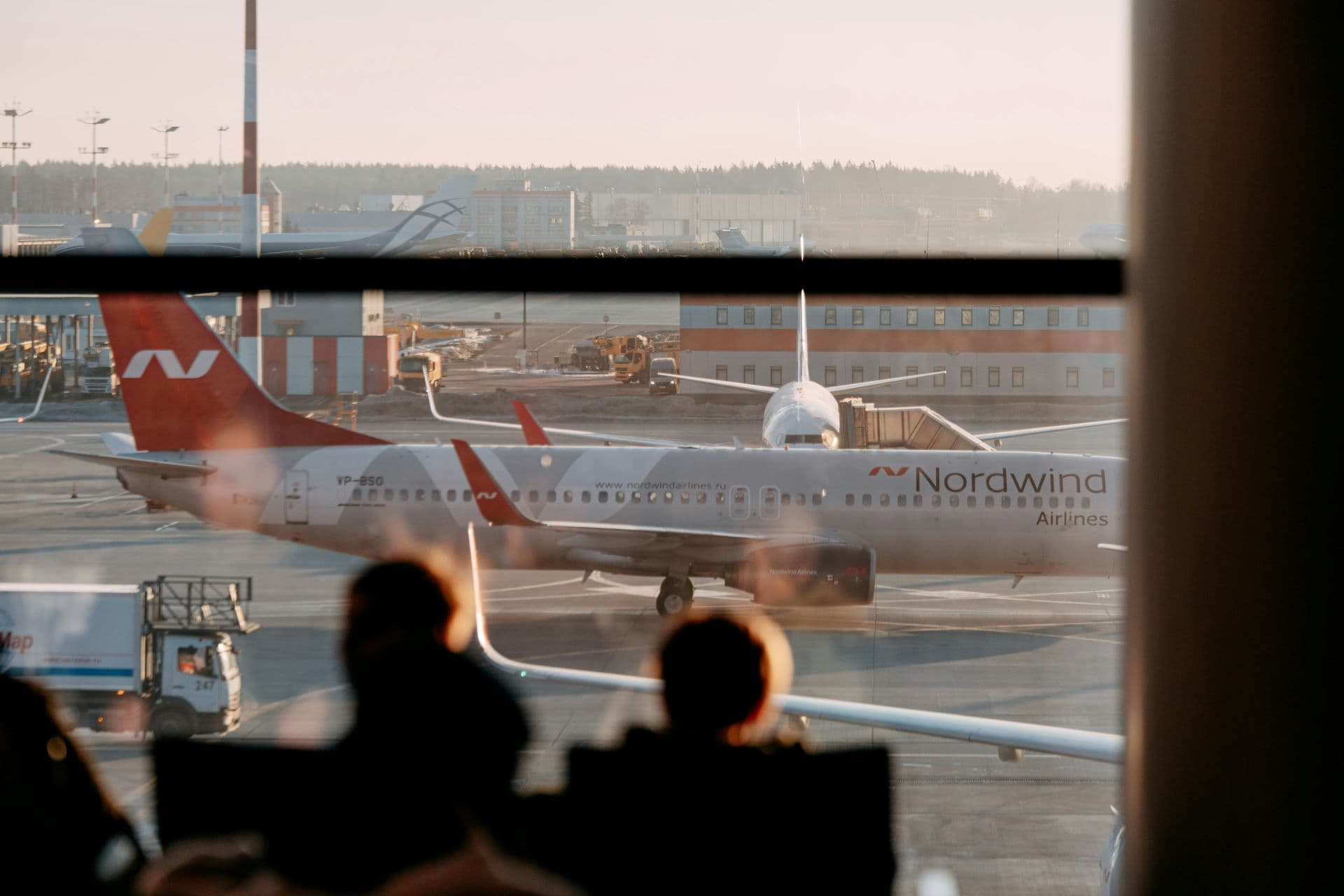
Airlines treat connection times as precision timing tools that drive network efficiency, schedule flow, and global hub synchronization.

How Flight Routes Drive Tourism Growth and Regional Prosperity
Discover how airline routes influence global tourism, boost regional economies, and improve destination accessibility worldwide.

How Airlines Are Shifting to Eco-Friendly Travel
Airlines respond to eco-conscious travelers with carbon offsets, fuel-efficient fleets, and green marketing strategies in commercial tourism.
Stay Informed, Stay
Ahead of the Curve
We don't just follow the headlines — we dive deeper. Our well-researched content is designed to empower you with the knowledge needed to navigate an industry shaped by innovation.
Seasoned Professionals
Industry stats and market performance metrics.