
Understanding Flight Options from South Africa
Imagine planning a journey from Johannesburg to London. You stand at the crossroads of two paths: a direct flight promising speed and convenience, or a layover option that whispers of potential savings. This decision mirrors a common traveler’s dilemma, where cost, time, and comfort intersect. Delving into the nuances of direct versus layover flights from South Africa reveals a tapestry of factors influencing affordability and overall travel experience. By unraveling these elements, travelers can make informed choices that align with their budgets and preferences.
Cost Analysis: Breaking Down the Price Components
Base Fare Comparisons
At the heart of flight pricing lies the base fare, a fundamental component that often dictates the overall cost. Direct flights typically command a higher base fare due to the convenience of a non-stop journey. Airlines charge a premium for eliminating the uncertainties and potential delays associated with layovers. Conversely, flights with layovers might present a more economical base fare, enticing budget-conscious travelers with lower upfront costs. However, this apparent savings can be deceptive, as additional expenses may surface during the journey.
For instance, a direct flight from Cape Town to Dubai might be priced higher than a similar route with a layover in Johannesburg. While the direct option offers a seamless travel experience, the layover flight leverages the hub’s operational efficiencies to offer a discounted rate. This pricing strategy reflects airlines’ efforts to balance demand, operational costs, and competitive positioning within the market. Understanding the interplay between base fares and flight types is crucial for travelers aiming to optimize their travel budgets.
Taxes and Fees Structure
Beyond the base fare, taxes and fees play a pivotal role in the final ticket price. These additional charges encompass airport taxes, security fees, and other governmental levies that vary by destination and transit points. Direct flights may incur higher airport taxes, especially when departing from major international airports in South Africa, which are equipped with extensive facilities and services. These airports often impose substantial fees to support their infrastructure and operational costs.
In contrast, layover flights might benefit from lower taxes at transit airports, depending on the route and the countries involved. For example, a flight with a layover in a regional hub like Nairobi may attract different tax rates compared to a direct flight to London. Layover flights can sometimes exploit favorable fee structures in specific jurisdictions, further reducing the overall cost. Travelers must meticulously assess how these taxes and fees accumulate across different flight options to discern the most cost-effective choice.
Airline Pricing Strategies
Airlines employ sophisticated pricing strategies to maximize revenue and market share, leveraging data analytics and demand forecasting. Dynamic pricing models adjust fares in real-time based on factors such as booking windows, seasonality, and competitor pricing. Direct flights often cater to business travelers and individuals prioritizing time over cost, allowing airlines to price these routes at a premium. The assured demand and higher willingness to pay for direct services support elevated pricing tiers.
Conversely, layover flights target a more price-sensitive segment, offering competitive rates to attract leisure travelers and budget-conscious passengers. Airlines may subsidize layover routes by optimizing flight schedules and utilizing secondary hubs to minimize operational costs. This strategic differentiation enables airlines to segment the market effectively, providing varied pricing structures that cater to diverse traveler preferences. Understanding these strategies empowers passengers to navigate the complexities of airline pricing and identify opportunities for cost savings.

Time Investment: Weighing Duration Against Savings
Total Travel Time Considerations
Time is an invaluable commodity, and its management plays a significant role in flight selection. Direct flights offer the advantage of reduced travel time, eliminating the uncertainties and delays associated with layovers. For example, a direct flight from Durban to Amsterdam might take approximately 11 hours, while a layover option could extend the journey to 15 hours or more, depending on the duration of the stopover. This difference can be crucial for travelers with tight schedules or those seeking to maximize their time at the destination.
Extended travel times can lead to increased fatigue and reduced productivity, particularly for business travelers or individuals embarking on multi-destination trips. The allure of saving hours by opting for a direct flight often outweighs the potential cost benefits of a longer, more economical route. Evaluating the trade-off between time and money is essential, as it influences not only the immediate travel experience but also subsequent plans and commitments upon arrival.
Layover Duration Impact
The length and nature of a layover significantly influence the overall travel experience. Short layovers may result in rushed connections, heightening the risk of missing flights and exacerbating travel stress. Conversely, extended layovers offer opportunities for rest, exploration, or even brief excursions, transforming a mundane transit into a memorable part of the journey. For instance, a 3-hour layover in Istanbul might allow passengers to enjoy a quick tour of the city, adding value beyond mere cost savings.
However, longer layovers can introduce additional costs, such as accommodation, meals, and transportation within the transit city. Travelers must weigh these potential expenses against the savings achieved through lower flight fares. The unpredictability of layover durations, influenced by factors like weather and airport congestion, can impact the reliability and predictability of the travel itinerary. Assessing the implications of layover durations enables passengers to make informed decisions that align with their time preferences and financial constraints.
Opportunity Cost of Time
Opportunity cost extends beyond the immediate financial outlay, encompassing the broader implications of time spent traveling. Opting for a layover flight may free up budget resources that can be allocated to other aspects of the trip, such as accommodations, experiences, or dining. For example, the money saved from a layover flight could enhance a South African traveler’s stay in Paris, allowing for more enriching cultural experiences. This reallocation of resources can amplify the overall value derived from the trip, even if it entails longer travel times.
Conversely, choosing a direct flight preserves time, enabling travelers to maximize their experiences at the destination. This is particularly advantageous for short trips where time is limited, and the opportunity to engage in meaningful activities is constrained. The decision between direct and layover flights, therefore, involves a comprehensive assessment of how time and money interplay within the context of the traveler’s broader objectives and priorities. Balancing these factors is key to optimizing both the financial and experiential aspects of the journey.

Convenience Factors: Assessing Comfort and Flexibility
Ease of Booking and Availability
The convenience of securing flights is a pivotal factor influencing travelers’ choices. Direct flights often enjoy higher demand due to their straightforward nature, leading to limited availability and quicker sell-outs. This scarcity can result in higher fares, particularly during peak travel seasons or for last-minute bookings. Conversely, layover flights typically offer a broader range of options, increasing the likelihood of finding suitable departure times and competitive prices. The abundance of choices enhances flexibility, allowing travelers to tailor their itineraries to specific needs and preferences.
The booking process for layover flights can be more intricate, involving multiple segments and potential carriers. However, advancements in online booking platforms have streamlined this process, making it easier to compare and combine different flight options. Travelers can leverage these tools to identify the most cost-effective routes that align with their schedules, thereby enhancing the overall convenience of planning and booking their journeys. Understanding the dynamics of flight availability and booking ease aids passengers in navigating the complexities of air travel with greater assurance.
Baggage Handling and Transfers
Baggage handling is a critical aspect of flight convenience, particularly for travelers with substantial luggage or those embarking on multi-destination trips. Direct flights minimize the risk of baggage mishandling, as luggage is typically transferred directly to the final destination without the need for intermediate handling. This seamless process reduces the likelihood of lost or delayed baggage, enhancing the overall travel experience. Passengers can avoid the logistical challenges and time-consuming procedures associated with baggage transfers during layovers.
In contrast, layover flights necessitate transferring baggage between different flights, often involving multiple airlines and varying baggage policies. This increases the complexity and potential for errors, especially when layovers are tight or when navigating different airport systems. Travelers must be vigilant in understanding the baggage requirements and procedures for each segment of their journey, which can be both time-consuming and stressful. Evaluating the implications of baggage handling is essential for ensuring a smooth and hassle-free travel experience, particularly for those traveling with extensive luggage or valuable items.
In-Flight Services and Amenities
The level of in-flight services and amenities can significantly impact the comfort and satisfaction of the travel experience. Direct flights often prioritize enhanced services to cater to passengers seeking a premium experience. This may include superior in-flight entertainment options, more spacious seating arrangements, and higher-quality meal offerings. Airlines may allocate additional resources to ensure that direct flight passengers enjoy a more comfortable and enjoyable journey, thereby justifying the higher ticket prices.
On the other hand, layover flights might streamline in-flight services to maintain cost efficiency, potentially resulting in fewer amenities or less personalized attention. However, this is not universally the case, as some airlines maintain consistent service standards across all flight types to uphold their brand reputation. Travelers should assess the quality of in-flight services offered by different airlines and consider how these factors align with their personal preferences and comfort requirements. Balancing the desire for enhanced amenities against budget constraints is crucial for optimizing the overall value of the flight experience.
Hidden Costs: Unmasking Unexpected Expenses
Airport Transfers and Transportation
Hidden costs often lurk beneath the surface of flight pricing, manifesting in various forms such as airport transfers and transportation. Direct flights, while potentially more expensive upfront, typically require fewer additional travel segments, thereby minimizing transportation costs. Travelers can rely on straightforward routes with predictable transportation needs, reducing the likelihood of incurring unexpected expenses related to transit.
In contrast, layover flights may necessitate multiple transfers between airports or cities, each potentially incurring separate transportation costs. For example, a flight with a layover in Johannesburg followed by a connection in Nairobi may require travelers to navigate different airport systems, potentially necessitating additional taxis, shuttles, or public transportation services. These cumulative transportation expenses can erode the initial cost savings achieved through lower flight fares, rendering the overall journey more costly than anticipated. Recognizing and accounting for these hidden transportation costs is essential for a comprehensive evaluation of flight affordability.
Accommodation During Layovers
Extended layovers often necessitate overnight stays, introducing accommodation costs that can significantly impact the overall travel budget. Direct flights eliminate this need, as the journey concludes upon arrival at the final destination without requiring additional overnight accommodations. However, layover flights with long transit times may compel travelers to book hotels or other lodging options, adding a layer of expense that was not initially apparent.
The cost of accommodation varies widely depending on the layover location, duration, and the traveler’s preferences. Budget accommodations might mitigate these expenses, but they still represent an additional financial commitment beyond the flight itself. Securing suitable lodging during layovers can be time-consuming and may require navigating unfamiliar cities, potentially adding to the travel stress. Travelers must factor in these accommodation costs when comparing the affordability of direct versus layover flights to ensure an accurate assessment of the total journey expenses.
Change and Cancellation Fees
Flexibility is another area where hidden costs can emerge, particularly in the form of change and cancellation fees. Direct flights, often booked through major airlines with comprehensive service offerings, may offer more flexible ticket options that allow for easier modifications or cancellations, albeit sometimes at a premium. This flexibility can provide peace of mind for travelers whose plans may be subject to change, reducing the financial impact of unexpected alterations.
Conversely, layover flights, especially those involving multiple carriers or budget airlines, might impose stricter change and cancellation policies, with higher fees or limited allowances for modifications. This rigidity can result in substantial additional costs if travelers need to adjust their itineraries, undermining the initial cost savings of a cheaper fare. Understanding the terms and conditions associated with different flight options is crucial for anticipating potential hidden costs related to itinerary changes, thereby safeguarding against unforeseen financial burdens.

Hidden Costs: Unmasking Unexpected Expenses
Layover Fees and Services
Additional costs can emerge from the services required during layovers, such as airport lounges, meals, and other amenities that may not be included in the base fare. Direct flights typically encompass all necessary services within a single journey, reducing the need for supplementary expenditures. However, layover flights might necessitate purchasing access to lounges for comfort, buying meals outside of provided services, or even renting workspace facilities to maintain productivity during extended stops.
These ancillary expenses can accumulate, offsetting the initial savings achieved through lower flight fares. For instance, a layover in a less-equipped airport might compel travelers to spend more on food and beverages, as the variety and quality of available options may be limited. Accessing premium services like expedited security checks or priority boarding during layovers can incur extra charges, further elevating the overall cost of the journey. Travelers should account for these potential expenses when evaluating the true cost-effectiveness of layover flights compared to direct options.
Visa and Entry Requirements
Layover flights often involve transiting through multiple countries, each with its own visa and entry requirements. While direct flights typically require visas only for the final destination, layover flights may necessitate additional transit visas, depending on the country’s regulations and the traveler’s nationality. These visa requirements can introduce unexpected costs and administrative hurdles, complicating the travel process and adding to the overall expense.
For example, a layover in a country that mandates transit visas for South African travelers can result in extra fees and paperwork, even if the traveler does not intend to leave the airport. These requirements can vary widely between different transit points, making it challenging to predict and budget for these costs in advance. Failure to secure the necessary visas can lead to denied boarding or entry, disrupting travel plans and incurring significant financial losses. Therefore, understanding and preparing for visa and entry requirements is essential for travelers considering layover flights, ensuring a smooth and cost-effective journey.
Currency Exchange and Financial Fees
Navigating multiple currencies during layovers can introduce additional financial considerations. Direct flights minimize exposure to currency exchange fluctuations and reduce the need for multiple currency transactions, thereby simplifying financial management during travel. Travelers can handle their expenses in a single currency, avoiding the complexities and potential losses associated with currency conversion.
In contrast, layover flights often involve transiting through countries with different currencies, necessitating multiple exchange transactions. This can result in unfavorable exchange rates and additional fees from currency exchange services or international banking transactions. Managing multiple currencies can increase the risk of financial discrepancies and complicate budgeting efforts. Travelers must be vigilant in monitoring exchange rates and selecting cost-effective currency exchange options to mitigate these hidden financial costs, ensuring that the perceived savings from layover flights are not eroded by unnecessary expenses.
Environmental Impact: Evaluating the Carbon Footprint
Fuel Consumption and Emissions
The environmental implications of flight choices extend beyond personal cost considerations, encompassing the broader impact on the planet. Direct flights generally consume more fuel per flight due to their non-stop nature, but they can be more efficient per passenger compared to layover flights. The absence of additional takeoffs and landings reduces overall fuel consumption and associated carbon emissions, potentially lowering the environmental footprint of the journey.
Conversely, layover flights involve multiple segments, each requiring additional fuel for takeoff, landing, and cruising. This fragmented approach increases total fuel consumption and emissions, exacerbating the environmental impact of air travel. For environmentally conscious travelers, the choice between direct and layover flights can significantly influence their personal carbon footprint, with direct flights often presenting a more sustainable option despite their higher cost.
Sustainable Practices and Airline Policies
Airlines are increasingly adopting sustainable practices to mitigate their environmental impact, influencing the decision-making process for eco-conscious travelers. Direct flights may align with these efforts by reducing overall emissions per journey, showcasing the airline’s commitment to sustainability. Some airlines offer carbon offset programs or invest in fuel-efficient aircraft, enhancing the environmental credentials of their direct flight options.
Layover flights, while potentially less efficient, can also reflect an airline’s sustainability initiatives. Airlines operating through multiple hubs might implement green practices across all segments, such as utilizing biofuels or optimizing flight paths to minimize emissions. Travelers should evaluate the sustainability policies of airlines offering both direct and layover options, considering how these practices align with their environmental values. By prioritizing airlines with robust sustainability commitments, travelers can make choices that support eco-friendly aviation practices, regardless of the flight type.
Regulatory and Market Influences
Government regulations and market dynamics play a crucial role in shaping the environmental impact of flight choices. Stricter emissions standards and carbon pricing mechanisms incentivize airlines to adopt more sustainable practices, influencing the cost and availability of direct versus layover flights. Direct flights may benefit from regulatory incentives aimed at reducing emissions, potentially leading to lower operational costs and, by extension, more competitive pricing for passengers.
Market influences, such as consumer demand for greener travel options, drive airlines to innovate and invest in environmentally friendly technologies. This trend can enhance the sustainability of both direct and layover flights, as airlines strive to meet evolving regulatory requirements and market expectations. Travelers attuned to these developments can leverage them to make informed decisions that not only optimize cost and convenience but also contribute to broader environmental sustainability goals. Understanding the interplay between regulations, market forces, and flight options empowers passengers to select routes that align with both their financial and environmental priorities.

Technological Advancements: Shaping the Future of Flight Choices
Innovations in Aircraft Efficiency
Technological advancements in aviation are continually reshaping the landscape of flight options, influencing both direct and layover flight dynamics. Modern aircraft are designed with enhanced fuel efficiency and reduced emissions, making direct flights more sustainable and cost-effective over time. Innovations such as lightweight materials, advanced aerodynamics, and more efficient engines contribute to lower operational costs, which can translate into more competitive pricing for direct flight options.
The integration of digital technologies in aircraft operations optimizes flight paths and reduces fuel consumption, enhancing the overall efficiency of both direct and layover flights. Airlines investing in these technological advancements can offer more attractive pricing structures and improved service quality, appealing to a broader range of travelers. As the aviation industry continues to embrace innovation, the cost dynamics between direct and layover flights are likely to evolve, presenting new opportunities for cost savings and enhanced travel experiences.
Digital Platforms and Booking Technologies
The rise of digital platforms and booking technologies has revolutionized how travelers compare and select flight options, impacting the affordability of direct versus layover flights. Advanced search engines and online travel agencies leverage algorithms to identify the most cost-effective routes, factoring in variables such as layover durations, airline partnerships, and dynamic pricing models. These tools empower travelers to uncover hidden savings and make informed decisions that balance cost and convenience.
Mobile applications and real-time data analytics provide travelers with up-to-date information on flight availability, pricing trends, and potential disruptions, enhancing the overall booking experience. Personalized recommendations and flexible search options allow users to prioritize specific criteria, such as lowest price, shortest travel time, or minimal layovers, tailoring the flight selection process to individual preferences. The integration of these technologies facilitates greater transparency and efficiency in flight booking, enabling travelers to navigate the complexities of direct and layover flight options with ease and confidence.
Future Trends and Predictions
Looking ahead, the future of flight choices from South Africa is poised to be shaped by emerging trends and technological breakthroughs. The increasing adoption of electric and hybrid aircraft promises to revolutionize the aviation industry, potentially reducing the environmental impact and operational costs of both direct and layover flights. As these technologies mature, airlines may offer more competitive pricing structures, making direct flights even more accessible and affordable for a wider range of travelers.
The growth of global airline alliances and partnerships is likely to enhance the connectivity and efficiency of layover flights, offering more seamless and cost-effective travel options. Innovations in artificial intelligence and machine learning will further optimize flight scheduling and pricing strategies, enabling airlines to offer more personalized and dynamic pricing models that cater to the evolving demands of travelers. These advancements will continue to influence the cost dynamics between direct and layover flights, providing travelers with an array of choices that align with their financial, temporal, and environmental considerations.
As the aviation industry evolves, staying informed about these trends will empower travelers to anticipate changes and leverage new opportunities for cost savings and enhanced travel experiences. By embracing the advancements shaping the future of flight choices, passengers can navigate the skies with greater knowledge and confidence, ensuring that their journeys from South Africa remain both affordable and enjoyable.
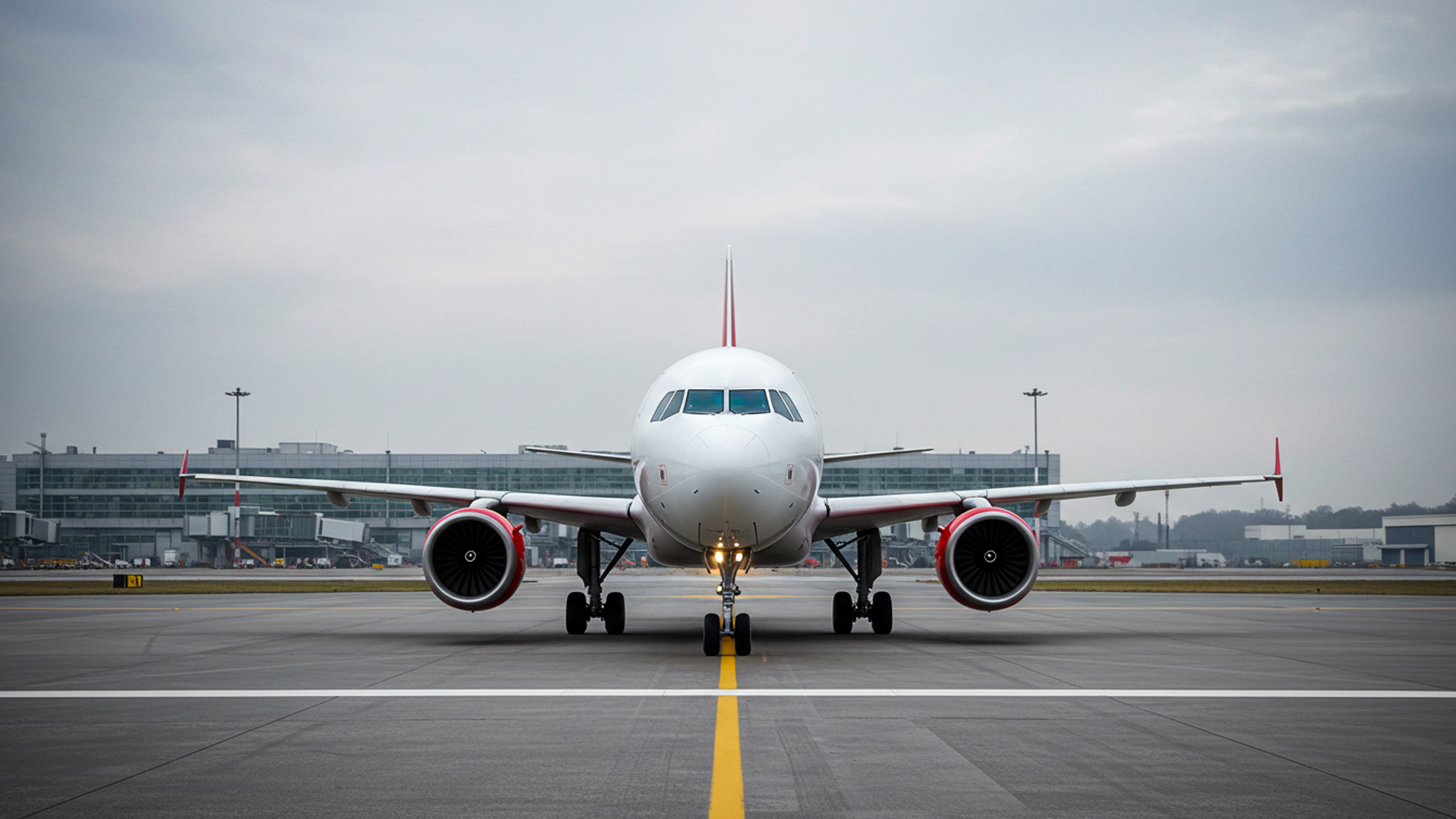
Shaping The Future Of Flight Choices
Elisha Roodt
Our travel editorial desk specializes in uncovering the best flight deals and destination insights within South Africa. We bring you first-hand updates on airline industry moves and budget travel hacks.
More From South Africa

How to Find Cheaper Domestic Flights in South Africa Without Missing the Important Extras
A lower fare is only useful when it still suits your travel plans. Learn how to compare South African domestic flights by travel date, airport, baggage, seat selection and total trip cost.

How to Find Cheap Flights in South Africa
Learn how booking windows, timing strategies, and fare trends can help South Africans consistently find cheaper domestic and international flights.
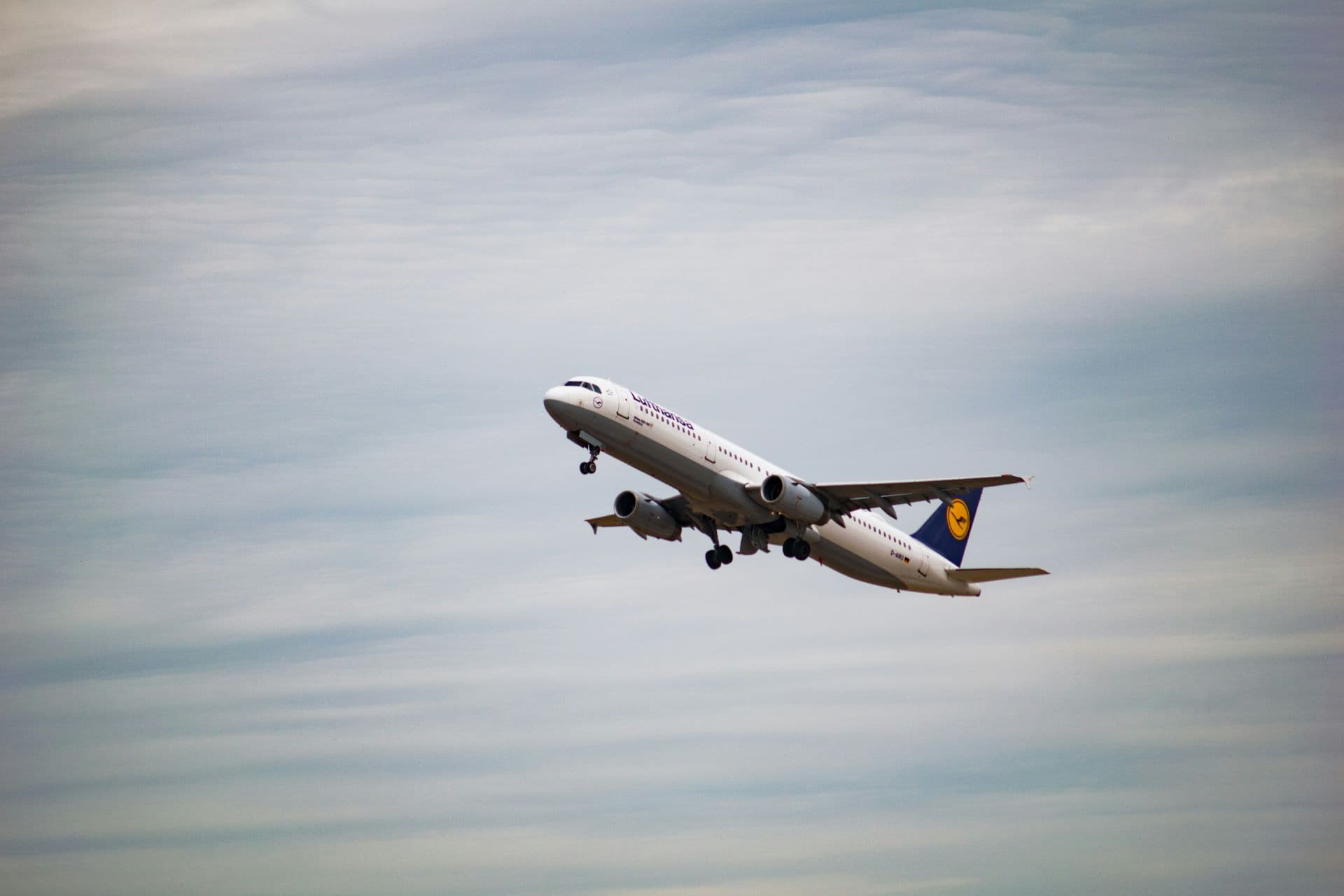
Luxury in the Skies: Are Premium Cabins the New Travel Destinations?
Stay Informed, Stay
Ahead of the Curve
We don't just follow the headlines — we dive deeper. Our well-researched content is designed to empower you with the knowledge needed to navigate an industry shaped by innovation.
Seasoned Professionals
Industry stats and market performance metrics.