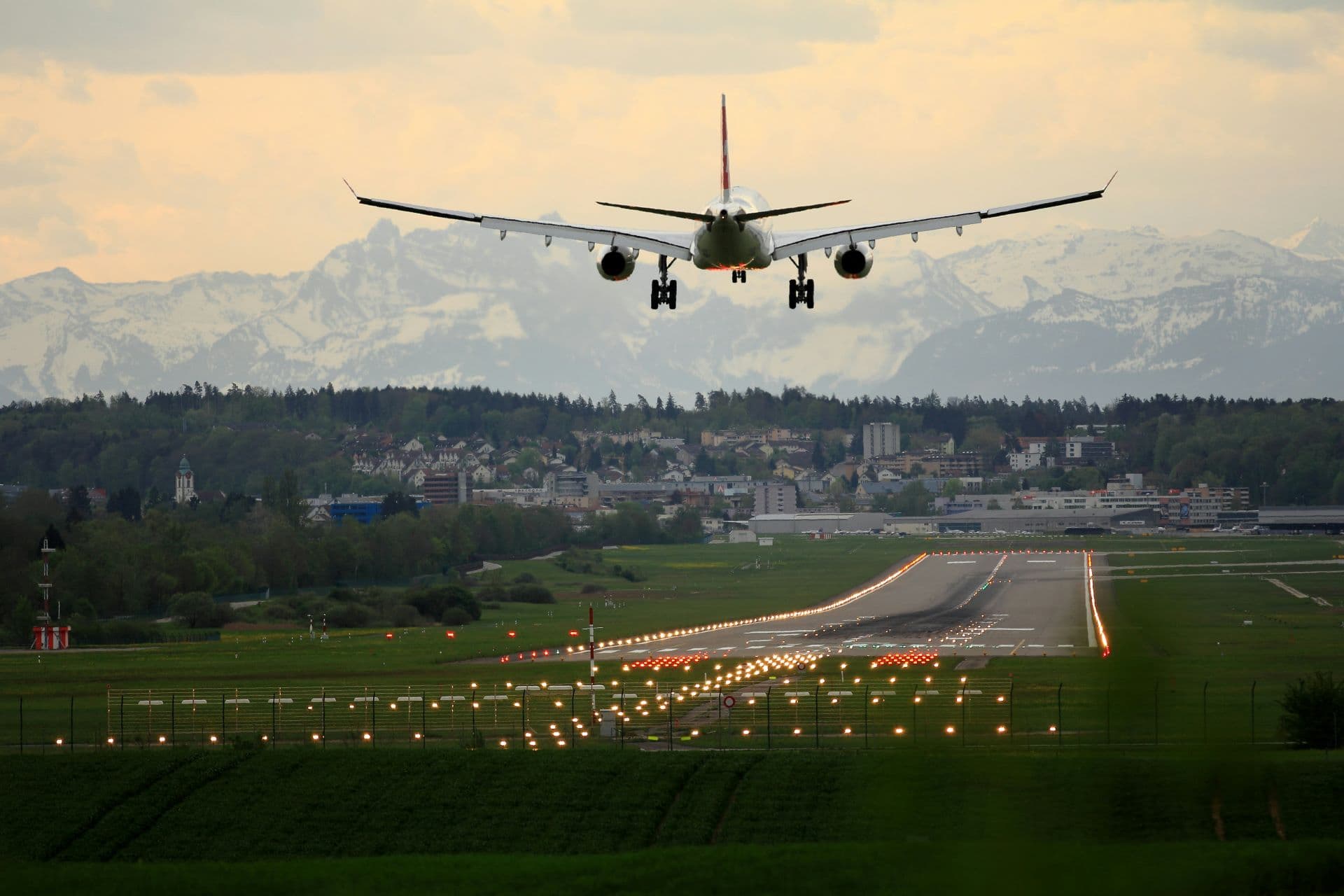
In the modern world, airports are more than just transit points; they are gateways to new cultures, experiences, and destinations. For travelers, an airport's design plays a pivotal role in shaping the journey, influencing everything from the moment of arrival to the ease of departure. With millions of people passing through airport terminals daily, these spaces have evolved far beyond their original utilitarian functions. Today, airport design is a critical part of the travel experience, where aesthetics, comfort, sustainability, and cutting-edge technology converge.
The architecture of airports has gone through remarkable transformations, driven by shifts in aviation technology, passenger expectations, and global connectivity. In the early days of air travel, airports were simple structures, often functional but lacking in comfort and sophistication. Fast forward to the present, and today's airports are designed with the passenger at the forefront, incorporating high-tech features, sustainable materials, and innovative layouts. This article aims to explore the latest global trends in airport design, illustrating how architecture influences the travel experience and contributes to an airport's identity.

Historical Context and Evolution
The history of airport design dates back to the early 20th century when commercial air travel began to take off. The first airports were little more than rudimentary structures designed to accommodate growing aviation traffic. These early terminals were functional but far from glamorous. A significant milestone in airport design occurred in the 1930s, with the opening of New York's LaGuardia Airport. Designed in a streamlined art deco style, LaGuardia marked a shift toward more aesthetic considerations in airport architecture, blending functionality with beauty.
As air travel became more widespread in the 1950s and 1960s, airports like the iconic TWA Flight Center at JFK Airport in New York, designed by Eero Saarinen, exemplified the futuristic vision of modern air travel. These designs featured open spaces, sweeping curves, and a sense of fluidity that mirrored the freedom of flight. The advent of jumbo jets in the 1970s and 1980s demanded a new approach to airport design, focusing on larger terminals, more capacity, and greater efficiency. Airports such as London's Heathrow Terminal 5, which opened in 2008, were designed with expansive spaces and sophisticated technological systems to handle the increasing number of travelers.
Over time, however, airports began to face new challenges, such as rising security concerns after 9/11, increased environmental awareness, and the necessity of integrating advanced technology. The modern airport is no longer just a place to catch a flight; it is an experience in itself—one that combines efficiency with comfort, safety, and cultural expression.
Current Global Design Trends
Today’s airport designs are driven by several key trends that prioritize sustainability, technology, security, and cultural identity. Here are some of the most notable trends.
Sustainability and Eco-Friendly Architecture
As environmental concerns grow, airports are embracing sustainable design principles to reduce their carbon footprint. Green building practices, including the use of energy-efficient materials, solar panels, and sustainable water systems, are now common features in modern airport terminals. Singapore Changi Airport, for example, has become a model for sustainability, incorporating a rooftop garden that reduces energy consumption and promotes biodiversity. Meanwhile, the new Istanbul Airport, which opened in 2018, was designed with sustainability in mind, featuring natural ventilation, energy-efficient lighting, and the use of recycled materials.
Integration of Technology for Enhanced Passenger Experience
Technology has revolutionized the airport experience, from check-in kiosks to automated baggage handling systems. Many airports now offer digital services such as facial recognition and biometric screening, streamlining the security process and reducing wait times. The newly revamped Hamad International Airport in Doha, Qatar, showcases state-of-the-art technology with its smart systems, including automated passport control and mobile apps that help guide passengers through the airport. With the rise of artificial intelligence, airports are increasingly adopting smart technologies that anticipate passenger needs and optimize operations.
Adaptation to Increased Security Measures
In the wake of heightened global security concerns, airport design has adapted to ensure both safety and convenience. Modern terminals are built with robust security systems in mind, integrating features like advanced baggage screening technologies and dedicated, discreet areas for security checks. Hong Kong International Airport, known for its seamless passenger experience, integrates security measures with minimal disruption to the flow of passengers, ensuring smooth transitions from check-in to departure gates.
Incorporating Local Culture and Art
Another key trend is the integration of local culture and art into airport design. As airports become gateways to regions and countries, they increasingly reflect the cultural identity of their location. The stunning Changi Airport is renowned for its diverse art installations and cultural exhibitions, with elements such as the "Jewel" indoor waterfall, a giant glass dome that connects travelers with the natural beauty of Singapore. In Dubai International Airport, travelers encounter a blend of modernity and Middle Eastern influences in both the design and décor, offering a rich cultural experience alongside world-class amenities.
Impact of Design on Passenger Experience
Airport design has a significant impact on passenger experience, influencing everything from stress levels to overall satisfaction. Thoughtfully designed airports can alleviate the usual pressures of travel, offering spaces that encourage relaxation and well-being. Airports are increasingly paying attention to factors such as natural lighting, wayfinding, and comfortable seating to create environments where travelers feel at ease.
One of the most critical aspects of airport design is wayfinding—the ease with which passengers can navigate through terminals. Clear signage, intuitive layouts, and easily identifiable landmarks help reduce confusion and anxiety. For instance, Tokyo Haneda Airport’s streamlined, well-marked terminals make it easy for passengers to find their way to departure gates, amenities, and services, promoting a smooth travel experience.
Natural light is another key consideration in modern airport design. Studies show that exposure to natural light can have a positive effect on mood, reducing stress and enhancing well-being. Airports like Hong Kong International and Munich Airport have incorporated large windows and open spaces to let in abundant daylight, creating a sense of openness and calm.
Comfortable seating and spacious lounges are also essential components of passenger-centric airport design. Airports like Zurich and Copenhagen offer cozy lounges with plenty of comfortable seating, charging stations, and quiet zones, providing a welcome respite for travelers in between flights.
Challenges and Considerations
Despite the many advancements in airport design, architects and planners still face numerous challenges. Balancing aesthetics with functionality remains a primary concern. While striking architectural features are appealing, they must also be practical in terms of passenger flow and operational efficiency. Space utilization is another ongoing challenge, particularly as airports face increasing passenger volumes. Designers must ensure that terminals accommodate large numbers of people while still offering a comfortable environment.
Security is also a constant consideration. With the rise of digital and biometric technologies, designing systems that balance efficiency with privacy and security remains a difficult task. Airports must constantly evolve their security measures without compromising the passenger experience.
Moreover, the costs associated with building and maintaining state-of-the-art airports are considerable. Balancing these costs with the need to provide the best experience for travelers is a challenge that airports worldwide must navigate.
Future of Airport Design
Looking ahead, airport design is set to undergo further transformations. As technology continues to evolve, smart airports that leverage artificial intelligence, biometric scanning, and robotics will become more common. The future airport will likely feature fully automated processes, from baggage handling to customs clearance, reducing wait times and improving overall efficiency.
Sustainability will remain a major focus, with airports increasingly embracing green technologies such as solar energy, rainwater harvesting, and carbon-neutral initiatives. We may see more airports adopting circular economy principles, where materials are recycled and reused, reducing waste and environmental impact.
The concept of “airport cities” is also gaining traction. These mega-airports, which integrate commercial, retail, and entertainment spaces with the traditional airport functions, will continue to expand. Airports of the future may become destinations in their own right, offering more than just flights but also experiences that captivate and engage travelers.

As air travel continues to grow, airport design will play an increasingly significant role in shaping the passenger experience. From sustainability to technological integration, the latest trends in airport architecture are redefining how we perceive these crucial hubs of global movement. Thoughtful and innovative design has the potential to reduce stress, enhance comfort, and even create memorable experiences. As architects and planners continue to push the boundaries of what is possible, travelers can look forward to ever-improving airports that serve not just as departure points, but as integral parts of the journey itself. The future of airport design promises to be exciting, offering travelers an even more seamless, comfortable, and sustainable travel experience.
Gerald Ferreira
Our travel editorial desk specializes in uncovering the best flight deals and destination insights within South Africa. We bring you first-hand updates on airline industry moves and budget travel hacks.
More From South Africa

How to Find Cheaper Domestic Flights in South Africa Without Missing the Important Extras
A lower fare is only useful when it still suits your travel plans. Learn how to compare South African domestic flights by travel date, airport, baggage, seat selection and total trip cost.

How to Find Cheap Flights in South Africa
Learn how booking windows, timing strategies, and fare trends can help South Africans consistently find cheaper domestic and international flights.

Luxury in the Skies: Are Premium Cabins the New Travel Destinations?
Stay Informed, Stay
Ahead of the Curve
We don't just follow the headlines — we dive deeper. Our well-researched content is designed to empower you with the knowledge needed to navigate an industry shaped by innovation.
Seasoned Professionals
Industry stats and market performance metrics.